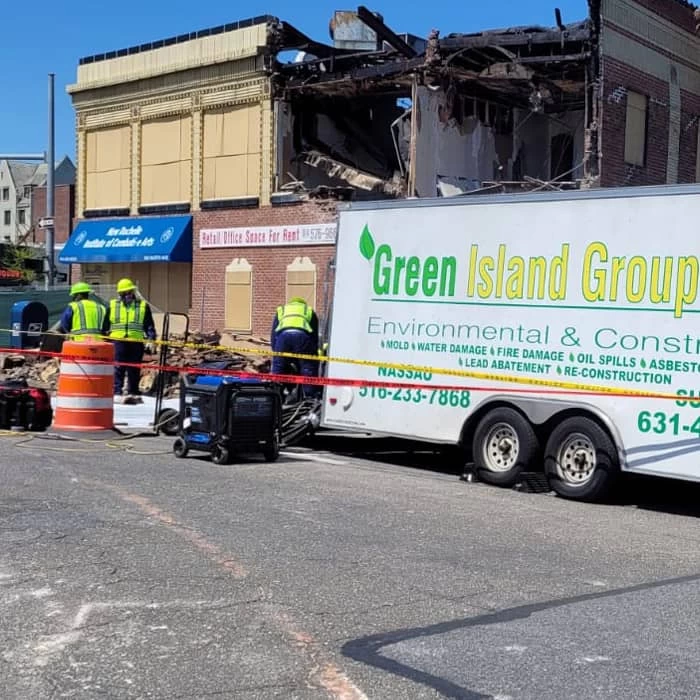
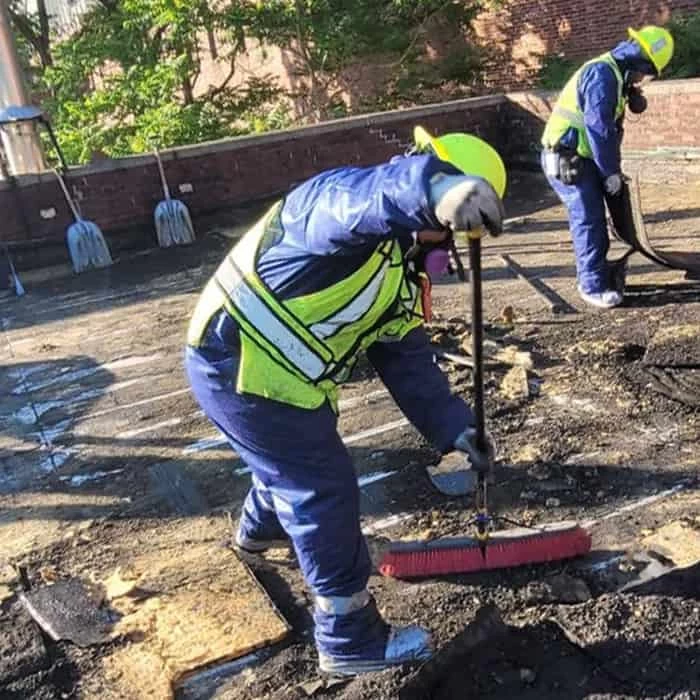
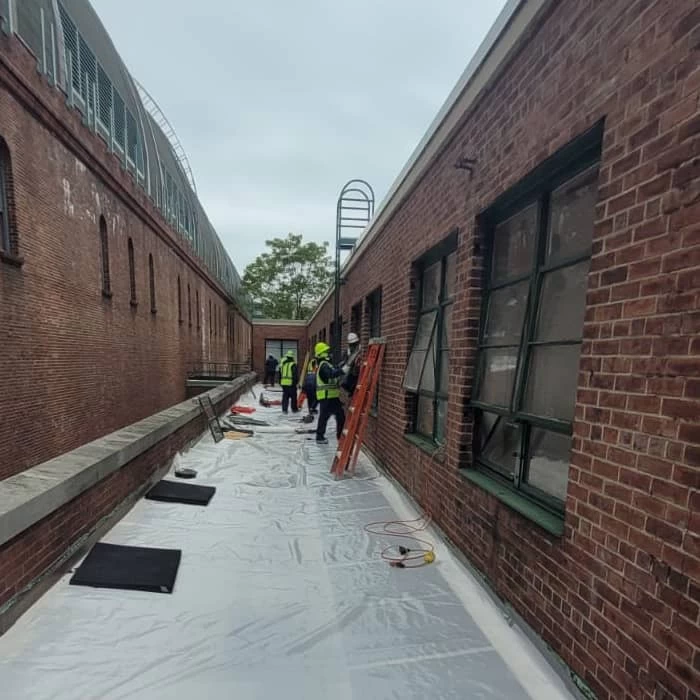
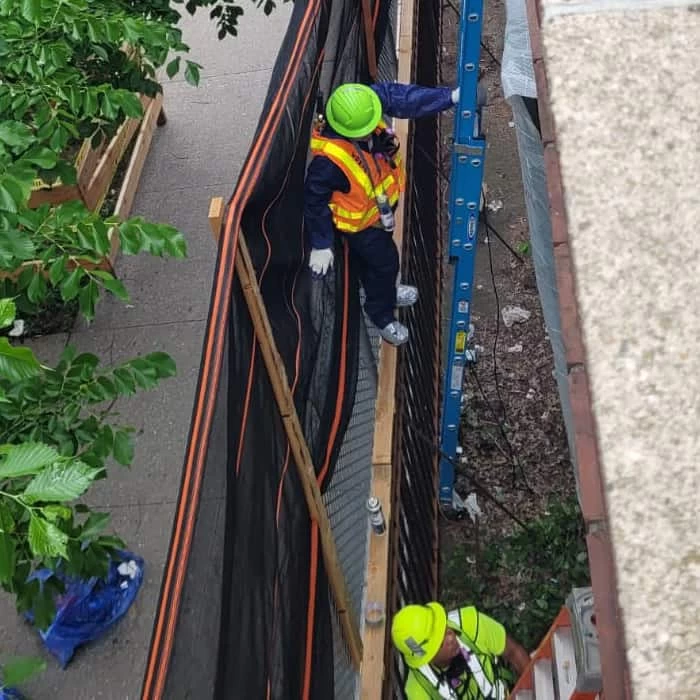
Smoke in the walls, water from the hoses, and a home that doesn’t feel like yours anymore. We handle fire damage restoration in East Moriches from the first call to the final finish no handoffs, no gaps.
I needed a professional consultation explanation of procedure for safe removal of Asbestos in my apartment complex. Without having an account yet, I was very impressed with the caring, knowledgeable and generous advice offered by Jessica, and will look forward to doing business in the future. Thank you so much! I feel much more informed about a sometimes scary endeavor. Peace. Nancy Silva Mineola, NY.
Mia Munoz
Used this company to clean up some water flood in my house. They were fast and easy to work with.very professional, Would recommend to anyone!
Nini Valle
Great company, had a flood and they responded quickly and efficiently. Billed my insurance company directly. I highly recommend this company!
joe colapietro, jr
I had pipe freeze in my basement right before a snow storm and they made to within an hour to help start the clean up process. They we by our side throughout the entire process and even helped with the insurance company. They did such a great job with the cleanup, repair, remidiation, I contracted them to perform the repairs and finishes in the basement. They came with enough manpower and material to get the job done. Leo and Jessica were nothing but a pleasure to deal with!!
Cristian Arredondo c
I had some water damage in my home and Green Island was able to take care of my issue quickly and effectively. I am very pleased with the work they did. They responded quickly and were very professional.
Michael M
Outstanding service! From the office to the field crew everyone was friendly, helpful and responsive. I highly recommend Green Island Group.
Your East Moriches Home Restored Not Just Cleaned Up
Most people don’t realize how much damage stays behind after the fire is out. Smoke moves fast. It gets into your HVAC system, soaks into drywall, and settles into every room including ones the fire never touched. Soot starts permanently staining and etching surfaces within 24 to 72 hours. The clock is already running by the time the fire trucks leave your street.
East Moriches sits in a real brush fire corridor. The 2023 fires that tore through here from Manorville carried by 35 mph winds across acres of dry pine barrens reminded residents how quickly a fire situation can escalate from manageable to devastating. When it happens near a coastal home on Moriches Bay, you’re also dealing with elevated humidity, pre-existing moisture conditions, and a structure that can develop mold within 48 hours if the firefighting water isn’t properly extracted.
What you’re left with isn’t just a cleanup job. It’s a full restoration structural drying, smoke and soot remediation, odor elimination, water extraction, and in many East Moriches homes built before 1980, a required asbestos assessment before any rebuild work can legally begin. That’s the full picture. That’s what actually gets your home back.
Long Island Locals Who Know East Moriches Homes Inside and Out
We’re a locally owned Long Island restoration company not a franchise, not a call center, not a rotating crew dispatched from somewhere upstate. When you call, you reach a real team that serves Suffolk County communities, including East Moriches and the surrounding South Shore hamlets from Center Moriches to Eastport.
Customers don’t just leave reviews about the work they mention people by name. Leo and Jessica are the kind of professionals who stay in your corner from the first walkthrough to the final inspection, and that level of accountability matters when you’re dealing with a home worth over $700,000 and an insurance claim you’ve never had to file before.
We also assist directly with the insurance process documenting damage, communicating with adjusters, and making sure you don’t leave money on the table. That’s not something most restoration companies offer, and it’s one of the reasons people in East Moriches and surrounding communities trust us to handle the whole job.
From Emergency Call to Move-Back-In Day Here's Our Process
It starts with the call. We respond fast one documented customer noted arrival within an hour which matters because every hour of delay increases the scope of damage and the cost of restoration. When we arrive, the first priority is assessing what you’re dealing with: fire and burn damage, smoke and soot penetration, water intrusion from firefighting, and any structural concerns that need to be stabilized before work begins.
For older East Moriches homes and there are plenty of them, some dating back to the early 1900s that assessment includes checking for asbestos-containing materials that a fire may have disturbed. New York State law requires certified abatement before restoration work proceeds in those situations. We hold the environmental remediation credentials to handle this legally and safely, which means you’re not stuck waiting for a separate subcontractor to come in before the real work can start.
From there, the scope unfolds in a clear sequence: water extraction and structural drying, smoke and soot remediation, odor elimination, demolition where needed, and then full reconstruction drywall, flooring, paint, cabinetry, finishes. The Town of Brookhaven requires building permits for structural repairs, and we pull those permits as a licensed contractor. You don’t manage that paperwork. We do.
Everything the Job Actually Requires All Under One Roof
Fire damage restoration isn’t one service it’s a sequence of them. We cover the full arc: emergency stabilization, water extraction, structural drying, smoke and soot remediation, air quality restoration, asbestos and environmental abatement where required, demolition, and complete reconstruction. For East Moriches homeowners, that last part the rebuild is where a lot of companies drop the ball. They hand you off to a contractor you’ve never met and call the job done. We don’t operate that way.
The scope here is built around what South Shore Long Island homes actually need. Coastal exposure near Moriches Bay means moisture levels are already elevated before a fire ever happens and firefighting water compounds that fast. Wood-burning fireplaces and stoves, common throughout East Moriches’s older housing stock, create chimney-related fire patterns that require specific remediation approaches. And in pre-1980 construction, which is the norm in this hamlet, environmental concerns like asbestos and lead paint aren’t hypothetical they’re part of the job.
The insurance piece is built into our process, not bolted on at the end. We document damage thoroughly from day one, communicate with your adjuster, and make sure the claim reflects the actual scope of what your home needs. For a property in East Moriches, that’s not a minor detail it’s often the difference between a full recovery and a settlement that falls short.
What should I do immediately after a house fire in East Moriches, NY?
The most important thing you can do in the first hour is call a restoration company not wait for the insurance adjuster to tell you what to do next. Soot begins permanently bonding to surfaces within 24 to 72 hours, and smoke that has entered your HVAC system will continue circulating through every room until the system is shut down and cleaned. The faster that process starts, the less total damage you’re dealing with.
In East Moriches specifically, there’s another layer to be aware of: if your home was built before 1980, a fire may have disturbed asbestos-containing materials in insulation, floor tiles, or pipe wrapping. You cannot legally begin restoration work in New York State until a certified assessment has been completed and any hazardous materials have been properly abated. A restoration company without that credential will either skip this step which puts you at risk or stop work and bring in a subcontractor, which delays everything. Make sure whoever you call can handle the full scope from day one.
How long does fire damage restoration typically take for a Suffolk County home?
It depends on the scope, but most residential fire restoration projects in Suffolk County run anywhere from a few weeks for limited smoke and soot damage to several months for a home that sustained significant structural damage and requires a full rebuild. The variables that extend timelines are usually environmental assessments, permit processing through the Town of Brookhaven, and the extent of water damage from firefighting efforts.
In East Moriches, older homes add time to the front end of the process. If asbestos or lead paint is present and in pre-1980 construction, it often is the abatement phase has to be completed before any demolition or reconstruction can begin. Brookhaven Town building permits are required for structural repairs, and those have their own processing timelines. We’ll give you a realistic schedule upfront, pull the permits on your behalf, and keep you informed at each stage so you’re not left guessing about when you can move back in.
Does homeowners insurance cover fire damage restoration costs in New York?
In most cases, yes standard homeowners insurance policies in New York cover fire damage restoration, including smoke and soot cleanup, water extraction from firefighting efforts, and structural repairs. What varies is how thoroughly the damage gets documented and whether the claim accurately reflects the full scope of what your home needs. That gap between what’s covered and what gets paid is where a lot of homeowners end up short.
This is especially relevant in East Moriches, where median home values now exceed $719,000. A fire in a home at that value level involves a major claim, and insurance adjusters are not on your side by default their job is to assess the damage and settle the claim, not to advocate for you. We work alongside homeowners throughout the claims process, document every category of damage from smoke penetration to structural loss, and communicate directly with adjusters. Multiple customers have specifically noted this support in their reviews. It’s one of the most practical things a restoration company can do for you, and it’s not something every company offers.
Can smoke from a nearby brush fire damage my East Moriches home even without direct flames?
Yes and this is something East Moriches residents understand better than most after the 2023 brush fires that swept through the hamlet from Manorville, carried by 35 mph winds across the pine barrens. You don’t need direct flame contact for smoke to cause serious, lasting damage to a home. Smoke infiltrates through windows, doors, attic vents, and HVAC systems, depositing soot and toxic residue on surfaces throughout the interior including rooms that never came close to the fire itself.
The health concern is real. Soot from structure fires and brush fires contains carcinogens and toxic compounds from burned synthetic materials, insulation, and treated wood. If your HVAC system was running during or after the fire, it likely circulated contaminated air through every room. Remediation in this scenario requires the same systematic approach as a direct fire loss: surface cleaning, HVAC decontamination, air quality testing, and odor elimination. If your home smells like smoke after a nearby brush fire, that’s not just an inconvenience it’s a sign that contamination is present and needs to be addressed properly.
Does fire damage restoration in older East Moriches homes require asbestos testing first?
If your home was built before 1980, the answer is almost certainly yes and this is not optional under New York State law. East Moriches has a significant stock of older homes, including properties dating back to the early 1900s, and many of them contain asbestos in pipe insulation, floor tiles, ceiling materials, and roofing. When a fire damages or disturbs those materials, they become a regulated hazard that must be assessed and abated by a certified contractor before any restoration work can legally proceed.
This matters practically because it affects your timeline and your choice of contractor. A company without New York State asbestos abatement certification cannot legally do this work which means they either skip it, putting you at legal and health risk, or they stop the job and bring in a subcontractor, which adds time and creates gaps in accountability. We hold the environmental remediation credentials to handle asbestos assessment and abatement as part of the restoration scope. You don’t need a separate company for that phase it’s built into the process.
Will the smoke smell ever fully go away after a fire in my home?
It will but only if the remediation goes deep enough. Smoke odor that lingers after a fire is almost always a sign that the source hasn’t been fully addressed. Wiping down visible soot is not enough. Smoke penetrates drywall, insulation, subfloor material, and HVAC ductwork, and if those areas aren’t treated, the smell keeps coming back especially in humid conditions. In a coastal community like East Moriches, where Moriches Bay keeps ambient humidity elevated year-round, that problem compounds faster than it would in a drier inland area.
Proper odor elimination involves a combination of thorough surface remediation, HVAC decontamination, thermal fogging or hydroxyl treatment to neutralize odor molecules in the air, and in some cases, removal and replacement of materials that have absorbed smoke beyond what cleaning can reverse. The goal isn’t to mask the smell it’s to eliminate the source. When the job is done correctly, there’s no trace left. Our process is built around that standard, not around getting the smell to an acceptable level and calling it done.