Midtown's Buildings Are Complex. Your Restoration Shouldn't Be.
From pre-war loft conversions to high-rise co-ops near 34th Street, fire damage in Empire State demands more than a cleanup crew it demands a team that knows the building, the code, and the process.
I needed a professional consultation explanation of procedure for safe removal of Asbestos in my apartment complex. Without having an account yet, I was very impressed with the caring, knowledgeable and generous advice offered by Jessica, and will look forward to doing business in the future. Thank you so much! I feel much more informed about a sometimes scary endeavor. Peace. Nancy Silva Mineola, NY.
Mia Munoz
Used this company to clean up some water flood in my house. They were fast and easy to work with.very professional, Would recommend to anyone!
Nini Valle
Great company, had a flood and they responded quickly and efficiently. Billed my insurance company directly. I highly recommend this company!
joe colapietro, jr
I had pipe freeze in my basement right before a snow storm and they made to within an hour to help start the clean up process. They we by our side throughout the entire process and even helped with the insurance company. They did such a great job with the cleanup, repair, remidiation, I contracted them to perform the repairs and finishes in the basement. They came with enough manpower and material to get the job done. Leo and Jessica were nothing but a pleasure to deal with!!
Cristian Arredondo c
I had some water damage in my home and Green Island was able to take care of my issue quickly and effectively. I am very pleased with the work they did. They responded quickly and were very professional.
Michael M
Outstanding service! From the office to the field crew everyone was friendly, helpful and responsive. I highly recommend Green Island Group.
A fire doesn’t just burn what it touches. Smoke moves through shared HVAC systems, soot settles into century-old masonry, and water from firefighting efforts soaks through multiple floors before anyone calls a contractor. In Empire State buildings whether that’s a converted Garment District loft or a Murray Hill high-rise the damage spreads faster and further than most people expect.
When fire damage restoration is handled correctly from the start, you stop the secondary damage before it compounds. Smoke odor doesn’t linger for months. Neighboring units don’t file complaints. Your building’s certificate of occupancy stays intact. The difference between a contained recovery and a drawn-out nightmare usually comes down to who you called in the first hour.
The Empire State area’s building stock adds a layer of complexity that suburban restoration companies aren’t built for. Pre-war structures in this corridor commonly contain asbestos insulation and lead paint materials that become a serious liability the moment fire disturbs them. Getting a team with environmental remediation credentials isn’t a bonus here. It’s the baseline requirement.
New York Regulations Don't Intimidate Us They're Just Tuesday
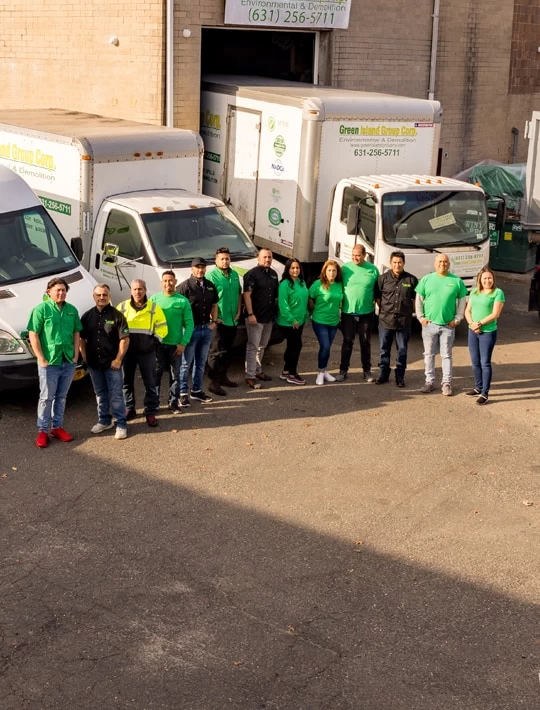
We’re a locally owned and operated restoration and environmental remediation company serving New York State. When a fire happens in a building one block from Penn Station or in a converted loft near Herald Square in Empire State, we’re not learning the NYC Fire Code on the fly. We already know it. We work under NYS, NYC, and USEPA regulatory frameworks which matters enormously in a city where the Department of Buildings, the FDNY, and the Department of Environmental Protection all have a say in how restoration work gets done.
We handle everything from emergency board-up and smoke remediation to structural repairs and full reconstruction. No hand-offs. No waiting for a second contractor. One team, one point of contact, and direct insurance billing so you’re not stuck doing paperwork while your unit sits open.
Our customers consistently tell us the same thing: we answer the phone. At 2am, in the middle of a building emergency, that matters more than any marketing claim we could make.
How Recovery Actually Unfolds in an Empire State Building
The first call triggers immediate deployment. We assess the scope of damage, secure the property with board-up or tarping if needed, and begin documenting everything for your insurance claim. In an Empire State co-op or condo, that documentation also needs to hold up to board scrutiny so we build the file with that in mind from day one.
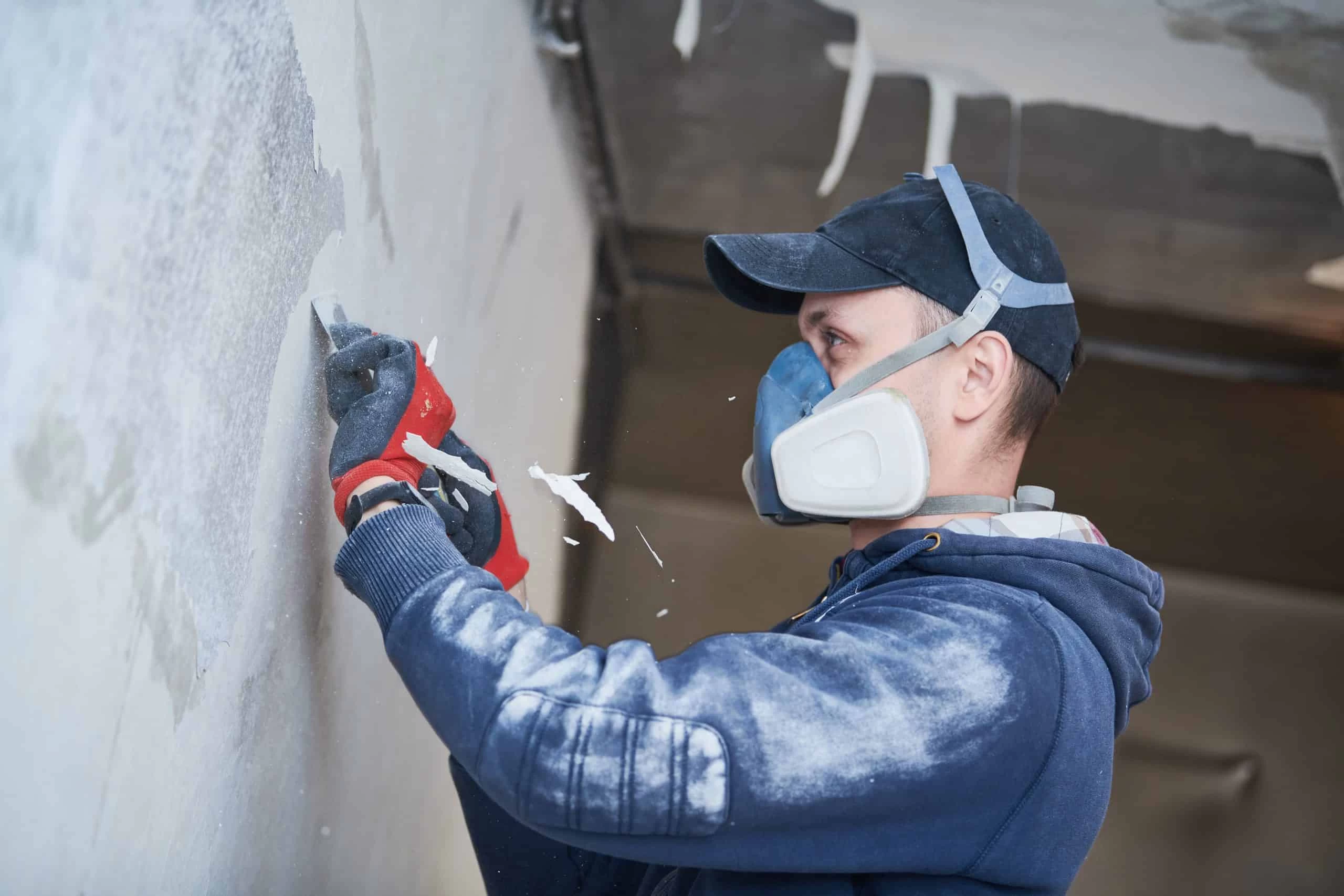
Once the property is stabilized, we move into remediation. Smoke and soot removal, odor neutralization using thermal fogging and HEPA-grade air filtration, and water extraction from firefighting efforts all happen in sequence. In older Empire State buildings, we also test for asbestos and lead before any demolition or structural work begins this is required under NYC and NYS DEP guidelines, and skipping it creates real legal exposure for property owners.
From there, we move into repairs and reconstruction. If the work touches fire-rated partitions, building systems, or structural elements, we coordinate with the NYC Department of Buildings for the required permits. If your building falls within the Murray Hill Historic District or another landmarked area, we factor in Landmarks Preservation Commission requirements before a single wall gets touched. You stay informed at every step, and we don’t close the job until the space is back to pre-fire condition.
Everything Covered, Nothing Handed Off to Someone Else
Fire damage restoration in Empire State covers a wider scope than most people realize until they’re in the middle of it. We handle the full range emergency securing of the property, smoke and soot removal, odor elimination, water damage remediation from firefighting, mold prevention, asbestos and lead abatement in older buildings, structural repairs, and complete reconstruction. That full-scope capability isn’t just convenient. In a building where every day of open scope creates liability for a co-op board or property management company, it’s the only approach that actually protects you.
We work across every property type in the Midtown South corridor: residential high-rises, mixed-use loft conversions, pre-war walk-ups, and newly converted office-to-residential units coming online under the Midtown South Mixed-Use Plan. Each building type carries its own set of challenges different materials, different mechanical systems, different regulatory requirements and our team is equipped for all of them.
Insurance coordination is built into every job. We bill carriers directly, document damage thoroughly, and communicate with adjusters so you’re not stuck playing middleman between your contractor and your insurance company during one of the more stressful events you’ll face as a property owner. If your building has a master policy alongside your individual unit coverage, we know how to navigate that too.
Does fire damage restoration in Empire State require NYC Department of Buildings permits?
In most cases, yes and this is one of the most important things to understand before hiring any contractor for fire restoration work in Empire State. If the restoration involves structural repairs, modifications to fire-rated partitions, or work on building systems like HVAC or electrical, the NYC Department of Buildings requires permits before that work can legally proceed. Contractors who skip this step aren’t saving you time they’re creating compliance violations that can surface during future inspections or when you try to sell or refinance the unit.
Beyond the DOB, the FDNY has jurisdiction over anything that touches fire-rated construction or suppression systems. If your building is in or adjacent to the Murray Hill Historic District, the Landmarks Preservation Commission may also need to sign off before exterior or structural work begins. We handle permit coordination as part of the job you don’t need to manage that process yourself.
How does smoke damage spread in a high-rise building after a fire?
Smoke travels through shared building systems in ways that surprise most property owners in Empire State. In a Manhattan high-rise, smoke from a single unit can move through the HVAC system, elevator shafts, and common corridors and contaminate units on floors that had no direct contact with the fire. This is especially common in older Empire State buildings where ductwork and mechanical systems weren’t designed with modern fire containment in mind.
The practical consequence is that restoration can’t stop at the walls of the affected unit. A thorough assessment needs to account for shared air systems, adjacent units, and common areas. We use HEPA-grade air filtration and thermal fogging to address smoke and soot beyond the immediate fire zone because treating only the visible damage while leaving contaminated air systems in place means the odor and health risks don’t go away. They just move around.
What happens if asbestos or lead paint is found during fire restoration in my Empire State building?
This comes up regularly in Empire State, particularly in pre-war loft buildings and older residential structures throughout Midtown South. Buildings constructed before 1980 commonly contain asbestos insulation and lead-based paint materials that are stable when undisturbed but become a serious health and legal hazard once fire, heat, or demolition disturbs them. Under NYC and NYS DEP regulations, licensed abatement is required before restoration work can continue.
A general contractor without environmental remediation credentials cannot legally perform this work. If your restoration company discovers asbestos or lead and isn’t licensed to handle it, the job stops and you’re now coordinating two separate contractors on a timeline that’s already stressful. We hold the environmental remediation credentials to handle abatement in-house, which keeps the project moving without the gaps and delays that come from contractor hand-offs.
Do I need my co-op board's approval before hiring a fire damage restoration contractor?
This depends on your building’s proprietary lease and house rules, but in most Manhattan co-ops, yes contractors performing work beyond basic cleanup typically need board approval or at minimum need to be registered with building management. Co-op boards in this area often require proof of insurance, licensing documentation, and a detailed scope of work before granting access. Condo buildings have similar requirements through their management companies.
The practical reality is that a restoration company that doesn’t understand this process will create friction at the worst possible time. We’re familiar with the documentation co-op boards and property managers typically require insurance certificates, license verifications, scope letters and we prepare that paperwork proactively so access isn’t delayed. In a building where your neighbors are also affected by the timeline of your restoration, moving quickly through the approval process matters.
How long does fire damage restoration typically take in an Empire State apartment?
The honest answer is that it depends on the scope but most residential fire restoration jobs in Empire State fall somewhere between one week for limited smoke and soot damage and four to eight weeks for jobs involving structural repairs, permit work, or environmental abatement. In this area, the permit coordination piece often adds time that property owners don’t anticipate. DOB permit review timelines vary, and if the work touches fire-rated construction or building systems, you can’t rush that process.
What you can control is how quickly remediation begins. The faster smoke residue, soot, and water damage from firefighting are addressed, the less secondary damage you’re dealing with and secondary damage is what turns a two-week job into a two-month job. Mold can begin developing within 24 to 48 hours in water-affected areas, and smoke odor that penetrates deep into masonry becomes exponentially harder to remove the longer it sits. Calling immediately after the fire is cleared by the FDNY is always the right move.
Does my insurance cover fire damage restoration for a condo or co-op unit in Empire State, NY?
Coverage depends on how your individual policy is structured alongside your building’s master policy and in Empire State, that distinction matters a lot. Most co-op and condo buildings carry a master insurance policy that covers the building’s structure and common areas. Your individual HO-6 policy covers your personal property, interior finishes, and in some cases improvements you’ve made to the unit. Where the two policies meet and which one pays for what is often the source of confusion and delay in fire restoration claims.
The key is having a restoration contractor who can document the damage clearly enough that adjusters from both carriers can assess it accurately. Gaps in documentation are the most common reason claims get disputed or underpaid. We bill insurance directly and build the damage file with adjuster review in mind from the first day on site. If you have questions about what your specific policy covers before the work begins, your insurance broker is the right first call but we can walk you through what we’re seeing on the ground so you go into that conversation informed.