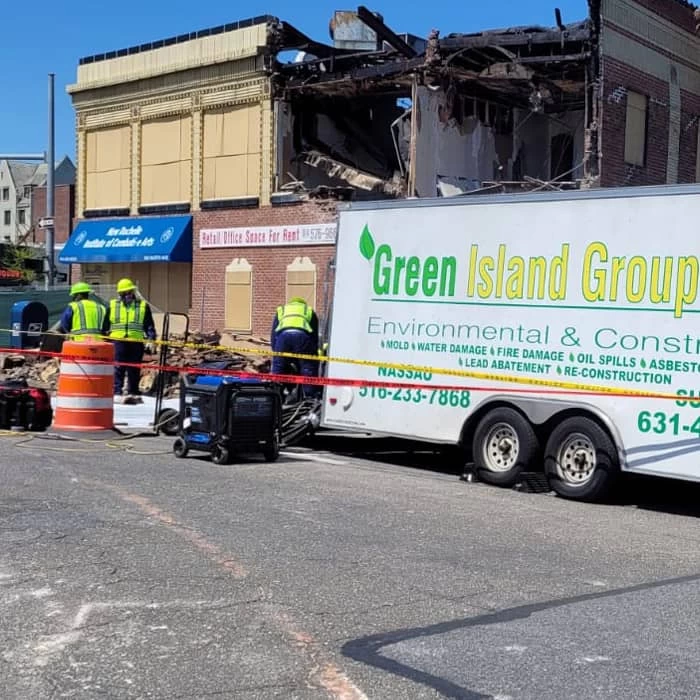
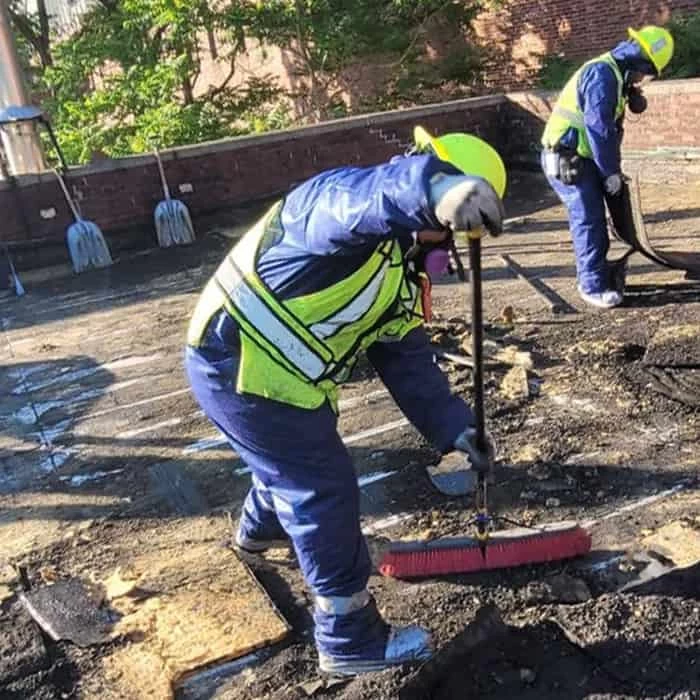
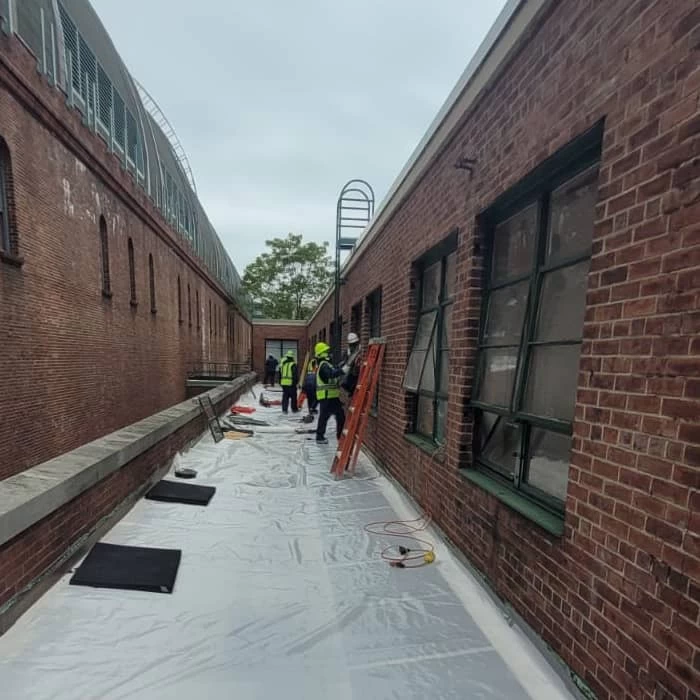
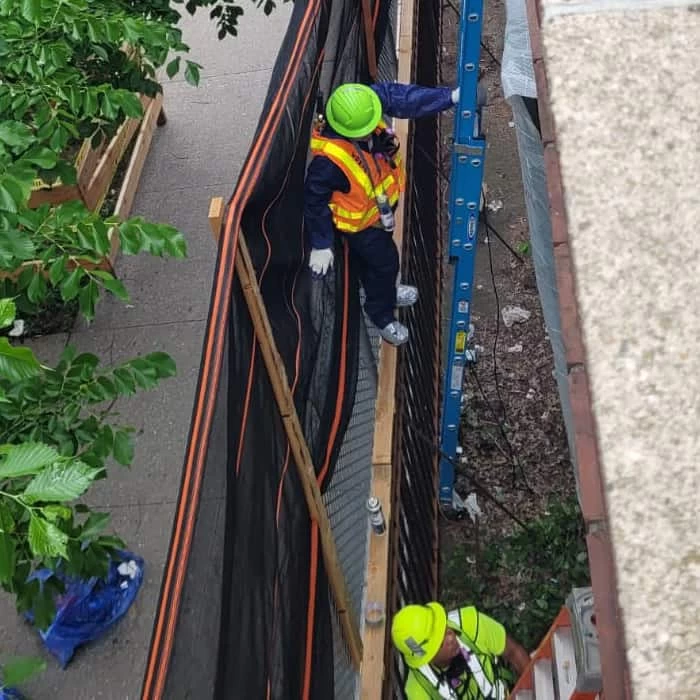
When a fire hits a 50-year-old ranch house in central Suffolk County, the damage runs deeper than what you can see. We handle fire damage restoration in Farmingville, NY from the first emergency call to the final walk-through so you’re not left managing it alone.
I needed a professional consultation explanation of procedure for safe removal of Asbestos in my apartment complex. Without having an account yet, I was very impressed with the caring, knowledgeable and generous advice offered by Jessica, and will look forward to doing business in the future. Thank you so much! I feel much more informed about a sometimes scary endeavor. Peace. Nancy Silva Mineola, NY.
Mia Munoz
Used this company to clean up some water flood in my house. They were fast and easy to work with.very professional, Would recommend to anyone!
Nini Valle
Great company, had a flood and they responded quickly and efficiently. Billed my insurance company directly. I highly recommend this company!
joe colapietro, jr
I had pipe freeze in my basement right before a snow storm and they made to within an hour to help start the clean up process. They we by our side throughout the entire process and even helped with the insurance company. They did such a great job with the cleanup, repair, remidiation, I contracted them to perform the repairs and finishes in the basement. They came with enough manpower and material to get the job done. Leo and Jessica were nothing but a pleasure to deal with!!
Cristian Arredondo c
I had some water damage in my home and Green Island was able to take care of my issue quickly and effectively. I am very pleased with the work they did. They responded quickly and were very professional.
Michael M
Outstanding service! From the office to the field crew everyone was friendly, helpful and responsive. I highly recommend Green Island Group.
A kitchen fire in a Farmingville home looks contained until you realize the smoke traveled through 50-year-old ductwork into every room in the house. Soot starts permanently etching and staining surfaces within 24 to 72 hours. The longer it sits, the more it costs to fix.
Then there’s the water. Fire hoses push roughly 250 gallons per minute, and that water soaks through subfloors, into basement spaces, and behind walls. In a community where the median home was built around 1971 with original insulation, plaster walls, and older hardwood floors that moisture doesn’t just dry on its own. Mold can start within 24 to 48 hours of water intrusion, and in Farmingville’s older housing stock, it spreads fast.
Most homes here were built before 1980, which means asbestos-containing materials are common floor tiles, pipe insulation, ceiling tiles, drywall joint compound. A fire can disturb all of it. You need a restoration team that’s equipped to handle what they find, not one that stops at the visible burn line and hands you a referral list for everything else.
We’re a Long Island-based, independently owned restoration company not a franchise, not a call center routing your job to whoever’s available. When you call, you’re reaching the actual team that will show up at your door in Farmingville.
That matters in a community like this, where residents ask their neighbors who they used and remember who showed up. Our team has worked throughout the Brookhaven area and central Suffolk County, and we understand what Farmingville’s housing stock actually looks like the basements, the aging electrical panels, the materials that were standard in 1971 and are now a liability after a fire.
We’re not done when the visible damage is cleaned up. We’re done when you’re satisfied and we say that in writing.
The first thing we do is assess the full scope of damage not just the burn area. Smoke and soot travel, water spreads, and in Farmingville’s older homes, the hidden damage is often worse than what’s visible. We map moisture, inspect the HVAC system, and identify any environmental hazards like asbestos-containing materials before a single cleanup step begins. In a pre-1980 home, that assessment isn’t optional it’s what keeps the job from becoming a bigger problem halfway through.
From there, we handle emergency stabilization, board-up or tarping if needed, and begin the extraction and drying process immediately. Smoke odor removal, soot cleaning, and air quality work follow in sequence not all at once, not rushed. We document everything as we go, which matters when you’re working through a homeowners insurance claim. We communicate directly with your adjuster and help make sure the scope of work is properly covered, because the gap between what an insurer initially offers and what restoration actually costs is real and common.
Once the remediation is complete, we move into repairs and reconstruction. That includes everything from drywall and flooring to full structural work, permitted through the Town of Brookhaven Building Department as required. You don’t need to find a separate contractor for the rebuild we handle it.
Fire Smoke Damage Restoration Services, Farmingville
Everything a Farmingville Home Actually Needs After a Fire
Fire damage restoration isn’t one service it’s a sequence of interconnected work that has to be done in the right order. We cover the full arc: emergency response, smoke and soot removal, water extraction, structural drying, odor elimination, environmental remediation, mold remediation, and complete reconstruction. For Farmingville homeowners, the environmental piece is especially relevant. Given that most homes here predate 1980, asbestos abatement is often part of the process and it requires New York State Department of Labor certification to perform legally. We hold the required credentials, so that work doesn’t get handed off to an unknown subcontractor.
Smoke odor is one of the most persistent and misunderstood parts of fire damage. It doesn’t just linger in the room where the fire started it penetrates drywall, insulation, wood framing, and HVAC systems. In a Farmingville ranch or hi-ranch with original ductwork, the entire home can be affected even when the visible fire damage is limited to one area. We address odor at the source, not just at the surface, using professional-grade air scrubbing and thermal fogging where needed.
Water damage from firefighting efforts is treated with the same urgency as the fire itself. Suffolk County’s four-season climate means a winter fire in Farmingville can combine burst pipes with suppression water a scenario that demands immediate extraction and drying to prevent mold before it starts. Every step is documented for your insurance claim, and we work directly with your carrier throughout the process.
Does homeowners insurance cover fire damage restoration costs in Farmingville, NY?
In most cases, yes standard homeowners insurance policies cover fire damage restoration, including cleanup, repairs, and temporary housing if your home is uninhabitable. But the process is rarely straightforward. Insurance adjusters work on behalf of the insurer, and their initial damage assessment doesn’t always capture the full scope of what needs to be restored especially in older Farmingville homes where a fire can disturb asbestos-containing materials, saturate original hardwood floors, or spread smoke through decades-old ductwork that wasn’t part of the initial inspection.
What helps most is having a restoration company that documents damage thoroughly and communicates directly with your adjuster throughout the process. We do exactly that. We’ve helped Farmingville-area homeowners navigate the gap between what was initially offered and what the restoration actually required and that gap is often significant. If you’ve never filed a major claim before, having someone in your corner who knows how to present the scope of work correctly makes a real difference in the outcome.
How quickly does fire damage restoration need to start after a house fire?
As fast as possible ideally within the first 24 hours. Soot begins permanently bonding to surfaces within 24 to 72 hours of a fire, and the longer it sits, the more material has to be replaced rather than cleaned. Smoke odor becomes exponentially harder to eliminate once it penetrates porous materials like drywall, insulation, and wood framing. Water from firefighting suppression creates a separate but equally urgent problem: mold can begin growing within 24 to 48 hours of water intrusion, and in Farmingville’s older housing stock, moisture finds its way into spaces that are hard to reach and easy to miss.
Speed also matters for your insurance claim. Prompt, documented response establishes a clear record of the damage as it was before any secondary deterioration occurs. That documentation protects you if there’s any dispute about the scope of loss. The bottom line is that waiting even a day or two costs more in the long run, both in restoration complexity and in what your insurer is willing to cover.
Is it safe to stay in my Farmingville home after a fire while restoration is happening?
It depends on the extent of the damage and what was disturbed during the fire. Smoke and soot contain toxic particles carbon monoxide, formaldehyde, and other combustion byproducts that linger in the air and on surfaces long after the flames are out. In a Farmingville home built before 1980, a fire can also disturb asbestos-containing materials in floor tiles, pipe insulation, or ceiling tiles, releasing fibers that are dangerous to inhale. Until a proper assessment is done and any environmental hazards are identified and contained, staying in the home carries real health risk.
For structural fires or significant smoke damage, most homeowners are better off staying elsewhere during the active remediation phase. Your insurance policy likely includes coverage for additional living expenses hotel, rental, meals while your home is being restored. We can help you understand what your policy covers in that regard. Once remediation is complete and air quality testing confirms the environment is safe, we’ll let you know clearly and directly. We don’t rush that determination.
What does fire damage restoration actually cost for a typical Farmingville home?
The honest answer is that it varies significantly based on the size of the fire, how far smoke and water traveled through the home, and what materials were affected. Smaller, contained fires with limited smoke spread might fall in the $5,000 to $15,000 range. A fire that affects multiple rooms, saturates a basement, or disturbs asbestos-containing materials which is common in Farmingville’s pre-1980 housing stock can run $30,000 to $100,000 or more once full remediation and reconstruction are included.
What matters most for Farmingville homeowners is that the estimate is complete and documented correctly from the start. An incomplete initial estimate that misses secondary damage mold remediation, asbestos abatement, structural repairs can leave you with out-of-pocket costs that your insurer won’t cover after the fact. We provide detailed, itemized assessments that account for the full scope of damage, and we work with your insurance carrier to make sure the claim reflects what the restoration actually requires. No surprises at the end of the job.
Does fire damage in older Farmingville homes create asbestos or mold risks?
Yes, and it’s one of the most important things to understand before any cleanup begins. The median home in Farmingville was built around 1971, which means the majority of the housing stock predates the widespread phase-out of asbestos-containing building materials. Floor tiles, pipe insulation, ceiling tiles, drywall joint compound, and roofing materials from that era commonly contain asbestos. When a fire occurs, the heat and structural disruption can disturb those materials and release fibers. Any contractor performing abatement work in New York State must hold a valid NYSDOL asbestos certification this isn’t optional, and it’s not something a general contractor or fire-only restoration company can legally handle.
Mold is a separate but equally real concern. Firefighting water soaks into subfloors, wall cavities, and basement spaces and in a Farmingville home with original construction materials, that moisture doesn’t dry on its own. Without professional extraction and drying, mold can establish itself within 24 to 48 hours and spread quickly through the structure. Both risks are addressed as part of our restoration process, not as separate projects you have to coordinate on your own after the fact.
How long does full fire damage restoration take for a home in Farmingville?
The timeline depends on the severity of the damage, but a realistic range for most residential fire restoration projects is two to eight weeks for remediation, with reconstruction adding additional time depending on what needs to be rebuilt. A contained kitchen fire with limited smoke spread might be fully restored in two to three weeks. A fire that affects multiple rooms, requires asbestos abatement, involves significant water damage to a finished basement, or requires structural repairs permitted through the Town of Brookhaven Building Department will take longer typically six to twelve weeks from start to finish.
What affects the timeline most in Farmingville specifically is the age of the home. Older construction means more potential for hidden damage, more likelihood of environmental hazards requiring licensed remediation, and more complexity in the rebuild phase when materials need to match or be brought up to current code. We give realistic timelines upfront, not optimistic ones designed to win the job. And because we handle every phase in-house from emergency response through final finishes you’re not waiting on handoffs between multiple contractors while your family is displaced.