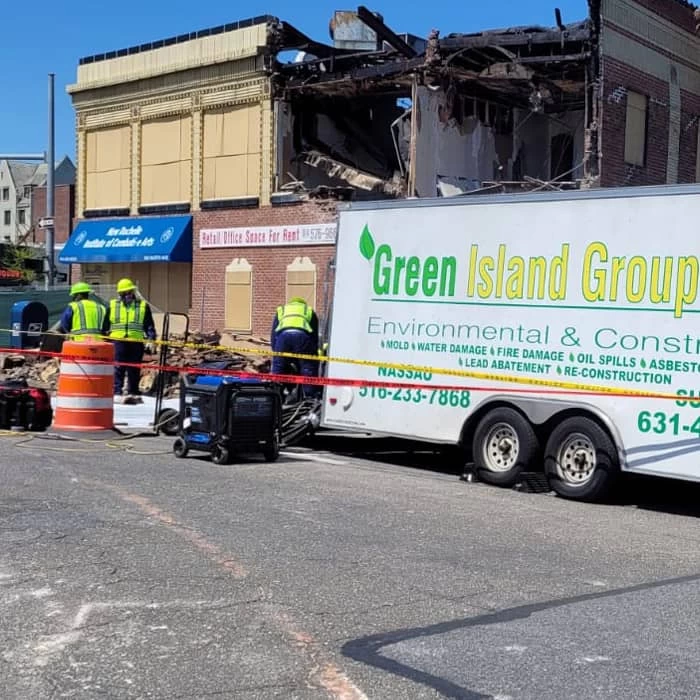
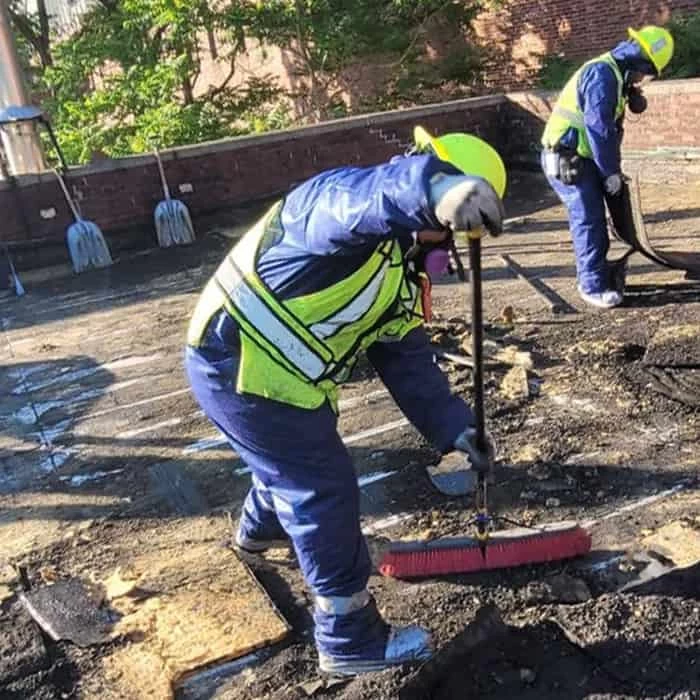
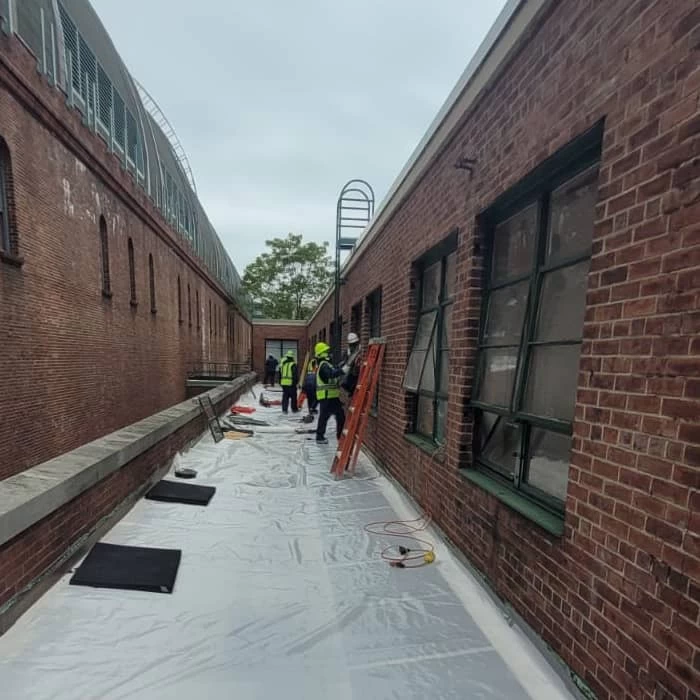
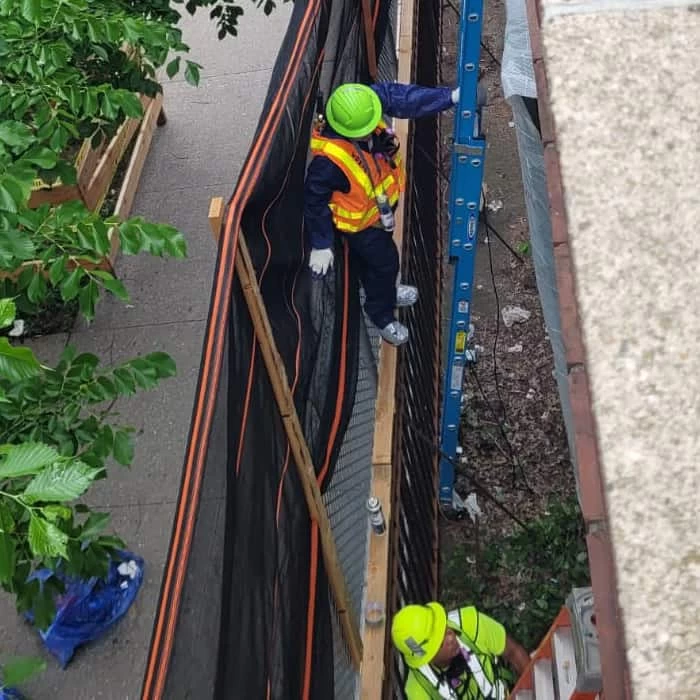
When fire hits one of these mid-century homes off Nassau Boulevard, the damage goes deeper than what you can see. We respond within an hour — and handle everything from smoke cleanup to full reconstruction under one roof.
I needed a professional consultation explanation of procedure for safe removal of Asbestos in my apartment complex. Without having an account yet, I was very impressed with the caring, knowledgeable and generous advice offered by Jessica, and will look forward to doing business in the future. Thank you so much! I feel much more informed about a sometimes scary endeavor. Peace. Nancy Silva Mineola, NY.
Mia Munoz
Used this company to clean up some water flood in my house. They were fast and easy to work with.very professional, Would recommend to anyone!
Nini Valle
Great company, had a flood and they responded quickly and efficiently. Billed my insurance company directly. I highly recommend this company!
joe colapietro, jr
I had pipe freeze in my basement right before a snow storm and they made to within an hour to help start the clean up process. They we by our side throughout the entire process and even helped with the insurance company. They did such a great job with the cleanup, repair, remidiation, I contracted them to perform the repairs and finishes in the basement. They came with enough manpower and material to get the job done. Leo and Jessica were nothing but a pleasure to deal with!!
Cristian Arredondo c
I had some water damage in my home and Green Island was able to take care of my issue quickly and effectively. I am very pleased with the work they did. They responded quickly and were very professional.
Michael M
Outstanding service! From the office to the field crew everyone was friendly, helpful and responsive. I highly recommend Green Island Group.
Most people don’t realize the fire itself is only the first problem. The moment it’s out, the clock starts on everything else — acidic soot bonding to your walls and trim, smoke working its way through every duct and cavity in the house, and the water used to put the fire out quietly setting the stage for mold. In a Garden City South home built in the 1950s or 60s, which describes most of the neighborhood, that timeline is even tighter. Older construction means less airtight framing, which means smoke travels faster and farther than it would in a newer build.
There’s also the hazardous materials side of things that most restoration companies don’t bring up until it’s already a problem. Homes in Garden City South built before 1980 very likely have asbestos in the floor tiles, pipe insulation, or ceiling materials. Homes built before 1978 almost certainly have lead paint somewhere. A fire disturbs all of it. If your contractor isn’t licensed to handle asbestos and lead, the job stops the moment those materials are found — and you’re left scrambling to find someone who can legally continue the work.
Getting a certified, fully licensed team on-site fast doesn’t just protect your home. It protects your insurance claim, your family’s health, and the equity you’ve built in a property that, in this neighborhood, is worth close to seven figures.
Licensed Fire Restoration Service Garden City South
One Company, Every License That Actually Matters in Garden City South
We’re a locally owned restoration company based in Suffolk County, serving all of Nassau County — including Garden City South and the surrounding communities like Franklin Square, Stewart Manor, and West Hempstead. We hold a Nassau County General Contractor license, which means we can take a fire-damaged home all the way from emergency response to finished reconstruction without handing you off to a second contractor mid-project.
We’re IICRC-certified for fire and smoke damage restoration and water damage restoration — the credentials that insurance adjusters working Nassau County claims actually recognize. We also hold a NYS DOL Asbestos License, NYS DOL Mold License, and USEPA Lead/RRP certification. For a community like Garden City South where most homes were built during the postwar building boom, those aren’t optional credentials. They’re the difference between a project that moves forward and one that gets shut down at the worst possible moment.
Over 5,000 completed restoration projects across New York State. Available 24 hours a day, seven days a week, with a one-hour on-site response that customers have confirmed in their own reviews.
The first step is getting someone to your property fast. When you call us, a certified technician is on-site within an hour. That first visit isn’t just a look around — it’s a full damage assessment that documents everything for your insurance claim from the start. Scope, photos, affected materials, air quality readings. All of it captured before anything is touched.
From there, our team begins emergency stabilization — boarding up openings, tarping the roof if needed, and starting water extraction if firefighting water is still present in the structure. In Garden City South’s older homes, this step often uncovers what needs to happen next: whether asbestos-containing materials have been disturbed, whether lead paint is involved, and what the mold risk looks like given how much water the structure absorbed. Because we hold the NYS DOL licenses for both asbestos and mold, we can address those findings on the spot rather than stopping the project to bring in a separate contractor.
Once the structure is stabilized and any hazardous materials are properly handled, the remediation phase begins — soot and smoke removal, HVAC decontamination, odor neutralization, and structural drying. After that, reconstruction starts. Town of Hempstead building permits are pulled, inspections are scheduled, and the rebuild is managed from start to finish. You deal with one company, one point of contact, and one insurance claim — not a relay race between vendors.
Fire and Smoke Damage Restoration Service Garden City South
Every Layer of Damage Addressed, Not Just the Obvious Ones
Fire damage restoration isn’t a single service — it’s a sequence of them, and cutting any one short creates a problem down the road. Our fire restoration work covers emergency response and stabilization, full structural drying and water extraction, soot and smoke removal, HVAC and ductwork decontamination, odor elimination, asbestos and lead abatement where required, mold prevention and remediation, and complete structural reconstruction. All of it handled in-house, under the same Nassau County General Contractor license.
One thing worth knowing for Garden City South specifically: if your home is heated by oil — and a large share of homes in this neighborhood are — puff-back damage is its own category of problem. When an oil burner malfunctions and backfires, oily black soot gets pushed through the entire HVAC system in seconds. It’s not like dry fire soot. It smears when you touch it, penetrates porous surfaces deeply, and cannot be cleaned with standard household products. Our technicians are trained to handle puff-back remediation specifically, including full ductwork cleaning, which is a different process than standard smoke cleanup.
The insurance piece is also fully managed. We document the damage to insurance-standard specifications, bill the carrier directly, and work through the claims process alongside you. You’re not handed a form and left to figure out what your policy covers.
What should I do immediately after a house fire in Garden City South, NY?
The most important thing you can do in the first hour is call a certified restoration company — not start cleaning. Touching soot before it’s properly assessed can actually spread it deeper into surfaces and make the damage worse. The same goes for running your HVAC system, which will push smoke particles into every room in the house if it hasn’t been shut down and assessed first.
Once we’re on-site, we’ll handle the documentation your insurance company needs, begin stabilizing the structure, and assess whether any hazardous materials have been disturbed — which is a real consideration in Garden City South given the age of most homes here. The Nassau County Fire Marshal’s Office may also need to complete their investigation before restoration work can begin, so having a licensed contractor who understands that process and can coordinate around it saves you time and prevents missteps that could affect your claim.
Does homeowner's insurance cover fire and smoke damage restoration costs?
In most cases, yes — a standard homeowner’s insurance policy covers fire damage, smoke damage, and the cost of restoration and reconstruction. But what actually gets paid depends heavily on how the damage is documented. Adjusters work for the insurance company, not for you, and scope items that aren’t properly documented often don’t make it into the final claim.
We document everything to insurance-standard specifications from the moment we arrive — photos, moisture readings, scope of affected materials, and written assessments for every phase of the work. We bill the carrier directly and have worked through Nassau County claims enough times to know how to present damage in a way that holds up. For Garden City South homeowners carrying significant equity in older homes, the difference between a well-documented claim and a poorly documented one can be tens of thousands of dollars.
Does a fire in an older Garden City South home require asbestos testing before restoration?
If your home was built before 1980 — which covers the majority of homes in Garden City South — there’s a real possibility that asbestos-containing materials are present somewhere in the structure. Floor tiles, pipe insulation, ceiling tiles, and joint compound were all commonly made with asbestos during the era when most homes here were built. A fire can disturb those materials, and in New York State, only a contractor holding a NYS DOL Asbestos License can legally perform abatement and continue restoration work on a property where asbestos has been identified.
This is one of the most common points where fire restoration projects stall. A company that doesn’t hold the asbestos license has to stop work and bring in a licensed subcontractor, which delays the project, adds cost, and creates gaps in accountability. We hold the NYS DOL Asbestos License and handle abatement in-house, so the project doesn’t stop when asbestos is found. It just moves to the next step.
How long does fire damage restoration typically take from start to finish?
The honest answer is that it depends on the scope of damage, but most fire restoration projects break into two phases with different timelines. The remediation phase — soot removal, smoke cleanup, water extraction, HVAC decontamination, and hazardous materials abatement if needed — typically takes anywhere from a few days to a couple of weeks depending on how much of the home was affected. The reconstruction phase, which covers structural repairs and finishing work, takes longer and depends on the extent of the damage.
For homes in Garden City South, the Town of Hempstead permitting process is part of the reconstruction timeline. Building permits are required for structural work, and inspections need to be scheduled through the Town of Hempstead Building Department. We manage the permit process as part of the project — pulling permits, coordinating inspections, and keeping the work moving within the Town’s requirements. Having a contractor who already knows that process eliminates one of the most common sources of delay.
What is puff-back damage, and how is it different from regular fire smoke damage?
A puff-back happens when an oil burner malfunctions and backfires, forcing a burst of unburned fuel and soot back through the heating system and into the living space. It happens in seconds, and the soot it produces is oily — which makes it a completely different cleanup problem than the dry soot left by a standard fire. Oily soot smears when you wipe it, penetrates porous surfaces like drywall, upholstery, and insulation, and cannot be cleaned with household products without making the damage worse.
Because Long Island has one of the highest concentrations of oil-heated homes in the country, and because Garden City South’s mid-century housing stock is heavily oil-dependent, puff-back is a relatively common call for restoration companies working in this area. Our technicians are specifically trained for puff-back remediation, which includes full HVAC ductwork cleaning in addition to surface decontamination. If you’ve had a puff-back and the soot has already been smeared around during a DIY cleanup attempt, it’s still worth calling — the damage is recoverable, but it does need professional equipment and technique to address properly.
Can smoke odor be fully eliminated, or will it linger even after restoration?
Smoke odor can be fully eliminated when the restoration is done correctly — but it requires more than surface cleaning and an air freshener. The odor comes from smoke particles that have embedded into porous materials: drywall, insulation, wood framing, flooring, HVAC ductwork, and contents throughout the home. If those materials aren’t properly cleaned, treated, or replaced where necessary, the smell returns — especially in humid conditions, which are common on Long Island during summer months.
Professional odor elimination uses a combination of HEPA air scrubbers, thermal fogging, hydroxyl generators, and in some cases ozone treatment, depending on the severity and the materials involved. HVAC decontamination is a non-negotiable part of this process — if the ductwork isn’t cleaned, the system will continue circulating odor-carrying particles every time it runs. In Garden City South’s older homes, where ductwork may run through wall cavities and hard-to-access areas, a thorough inspection of the system is part of what we include in the smoke remediation scope. The goal isn’t masking the smell. It’s removing what’s causing it.