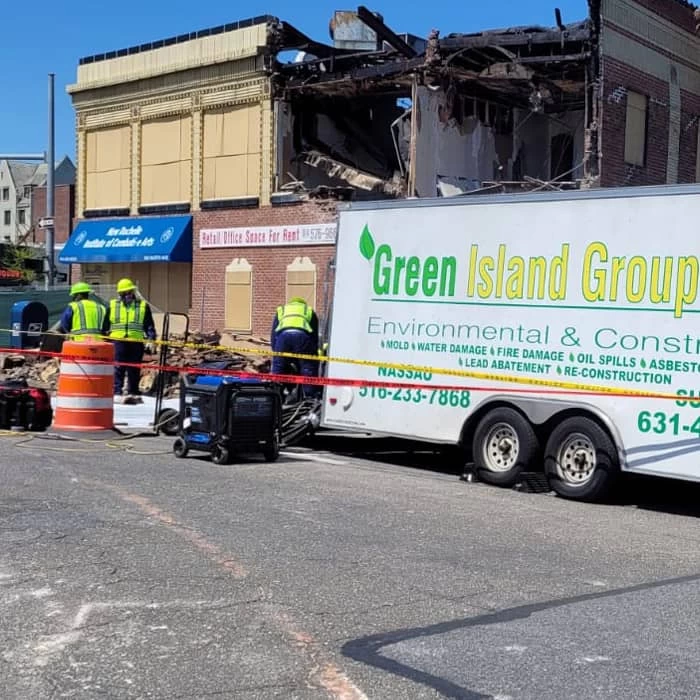
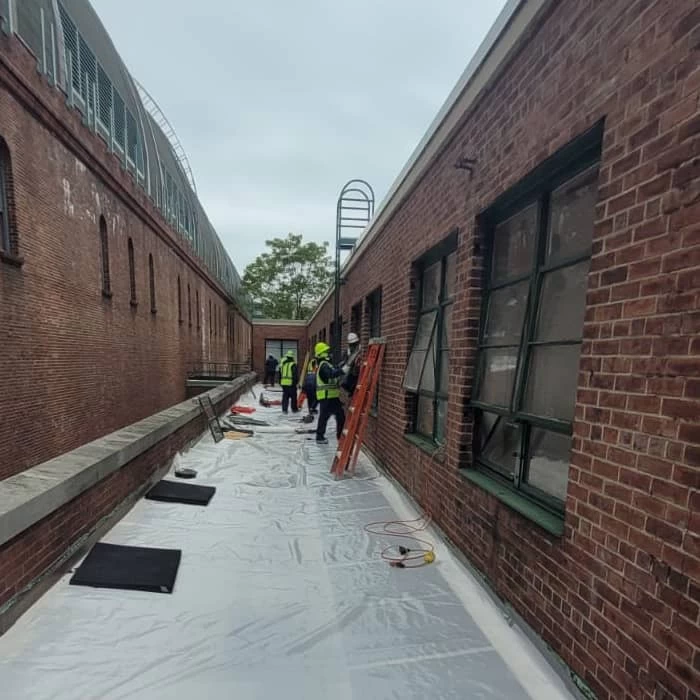
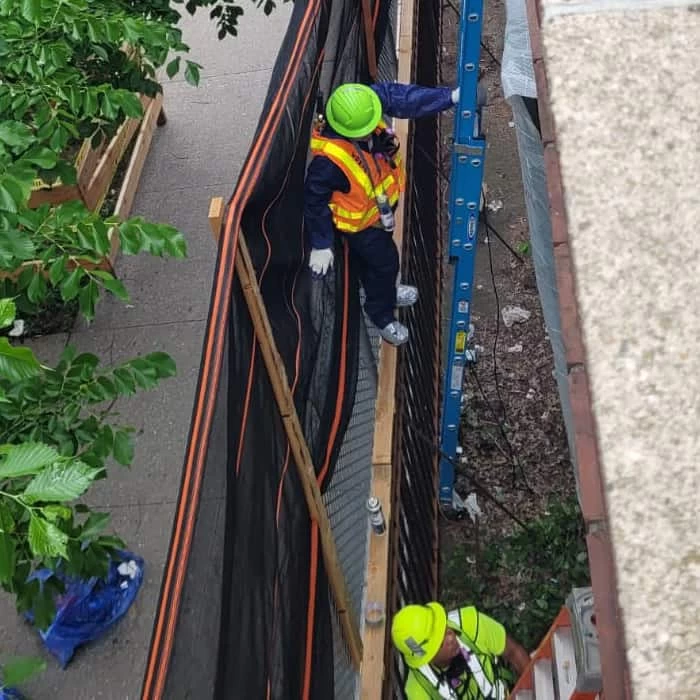
From the night of the fire to the day you walk back in — Green Island Group handles fire damage restoration in Glen Head from emergency response through full reconstruction, under one roof.
I needed a professional consultation explanation of procedure for safe removal of Asbestos in my apartment complex. Without having an account yet, I was very impressed with the caring, knowledgeable and generous advice offered by Jessica, and will look forward to doing business in the future. Thank you so much! I feel much more informed about a sometimes scary endeavor. Peace. Nancy Silva Mineola, NY.
Mia Munoz
Used this company to clean up some water flood in my house. They were fast and easy to work with.very professional, Would recommend to anyone!
Nini Valle
Great company, had a flood and they responded quickly and efficiently. Billed my insurance company directly. I highly recommend this company!
joe colapietro, jr
I had pipe freeze in my basement right before a snow storm and they made to within an hour to help start the clean up process. They we by our side throughout the entire process and even helped with the insurance company. They did such a great job with the cleanup, repair, remidiation, I contracted them to perform the repairs and finishes in the basement. They came with enough manpower and material to get the job done. Leo and Jessica were nothing but a pleasure to deal with!!
Cristian Arredondo c
I had some water damage in my home and Green Island was able to take care of my issue quickly and effectively. I am very pleased with the work they did. They responded quickly and were very professional.
Michael M
Outstanding service! From the office to the field crew everyone was friendly, helpful and responsive. I highly recommend Green Island Group.
Most people dealing with fire damage don’t just have a cleanup problem. They have a materials problem, a permit problem, an insurance problem, and a timeline problem — all at once. The goal isn’t just to make things look clean. It’s to make your home safe, legal, and fully livable again.
Glen Head’s housing stock is older — the average home here is around 50 years old, which means a significant portion of the hamlet’s homes were built when asbestos-containing materials were standard. Pipe insulation, floor tiles, ceiling tiles, joint compound — these materials are common in pre-1980 construction, and fire disturbs them. A restoration company that isn’t NYS DOL licensed for asbestos can’t legally complete the job. That’s not a technicality. It’s the difference between a home that passes inspection and one that doesn’t.
There’s also the water issue. The water used to put out a fire in your Glen Head home starts generating mold within 24 to 48 hours, and older wood-frame homes with original insulation absorb that moisture fast. When fire restoration is handled correctly, the water damage is addressed at the same time — not discovered three months later when you’re already back in the house.
Licensed Fire Restoration Contractor, Glen Head NY
One Company Handles It All — No Handoffs
We’re a Long Island-based restoration and environmental services company that handles fire damage from the first call through the final inspection. That means emergency response, hazardous materials remediation, structural demolition, and full licensed reconstruction — all with one company, one point of contact, and one consistent crew.
What separates us from most companies you’ll find online is the licensing. We hold a General Contractor license in Nassau County, NYS DOL licenses for asbestos and mold remediation, USEPA Lead and RRP certification, and IICRC certification for fire and smoke damage restoration. For a community like Glen Head — where homes are older, property values are high, and the Town of Oyster Bay has specific permitting requirements — that combination of credentials isn’t just a differentiator. It’s what makes the job legally completable.
We’ve completed over 5,000 restoration projects across New York State, including homes throughout Nassau County’s North Shore with the exact age, construction type, and complexity that Glen Head properties present.
The first step is emergency stabilization. We’re available 24 hours a day, 365 days a year, and commit to being on-site within one hour. That response time matters because every hour of delay allows acidic soot to bond deeper into surfaces, smoke to migrate further through your HVAC system and wall cavities, and firefighting water to begin generating mold. The faster the response, the more of your home that can actually be saved.
Once on-site, our team documents everything to insurance-standard specifications — photos, moisture readings, air quality testing, and a full scope of damage. This documentation is what drives a fair insurance settlement, and we handle it directly with your adjuster so you’re not left navigating it alone. For Glen Head homeowners with properties valued near $900,000, getting the full scope of the claim right is not a minor detail.
From there, the work moves through hazardous materials testing and remediation (asbestos, lead, mold where present), structural drying and water extraction, demolition of unsalvageable materials, and full reconstruction under our Nassau County General Contractor license. Because Glen Head falls under the Town of Oyster Bay Building Division — not the Town of Hempstead — the permitting process here has specific requirements, including a cost-estimate letter from a licensed architect or engineer before a reconstruction permit is issued. We know that process and manage it on your behalf.
Every License the Job Actually Requires, Already in Hand
Fire damage restoration in Glen Head isn’t a single-trade job. It involves emergency response, smoke and soot removal, water extraction, hazardous materials remediation, structural assessment, permitting, and full reconstruction. We cover every phase — which means you’re not coordinating between a cleanup company, a remediation contractor, and a separate general contractor while you’re displaced from your home.
The smoke and soot work alone requires understanding what type of fire produced what type of residue. Dry combustion soot behaves differently from the oily, petroleum-based soot left behind by an oil burner puff-back — and Long Island has one of the highest concentrations of oil-heated homes in the country. Glen Head’s older housing stock is no exception. Treating puff-back soot the wrong way doesn’t clean it — it smears it, spreading contamination further. Our IICRC-certified technicians know the difference and treat each type of damage with the right chemistry and equipment.
For homes where asbestos or lead is present — which is a realistic probability in any Glen Head home built before 1980 — our NYS DOL Asbestos License and USEPA Lead and RRP certification mean the work is handled legally, safely, and in a way that your insurance company will recognize. We also bill insurance directly and have guided hundreds of Long Island families through the claims process from start to finish.
Does homeowners insurance cover fire damage restoration in Glen Head, NY?
In most cases, yes — standard homeowners insurance policies cover fire damage, including smoke damage, soot cleanup, water damage from firefighting efforts, and structural repairs. The more important question is whether you’re getting the full scope of what your policy actually covers, because insurance adjusters work for the insurance company, not for you.
For Glen Head homeowners, this matters more than it might in other areas. With median property values near $900,000 and homes that often contain older materials requiring specialized remediation — asbestos, lead, oil-heat soot — the cost of a thorough, code-compliant restoration is real. We document every element of the damage to insurance-standard specifications and communicate directly with your adjuster throughout the process. The goal is to make sure nothing legitimate gets left off the claim.
How quickly does fire damage need to be addressed before it gets worse?
The short answer is immediately. Smoke and soot are acidic, and they begin bonding permanently to walls, ceilings, and surfaces within hours of a fire. The longer they sit, the more surface area they penetrate and the more expensive the restoration becomes. Firefighting water compounds this — mold can begin developing within 24 to 48 hours in wet structural materials, and older wood-frame homes like many in Glen Head absorb that moisture quickly.
There’s also the issue of smoke migration. Smoke doesn’t stay in the room where the fire occurred. It travels through HVAC ductwork, wall cavities, and ceiling gaps — which means rooms that look untouched may still have odor and contamination problems that show up later if not addressed early. That’s why we prioritize being on-site within one hour of your call, any time of day or night.
Do I need a permit to repair fire damage to my home in Glen Head?
Yes, and the permitting process in Glen Head has a specific requirement worth knowing. Because Glen Head falls under the Town of Oyster Bay Building Division — not the Town of Hempstead, which governs most of Nassau County — fire damage reconstruction here requires a cost-estimate letter signed by a licensed architect or engineer before a building permit will be issued. This is an explicit Town of Oyster Bay requirement, and it means you can’t simply start rebuilding without going through that process first.
On top of that, any contractor performing residential work in Glen Head needs a Nassau County Home Improvement License and must carry proper insurance. We hold both, along with our Nassau County General Contractor license, which qualifies us to manage the Town of Oyster Bay permit process on your behalf. We handle the paperwork and the professional coordination so you’re not trying to navigate municipal requirements while you’re also dealing with displacement and an insurance claim.
My Glen Head home is older — does that affect the fire restoration process?
It does, and it’s one of the most important things to understand before you hire anyone. The average home in Glen Head is approximately 50 years old, which places most of the hamlet’s housing inventory in the pre-1980 construction era. Homes built before 1980 have a high likelihood of containing asbestos-containing materials — pipe insulation, vinyl floor tiles, ceiling tiles, joint compound, and certain roofing components. Homes built before 1978 carry a lead paint risk. Fire and the demolition work that follows disturb these materials, and handling them requires a NYS DOL Asbestos License and USEPA Lead and RRP certification.
This is not a minor regulatory detail. A contractor without these licenses cannot legally complete the remediation work in your home, and performing that work without proper licensing can create liability issues that affect your insurance claim and your ability to resell the property. We hold both credentials and have worked in homes throughout Nassau County’s North Shore with exactly this construction profile.
What's the difference between fire damage cleanup and full fire damage restoration?
Cleanup refers to removing debris, soot, and odor from surfaces that are still structurally sound. Restoration goes further — it means returning your home to its pre-fire condition, including structural repairs, drywall replacement, flooring, electrical, plumbing, painting, and any other trade work required to make the home fully livable again. Many companies that advertise fire damage services only handle the cleanup phase and stop there, leaving you to find a separate general contractor for everything else.
For a Glen Head homeowner, that handoff creates real problems. You’re now managing two separate companies, two separate timelines, and two separate insurance documentation processes — while potentially displaced from your home. We hold a General Contractor license in Nassau County and handle the full scope of restoration, from the night of the fire through the final walk-through. One company, one contract, one point of contact the entire way through.
How do I know if a fire restoration company in Glen Head is actually qualified to do the work?
The credentials to ask for are specific. For fire and smoke restoration, look for IICRC certification — specifically the Fire and Smoke Restoration Technician (FSRT) designation. This is the industry’s ANSI-accredited standard, and it’s what insurance companies recognize when reviewing restoration documentation. For a Glen Head home with older construction, you also need to confirm the contractor holds a NYS DOL Asbestos License and USEPA Lead and RRP certification, because both are legally required to handle the hazardous materials that are commonly disturbed during fire restoration in pre-1980 homes.
Beyond certifications, verify that the contractor holds a Nassau County Home Improvement License and carries proper liability insurance — both required for residential work in the Town of Oyster Bay. It’s also worth checking whether they hold a General Contractor license for Nassau County, because if your home needs structural reconstruction, a company without that license will have to hand the job off mid-project. We hold every one of these credentials, which is why we’re able to take a Glen Head fire restoration from the first emergency call to the final permitted inspection without bringing in outside contractors.