When Fire Hits a Glendale Rowhouse, the Damage Runs Deeper Than What You See
When fire hits a wood-frame rowhouse off Myrtle Avenue in Glendale, the damage runs deeper than what you can see. We handle fire damage restoration in Glendale, NY from the char on the surface to the smoke buried in the walls.
I needed a professional consultation explanation of procedure for safe removal of Asbestos in my apartment complex. Without having an account yet, I was very impressed with the caring, knowledgeable and generous advice offered by Jessica, and will look forward to doing business in the future. Thank you so much! I feel much more informed about a sometimes scary endeavor. Peace. Nancy Silva Mineola, NY.
Mia Munoz
Used this company to clean up some water flood in my house. They were fast and easy to work with.very professional, Would recommend to anyone!
Nini Valle
Great company, had a flood and they responded quickly and efficiently. Billed my insurance company directly. I highly recommend this company!
joe colapietro, jr
I had pipe freeze in my basement right before a snow storm and they made to within an hour to help start the clean up process. They we by our side throughout the entire process and even helped with the insurance company. They did such a great job with the cleanup, repair, remidiation, I contracted them to perform the repairs and finishes in the basement. They came with enough manpower and material to get the job done. Leo and Jessica were nothing but a pleasure to deal with!!
Cristian Arredondo c
I had some water damage in my home and Green Island was able to take care of my issue quickly and effectively. I am very pleased with the work they did. They responded quickly and were very professional.
Michael M
Outstanding service! From the office to the field crew everyone was friendly, helpful and responsive. I highly recommend Green Island Group.
A fire leaves two kinds of damage: what you can see and what you can’t. The visible stuff charred framing, burned cabinets, scorched walls is obvious. What catches people off guard is everything else. Smoke moves through wall cavities, seeps into HVAC systems, and settles into surfaces that look completely fine from the outside. In Glendale’s semi-attached rowhouses, where shared walls connect your home to your neighbor’s, that smoke doesn’t always stay on your side.
The homes along and around Myrtle Avenue are beautiful, but they’re old. Most were built in the early 1900s, which means wood-frame construction, older electrical systems, and materials that weren’t designed with modern fire codes in mind. That age also means asbestos insulation and lead paint are realistic possibilities the moment any structural work begins. A restoration company that doesn’t account for that isn’t doing the full job they’re just doing the visible part.
What you actually want after a fire is to walk back into your home and have it feel right again. No smoke smell. No lingering soot. No permit violations waiting to surface six months later. That’s the outcome and getting there takes a process that goes well beyond surface cleaning.
We serve Glendale and the surrounding Community Board 5 neighborhoods Middle Village, Ridgewood, Maspeth, and beyond. This isn’t a national franchise routing calls through a call center. We’re a local operation that knows the difference between a pre-war rowhouse on 80th Street and a newer detached home near Atlas Park, and we know that those two properties need to be handled differently after a fire.
Working in Glendale means understanding the NYC Department of Buildings permit process, knowing when an asbestos survey is required before demolition work starts, and knowing how to document a claim in a way that holds up with your insurance adjuster. That combination local knowledge plus regulatory fluency is what separates a complete restoration from one that creates new headaches down the road.
When you’re dealing with a fire-damaged home in Glendale, you don’t need a company that’s learning on the job. You need one that’s already done this here.
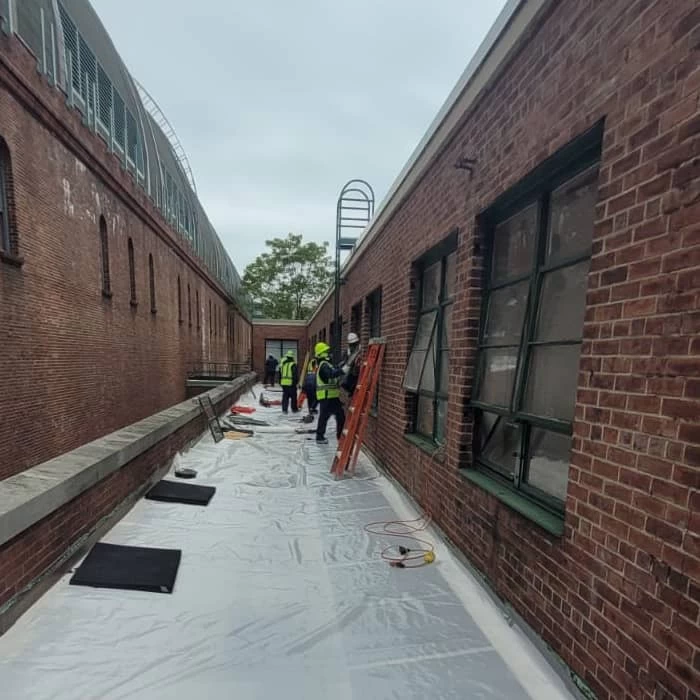
The first priority is stopping the damage from getting worse. After a fire, water from firefighting soaks into floors and walls, and an unsecured structure is exposed to weather and further deterioration. We respond quickly to Glendale boarding up openings, tarping the roof if needed, and beginning water extraction before secondary damage compounds the original loss.
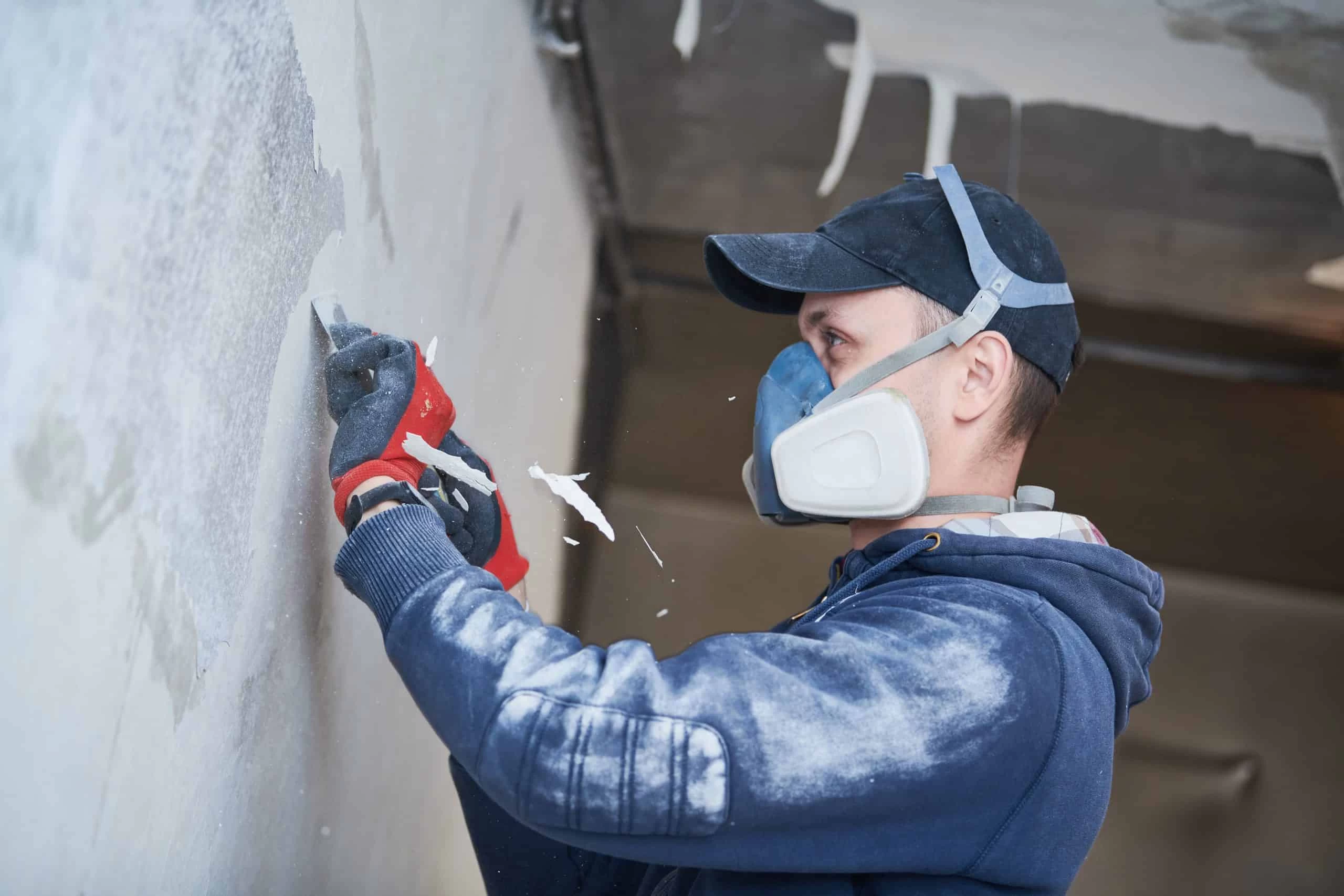
Once the structure is stabilized, the real assessment begins. In Glendale’s older housing stock, that means more than a visual walkthrough. It means checking wall cavities for smoke infiltration, testing surfaces for soot penetration, and in pre-1980 homes, which describes a large portion of the neighborhood determining whether asbestos-containing materials or lead paint were disturbed during the fire or the firefighting effort. If they were, licensed abatement has to happen before restoration work can proceed. That’s not optional under NYC DEP regulations, and any contractor who skips it is putting you at risk.
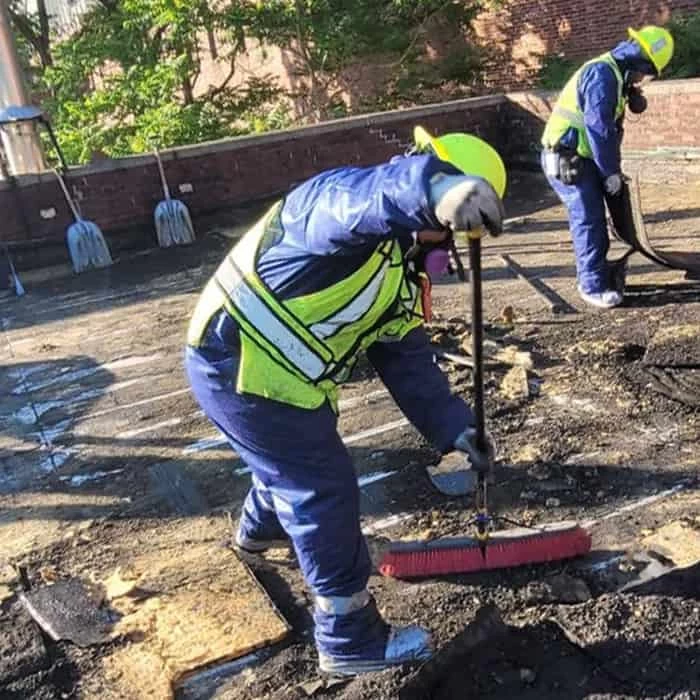
From there, the process moves through structural repair, smoke and odor remediation, content cleaning, and final inspection. Throughout, we manage the documentation your insurance carrier needs itemized damage assessments, permit filings with the NYC DOB, and the paper trail that supports a complete claim rather than a minimized one. You get one point of contact from the first call to the final walk-through.
Fire damage restoration in Glendale covers a lot of ground, and the specifics of this neighborhood matter. The wood-frame, semi-attached construction common throughout Middle and Lower Glendale means smoke travels through shared wall cavities in ways it simply doesn’t in detached or modern construction. Full remediation here means treating those cavities not just the rooms where the fire burned.
Smoke odor is one of the most persistent problems after a fire, and it’s one of the most commonly mishandled. Surface cleaning alone doesn’t eliminate it. We use thermal fogging, hydroxyl generators, and ozone treatment to break down odor at the molecular level the kind of treatment that actually holds up weeks later when the house has been closed up for a few days. For Glendale homeowners with oil-fired boilers, puff-back events when a boiler misfires and coats your home’s interior in fine, oily soot require the same full remediation process as smoke damage from a structural fire, and that’s included in the scope of what we handle.
On the documentation side, every restoration project in Glendale involves NYC DOB permit coordination, insurance claim support, and where the building’s age warrants it asbestos survey coordination and licensed abatement. These aren’t add-ons. In a pre-war neighborhood like this one, they’re part of doing the job correctly.
Can I stay in my Glendale home after a fire while repairs are being done?
In most cases, no at least not immediately. After a fire, air quality inside the home is a real concern. Soot particles and smoke byproducts linger in the air and on surfaces long after the flames are out, and in older Glendale homes where asbestos or lead paint may have been disturbed, the risk is compounded. The NYC Department of Buildings may also issue a vacate order if the fire caused structural damage, which legally prevents re-occupancy until repairs are inspected and cleared.
The timeline for when you can return depends on the severity of the damage and how quickly remediation and structural work can be completed. We work to move through the process efficiently, but cutting corners to speed up re-occupancy isn’t something we do especially in a pre-war building where hidden hazards are a genuine possibility. Your insurance policy likely includes additional living expense (ALE) coverage to help with temporary housing costs while restoration is underway. If you’re unsure what your policy covers, that’s a conversation worth having early.
How does fire damage restoration work with my homeowners insurance claim?
The short version: your insurance adjuster will assess the damage and determine what’s covered under your policy. The longer version is that the adjuster’s initial assessment doesn’t always capture the full scope of damage especially in older Glendale homes where smoke has penetrated wall cavities, soot has settled into HVAC systems, or where hazardous materials like asbestos have been disturbed and require licensed abatement before structural repairs can begin.
We prepare itemized damage assessments that document everything visible fire damage, smoke and soot infiltration, water damage from firefighting, and any secondary damage that developed after the initial event. That documentation is what supports a complete claim rather than a minimized one. We work directly with your adjuster throughout the process, and we’re familiar with the documentation standards that major carriers operating in Queens County expect. The goal is to make sure your claim reflects the actual cost of a proper restoration, not just the surface-level damage that was obvious on day one.
Does fire damage restoration in Glendale require permits from the city?
Yes, in most cases. Any structural repair following fire damage in New York City requires permits from the NYC Department of Buildings. That includes work on load-bearing walls, electrical systems, plumbing, and HVAC all of which are commonly affected in a significant fire. Contractors performing this work must be licensed Home Improvement Contractors under NYC and New York State law.
In Glendale specifically, the age of the housing stock adds another layer. Pre-1980 homes which make up a large portion of the neighborhood are subject to NYC DEP regulations around asbestos and lead paint. Before any demolition or disturbance of pre-war materials can begin, an asbestos survey is required. If asbestos-containing materials are found, licensed abatement has to happen before restoration work proceeds. We manage all of this permit applications, required inspections, asbestos survey coordination so you’re not left navigating city agencies on your own while you’re already dealing with a displaced household.
What's the difference between smoke damage and soot damage, and does it matter?
It matters more than most people realize. Smoke is the gas it moves fast, travels far, and penetrates porous materials like drywall, insulation, wood framing, and fabric. Soot is the residue that smoke leaves behind a fine, oily or dry particulate that settles on surfaces and, if not treated correctly, can permanently stain or corrode them. Both cause damage, and both require different approaches to remediate properly.
In Glendale’s older rowhouses, smoke infiltration is a particular concern because the construction style wood framing, shared wall cavities, older insulation gives smoke more pathways to travel. It’s common to find smoke damage in rooms that weren’t anywhere near the fire, including in neighboring units of semi-attached homes. Soot, meanwhile, can cause permanent etching on surfaces like countertops, fixtures, and painted walls within 72 hours if it isn’t treated. That’s part of why the timeline matters the longer soot sits, the more damage it does, and the more expensive the restoration becomes.
How do I know if my Glendale home has asbestos that could be disturbed during fire restoration?
If your home was built before 1980, there’s a realistic chance it contains asbestos-containing materials somewhere. In Glendale, where much of the housing stock dates to the early 1900s, that’s not a rare edge case it’s a common reality. Asbestos was used in pipe insulation, floor tiles, ceiling tiles, roofing materials, and certain types of drywall joint compound. A fire that damages any of these materials, or firefighting efforts that disturb them, can release asbestos fibers into the air.
Under NYC DEP regulations, an asbestos survey must be conducted before any demolition or disturbance of suspect materials can begin. This isn’t something you can skip or work around it’s a legal requirement, and violations carry significant penalties. We coordinate licensed asbestos surveys as part of the restoration process in older Glendale homes. If asbestos is identified, we bring in licensed abatement contractors to handle removal before structural restoration work begins. This protects your family, your neighbors in adjoining units, and the workers on the job.
What is a puff-back, and is it covered under my homeowners insurance in Glendale?
A puff-back happens when an oil-fired boiler or furnace misfires and forces a backflow of combustion gases and soot through the heating system. The result is a fine, oily soot coating that can cover walls, ceilings, furniture, and personal belongings throughout the home sometimes in every room connected to the duct or baseboard system. It looks dramatic, and it requires the same professional soot remediation and deodorization as smoke damage from a structural fire.
In Glendale, puff-backs are more common than most homeowners expect. The neighborhood’s older housing stock relies heavily on oil-fired boilers a heating system that, when it’s aging or hasn’t been recently serviced, is prone to this kind of misfire. Most standard homeowners insurance policies in New York do cover puff-back damage, but coverage can vary depending on the policy language and whether the boiler was being properly maintained. We handle puff-back restoration in Glendale regularly the process includes full soot removal, content cleaning, and odor treatment to make sure the fine particulate is fully cleared, not just wiped off visible surfaces.