Your Pre-War Home Deserves More Than a Generic Cleanup Crew
We respond within one hour, handle everything from smoke and soot to full reconstruction — and hold every license Great Neck Estates’ own Building Department requires.
I needed a professional consultation explanation of procedure for safe removal of Asbestos in my apartment complex. Without having an account yet, I was very impressed with the caring, knowledgeable and generous advice offered by Jessica, and will look forward to doing business in the future. Thank you so much! I feel much more informed about a sometimes scary endeavor. Peace. Nancy Silva Mineola, NY.
Mia Munoz
Used this company to clean up some water flood in my house. They were fast and easy to work with.very professional, Would recommend to anyone!
Nini Valle
Great company, had a flood and they responded quickly and efficiently. Billed my insurance company directly. I highly recommend this company!
joe colapietro, jr
I had pipe freeze in my basement right before a snow storm and they made to within an hour to help start the clean up process. They we by our side throughout the entire process and even helped with the insurance company. They did such a great job with the cleanup, repair, remidiation, I contracted them to perform the repairs and finishes in the basement. They came with enough manpower and material to get the job done. Leo and Jessica were nothing but a pleasure to deal with!!
Cristian Arredondo c
I had some water damage in my home and Green Island was able to take care of my issue quickly and effectively. I am very pleased with the work they did. They responded quickly and were very professional.
Michael M
Outstanding service! From the office to the field crew everyone was friendly, helpful and responsive. I highly recommend Green Island Group.
In a home built in the 1920s or 1940s — the kind of Tudor, Colonial, or Mediterranean that defines the streets of Great Neck Estates — fire damage doesn’t stay where the fire was. Smoke travels through the HVAC system, settles into original plaster walls, and embeds in the hardwood floors and period millwork that make these homes worth what they are. Every hour you wait, soot bonds deeper and the damage gets harder to reverse.
The water used to put the fire out creates its own problem. Great Neck Estates sits between Little Neck Bay and Manhasset Bay, and the coastal humidity on this peninsula accelerates mold growth faster than it would in a landlocked community. Mold can begin forming within 24 to 48 hours of water exposure — and in a waterfront village like this one, that window is not generous. Getting a certified crew on-site quickly isn’t just about the fire. It’s about stopping the secondary damage before it starts.
What you’re left with after a proper restoration is a home that’s structurally sound, genuinely clean — not just surface-cleaned — and documented thoroughly enough that your insurance company can’t lowball the claim. That last part matters a lot when the home you’re protecting is worth well over a million dollars.
Fire Restoration Company Serving Great Neck Estates
One License Covers Everything — No Handoffs, No Gaps
We’re a locally owned restoration company based on Long Island, serving all of Nassau County — including Great Neck Estates — 24 hours a day, every day of the year. We’re not a franchise. There’s no national call center routing your call. When you reach out, you’re talking to people who know this area, know Great Neck Estates’ permit requirements, and have completed over 5,000 restoration projects across New York State.
What separates us in a village like Great Neck Estates is the credential stack. We hold a Nassau County General Contractor license — which is specifically required by the village’s own Building Department for any post-fire reconstruction work. We also carry NYS DOL Asbestos and Mold licenses, USEPA Lead/RRP Certification, and IICRC certification for both fire and water damage restoration. For a home on the Great Neck Peninsula that may be 80 or 90 years old, that combination isn’t optional — it’s the only way the work gets done legally and completely under one roof.
Fire Damage Restoration Process in Great Neck Estates
From the First Call to Your Final Village Inspection
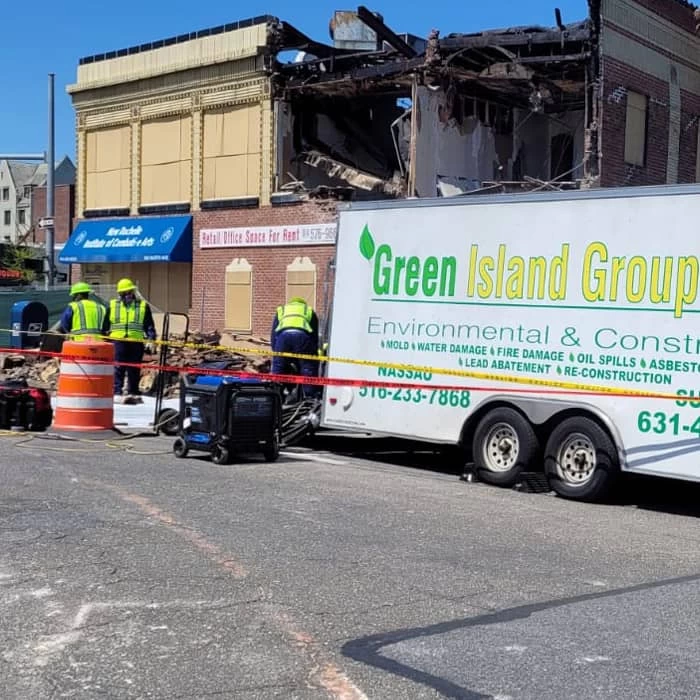
When you call, the clock starts. We can be on-site in Great Neck Estates within one hour to assess the damage, secure the property, and begin emergency stabilization — board-up, tarping, and water extraction from firefighting efforts all happen in that first phase. The goal at this stage is simple: stop what’s still spreading.
From there, we move into the full scope of damage assessment. That includes smoke and soot throughout the structure, water saturation in floors and walls, and — in older Great Neck Estates homes — a mandatory asbestos survey before any reconstruction permits can be pulled. The Village of Great Neck Estates Building Department requires this survey before issuing permits on older properties, and because we hold a NYS DOL Asbestos License, we handle it in-house. You don’t have to find a separate abatement contractor, wait for them to clear the job, and then restart the process. It moves forward without that gap.
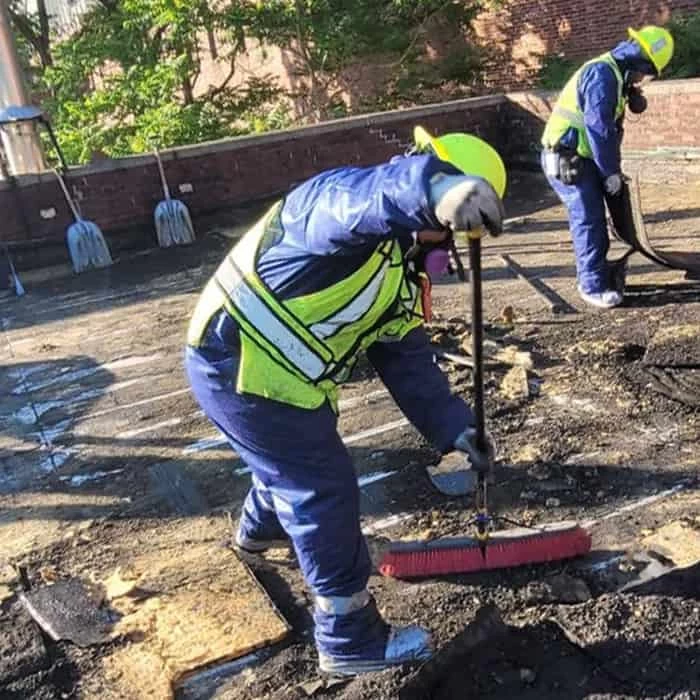
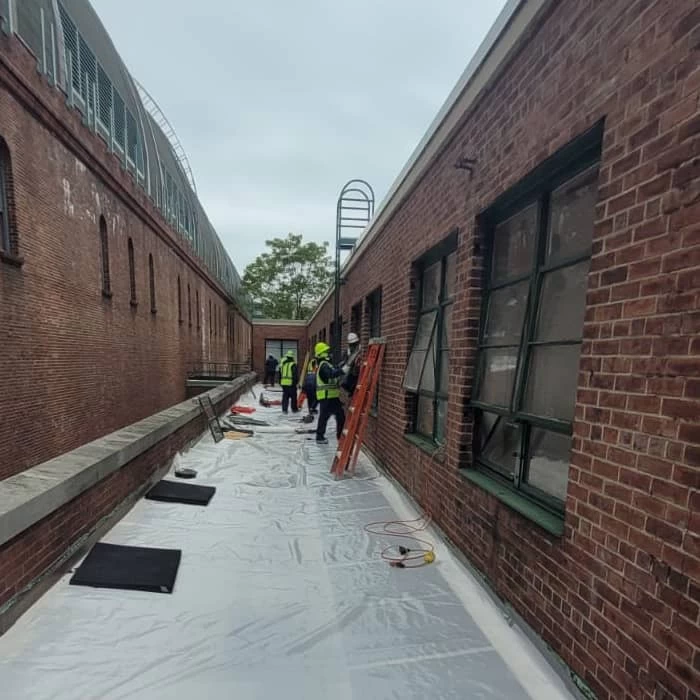
Restoration and reconstruction follow once the structure is clean, dry, and cleared. We manage the entire rebuild under our Nassau County General Contractor license, scheduling all required inspections with the village’s Building Department through to final sign-off. Throughout the process, we document everything to insurance standards and bill your carrier directly — so you’re not fronting costs and waiting for reimbursement on a claim that should be covered.
Fire and Smoke Damage Restoration Services Nassau County
Every Hazard That Comes With a House Fire, Covered
Fire damage restoration in Great Neck Estates isn’t a single-problem job. A structure fire brings smoke contamination, water damage, potential mold, and — in a village where many of the most desirable homes predate 1980 — the very real possibility of disturbed asbestos or lead-based paint. We’re licensed to handle all of it: fire and smoke restoration, water extraction and drying, mold remediation, asbestos abatement, lead-safe work practices, HVAC cleaning, and full structural reconstruction. That’s not a list of subcontractors you’d have to coordinate — it’s one company, one contract, one point of accountability.
For homes heated with oil burners — which is common throughout Nassau County’s older housing stock — puff-back soot cleanup is a distinct service worth knowing about. When an oil furnace misfires, it can coat an entire home’s interior in fine, oily soot without any open flame. That type of soot behaves differently than dry fire soot and requires different cleaning techniques. It’s a high-frequency call in villages like Great Neck Estates, and it’s fully within scope.
Smoke odor elimination goes beyond surface cleaning. We use air scrubbers, thermal fogging, ozone treatment, and NADCA-certified HVAC cleaning to address smoke contamination at the structural level — including inside ductwork, wall cavities, and insulation. The result is a home that’s actually clean, not one that’s been masked with product.
Is my Great Neck Estates home safe to re-enter after a fire?
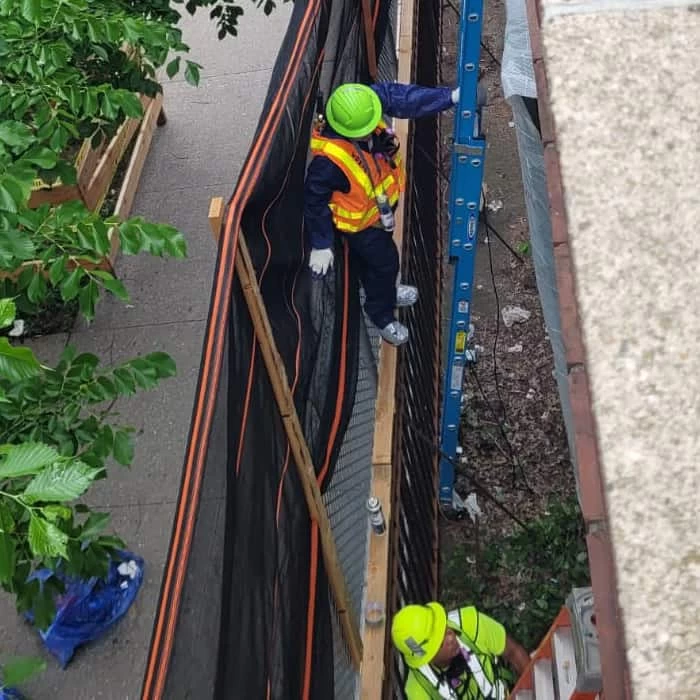
That depends on the scope of the damage and whether a structural assessment has been completed. After a fire, the risks aren’t always visible — compromised structural elements, residual smoke toxins in the air, and disturbed materials like asbestos or lead can all make re-entry dangerous before a proper evaluation. In Great Neck Estates, where many homes were built before 1978, the presence of lead-based paint and asbestos-containing materials is genuinely common. Disturbing those materials during a fire — or during cleanup — without proper containment creates a health hazard that lingers well after the flames are out.
The safest approach is to let a certified restoration team assess the structure before you go back in. We can be on-site within one hour and will give you a clear, honest picture of what you’re dealing with — what’s safe, what isn’t, and what needs to happen before you can return.
How quickly does mold become a problem after a house fire in Great Neck Estates?
Faster than most people expect — and faster in Great Neck Estates specifically. Mold can begin growing within 24 to 48 hours of water exposure under normal conditions. But Great Neck Estates sits on a peninsula surrounded by Little Neck Bay and Manhasset Bay, and the ambient coastal humidity in this area is consistently elevated compared to inland Nassau County communities. That means the moisture left behind by firefighting water has more to work with, and the mold timeline can compress.
The other factor is where the water goes. Many homes in the village are served by septic systems rather than municipal sewage, and water from firefighting can saturate subfloor areas and crawl spaces that don’t dry out quickly on their own. We address water extraction and structural drying as part of the immediate response — not as a separate follow-up job — because waiting on that step is how a fire cleanup turns into a mold remediation project six weeks later.
Does the Village of Great Neck Estates require permits for fire damage reconstruction?
Yes — and the requirements are specific. The Village of Great Neck Estates operates its own Building Department, separate from the Town of North Hempstead, and requires permits for any construction, alteration, or renovation following a fire. All construction documents must be prepared by a licensed New York State Architect or Engineer. All work must be performed by licensed Home Improvement Contractors. And if the home was built before the early 1980s — which describes a large portion of the village’s housing stock — a completed asbestos survey is required before the Building Department will issue a permit.
This matters when you’re choosing a restoration company. A contractor without a Nassau County General Contractor license cannot legally manage the reconstruction phase in Great Neck Estates — they’d have to subcontract it, which adds time, cost, and another layer of coordination you’d have to manage while you’re already displaced. We hold the Nassau County GC license, the NYS DOL Asbestos License, and the credentials needed to take the job from emergency response through final village inspection without a handoff.
What does fire smoke damage restoration actually involve beyond cleaning the walls?
Smoke is a lot harder to deal with than most people realize when they first see the damage. The visible soot on walls and ceilings is the easy part. The harder part is the smoke that traveled through your HVAC system and settled into ductwork, insulation, and wall cavities — areas you can’t see and can’t reach with a sponge. In older Great Neck Estates homes with forced-air heating systems, smoke from a contained kitchen fire can reach every room in the house through the ductwork before the fire is even out.
Genuine smoke damage restoration involves air scrubbers to filter particulates from the air, thermal fogging to penetrate porous surfaces, ozone treatment for embedded odor, and NADCA-certified HVAC cleaning to address contamination inside the duct system itself. Skipping any of those steps means the smoke smell comes back — sometimes weeks later, after you’ve already moved back in. We address all of it as part of the restoration scope, not as optional add-ons.
What is an oil burner puff-back and does it count as fire damage?
A puff-back happens when an oil-fired furnace misfires or backfires, forcing a blast of unburned oil and combustion gases back through the system. The result is a fine, oily soot that gets distributed through the HVAC ductwork and coats surfaces throughout the home — sometimes every room — without any open flame or structural fire. It looks different from dry fire soot, it behaves differently, and it requires different cleaning techniques. Oily soot smears rather than brushes off, which means using the wrong method makes the contamination worse.
Puff-backs are particularly common in Nassau County communities with older oil-heated homes, and Great Neck Estates — with its pre-war and mid-century housing stock — sees its share of them, especially in fall when heating systems are restarted after sitting dormant through summer. Most homeowner’s insurance policies cover puff-back damage, and we handle the full cleanup and documentation for insurance purposes. If you’re not sure whether what happened qualifies, call for an assessment — it costs nothing to find out.
How does Green Island Group work with my homeowner's insurance after a fire?
We bill your insurance company directly and document the damage to the standard that insurance adjusters actually work from — not a summary, but a detailed line-item scope of loss that covers every affected area, every material, and every step of the restoration process. That level of documentation matters more than most homeowners expect, especially in Great Neck Estates where replacement costs on older homes with original plaster, custom millwork, and period architectural details are significantly higher than standard construction rates. An adjuster who receives a vague estimate is going to offer a vague settlement.
We walk you through the claims process from the initial assessment through final settlement. That includes accompanying you through material selection to make sure replacement specifications reflect actual replacement cost — not the cheapest available substitute. If you’ve put decades of care into a home on the Great Neck Peninsula, the last thing you need is a settlement that replaces original character with builder-grade materials. Our job is to make sure the documentation supports what your home is actually worth restoring.