In a pre-war Manhattan building near Greeley Square, fire damage doesn’t stay where it started. We handle the full scope smoke, soot, hazardous materials, and everything in between.
I needed a professional consultation explanation of procedure for safe removal of Asbestos in my apartment complex. Without having an account yet, I was very impressed with the caring, knowledgeable and generous advice offered by Jessica, and will look forward to doing business in the future. Thank you so much! I feel much more informed about a sometimes scary endeavor. Peace. Nancy Silva Mineola, NY.
Mia Munoz
Used this company to clean up some water flood in my house. They were fast and easy to work with.very professional, Would recommend to anyone!
Nini Valle
Great company, had a flood and they responded quickly and efficiently. Billed my insurance company directly. I highly recommend this company!
joe colapietro, jr
I had pipe freeze in my basement right before a snow storm and they made to within an hour to help start the clean up process. They we by our side throughout the entire process and even helped with the insurance company. They did such a great job with the cleanup, repair, remidiation, I contracted them to perform the repairs and finishes in the basement. They came with enough manpower and material to get the job done. Leo and Jessica were nothing but a pleasure to deal with!!
Cristian Arredondo c
I had some water damage in my home and Green Island was able to take care of my issue quickly and effectively. I am very pleased with the work they did. They responded quickly and were very professional.
Michael M
Outstanding service! From the office to the field crew everyone was friendly, helpful and responsive. I highly recommend Green Island Group.
Fire and Smoke Damage Restoration, Midtown Manhattan
What Gets Fixed When the Whole Building Is Affected
Smoke doesn’t wait for business hours, and it doesn’t respect unit lines. In the dense, vertical buildings surrounding Greeley Square, a fire on the third floor can push soot through shared HVAC ducts, elevator shafts, and wall cavities all the way to the tenth. By the time the FDNY clears the scene, the damage footprint is almost always larger than what’s visible and if it isn’t treated completely, tenants on floors that never saw a flame will be breathing compromised air and filing complaints for months.
The buildings in this area compound that problem. Many of the structures near Greeley Square were built in the 1920s and 1930s the same era as the Greeley Square Building at 875 Sixth Avenue. That means asbestos insulation, lead paint, and aging electrical systems are common. A fire event in one of these buildings doesn’t just create smoke and soot it can disturb hazardous materials that require licensed abatement before any real restoration work can begin. Skipping that step isn’t just cutting corners it’s a legal exposure for the property owner.
What you get when this is done right is a building that’s fully documented, fully remediated, and fully compliant with NYC DOB and DEP requirements. Tenants return to a space that’s been properly cleared not just visually cleaned and the insurance claim reflects the actual scope of the event, not just what was easy to photograph.
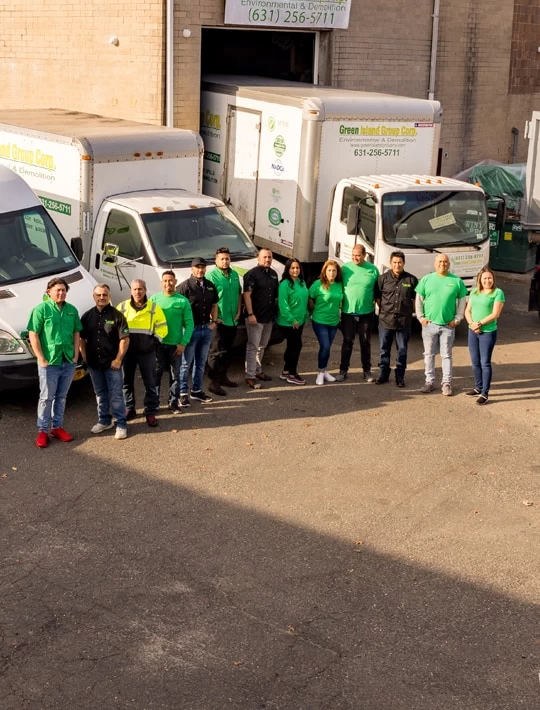
We are a locally owned environmental remediation and restoration company serving New York City and Long Island. We handle fire damage restoration, water damage, mold remediation, asbestos abatement, lead abatement, and demolition all under one contractor relationship. In a market like Greeley Square, where a single fire event can trigger a chain of regulatory requirements across multiple licensed trades, that matters more than it might anywhere else.
Working in Midtown Manhattan near Greeley Square means knowing how the NYC Department of Buildings permit process works, what NYC DEP requires before asbestos-disturbing work can proceed, and how to document a scope of work that holds up under carrier scrutiny. We operate in full compliance with NYC, NYS, and USEPA regulations not as a marketing claim, but because the alternative creates real liability for every property owner we work with.
Our clients confirm we answer the phone at 3am, bill insurance carriers directly, and show up with the same accountability whether the job is one unit or an entire floor.
Fire Damage Restoration Process near Greeley Square, NY
What Actually Happens From the First Call Forward
The first call triggers an emergency response 24 hours a day, seven days a week. In a multi-occupancy building near Greeley Square, the priority in those first hours is containment: limiting smoke migration through shared systems, securing the affected space, and doing a full assessment that goes beyond the visible damage. That assessment drives everything that follows, so cutting it short means missing things that surface later as complaints, claims disputes, or regulatory violations.
Before any physical restoration begins in a pre-war building, the work scope has to account for potential hazardous materials. If the structure predates 1987, an asbestos inspection is required under NYC DEP regulations before disturbing affected materials and most of the buildings in this part of Midtown do predate that threshold. We handle that inspection and abatement in-house, which means the timeline doesn’t stall while you wait for a second licensed contractor to schedule separately.
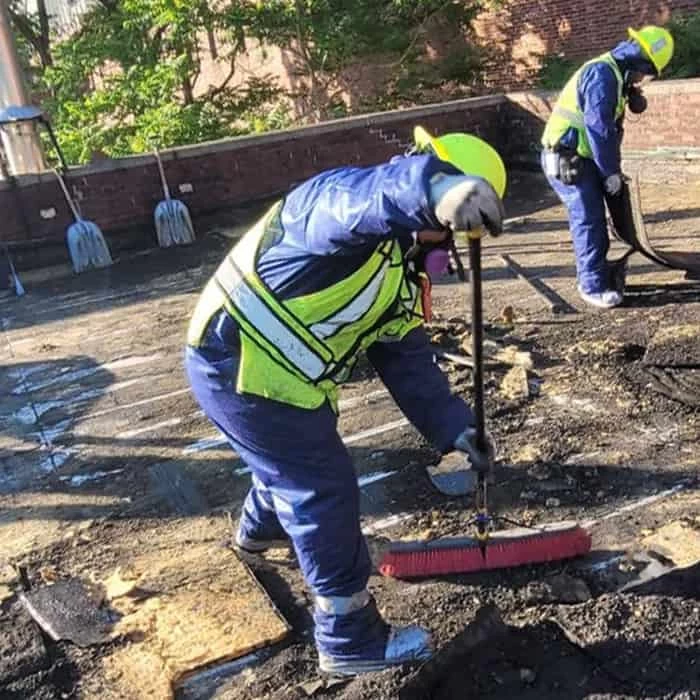
Once the hazardous materials phase is cleared, the restoration work moves in sequence: structural drying if water was used in firefighting, soot and smoke remediation across every affected surface and system, odor neutralization, and then the rebuild framing, drywall, finishes, and whatever else brings the space back to its pre-loss condition. Throughout that process, the documentation is being built simultaneously for your insurance carrier, so the claim reflects the real scope rather than a compressed version of it.
Fire Smoke Damage Restoration Services near Greeley Square, NY
The Full Scope This Building Stock Actually Demands
Fire damage restoration in the Greeley Square area isn’t a single-trade job. The buildings here many of them pre-war commercial and mixed-use structures, and a growing number of office-to-residential conversions driven by the Midtown South Mixed-Use Plan rezoning carry a specific combination of hazards that most restoration contractors aren’t equipped to handle in one engagement. Asbestos-containing materials in insulation, pipe lagging, and floor tiles. Lead paint on walls and trim. Aging electrical infrastructure that contributed to the fire in the first place. Shared HVAC systems that distributed smoke across units that weren’t directly involved.
Our fire restoration scope covers all of it: emergency board-up and containment, asbestos and lead abatement where required, structural drying and water damage remediation from firefighting, full soot and smoke remediation including ductwork and shared systems, odor elimination, and complete structural and finish restoration. For commercial tenants in the Koreatown restaurant corridor on West 32nd Street where grease and protein-based smoke from kitchen fires requires a completely different cleaning protocol than dry soot that expertise in smoke type identification is what separates a real remediation from a surface wipe-down that fails an air quality test three weeks later.
Every job is handled in compliance with NYC DOB permit requirements, NYC DEP asbestos regulations, and Local Law 1 lead paint standards. Insurance documentation is built to carrier specifications from day one, and billing goes directly to your carrier.
Does fire damage restoration near Greeley Square require a NYC DOB permit?
In most cases, yes. Any work that involves structural repairs, mechanical systems, electrical, or plumbing in a New York City building requires a permit filed through the NYC Department of Buildings. For emergency fire restoration work, there’s a provision that allows the work to begin before the permit is formally issued but an Emergency Work Notification must be filed with the DOB within two business days of starting. Skipping that step doesn’t just create a paperwork problem; it can result in a stop-work order that halts the entire restoration mid-project.
For property owners and building managers in the Greeley Square area, this is one of the most common points of friction when working with a contractor who isn’t familiar with New York City’s regulatory environment. We handle the DOB notification and permitting process as part of the job it’s not an add-on or an afterthought. If the building has landmark designation or sits within a protected area, LPC review may also be required before certain restoration work can proceed, and that’s factored into the timeline from the start.
How do I know if my Greeley Square building has asbestos that fire disturbed?
If your building was constructed before 1987, you should assume asbestos-containing materials are present until a licensed inspection says otherwise. That’s not an abundance of caution it’s the practical reality of the building stock in this part of Midtown Manhattan. The Greeley Square Building itself dates to 1927. The Hotel New Yorker was built in 1928. Most of the commercial and mixed-use structures in the surrounding blocks share that era of construction, and asbestos was a standard building material through the mid-twentieth century.
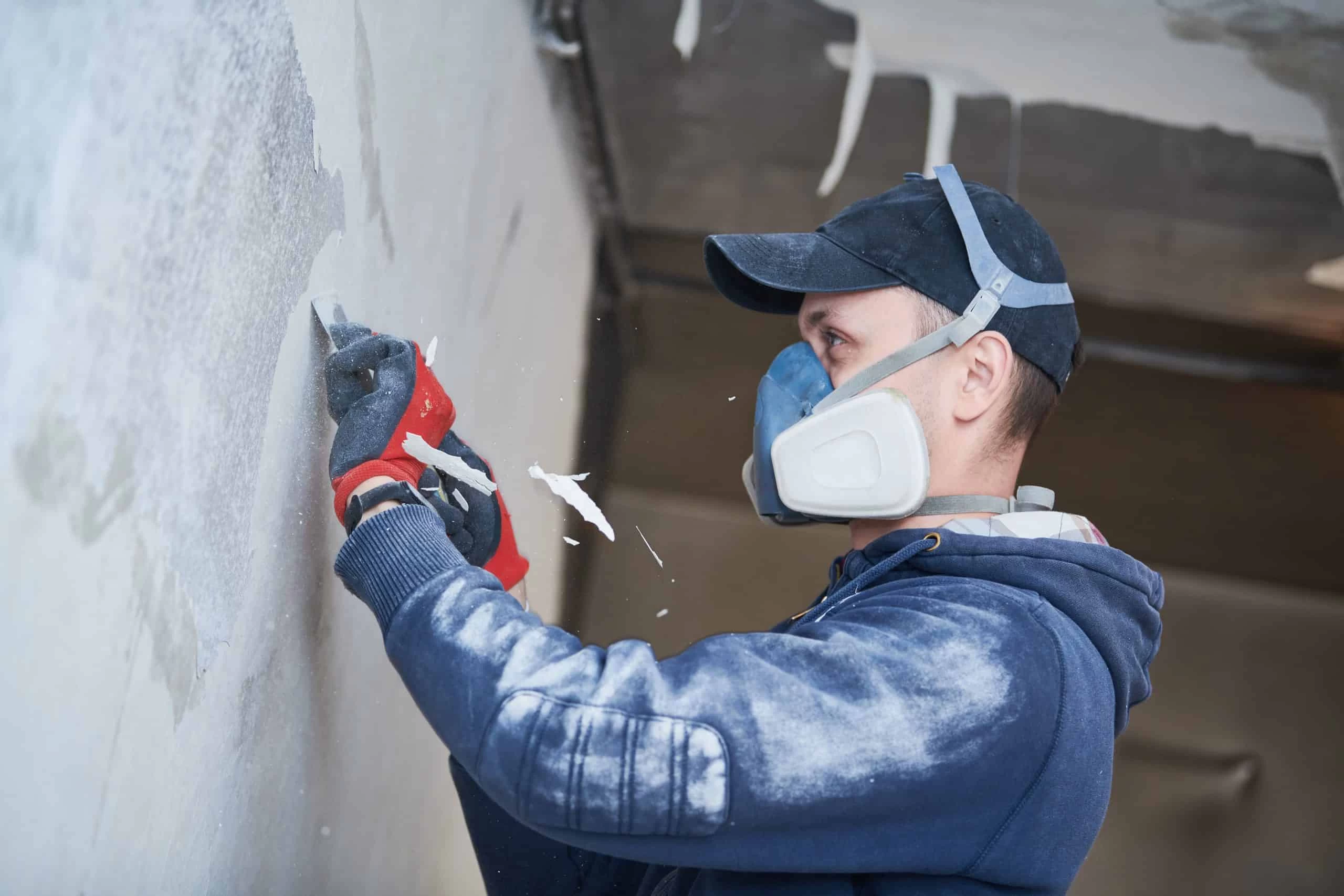
A fire event disturbs those materials in ways that aren’t always visible. Insulation around pipes, tiles beneath flooring, and ceiling materials can all release asbestos fibers when exposed to heat, water pressure from firefighting, or the mechanical disturbance of cleanup work. Under NYC DEP regulations, a licensed asbestos inspection is required before any work that could disturb those materials proceeds. We are licensed for asbestos abatement in New York and handle that inspection and remediation in-house which means you’re not waiting on a second contractor to clear the site before restoration can begin.
What's the difference between smoke cleanup and actual fire smoke damage restoration?
Smoke cleanup typically means wiping down visible surfaces walls, ceilings, countertops. Fire smoke damage restoration means addressing everything the smoke actually reached, which in a Manhattan building with shared HVAC systems can extend far beyond the unit where the fire occurred. Smoke travels through ductwork, wall cavities, elevator shafts, and stairwells, depositing soot on surfaces and embedding odor into porous materials that a surface wipe won’t touch.
The type of smoke also matters. A grease fire in a commercial kitchen the kind common in the Koreatown restaurant corridor on West 32nd Street, immediately south of Greeley Square produces a wet, protein-based smoke residue that behaves completely differently from the dry soot of an electrical or structural fire. Using the wrong cleaning protocol on protein smoke leaves behind a residue that re-emits odor for months and fails air quality testing. Real fire smoke damage restoration starts with identifying what type of smoke you’re dealing with, mapping where it traveled, and applying the right remediation method to every affected surface and system not just what’s easy to see.
How long does fire damage restoration typically take in a Manhattan building near Greeley Square?
There’s no honest single answer to that, because the timeline depends heavily on the scope of the damage, the age of the building, and how quickly the regulatory steps can be completed. For a contained fire in a single unit with no hazardous materials involvement, a restoration can move relatively quickly sometimes two to four weeks from assessment to completion. For a fire in a pre-war building near Greeley Square that requires asbestos abatement, DOB permitting, and multi-floor smoke remediation, the timeline extends accordingly.
The biggest variable in New York City isn’t the physical work it’s the regulatory sequencing. Asbestos abatement has to be completed and cleared before restoration work can begin in the affected areas. DOB permits need to be in place for structural and MEP work. If the building is in a landmark-designated area, LPC review adds another step. A contractor who doesn’t build those requirements into the project plan from day one will hit delays that push the timeline back significantly. We map the full regulatory sequence at the assessment stage so the timeline you’re given at the start reflects what the job actually requires.
Does Green Island Group work directly with insurance carriers for fire restoration claims?
Yes and in the Greeley Square market, that capability matters more than it might in a lower-stakes environment. Commercial and mixed-use property insurance claims in Midtown Manhattan are high-value, often involve multiple coverage layers, and are frequently scrutinized by carrier-side engineers who look closely at the scope documentation. A restoration contractor who isn’t building carrier-compliant documentation from the first day of work is setting the property owner up for a disputed claim.
We bill insurance carriers directly and handle the documentation and communication that adjusters require throughout the process. That means itemized scope of work, photographic documentation at each phase, and a final package that reflects the actual extent of the damage not a compressed version of it. For building managers and co-op boards dealing with a fire loss in a building where the damage spans multiple units and multiple trades, having one contractor coordinate the entire claim rather than submitting piecemeal invoices from four different subcontractors makes a real difference in how the claim resolves.
Are e-bike and lithium-ion battery fires handled differently than other fire damage in NYC apartments?
They should be, and most contractors aren’t equipped for the difference. Lithium-ion battery fires burn at extreme temperatures, spread faster than most residential fires, and produce a smoke that’s chemically distinct from what a kitchen fire or electrical fire generates. That smoke penetrates porous materials drywall, insulation, flooring, furniture more deeply than standard soot, and standard dry soot removal techniques won’t fully address it.
The FDNY flagged lithium-ion battery fires as a major and growing urban hazard. In the Greeley Square area, where delivery workers and commuters throughout the Midtown district rely heavily on e-bikes and e-scooters many stored in building lobbies, hallways, and apartments overnight this is a real and recurring risk, not a theoretical one. Our remediation approach for lithium-ion fire events includes advanced air filtration with HEPA air scrubbers, thermal fogging for deep odor penetration, and a full assessment of smoke migration through shared building systems. The goal isn’t to make the space look clean it’s to make it safe to occupy again.