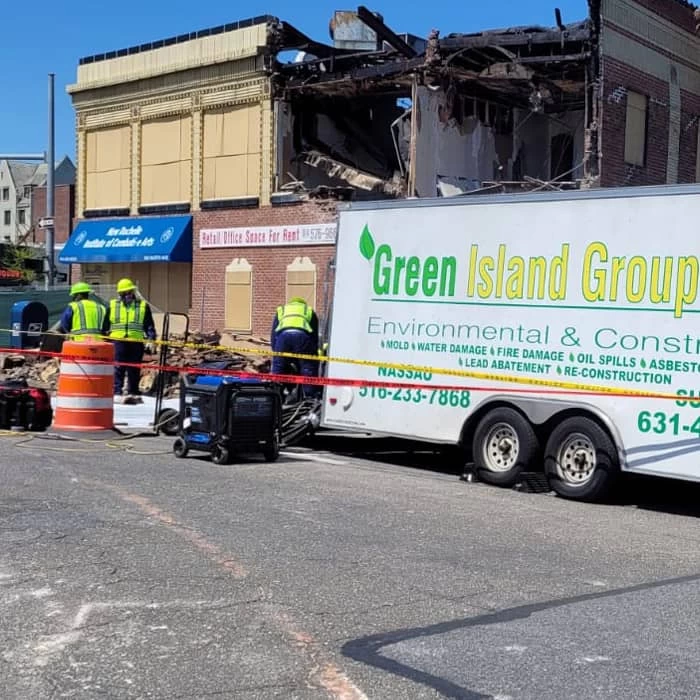
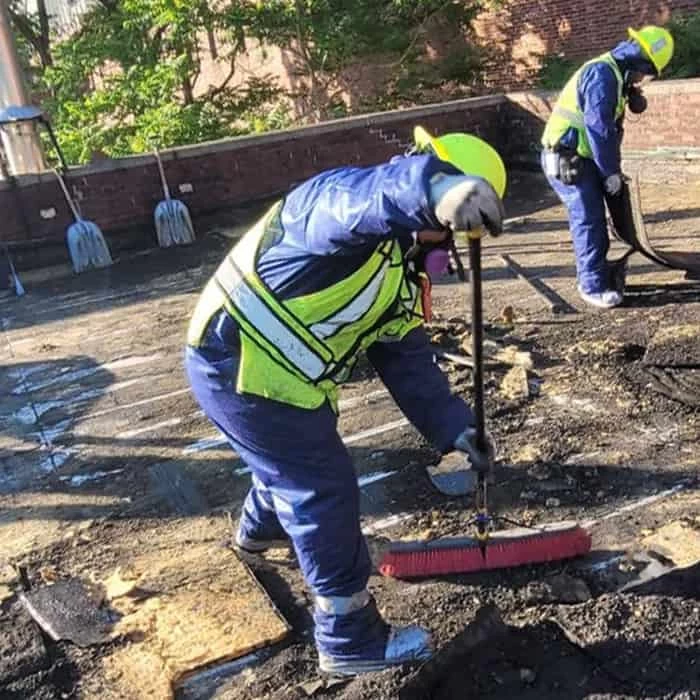
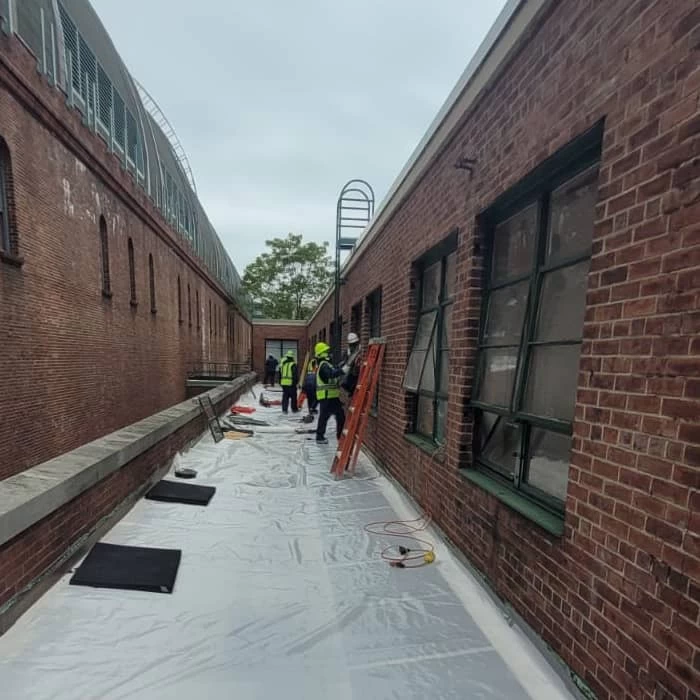
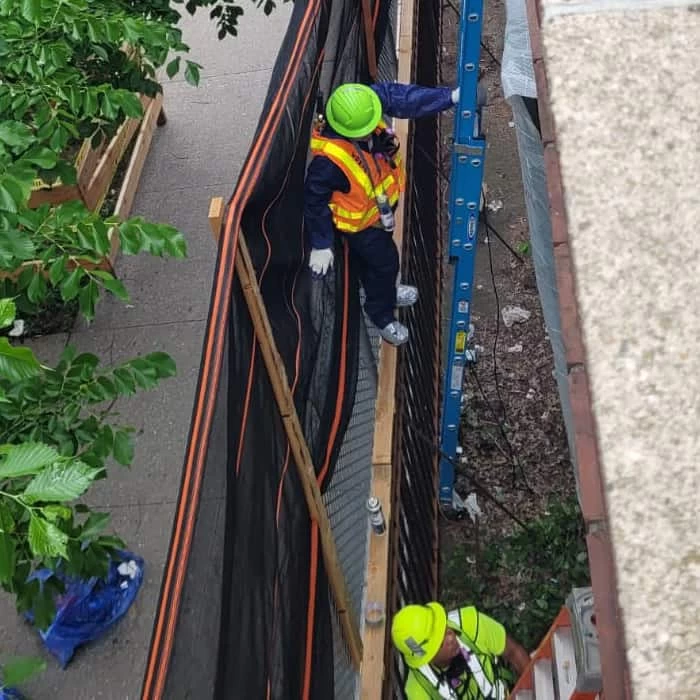
When fire hits one of fewer than 300 homes in Greenvale, the stakes are immediate and personal. We’re on-site within the hour, handle fire damage restoration from first response to full rebuild, and bill your insurance directly.
I needed a professional consultation explanation of procedure for safe removal of Asbestos in my apartment complex. Without having an account yet, I was very impressed with the caring, knowledgeable and generous advice offered by Jessica, and will look forward to doing business in the future. Thank you so much! I feel much more informed about a sometimes scary endeavor. Peace. Nancy Silva Mineola, NY.
Mia Munoz
Used this company to clean up some water flood in my house. They were fast and easy to work with.very professional, Would recommend to anyone!
Nini Valle
Great company, had a flood and they responded quickly and efficiently. Billed my insurance company directly. I highly recommend this company!
joe colapietro, jr
I had pipe freeze in my basement right before a snow storm and they made to within an hour to help start the clean up process. They we by our side throughout the entire process and even helped with the insurance company. They did such a great job with the cleanup, repair, remidiation, I contracted them to perform the repairs and finishes in the basement. They came with enough manpower and material to get the job done. Leo and Jessica were nothing but a pleasure to deal with!!
Cristian Arredondo c
I had some water damage in my home and Green Island was able to take care of my issue quickly and effectively. I am very pleased with the work they did. They responded quickly and were very professional.
Michael M
Outstanding service! From the office to the field crew everyone was friendly, helpful and responsive. I highly recommend Green Island Group.
What Full Restoration Actually Looks Like in Greenvale
A lot of companies will clean what’s visible and call it done. That’s not restoration — that’s a surface pass. Real fire damage restoration means addressing everything the fire and smoke touched, including the parts you can’t see yet.
In Greenvale, that matters more than most places. The majority of homes here were built in the 1930s through 1950s, which means plaster walls, older framing cavities, and HVAC systems that weren’t designed to contain smoke migration. Soot doesn’t stay where the fire was — it travels through wall gaps, settles into ductwork, and embeds in materials that look fine on the surface. If those areas aren’t treated, the odor and contamination come back. That’s what happens when the job is done halfway.
There’s also the hazardous materials reality. Homes in Greenvale of that age almost certainly contain asbestos in floor tiles, pipe insulation, or joint compound — and lead paint in anything built before 1978. A fire disturbs those materials. Most contractors aren’t licensed to handle them. We hold NYS DOL Asbestos licensure and USEPA Lead/RRP certification, which means the full scope of your home’s damage can be addressed legally and completely under one roof — without you having to find a second contractor to finish what the first one couldn’t touch.
Licensed for Everything Your Greenvale Home Actually Needs
We’re a Long Island-based restoration company — not a national franchise, not a call center routing your emergency to whoever’s available. We’re a real company with verifiable state licenses, a physical address, and over 5,000 completed restoration projects across New York State.
We hold Nassau County General Contractor licensure, which covers both the Town of North Hempstead and Town of Oyster Bay jurisdictions that split Greenvale’s boundaries — a dual-jurisdiction detail that trips up contractors who don’t know this area. We’re IICRC-certified for fire, smoke, and water damage restoration, and we carry NYS DOL licensure for asbestos and mold, plus USEPA Lead/RRP certification. That combination is rare in this market, and in a community where most homes predate 1960, it’s not optional — it’s the baseline for doing the job right.
We operate 24/7/365 and commit to arriving on-site within one hour. After the Roslyn Highlands Fire Company’s Rescue Station 3 on Locust Street does their job, we’re ready to do ours.
The first thing that happens when you call is an emergency response — not a scheduler, not a callback window. A team is dispatched and on-site within the hour. That first arrival is about stabilizing the property: securing the structure, beginning water extraction from firefighting efforts, and assessing the full scope of damage before anything is touched.
Water extraction in Greenvale requires a specific approach. Because the hamlet has no public sewer connection — every home here relies on a cesspool or septic system — firefighting water cannot simply be discharged to a drain. It has to be properly extracted, contained, and hauled away. A contractor who doesn’t know that creates a second problem on top of the first. We account for this from the moment we arrive.
From there, the process moves through hazardous materials testing and abatement if needed, structural drying and moisture monitoring, smoke and soot remediation throughout the full structure (including ductwork and wall cavities), odor elimination using air scrubbers and thermal fogging, and finally, full structural reconstruction under our Nassau County General Contractor license. Every phase is documented to insurance standards, and we handle direct billing to your carrier throughout. You’re not managing paperwork while your home is being rebuilt — we take that off your plate entirely.
Fire and Smoke Damage Restoration Services Greenvale
Everything the Job Requires — Nothing Left for Later
Fire damage restoration isn’t one service — it’s a sequence of them, and the order matters. We handle the full sequence: emergency stabilization, water extraction and structural drying, asbestos and lead testing and abatement where required, smoke and soot removal from surfaces and cavities, mold prevention and remediation, odor elimination, and complete structural reconstruction. For Greenvale homeowners, that last piece — reconstruction — is often where other companies fall short. They’re certified for cleanup but not licensed for rebuilding, which means you end up sourcing a general contractor mid-project. That doesn’t happen here.
Because Greenvale sits within both North Hempstead and Oyster Bay town jurisdictions, any structural work after a fire requires permits from the relevant building department. We navigate that permitting process directly, so you’re not left figuring out which municipality you fall under while your home is mid-restoration.
The hazardous materials piece is worth understanding clearly. If your Greenvale home was built before 1980, asbestos testing is a standard part of the process — not an upsell. If asbestos-containing materials were disturbed by the fire, NYS law requires licensed abatement before reconstruction can begin. We’re licensed for that work. Most of our competitors in Nassau County are not. That’s not a small distinction — it’s the difference between a legal, complete restoration and one that creates liability down the road.
Is my Greenvale home safe to be in after a house fire?
In most cases, no — at least not immediately, and not without a professional assessment. Structural integrity, air quality, and the presence of disturbed hazardous materials all need to be evaluated before a fire-affected home is safe to reoccupy.
In Greenvale specifically, the age of the housing stock adds a layer to this question. Homes built in the 1930s through 1950s commonly contain asbestos in floor tiles, ceiling tiles, pipe insulation, and joint compound. Lead paint is standard in anything built before 1978. When a fire disturbs those materials, the particles become airborne and create a health hazard that isn’t visible and doesn’t resolve on its own. A professional assessment — not a walk-through — is the only way to know what you’re dealing with. We conduct a full scope evaluation on arrival and can tell you clearly what’s safe, what isn’t, and what needs to happen before anyone goes back inside.
How does fire damage affect my homeowners insurance claim in Nassau County?
Fire damage claims in Nassau County follow standard homeowners insurance procedures, but the documentation requirements are significant — and how well your restoration company documents the damage directly affects how smoothly your claim gets processed.
Insurance adjusters work for the insurance company. Their job is to assess damage and settle claims, but that doesn’t mean their initial assessment will capture everything. We document every phase of restoration to IICRC standards, which insurance carriers recognize and accept. We bill your insurance directly, attend material selection appointments with you, and stay involved throughout the claims process so you’re not navigating it alone. For homeowners in Greenvale — where properties routinely value between $700,000 and well over $1 million — having that level of documentation and advocacy in your corner is a real financial difference, not just a convenience.
How long does fire damage restoration take for a home in Greenvale?
It depends on the scope of the damage, but a realistic range for most residential fire damage restoration projects runs from two to eight weeks. Minor smoke and soot damage on one floor of a home might be resolved in under two weeks. A fire that affects multiple rooms, requires structural reconstruction, or involves hazardous materials abatement will take longer.
In Greenvale, the hazardous materials factor is worth factoring into your timeline from the start. If asbestos testing reveals materials that need abatement before reconstruction can begin — which is a realistic scenario in any pre-1980 home — that adds time to the process. NYS DOL regulations govern how asbestos abatement is performed, including notification requirements and air monitoring protocols, and those steps can’t be skipped or rushed. We’ll give you a clear project timeline after the initial assessment, and we’ll update you as the work progresses. You won’t be left guessing where things stand.
Does fire damage always mean asbestos exposure in older Greenvale homes?
Not always, but it’s a serious enough risk in Greenvale’s housing stock that it has to be tested — not assumed either way. Homes built before 1980 commonly contain asbestos in multiple locations: vinyl floor tiles, ceiling tiles, pipe and duct insulation, roofing felt, and joint compound used in drywall installation. A fire that reaches any of those materials can disturb and aerosolize asbestos fibers.
The only way to know whether asbestos is present and whether it was disturbed is through professional testing by a licensed inspector. If the test comes back positive and the materials were affected by the fire, abatement is required by New York State law before any reconstruction work can begin. That work must be performed by a contractor holding NYS DOL Asbestos licensure — which we do. If you hire a restoration company that doesn’t hold this license, they legally cannot perform that phase of the job, and you’ll be left finding someone else mid-project to finish it.
Can smoke odor be fully removed from a home after fire damage?
Yes — but only if the source of the odor is fully addressed, not just masked. Smoke odor that returns weeks after a cleanup almost always means the smoke contamination wasn’t fully removed in the first place.
In homes like those found throughout Greenvale — plaster walls, older framing, HVAC systems that weren’t designed to contain smoke migration — odor elimination requires going beyond surface cleaning. Smoke particles embed in wall cavities, saturate insulation, and travel through ductwork into rooms that weren’t directly affected by the fire. We use a combination of HEPA air scrubbers, ozone treatment, and thermal fogging to address odor at the source throughout the full structure. HVAC systems are cleaned separately using NADCA protocols. The goal isn’t a home that smells acceptable — it’s a home that tests clean and stays that way. If the process is done correctly, smoke odor does not come back.
What should I do in the first hour after a fire at my Greenvale home?
First, don’t go back inside until the fire department clears the structure as safe to enter — and even then, limit your time inside until a professional assessment is completed. The visible damage is rarely the full picture, and air quality in a fire-affected home can be hazardous well after the flames are out.
Once you’re safe, your next call should be to a licensed restoration company. The first 24 to 48 hours after a fire are the most critical window in the entire restoration process. Soot begins permanently bonding to surfaces within hours. Firefighting water creates mold risk that starts within a day. Every hour of delay increases the total damage and the total cost of restoring the property. We respond 24/7 and commit to on-site arrival within one hour — so when the Roslyn Highlands Fire Company clears the scene, the restoration process can begin immediately. Call your insurance company as well, but know that we’ll handle the documentation and direct billing on your behalf throughout the claim.