When the Smoke Clears, Hampton Bays Homeowners Need More Than a Cleanup Crew
Fire damage doesn’t stop at the burn zone and in a community with homes built decades ago, the hidden damage is often worse than what you can see. We handle fire damage restoration in Hampton Bays from the first emergency call to the final walkthrough.
I needed a professional consultation explanation of procedure for safe removal of Asbestos in my apartment complex. Without having an account yet, I was very impressed with the caring, knowledgeable and generous advice offered by Jessica, and will look forward to doing business in the future. Thank you so much! I feel much more informed about a sometimes scary endeavor. Peace. Nancy Silva Mineola, NY.
Mia Munoz
Used this company to clean up some water flood in my house. They were fast and easy to work with.very professional, Would recommend to anyone!
Nini Valle
Great company, had a flood and they responded quickly and efficiently. Billed my insurance company directly. I highly recommend this company!
joe colapietro, jr
I had pipe freeze in my basement right before a snow storm and they made to within an hour to help start the clean up process. They we by our side throughout the entire process and even helped with the insurance company. They did such a great job with the cleanup, repair, remidiation, I contracted them to perform the repairs and finishes in the basement. They came with enough manpower and material to get the job done. Leo and Jessica were nothing but a pleasure to deal with!!
Cristian Arredondo c
I had some water damage in my home and Green Island was able to take care of my issue quickly and effectively. I am very pleased with the work they did. They responded quickly and were very professional.
Michael M
Outstanding service! From the office to the field crew everyone was friendly, helpful and responsive. I highly recommend Green Island Group.
A fire leaves behind more than charred walls. Smoke travels fast through HVAC ducts, into wall cavities, behind baseboards and soot starts permanently bonding to surfaces within 24 to 72 hours. If the response is slow or the scope is too narrow, you end up with odor that lingers for months and damage that shows up later in places no one thought to check.
In Hampton Bays specifically, a lot of the housing stock was built between the 1940s and 1970s. That means older construction with less airtight framing, which lets smoke move further and faster through the structure than a newer build would. It also means there’s a real chance that fire-damaged materials insulation, floor tiles, pipe wrap contain asbestos, which requires state-certified abatement before any restoration work can safely continue. Most fire restoration companies aren’t equipped for that. We are.
Then there’s the water. Every house fire involves water damage from suppression sometimes thousands of gallons soaked into floors, walls, and subfloor. In a coastal community with Hampton Bays’s humidity levels, mold can establish itself within 24 to 48 hours of that moisture sitting untreated. When fire and water restoration are handled by the same team under one scope of work, nothing falls through the cracks and nothing gets discovered later by a different contractor.
We’re a locally owned and operated restoration company based on Long Island, serving Nassau and Suffolk Counties and the broader New York metro area. There’s no corporate call center routing your call. No rotating anonymous crews. When you reach out, you’re talking to the people who actually show up and customers have said so by name in verified reviews.
Hampton Bays sits in Southampton Town, and the restoration work here has to follow Southampton’s building permit requirements, Suffolk County contractor registration rules, and for the older homes throughout the hamlet New York State’s asbestos and lead paint regulations. That’s not paperwork a franchise operator is going to walk you through. It’s the kind of local, regulatory knowledge that only comes from doing this work on Long Island, not from a corporate manual written for a national audience.
From year-round homes near Good Ground Road to seasonal properties on Dune Road accessible only via the Ponquogue Bridge, we know this area and what restoration actually requires here.
From Emergency Call to Final Walkthrough No Handoffs, No Gaps
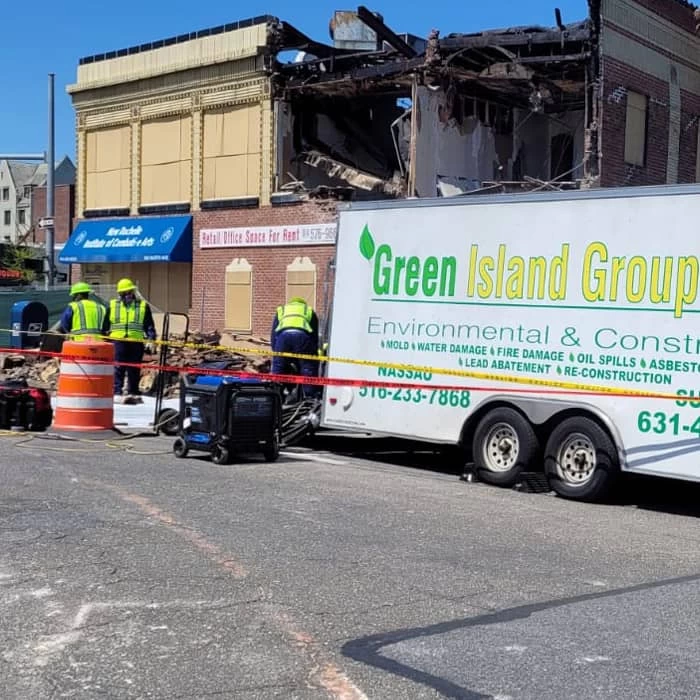
It starts the moment you call. Emergency response is the first priority securing the structure, boarding up if needed, and stopping additional damage from spreading. Verified customers have documented our arrival within an hour of calling, which matters because the clock on soot bonding and mold growth starts immediately.
Once the site is stabilized, the full assessment begins. That means documenting every affected area not just the visible burn zone, but the HVAC system, wall cavities, and any materials that may have been compromised by heat, smoke, or suppression water. For Hampton Bays homes built before 1980, this assessment includes identifying any asbestos-containing materials that were disturbed by the fire. If abatement is required under New York State law, we handle it before restoration moves forward not discovered mid-project by a subcontractor.
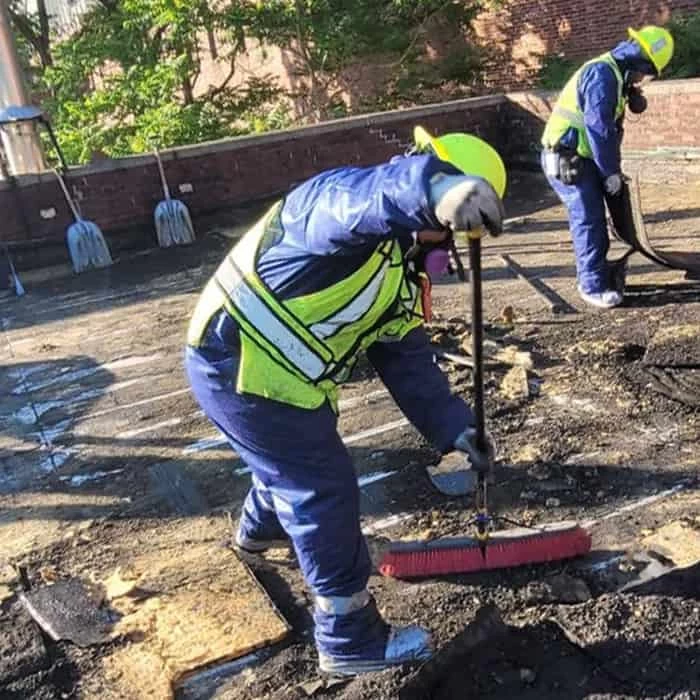
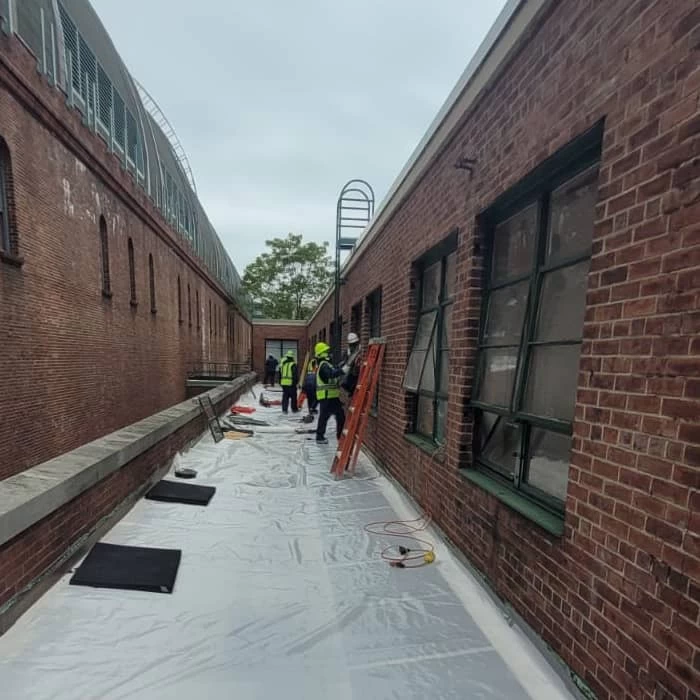
From there, the work moves through water extraction and drying, smoke and soot remediation, odor elimination using thermal fogging or hydroxyl generation, and then full structural repair and reconstruction. Southampton Town building permits are pulled where required. The insurance documentation is handled alongside the physical work, so your claim reflects the actual scope of damage. The job isn’t considered done until you’ve walked through the finished space and are genuinely satisfied with what you see.
Fire and Smoke Damage Restoration Services, Hampton Bays
Every Layer of Damage Addressed Not Just What's Visible
Fire damage restoration in Hampton Bays covers a wider scope than most homeowners expect going in. The visible burn damage is the starting point, not the whole picture. Smoke and soot remediation, water extraction from firefighting, structural drying, odor elimination, mold prevention, and full reconstruction are all part of what a complete restoration job requires and we handle all of it under one roof.
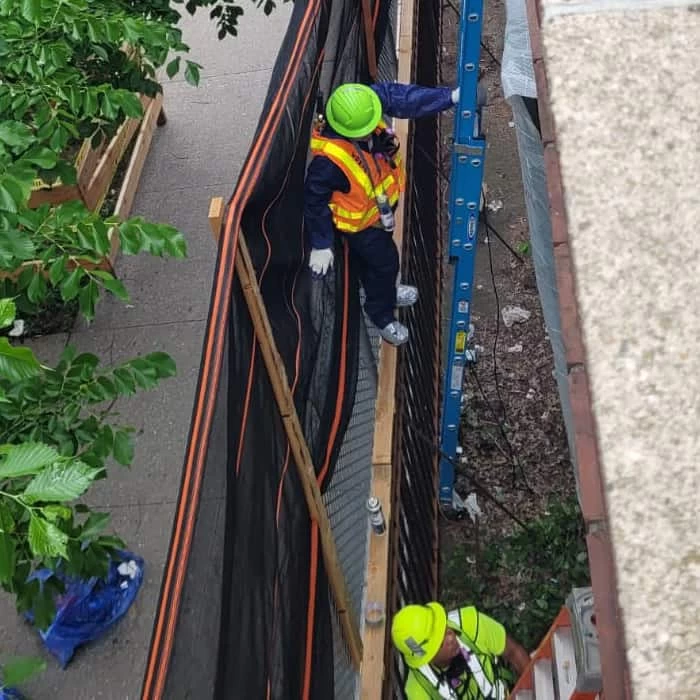
For Hampton Bays properties specifically, asbestos abatement and lead paint compliance are frequently part of the scope. Given how much of the hamlet’s housing was built before 1978, this isn’t an edge case it’s a common requirement that a restoration company without environmental remediation certification simply cannot legally complete. We hold the New York State certifications required to handle those materials safely and keep the project moving without bringing in a separate environmental contractor.
If your property is in one of Hampton Bays’s FEMA-designated flood zones common for bayfront homes, Dune Road properties, and anything near the Shinnecock or Tiana Bay shoreline post-fire reconstruction may also need to meet FEMA’s substantial damage rules, which can affect how the rebuild is scoped and permitted. That’s a layer of complexity that catches a lot of homeowners off guard. Knowing it upfront, and having a team that accounts for it from day one, makes a real difference in how smoothly the project runs.
How quickly can fire damage restoration begin at my Hampton Bays home?
Speed matters more in fire restoration than most people realize. Soot begins permanently etching and staining surfaces within 24 to 72 hours of a fire, and mold from firefighting water can start growing within 24 to 48 hours. Every hour of delay increases the total cost and complexity of the restoration.
We respond to emergency calls rapidly verified customers have documented our arrival within an hour of calling. For Hampton Bays, that response time is meaningful because the nearest franchise competitor is roughly 10 miles away in Southampton, and summer traffic on Sunrise Highway and around the Shinnecock Canal bridges can make response times unpredictable for companies that don’t know the area. Getting a local team moving fast is the single most important thing you can do in the first hours after a fire.
Does homeowners insurance cover fire damage restoration in Hampton Bays, NY?
In most cases, yes standard homeowners insurance covers fire damage restoration, including smoke and soot cleanup, water damage from suppression, and structural repairs. But what the claim actually pays out depends heavily on how the damage is documented and how the scope of work is presented to the adjuster.
The adjuster works for the insurance company, not for you. Their job is to settle the claim and if the full scope of damage isn’t properly documented from the start, you may end up with a payout that doesn’t cover everything that actually needs to be done. We’ve been specifically praised in verified customer reviews for helping Hampton Bays homeowners navigate this process documenting damage thoroughly, communicating with adjusters, and making sure the claim reflects the real scope of the job. For Hampton Bays homeowners with properties valued at $700,000 or more, that difference in claim outcome can be significant.
My Hampton Bays home was built in the 1960s does that affect the restoration process?
It does, and it’s important to know this before any restoration work begins. Homes built before 1980 which includes a substantial portion of Hampton Bays’s housing stock may contain asbestos in insulation, floor tiles, ceiling tiles, and pipe wrap. Homes built before 1978 may also have lead-based paint. When fire damages these materials, it can release asbestos fibers or disturb lead paint in ways that create a hazardous environment requiring state-certified remediation.
Under New York State law, asbestos abatement must be performed by a certified contractor before restoration work can proceed in affected areas. A fire restoration company without that certification cannot legally or safely complete the full scope of work in your home. We hold the required New York State certifications for asbestos handling and lead paint compliance, which means the environmental piece gets handled as part of the restoration not discovered mid-project and handed off to someone else, which would delay your timeline and complicate your insurance claim.
Will the smoke smell actually go away, or will it just be masked?
This is one of the most common concerns homeowners have after a fire, and it’s a legitimate one. Surface cleaning alone does not eliminate smoke odor. Smoke molecules are microscopic they penetrate drywall, insulation, wood framing, and HVAC ductwork, and they will continue off-gassing long after the visible soot has been cleaned if the underlying materials aren’t properly treated.
Effective smoke odor elimination requires techniques like thermal fogging or hydroxyl generation, which neutralize odor-causing molecules at the molecular level rather than just covering them up. In Hampton Bays’s older homes, where construction is less airtight and smoke can travel further through wall cavities and ductwork, this step is especially important. The HVAC system also needs to be inspected and cleaned soot and smoke residue in the ductwork will circulate through every room every time the system runs. A restoration job that skips these steps will leave you with an odor problem that surfaces weeks or months later.
What happens if my Hampton Bays property is in a FEMA flood zone and also has fire damage?
This is a situation that comes up more often than people expect in Hampton Bays, given how much of the community sits in FEMA-designated flood zones particularly bayfront properties, homes near Shinnecock Bay and Tiana Bay, and barrier island residences on Dune Road. When fire damage affects a property in a flood zone, FEMA’s substantial damage rules may apply.
If the cost of restoring the structure exceeds 50% of the home’s pre-damage market value, FEMA’s rules can require the structure to be brought into full compliance with current flood zone regulations which may mean elevating the building. This is a significant additional cost and a permitting complexity that many homeowners don’t know about until it’s already affecting their project. Knowing this upfront, building it into the scope assessment, and working with the Town of Southampton’s building department correctly from the start is how you avoid a situation where the restoration is halfway done and a compliance issue stops the project cold.
Can you handle fire damage restoration for a vacation rental property in Hampton Bays?
Yes, and this is a scenario that comes up regularly in Hampton Bays given the scale of the vacation rental market here with thousands of seasonal rental properties and peak-season weekly rates that can run from $17,000 to $70,000 or more for the summer. When fire damage hits a rental property, it’s not just a structural problem. Every week the property sits unrestored is a week of rental income that may or may not be recoverable through insurance, depending on how the claim is handled.
For property owners managing Hampton Bays rentals remotely whether from New York City or elsewhere we handle the process with the kind of proactive communication and independent insurance coordination that doesn’t require you to be on-site to keep things moving. The documentation, the adjuster communication, the permitting through Southampton Town, and the physical restoration all get managed under one point of contact. If you oversee multiple Hampton Bays properties, having a vetted restoration team you can call before an emergency happens is worth more than scrambling to find someone after the fact.