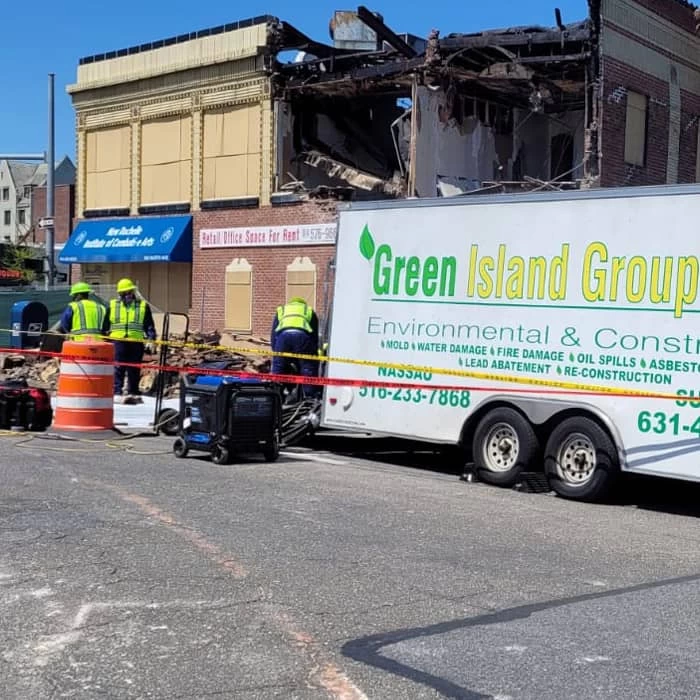
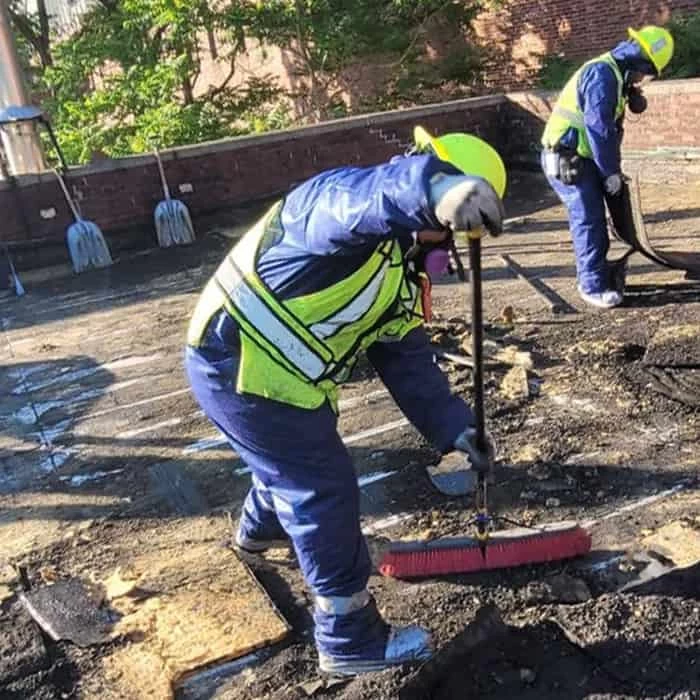
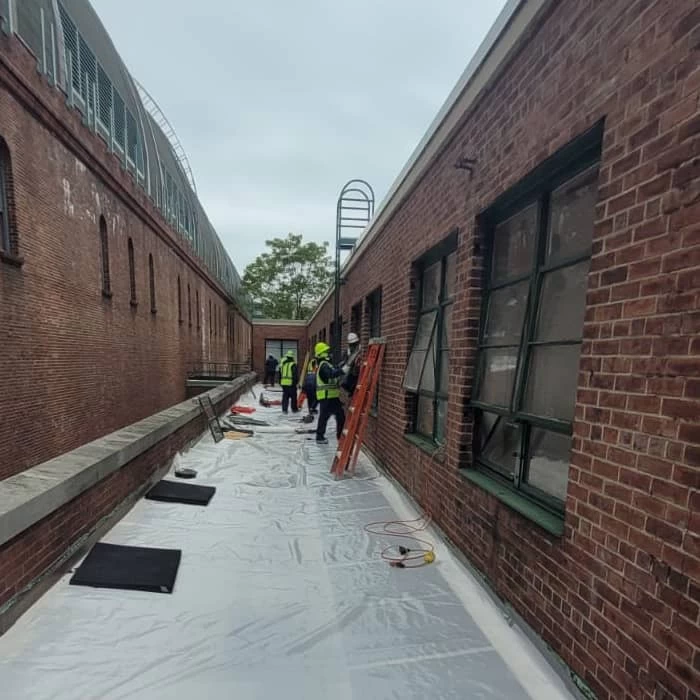
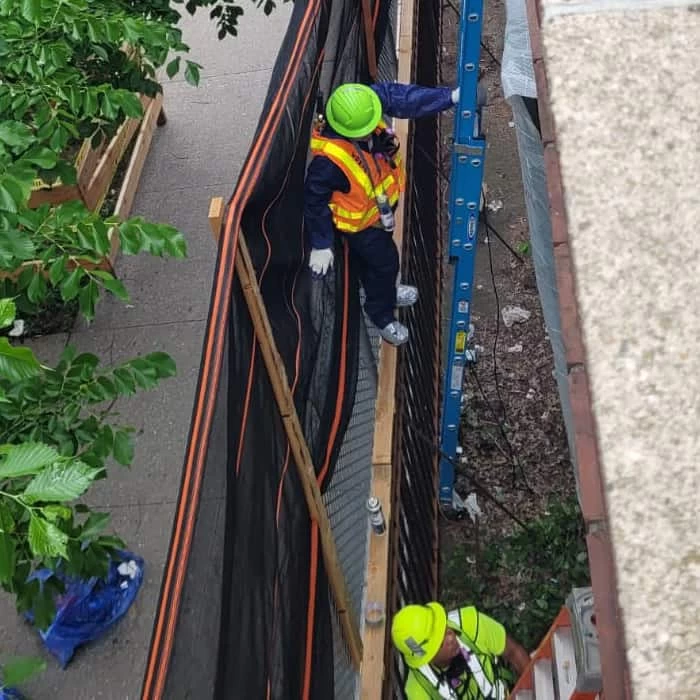
We respond to Harbor Isle within the hour — day or night — and handle everything from emergency stabilization to full reconstruction, including your insurance claim.
I needed a professional consultation explanation of procedure for safe removal of Asbestos in my apartment complex. Without having an account yet, I was very impressed with the caring, knowledgeable and generous advice offered by Jessica, and will look forward to doing business in the future. Thank you so much! I feel much more informed about a sometimes scary endeavor. Peace. Nancy Silva Mineola, NY.
Mia Munoz
Used this company to clean up some water flood in my house. They were fast and easy to work with.very professional, Would recommend to anyone!
Nini Valle
Great company, had a flood and they responded quickly and efficiently. Billed my insurance company directly. I highly recommend this company!
joe colapietro, jr
I had pipe freeze in my basement right before a snow storm and they made to within an hour to help start the clean up process. They we by our side throughout the entire process and even helped with the insurance company. They did such a great job with the cleanup, repair, remidiation, I contracted them to perform the repairs and finishes in the basement. They came with enough manpower and material to get the job done. Leo and Jessica were nothing but a pleasure to deal with!!
Cristian Arredondo c
I had some water damage in my home and Green Island was able to take care of my issue quickly and effectively. I am very pleased with the work they did. They responded quickly and were very professional.
Michael M
Outstanding service! From the office to the field crew everyone was friendly, helpful and responsive. I highly recommend Green Island Group.
A fire doesn’t just burn what it touches. Smoke moves through every room, every duct, every wall cavity — and in a compact Cape Cod or split-level ranch like most homes in Harbor Isle, that means the whole house can be affected by a fire that started in one room. The visible damage is just the beginning. The soot, the odor, the water left behind by firefighting efforts — those are what linger if they’re not handled correctly and quickly.
Harbor Isle’s housing stock adds another layer most homeowners don’t think about until they’re in the middle of it. The majority of homes here were built in the 1950s and 1960s, which means asbestos in floor tiles, ceiling tiles, and pipe insulation is common — and a structure fire exposes all of it. Any contractor who doesn’t hold a NYS DOL Asbestos License can’t legally or safely complete the full scope of work in a home like yours. That’s just how the regulations work, and it matters when you’re choosing who to call.
Then there’s the water. Harbor Isle sits at sea level, surrounded by Hog Island Channel and Wreck Lead Channel on three sides. Water from firefighting doesn’t drain fast here. Mold can take hold within 24 to 48 hours of water exposure, and in a waterfront community with limited natural drainage, that timeline is real. Getting a crew on-site fast — one that can extract water, dry the structure, and address mold risk at the same time as fire and smoke cleanup — is what separates a contained loss from a compounding one.
We’re a locally owned Long Island restoration company, not a franchise with a call center somewhere else. We’re IICRC-certified for fire and smoke damage restoration, licensed by the NYS DOL for asbestos and mold, USEPA-certified for lead, and hold a Nassau County General Contractor license — which means we can pull permits through the Town of Hempstead Building Department and see your project through to the final inspection. Most restoration companies can’t say that. They clean up and hand you off.
That matters in Harbor Isle specifically because the work almost always goes deeper than the surface. Mid-century homes, oil heat, tight lot spacing, tidal flooding history — this community has a specific set of conditions that require a contractor prepared for all of them, not just the ones that are easy to quote. We’ve completed over 5,000 restoration projects across New York State, including throughout Nassau County’s south shore, and we’ve seen what these homes actually contain. We know what the Town of Hempstead requires. We know how Nassau County insurance adjusters work. And we bill your insurance directly.
The first call triggers an emergency response. We arrive within the hour — which matters in a community accessible only by two bridges, where every minute of delay means more smoke bonding to surfaces, more water sitting in a structure that’s already at sea level. The first priority is stabilization: boarding up openings, tarping the roof if needed, and beginning water extraction before mold has a chance to establish.
From there, we conduct a full damage assessment — not just the burn zone, but every area smoke traveled, every surface soot reached, and every material that may have been disturbed by the fire. In Harbor Isle’s older homes, that assessment includes identifying asbestos-containing materials before any demolition work begins. This isn’t optional — NYS law requires it, and skipping it creates legal and health liability. If asbestos is present, we handle the abatement in-house with our NYS DOL license. No subcontractors you’ve never met, no project gaps while you wait for a separate crew.
Once the structure is cleared and cleaned, reconstruction begins under our Nassau County General Contractor license. Permits are pulled through the Town of Hempstead Building Department, structural work is completed to code, and the project doesn’t close until the inspection passes. Throughout the entire process, we’re documenting everything in insurance-standard format and communicating directly with your adjuster — so you’re not translating between your contractor and your insurance company while you’re displaced from your home.
Everything the Fire Touched — and Everything It Didn't But Still Reached
Fire damage restoration isn’t one service — it’s a sequence of them, and the full scope depends on what the fire exposed. For a Harbor Isle home, that typically means fire and structural damage in the origin area, smoke and soot contamination throughout the rest of the house, water damage from suppression efforts, potential asbestos or lead disturbance in pre-1978 construction, and mold risk from water sitting in a low-drainage coastal environment. We handle all of it under one contract.
On the smoke and soot side, we use air scrubbers, thermal fogging, ozone treatment, and NADCA-certified HVAC cleaning to address contamination throughout the entire structure — not just what’s visible in the burned room. Smoke odor that isn’t treated at the source will come back. Soot that isn’t fully removed from ductwork recirculates every time the system runs. In a home where oil heat is the norm and ductwork runs through every room, that’s not a minor detail. It’s also worth knowing that oil burner puff-backs — a common event in Nassau County’s oil-heated homes — create the same type of petroleum-based soot contamination and are typically covered by homeowners’ insurance. If that’s what happened to your home, the process is the same.
For homes requiring structural reconstruction, our Nassau County General Contractor license covers the full rebuild — framing, drywall, flooring, electrical coordination, plumbing coordination — all permitted through the Town of Hempstead and built to current code. You get one point of contact from the emergency call to move-back-in day.
Is it safe to stay in my Harbor Isle home after a fire?
In most cases, no — at least not immediately, and not without a professional assessment first. Even if the fire was contained to one room, smoke and combustion byproducts travel through HVAC systems and wall cavities throughout the entire structure. Those byproducts include benzene, formaldehyde, and carbon monoxide residues — none of which are safe to breathe, and none of which are visible to the eye.
In Harbor Isle’s older homes, a fire that disturbs building materials adds another concern: asbestos fibers and lead dust can become airborne when floor tiles, ceiling tiles, or pipe insulation are damaged. Until a licensed contractor has assessed the structure and cleared it, re-entry should be limited. Your insurance policy likely covers temporary housing during this period — we can help you document that claim as part of the overall restoration process.
How much does fire damage restoration typically cost in Nassau County?
The range is wide because the scope varies significantly. Industry data puts the average fire damage restoration project between $12,900 and $27,564, but a whole-house smoke and soot cleanup can add $200 to $1,200 per room on top of structural repair costs, which run $15,000 to $25,000 per room for significant damage. In Harbor Isle, where homes often contain asbestos-containing materials that require licensed abatement before reconstruction can begin, total costs can climb higher depending on what’s found.
The more important number is what your insurance covers — and that depends heavily on how well the damage is documented. We bill insurance directly and document every phase of the project in insurance-standard format. Our experience with Nassau County insurance adjusters means we know how to present the full scope of covered work, which directly affects what gets approved. Most Harbor Isle homeowners with standard homeowners’ policies have more coverage than they realize going in.
Does fire damage restoration include mold remediation if water was used to put out the fire?
It should — and with us, it does. Mold can begin growing within 24 to 48 hours of water exposure, and Harbor Isle’s geography makes this especially relevant. The community sits at sea level, surrounded by tidal channels, with limited natural drainage. Water from firefighting efforts doesn’t dissipate quickly in this environment, which means the window for preventing mold growth is shorter here than it is in higher, better-drained communities.
We hold a NYS DOL Mold Remediation Contractor License, which means we can legally perform mold remediation as part of the same project — no separate contractor, no gap in the timeline while you wait for someone else to assess the mold situation. Addressing water extraction, structural drying, and mold prevention simultaneously is how you avoid a contained fire loss turning into a much larger, more expensive combined remediation project weeks later.
What permits are required for fire damage reconstruction in Harbor Isle, NY?
Because Harbor Isle is an unincorporated hamlet, it’s governed by the Town of Hempstead — not a village-level authority like the adjacent Village of Island Park. That means all building permits for post-fire structural reconstruction are issued by the Town of Hempstead Building Department. Structural repairs, electrical work, plumbing work, and demolition all require separate permits, and only contractors holding a valid Nassau County General Contractor license can legally pull and execute those permits.
This is a detail that catches a lot of homeowners off guard. Many restoration companies are not licensed general contractors — they handle the cleanup and then leave you to find your own contractor for the rebuild. We hold the Nassau County GC license, which means we can manage the entire permit process through the Town of Hempstead and carry the project through final inspection. If you’re already dealing with displacement and an insurance claim, not having to separately source and vet a reconstruction contractor is a significant practical advantage.
My oil burner had a puff-back and coated my entire house in black soot — is that covered by homeowners' insurance?
Yes, in most cases. An oil burner puff-back — where a furnace misfire sends a backblast of petroleum-based soot through the heating system and into the living spaces of your home — is typically covered under the fire and smoke damage provisions of a standard homeowners’ insurance policy. It’s one of the most common restoration claims in Nassau County, where nearly every home runs on oil heat.
What makes puff-back cleanup more complex than typical smoke damage is the chemistry. Petroleum-based soot is oilier, stickier, and more chemically aggressive than wood-smoke soot, and it coats every surface the HVAC system reaches — walls, ceilings, furniture, clothing, and ductwork throughout the entire house. Standard cleaning won’t remove it. We use NADCA-certified HVAC cleaning combined with full-scope soot and odor remediation to address puff-back damage from the boiler room to the bedroom, and we document the scope for direct insurance billing. If this happened to your Harbor Isle home, the process is the same as a fire restoration claim — and the coverage is usually there.
How do I know if the restoration company I hire is actually qualified to work in my home?
In New York, the credentials that matter for fire damage restoration are specific and verifiable. IICRC certification for fire and smoke restoration is the industry’s only ANSI-accredited standard — it’s what insurance companies recognize when reviewing documented restoration work, and it requires ongoing renewal, not a one-time course. Beyond that, any contractor working in a pre-1978 home needs a NYS DOL Asbestos License if asbestos-containing materials are present, and a NYS DOL Mold Remediation License if mold remediation is part of the scope. For reconstruction work in Harbor Isle, a Nassau County General Contractor license is required to pull permits through the Town of Hempstead.
All of these licenses are publicly verifiable — you can look them up through the NYS Department of Labor and Nassau County’s contractor licensing database before you sign anything. We hold all of them. In a community as small and tight-knit as Harbor Isle, where most homes are long-term family properties and the stakes of a bad contractor experience are high, verifying credentials before work begins isn’t excessive caution — it’s just the right call.