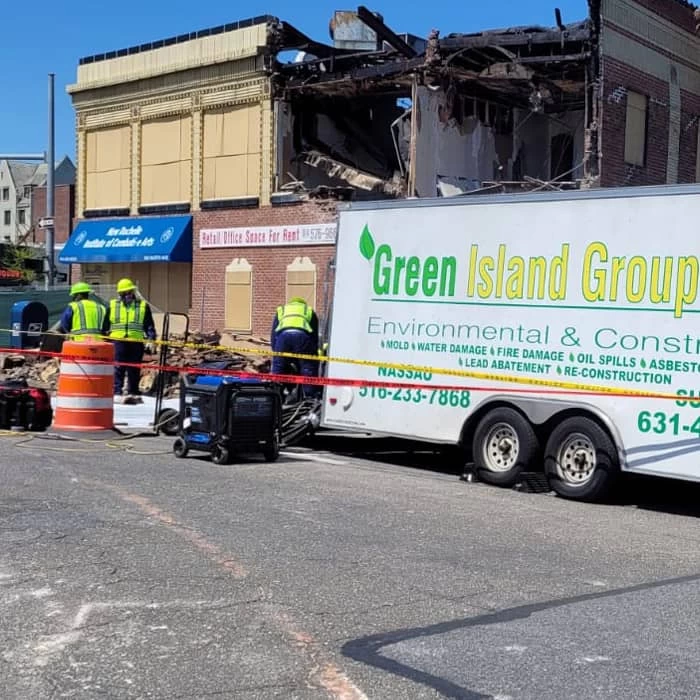
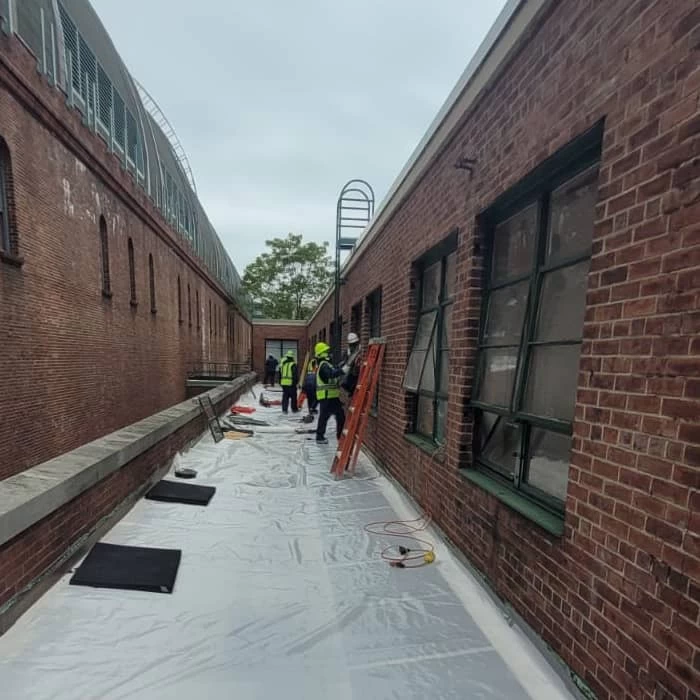
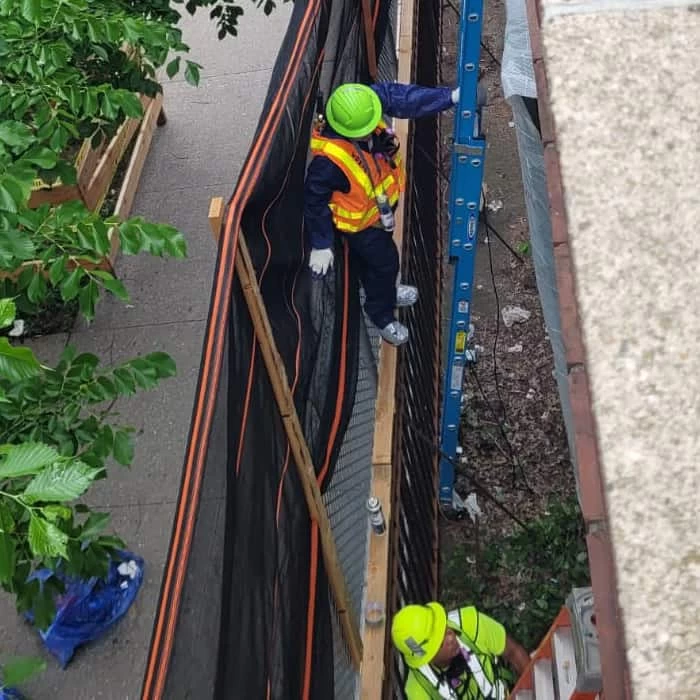
I needed a professional consultation explanation of procedure for safe removal of Asbestos in my apartment complex. Without having an account yet, I was very impressed with the caring, knowledgeable and generous advice offered by Jessica, and will look forward to doing business in the future. Thank you so much! I feel much more informed about a sometimes scary endeavor. Peace. Nancy Silva Mineola, NY.
Mia Munoz
Used this company to clean up some water flood in my house. They were fast and easy to work with.very professional, Would recommend to anyone!
Nini Valle
Great company, had a flood and they responded quickly and efficiently. Billed my insurance company directly. I highly recommend this company!
joe colapietro, jr
I had pipe freeze in my basement right before a snow storm and they made to within an hour to help start the clean up process. They we by our side throughout the entire process and even helped with the insurance company. They did such a great job with the cleanup, repair, remidiation, I contracted them to perform the repairs and finishes in the basement. They came with enough manpower and material to get the job done. Leo and Jessica were nothing but a pleasure to deal with!!
Cristian Arredondo c
I had some water damage in my home and Green Island was able to take care of my issue quickly and effectively. I am very pleased with the work they did. They responded quickly and were very professional.
Michael M
Outstanding service! From the office to the field crew everyone was friendly, helpful and responsive. I highly recommend Green Island Group.
What Full Restoration Actually Looks Like in Hewlett Neck
In a community like Hewlett Neck — where homes sit on generous lots, were built generations ago, and carry the kind of character you simply can’t rebuild from a catalog — fire damage is a different kind of problem. It’s not just about what burned. It’s about what the smoke traveled through, what the suppression water soaked into, and what hazardous materials may have been disturbed in a home that predates 1978. The stakes here are higher than in most of Nassau County, and the restoration needs to match that.
Smoke doesn’t respect room boundaries. In a large estate with extensive ductwork, smoke particles move through the HVAC system and embed into every connected space — long before the fire is out. That means a kitchen fire can leave soot residue in bedrooms on the opposite end of the house. Getting the smell out, the air clean, and the surfaces truly restored requires more than surface wiping. It requires NADCA-certified duct cleaning, professional-grade air treatment, and a team that understands how large, older homes actually breathe.
Then there’s the water. Every gallon used to suppress the fire becomes a mold risk within 24 to 48 hours. In Hewlett Neck’s waterfront climate — where the South Shore bay system already contributes to ambient humidity — that window closes fast. Restoration done right addresses the fire, the smoke, the water intrusion, and the mold risk as one continuous process. Not three separate calls to three separate contractors.
We’re a locally owned restoration company serving all of Nassau County, including Hewlett Neck and the surrounding Five Towns area. We’ve completed more than 5,000 restoration projects across New York State and operate 24 hours a day, every day of the year.
What separates us in this market isn’t just experience — it’s credentials. We hold IICRC certification for fire and water damage restoration, a Nassau County General Contractor license, NYS DOL licenses for asbestos and mold remediation, and USEPA Lead/RRP certification. For Hewlett Neck specifically, that last two matter more than most homeowners realize. Many of the homes here were built before 1978, which means fire damage can legally require licensed hazardous materials handling before any reconstruction begins. We can do all of it — no handoffs, no gaps, no second contractor to vet while you’re displaced.
We also bill insurance companies directly and have guided hundreds of Long Island homeowners through the claims process. That means less paperwork on your end and a better chance your coverage actually reflects the full scope of the damage.
The first step is getting someone to your property fast. We commit to on-site arrival within one hour of your call, around the clock. That matters because acidic soot begins permanently bonding to metal fixtures, painted surfaces, and custom finishes within hours of a fire. In a Hewlett Neck home with original architectural details or high-end materials, every hour of delay narrows the window of what can actually be saved.
Once on-site, our team assesses the full scope — not just the burn zone, but the smoke path, the water intrusion from suppression, and any structural concerns. If the home was built before 1980, we’ll evaluate for asbestos-containing materials that may have been disturbed. This assessment drives the full restoration plan and the insurance documentation, which is built to carrier standards from day one.
From there, the work moves in a logical sequence: structural stabilization and securing the property, water extraction and drying, smoke and soot removal from all affected surfaces and ductwork, hazardous materials remediation if needed, and then full reconstruction under our Nassau County GC license. Because Hewlett Neck is an incorporated village with its own building department on Piermont Avenue, permitted reconstruction work goes through the village — not Nassau County directly. We handle that process as part of the job, not as an afterthought.
Fire Smoke Damage Restoration Services, Hewlett Neck
Built for the Complexity of Hewlett Neck Homes
Fire damage restoration in Hewlett Neck isn’t a one-size-fits-all service. The homes here are large, often historic, and built with materials and systems that require experienced hands. Our scope of work reflects that reality.
On the remediation side, that includes full smoke and soot removal from all affected surfaces, professional-grade odor elimination using thermal fogging and ozone treatment, NADCA-certified HVAC cleaning to clear contaminated ductwork, and water extraction and structural drying to eliminate mold risk before it starts. For homes with oil heat — which is common throughout the Five Towns area — puff-back soot contamination is handled with the same thoroughness as fire-related smoke damage, because the cleanup requirements are nearly identical.
If the assessment uncovers asbestos or lead paint disturbance — a realistic scenario in any Hewlett Neck home built before 1978 — that work is handled in-house under the proper NYS DOL and USEPA credentials. No subcontracting, no liability gaps. And when the remediation is complete, the reconstruction phase begins under the same team, using the same Nassau County GC license that covers permitted work within the village. Contents documentation, insurance billing, and project coordination are all handled from the first call to the final walkthrough.
Is my Hewlett Neck home safe to re-enter after a fire?
Not always — and the answer depends on more than whether the fire is out. Structural damage, compromised electrical systems, and airborne soot particles can all make a fire-damaged home unsafe to occupy, even if the visible damage looks contained to one area. In Hewlett Neck’s older housing stock, there’s an additional layer: if the fire disturbed building materials that contain asbestos or lead paint — both common in homes built before 1978 — re-entering without proper testing and clearance creates a genuine health risk.
The right move is to let a licensed restoration professional assess the property before you go back in. We can evaluate structural integrity, air quality, and hazardous materials exposure as part of the initial site assessment. If it’s safe to re-enter, we’ll tell you. If it isn’t, we’ll tell you that too — along with exactly what needs to happen before it is.
How long does fire damage restoration typically take for a large home?
It depends on the scope, but for a large residential property — the kind common in Hewlett Neck — a realistic timeline ranges from a few weeks for smoke and soot remediation to several months when structural reconstruction is involved. The variables that affect timeline the most are the extent of the burn zone, how far smoke traveled through the HVAC system, how much water was used in suppression, and whether hazardous materials were disturbed.
In Hewlett Neck specifically, the permitting process through the village’s own building department adds a step that doesn’t apply in unincorporated parts of Nassau County. That’s not a problem — it’s just something that needs to be built into the project timeline from the start. We handle the permitting process as part of the job, so you’re not left managing that on your own while you’re displaced from your home.
Will my homeowners insurance cover fire damage restoration in New York?
In most cases, yes — standard homeowners insurance policies in New York cover fire damage, including smoke damage, water damage from firefighting suppression, and the cost of temporary housing while restoration is underway. But what the policy covers in theory and what an adjuster actually approves in practice can be two different things. Adjusters work for the insurance company, not for you, and without thorough documentation, it’s easy for legitimate losses to be undervalued or missed entirely.
We document every step of the restoration process to insurance-carrier standards — photographs, written damage assessments, scope-of-work reports, and line-item estimates. We bill insurance companies directly and have worked with carriers on hundreds of Long Island claims. If the adjuster’s initial estimate doesn’t reflect the full scope of damage to your Hewlett Neck property, that’s a conversation we’re equipped to have on your behalf.
What is an oil burner puff-back, and is it covered like fire damage?
A puff-back happens when an oil burner misfires and backfires through the system, coating the interior of your home with oily, black soot. It’s not a fire in the traditional sense — there’s no open flame — but the cleanup is essentially the same. Soot gets into ductwork, coats walls and ceilings, and embeds into fabrics and finishes throughout the home. In a large Hewlett Neck estate with significant square footage and a complex HVAC system, a puff-back can contaminate a substantial portion of the house in seconds.
Oil heat is extremely common throughout the Five Towns area, and puff-backs are one of the most frequent restoration calls we handle on Long Island. Most homeowners insurance policies do cover puff-back damage, though the documentation requirements are the same as any other smoke damage claim. The remediation process — soot removal, duct cleaning, odor elimination — is handled identically to fire-related smoke damage.
How do professionals actually get rid of smoke smell after a fire?
Surface cleaning alone doesn’t do it. Smoke odor persists because the particles that carry it are microscopic — they penetrate drywall, insulation, wood framing, and HVAC ductwork, not just the surfaces you can see and wipe down. If the smell keeps coming back after a fire, it’s because the source hasn’t been fully addressed.
Professional smoke odor elimination uses a combination of methods depending on what the assessment finds. Thermal fogging introduces a deodorizing agent in vapor form that penetrates the same porous materials the smoke did. Ozone treatment breaks down odor-causing molecules at the molecular level. NADCA-certified HVAC cleaning clears contaminated ductwork so the system stops redistributing smoke particles every time it runs. In a large Hewlett Neck home where the HVAC serves thousands of square feet across multiple zones, that duct cleaning step is often what makes the difference between a home that smells clean and one that doesn’t — even after everything else is done.
Does fire damage restoration in Hewlett Neck require a permit?
For cosmetic work — cleaning, painting, replacing flooring — probably not. But for any structural repairs, electrical work, or significant reconstruction, yes, permits are required. And because Hewlett Neck is an incorporated village with its own municipal government, those permits come from the Village of Hewlett Neck’s building department directly — not from Nassau County or the Town of Hempstead. That’s a distinction that catches some contractors off guard, particularly those who primarily work in unincorporated parts of the county and aren’t familiar with how village-level permitting works here.
We hold a Nassau County General Contractor license and are experienced working within incorporated Nassau County villages, including the permitting requirements specific to Hewlett Neck. We pull the necessary permits, coordinate with the village building department, and make sure the reconstruction work is done to code — so you don’t end up with unpermitted work that creates problems when you eventually sell the property or file a future insurance claim.