Howard Beach Homes Deserve More Than a Cleanup Crew
Fire damage in a neighborhood like this where families have lived for decades and homes carry real history needs more than a mop and a dumpster. We handle the full restoration, from emergency board-up to final finishes, so you can focus on what actually matters.
I needed a professional consultation explanation of procedure for safe removal of Asbestos in my apartment complex. Without having an account yet, I was very impressed with the caring, knowledgeable and generous advice offered by Jessica, and will look forward to doing business in the future. Thank you so much! I feel much more informed about a sometimes scary endeavor. Peace. Nancy Silva Mineola, NY.
Mia Munoz
Used this company to clean up some water flood in my house. They were fast and easy to work with.very professional, Would recommend to anyone!
Nini Valle
Great company, had a flood and they responded quickly and efficiently. Billed my insurance company directly. I highly recommend this company!
joe colapietro, jr
I had pipe freeze in my basement right before a snow storm and they made to within an hour to help start the clean up process. They we by our side throughout the entire process and even helped with the insurance company. They did such a great job with the cleanup, repair, remidiation, I contracted them to perform the repairs and finishes in the basement. They came with enough manpower and material to get the job done. Leo and Jessica were nothing but a pleasure to deal with!!
Cristian Arredondo c
I had some water damage in my home and Green Island was able to take care of my issue quickly and effectively. I am very pleased with the work they did. They responded quickly and were very professional.
Michael M
Outstanding service! From the office to the field crew everyone was friendly, helpful and responsive. I highly recommend Green Island Group.
A fire doesn’t just burn what you can see. Smoke moves through walls, gets into HVAC systems, soaks into insulation, and settles into every corner of a structure. By the time the FDNY clears the scene, the damage has already traveled well beyond the visible char marks. If it’s not addressed completely not just cleaned up on the surface you’ll be living with odor, compromised air quality, and hidden structural issues for years.
In Howard Beach specifically, this gets more complicated fast. Most of the homes in Rockwood Park, Spring Park, and Old Howard Beach were built in the 1950s and ’60s. That means older wiring, aging insulation, and materials that were standard back then but require licensed abatement today including asbestos. Before any real restoration work can begin in a home of that era, a proper survey has to happen. Skipping that step isn’t just a legal problem, it’s a health one.
There’s also the water factor. When the FDNY fights a fire in Howard Beach, thousands of gallons go into the structure. In a neighborhood that already sits in a FEMA flood zone where nearly 2,000 homes were damaged during Sandy water intrusion after a fire isn’t a minor secondary issue. It becomes its own problem within 24 to 48 hours. Mold, structural softening, and moisture trapped behind walls can turn a recoverable situation into something much worse if a restoration team isn’t handling both at the same time.
We Know Howard Beach and We Know What's Behind These Walls
We’ve been doing restoration work across Queens County long enough to know that no two neighborhoods are the same and Howard Beach is genuinely its own category. The housing stock here, the flood zone reality, the NYC DOB permit requirements, the asbestos-era construction these aren’t abstract concerns. They’re the actual conditions we work in every time we take on a project in this zip code.
We’re fully licensed to work in New York City, which matters more here than it would in a lot of other markets. NYC DOB permits, demolition approvals, and asbestos abatement coordination aren’t optional steps they’re mandatory, and getting them wrong adds weeks to a project and real money to the final cost. We handle all of it, so you’re not managing a compliance checklist on top of everything else you’re already dealing with.
When you call us, you get a team that’s worked in homes off Cross Bay Boulevard, in Lindenwood, and throughout the neighborhoods that make up Howard Beach. That familiarity isn’t a marketing point it directly affects how we assess damage, sequence the work, and protect your investment from start to finish.
From the Night of the Fire to the Day You're Back Inside
The first call sets everything in motion. We respond 24/7 because fire damage doesn’t hold until Monday morning and our first priority is getting to the property quickly to assess what’s there and secure what’s at risk. That means emergency board-up, tarping, and structural stabilization before anything else. In a neighborhood with Howard Beach’s tidal exposure, leaving a compromised structure open overnight isn’t just a security issue it’s an invitation for water intrusion that compounds the damage immediately.
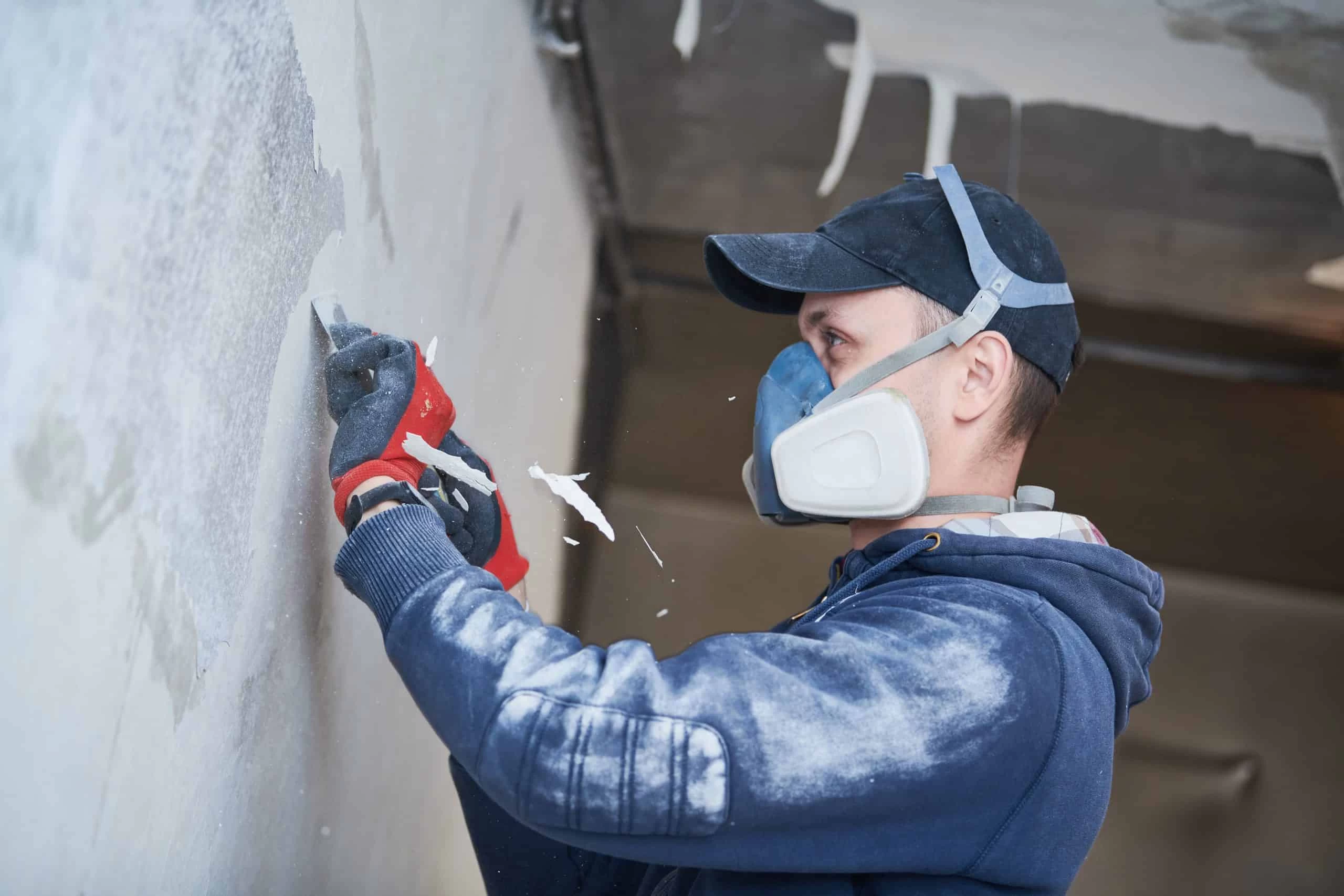
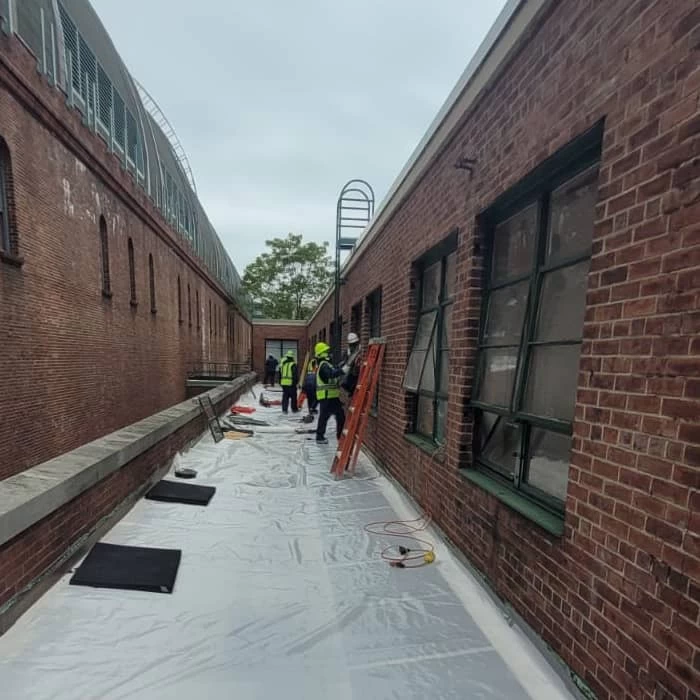
Once the property is secured, we do a full assessment: structural damage, smoke and soot penetration, water saturation from firefighting efforts, and for homes built before 1987, which is most of Howard Beach an asbestos survey before any demolition or debris removal begins. This is a required step under NYC regulations and one that some contractors skip or rush. We don’t. It protects you legally and protects everyone on the job site.
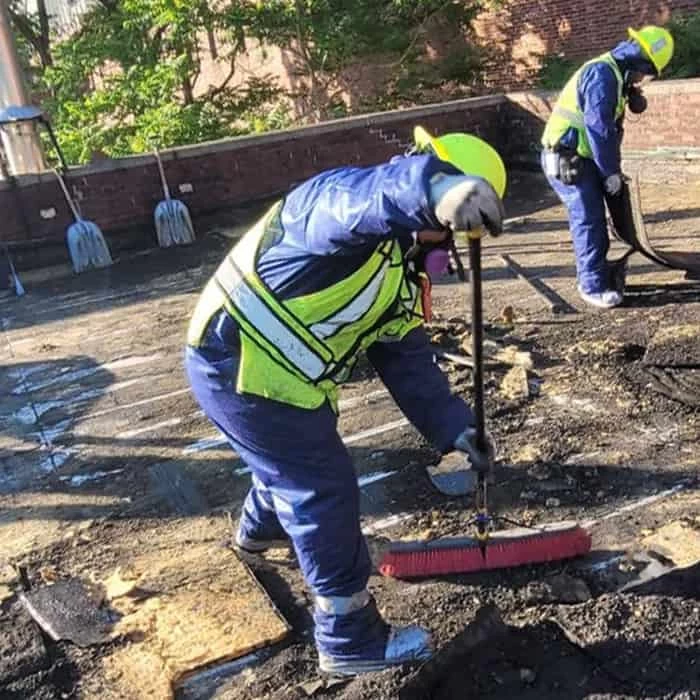
From there, we move into the actual restoration work: controlled demolition of unsalvageable material, structural drying, smoke and odor remediation using air scrubbers and thermal fogging, and then full structural repair through final finishes. Throughout the process, we coordinate directly with your insurance adjuster documenting everything, providing the detailed records they need, and making sure the claim reflects the actual scope of the damage. You shouldn’t have to fight that battle while you’re also trying to figure out where your family is staying.
Fire and Smoke Damage Restoration Services, Queens NY
Everything the Job Requires Not Just the Easy Parts
Fire damage restoration in Howard Beach isn’t a single service it’s a sequence of interconnected work that has to happen in the right order, by people who understand what they’re dealing with. We handle the full scope: emergency response and board-up, asbestos survey coordination, licensed demolition, structural drying and moisture control, smoke and soot remediation, odor neutralization, structural repairs, and final finishes. One team, one point of contact, start to finish.
The smoke and odor piece deserves specific attention because it’s where a lot of restoration jobs fall short. Smoke particles don’t just sit on surfaces they penetrate HVAC systems, get behind drywall, and embed in structural cavities. We use professional-grade air scrubbers, hydroxyl generators, and thermal fogging to address odor at the source, not just mask it. For a home in Howard Beach worth around $600,000, incomplete odor remediation isn’t a cosmetic issue it directly affects resale value and livability.
We also work directly with your insurance company throughout the entire process. That includes documentation, adjuster communication, and making sure combined damage scenarios fire damage plus water damage from firefighting, which is extremely common in Howard Beach are properly captured in your claim. Many Howard Beach homeowners carry both a standard homeowner’s policy and a separate NFIP flood policy. Navigating both simultaneously, especially after a traumatic event, is exactly the kind of thing you shouldn’t have to figure out alone.
What should I do immediately after a fire in my Howard Beach home?
The most important thing is to not re-enter the property until the FDNY has cleared it as structurally safe. Once you have that clearance, your next call should be to a licensed restoration contractor not a general handyman, not a cleaning service. The first 24 to 48 hours are critical. Smoke residue continues to cause damage after the fire is out, soot becomes harder to remediate the longer it sits, and any water used in firefighting begins creating secondary damage mold, structural softening, and moisture migration almost immediately.
In Howard Beach, there’s an added layer: if your home was built before 1987, which covers most of the neighborhood’s housing stock, you cannot legally begin demolition or debris removal until a licensed asbestos survey has been completed. A contractor who skips that step is putting you at legal and financial risk, not just health risk. Call us, and we’ll walk you through exactly what needs to happen and in what order.
How long does fire damage restoration typically take for a Queens County home?
There’s no honest one-size answer here because scope varies enormously a contained kitchen fire is a very different job than a fire that spread through the attic of a split-level in Rockwood Park. Most residential fire restoration projects in Queens County range from two to eight weeks for the full process, depending on the extent of structural damage, how much smoke and soot penetration occurred, and whether asbestos abatement is required.
In New York City, the permitting process through the NYC Department of Buildings adds time that wouldn’t apply in other markets. Structural repair work requires DOB permits, and demolition requires a separate approval. If asbestos is found and needs to be abated, that phase alone can add one to two weeks before restoration work can begin. We factor all of this into the timeline we give you upfront, so there are no surprises. A realistic schedule communicated clearly from the start is something every Howard Beach homeowner deserves.
Does homeowner's insurance cover fire damage restoration in New York?
In most cases, yes standard homeowner’s insurance policies cover fire damage, including smoke damage, water damage from firefighting efforts, and temporary living expenses if your home is uninhabitable during restoration. The key is documentation. Insurance adjusters work from what’s in front of them, and a poorly documented claim will result in a lower payout than the damage actually warrants.
This is especially relevant for Howard Beach homeowners who may be carrying both a standard homeowner’s policy and a separate NFIP flood insurance policy. When a fire results in significant water intrusion which is common here, given how much water the FDNY uses to fight a fire in a densely built neighborhood sorting out what falls under which policy requires careful documentation from the start. We work directly with your adjuster throughout the process, providing the detailed records and damage assessments they need to process your claim accurately. You focus on your family. We handle the paperwork side of the recovery.
Is smoke smell after a fire something that goes away on its own over time?
No and this is one of the most common misconceptions homeowners have after a fire. Smoke odor does not dissipate on its own. The particles that cause the smell have embedded into porous materials: drywall, insulation, wood framing, HVAC ductwork, and even the concrete foundation in some cases. Opening windows and running fans moves air around, but it doesn’t remove the source of the odor.
Professional smoke and odor remediation uses a combination of HEPA air scrubbers, thermal fogging, and hydroxyl generators to break down odor-causing compounds at the molecular level not just mask them. In a Howard Beach home where the HVAC system runs constantly during summer months to manage the heat and humidity off Jamaica Bay, an untreated smoke odor in the duct system will circulate through every room every time the system runs. Getting it done right the first time is significantly less expensive than discovering the problem six months later when you’re trying to sell or rent the property.
Do I need a permit to restore my home after a fire in New York City?
Yes, and this is non-negotiable in New York City. Any structural repair work following a fire framing, electrical, plumbing, exterior modifications requires a permit from the NYC Department of Buildings. Demolition of fire-damaged sections requires a separate demolition permit. These aren’t formalities; they’re enforced, and work done without proper permits can result in stop-work orders, fines, and complications when you eventually sell the property.
For homes in Howard Beach built before 1987, there’s an additional regulatory layer: a licensed asbestos survey must be completed before any demolition or debris removal begins. If asbestos-containing materials are identified, licensed abatement is required before restoration work can proceed. We manage the entire permit and compliance process DOB filings, asbestos survey coordination, abatement oversight so the project stays on schedule and fully above board. This is one of the clearest reasons to work with a contractor who is actually licensed to operate in New York City, not just one who works in the outer boroughs occasionally.
Why does fire restoration in Howard Beach cost more than in other parts of Queens?
A few factors stack on top of each other here that genuinely don’t apply the same way in other parts of Queens. First, the age of the housing stock. Most homes in Howard Beach particularly in Rockwood Park, Spring Park, and Old Howard Beach were built in the 1950s and ’60s, which means asbestos surveys and potential abatement are a standard part of the job, not an exception. That adds real cost and real time before structural work can begin.
Second, the NYC DOB permitting process applies to all five boroughs, but the complexity of navigating it for fire-damaged structures especially when combined water damage is involved requires experienced contractors who know the system. Permit fees, licensed abatement contractors, and the documentation required for dual insurance claims (homeowner’s policy plus NFIP flood coverage, which many Howard Beach residents carry) all contribute to a higher baseline cost than a similar fire in a newer, inland neighborhood might require. The cost is real, and we’ll explain every line of it. What you’re paying for is a restoration that’s done legally, completely, and in a way that holds up when your insurance company, your adjuster, and eventually a future buyer all take a close look at the work.