When Your Huntington Station Home Takes a Hit, You Need More Than a Cleanup Crew
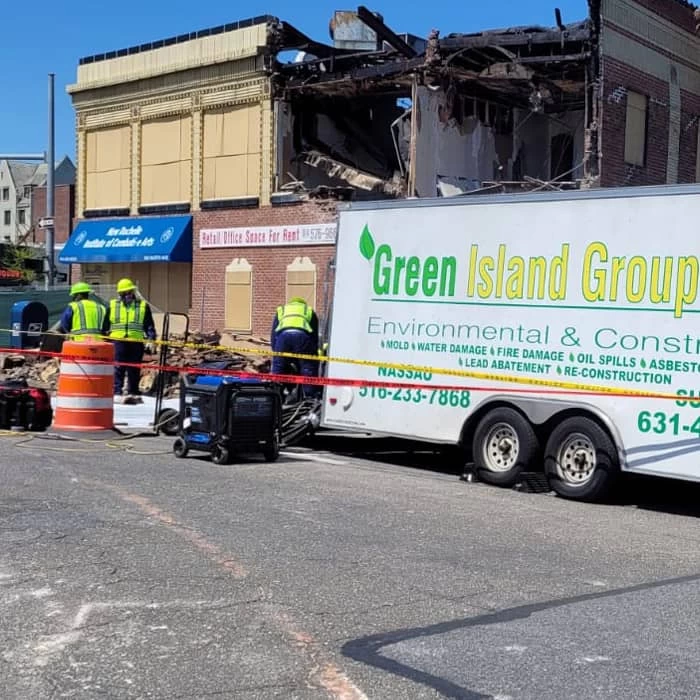
Fire damage in an older Long Island home is rarely just what you can see. We handle fire damage restoration in Huntington Station from the first call to the finished room including what’s behind the walls.
I needed a professional consultation explanation of procedure for safe removal of Asbestos in my apartment complex. Without having an account yet, I was very impressed with the caring, knowledgeable and generous advice offered by Jessica, and will look forward to doing business in the future. Thank you so much! I feel much more informed about a sometimes scary endeavor. Peace. Nancy Silva Mineola, NY.
Mia Munoz
Used this company to clean up some water flood in my house. They were fast and easy to work with.very professional, Would recommend to anyone!
Nini Valle
Great company, had a flood and they responded quickly and efficiently. Billed my insurance company directly. I highly recommend this company!
joe colapietro, jr
I had pipe freeze in my basement right before a snow storm and they made to within an hour to help start the clean up process. They we by our side throughout the entire process and even helped with the insurance company. They did such a great job with the cleanup, repair, remidiation, I contracted them to perform the repairs and finishes in the basement. They came with enough manpower and material to get the job done. Leo and Jessica were nothing but a pleasure to deal with!!
Cristian Arredondo c
I had some water damage in my home and Green Island was able to take care of my issue quickly and effectively. I am very pleased with the work they did. They responded quickly and were very professional.
Michael M
Outstanding service! From the office to the field crew everyone was friendly, helpful and responsive. I highly recommend Green Island Group.
A house fire doesn’t end when the flames go out. Smoke travels through ductwork, seeps into wall cavities, and settles into every room including ones that never saw a single flame. In a ranch or Cape Cod, which make up most of Huntington Station’s housing stock, that spread happens fast. Soot starts permanently etching surfaces within 24 to 72 hours. The clock is already running by the time the fire trucks leave your street.
Then there’s the water. The Huntington Manor Fire Department does its job but suppression hoses push roughly 250 gallons per minute into your home. That water soaks into floors, subfloors, and wall cavities, and mold can start developing within 24 to 48 hours of a fire being put out. If the restoration company you call only handles fire and smoke, you’re already behind on the water damage side.
What you actually need is someone who can walk into a pre-1960 home on a Huntington Station block, assess the full picture smoke, soot, water, air quality, and any environmental hazards that fire may have disturbed and handle every piece of it. That’s what a complete restoration looks like. Not a patchwork of separate contractors. One team, one process, and a home that’s genuinely safe to live in again.
We’re independently owned and operated on Long Island not a franchise territory, not a national brand with a local phone number. That matters when you’re dealing with a fire in a home that was built in 1952 and sits two blocks from the LIRR tracks on a lot where your neighbor’s house is close enough to touch.
We serve Nassau and Suffolk Counties, and Huntington Station is a community we know well. The older housing stock along the New York Avenue corridor, the mix of ranch homes and Cape Cods, the asbestos and lead paint that come standard in pre-1960 construction none of that is a surprise to us. We hold the environmental remediation credentials to handle what we find, and we don’t subcontract the hard parts out.
When you call, you reach real people who know this area. Our customers have named Leo and Jessica by name in their reviews not because we asked them to, but because that’s how we operate. Local accountability isn’t a talking point. It’s just how the work gets done.
Fire Damage Restoration Process Huntington Station
From Emergency Call to Finished Room Here's the Honest Walkthrough
It starts with the call. When you reach out, we move fast documented response times under an hour, because we’re not routing your call through a national dispatch center. We get to your Huntington Station home, assess the full scope of damage, and stabilize the property first. That means boarding up openings, tarping the roof if needed, and making sure the structure is secure before anything else happens.
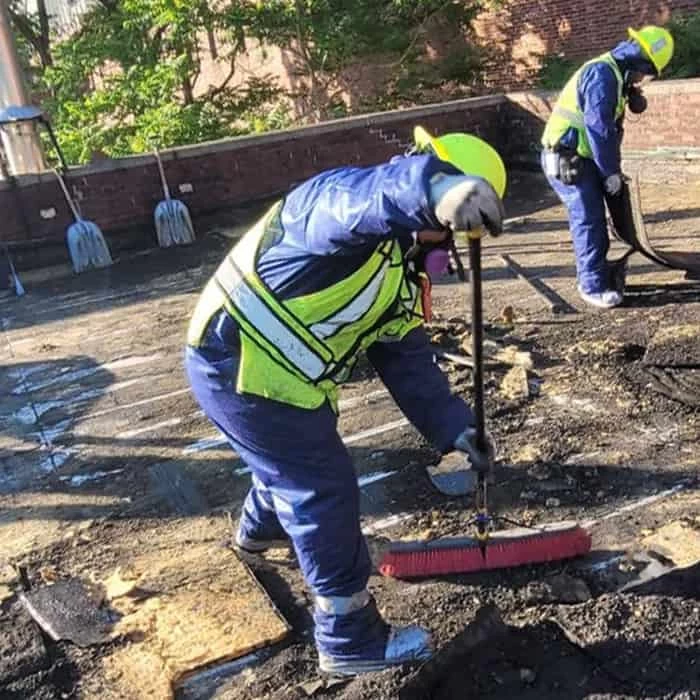
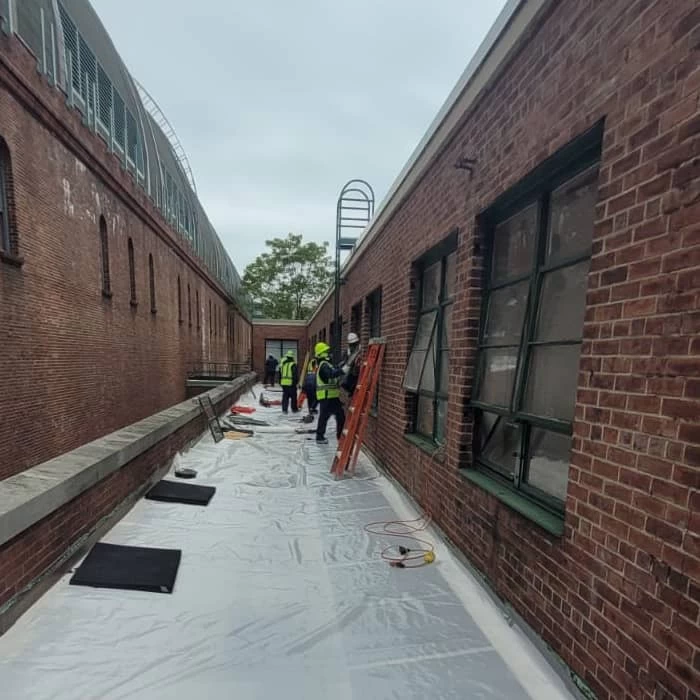
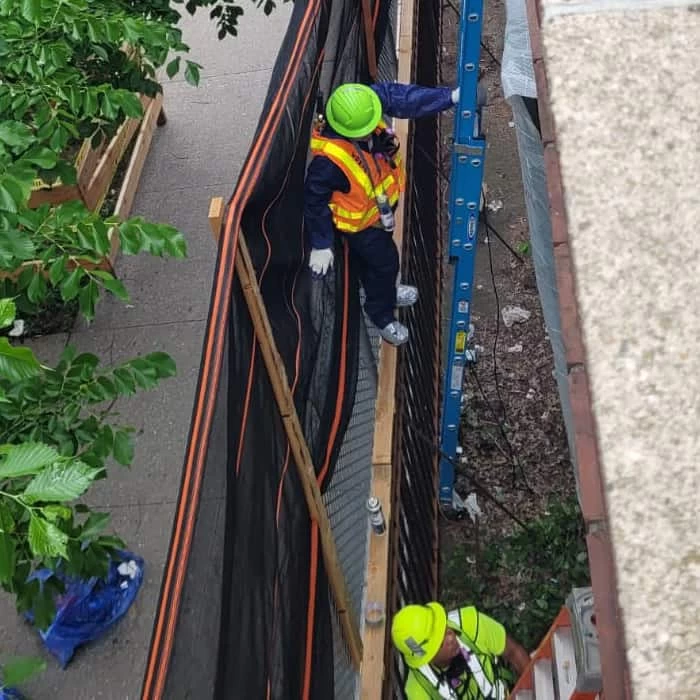
From there, we work through the damage systematically. Soot and smoke remediation, water extraction from firefighting efforts, air quality testing, and a full assessment for environmental hazards including asbestos, which is present in a significant portion of Huntington Station’s pre-1960 homes. If asbestos-containing materials were disturbed by the fire, New York State law requires certified abatement before reconstruction can begin. We handle that in-house, which keeps the project moving instead of stalling while you wait for a separate contractor.
Once the remediation is complete, we move into reconstruction. Framing, drywall, electrical, flooring, finishing whatever the fire took, we rebuild it. The Town of Huntington Building Department requires permits for structural and mechanical work following fire damage, and we manage that process so you’re not navigating it alone. By the time we’re done, your home isn’t just livable it’s restored.
Fire damage restoration isn’t one service. It’s a sequence of overlapping problems that have to be addressed in the right order by a team that’s equipped for all of them. We cover the full scope: emergency stabilization and board-up, smoke and soot remediation throughout the entire structure, water damage extraction and drying from suppression efforts, mold prevention and remediation, environmental hazard removal including asbestos abatement and lead paint compliance, and complete structural reconstruction through final finishes.
For Huntington Station homeowners specifically, the environmental piece is not optional. Homes built before 1960 which describes most of the residential stock in this community are highly likely to contain asbestos in pipe insulation, floor tiles, ceiling texture, and roofing materials. A fire that disturbs those materials creates a hazardous situation that requires New York State Department of Labor certified abatement. We hold that certification. Similarly, virtually all pre-1978 homes contain lead paint, and EPA RRP Rule compliance is required when those surfaces are disturbed during restoration. We don’t skip steps to move faster.
We also stand with you through the insurance process. With median home values in Huntington Station now approaching $663,000, the financial outcome of your claim matters enormously. We help document the full scope of damage, communicate with your adjuster, and make sure your claim reflects what actually happened not a minimized version of it. Our customers have called this out specifically as the reason they were glad they called us.
Does fire damage restoration in Huntington Station require permits from the town?
Yes and it’s not a minor detail. Any structural repairs, electrical work, plumbing, or HVAC work following a fire requires permits from the Town of Huntington Building Department. This applies whether you’re rebuilding a single room or a significant portion of the home. Skipping permits doesn’t just create legal risk it can create serious problems when you go to sell the property or file a future insurance claim.
For homeowners in Huntington Station, this step is especially important because the older construction common in this community often means the restoration work touches original systems aging electrical panels, older plumbing configurations, or structural elements that need to meet current code when rebuilt. We manage the permitting process as part of the restoration, so you’re not left trying to navigate the Town of Huntington’s Building Department on your own while you’re already dealing with everything else a fire brings.
My house fire was contained to the kitchen does the rest of my home need restoration?
In most cases, yes and this surprises a lot of homeowners. Smoke doesn’t respect room boundaries. It travels through HVAC ductwork, around door frames, and into wall cavities within minutes of a fire starting. In a ranch-style home or Cape Cod the most common home types in Huntington Station the open floor plans and shared duct systems mean smoke and soot can reach every room in the house before the fire is even out.
The rooms that look fine are often the ones that need the most attention, because the damage isn’t visible. Carbon particles and volatile organic compounds from burned synthetic materials settle into soft surfaces, insulation, and ductwork and continue off-gassing long after the fire is out. Air quality testing is the only way to know what you’re actually dealing with. We assess the full structure, not just the burn area, so you’re not moving back into a home that looks clean but still has real air quality problems.
What happens to asbestos in older Huntington Station homes when there's a fire?
This is one of the most important questions a Huntington Station homeowner can ask, and it’s one that a lot of restoration companies aren’t equipped to answer honestly. Most homes in this community were built between 1930 and 1960, which means asbestos-containing materials are very likely present in pipe insulation, floor tiles, ceiling texture, roofing materials, and sometimes siding. Under normal conditions, intact asbestos isn’t an immediate hazard. But a fire changes that entirely.
When fire damages or destroys materials containing asbestos, those fibers can become airborne which is when they become dangerous. New York State law requires that any asbestos abatement be performed by a contractor holding NYSDOL certification. This isn’t something a general contractor or a fire-only restoration company can legally handle. We hold the environmental remediation credentials to perform certified asbestos abatement in-house, which means the hazard gets addressed properly and the project doesn’t stall waiting for a separate licensed subcontractor to become available.
How does the insurance claim process work for fire damage restoration in New York?
Filing a fire damage claim in New York starts with notifying your insurance carrier and getting an adjuster assigned to assess the damage. Where homeowners often run into problems is in that assessment adjusters work for the insurance company, and their initial scope of damage may not capture everything that actually needs to be restored. Smoke damage in ductwork, water damage from suppression, environmental hazards, and the full cost of reconstruction are all areas where claims can come in lower than the actual scope of work requires.
We help you navigate that process from the beginning. We document the full scope of damage thoroughly including areas that aren’t immediately visible and we’re available to communicate directly with your adjuster to make sure the claim reflects what the job actually requires. For Huntington Station homeowners with homes valued at $600,000 or more, the difference between a well-documented claim and an underdocumented one can be significant. You shouldn’t have to fight that battle alone while you’re also trying to figure out where your family is staying.
How long does fire damage restoration typically take for a Long Island home?
The honest answer is that it depends on the scope but most residential fire damage restoration projects fall somewhere between two weeks and several months, depending on how much of the home was affected and what the remediation work reveals. A contained kitchen fire with limited smoke spread might be resolved in two to three weeks. A fire that affected multiple rooms, triggered significant water damage from suppression, and disturbed asbestos-containing materials in an older home will take considerably longer.
For Huntington Station homes specifically, the age of the construction is the biggest variable. Pre-1960 homes frequently reveal additional complications once work begins original electrical systems that need to be brought up to code, plaster walls that behave differently than modern drywall, and environmental materials that require certified handling before reconstruction can start. The Town of Huntington permitting process also adds time to the reconstruction phase. We give you a realistic timeline upfront based on what we actually find during the assessment, not an optimistic number designed to get you to sign.
Is it safe to stay in my house after a fire while restoration is being done?
In most cases involving a significant structure fire, no and this isn’t a liability disclaimer, it’s a practical reality. Smoke residue contains carbon particles, formaldehyde, and volatile organic compounds from burned synthetic materials that are genuinely harmful to breathe, especially for children. Huntington Station is a family-heavy community, with nearly a quarter of residents under 18, and the air quality inside a fire-damaged home can remain hazardous well after the visible smoke has cleared.
Beyond air quality, structural integrity is a concern in any home where fire affected load-bearing elements, and water-saturated materials create active mold risk within 24 to 48 hours of suppression. Whether it’s safe to remain depends on the specific scope of damage and which areas of the home were affected. We assess that honestly during our initial walkthrough and give you a straight answer not a blanket “you have to leave” if it’s not warranted, and not a green light to stay if the conditions don’t support it. Your family’s safety is the first thing we look at, not the last.