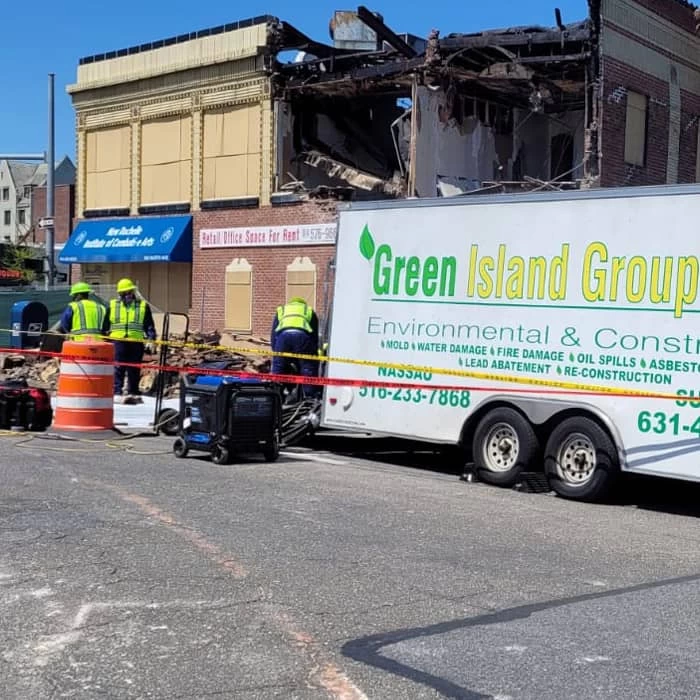
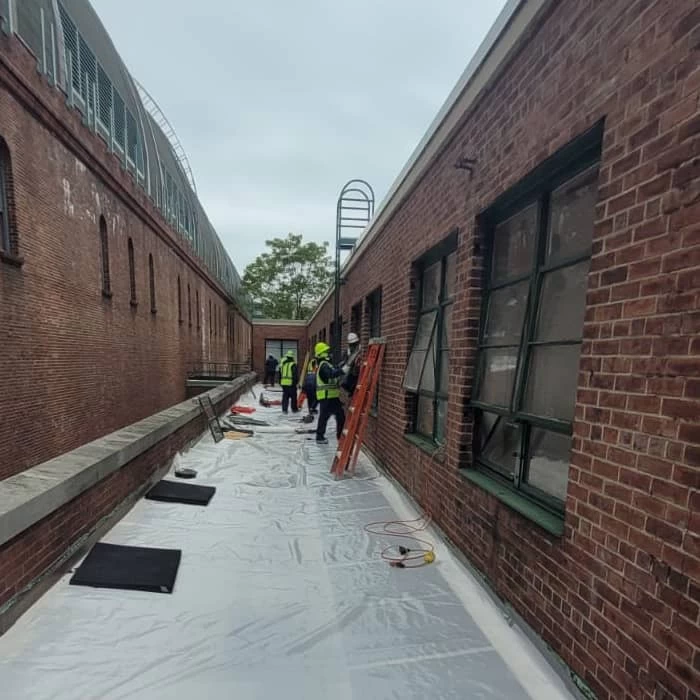
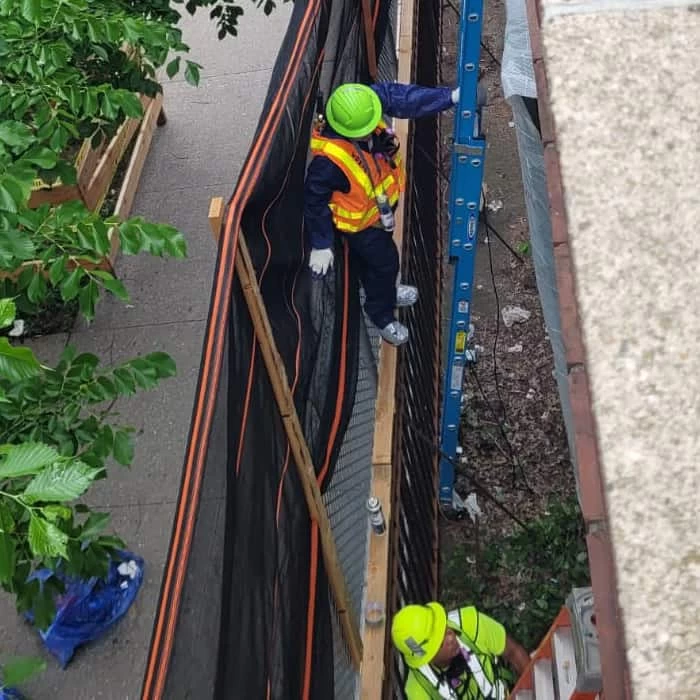
Smoke travels fast, soot sets permanently, and Islip’s coastal humidity starts the mold clock the moment firefighting water hits your walls. We respond fast and handle everything from fire and smoke damage restoration through full reconstruction, so you’re not managing five different contractors during the worst week of your life.
I needed a professional consultation explanation of procedure for safe removal of Asbestos in my apartment complex. Without having an account yet, I was very impressed with the caring, knowledgeable and generous advice offered by Jessica, and will look forward to doing business in the future. Thank you so much! I feel much more informed about a sometimes scary endeavor. Peace. Nancy Silva Mineola, NY.
Mia Munoz
Used this company to clean up some water flood in my house. They were fast and easy to work with.very professional, Would recommend to anyone!
Nini Valle
Great company, had a flood and they responded quickly and efficiently. Billed my insurance company directly. I highly recommend this company!
joe colapietro, jr
I had pipe freeze in my basement right before a snow storm and they made to within an hour to help start the clean up process. They we by our side throughout the entire process and even helped with the insurance company. They did such a great job with the cleanup, repair, remidiation, I contracted them to perform the repairs and finishes in the basement. They came with enough manpower and material to get the job done. Leo and Jessica were nothing but a pleasure to deal with!!
Cristian Arredondo c
I had some water damage in my home and Green Island was able to take care of my issue quickly and effectively. I am very pleased with the work they did. They responded quickly and were very professional.
Michael M
Outstanding service! From the office to the field crew everyone was friendly, helpful and responsive. I highly recommend Green Island Group.
What Your Islip Home Looks Like When It's Actually Done Right
After a fire, the visible damage is rarely the whole story. Smoke doesn’t stay in the room where the fire started in Islip’s older homes, many with HVAC systems that push air through every room, soot and odor can penetrate the entire house within minutes. Rooms that never saw a flame often need full remediation. If that hidden contamination isn’t addressed, you’re left with lingering smells, health risks from airborne particulates, and structural problems that compound over time.
There’s also the water. Firefighting suppression delivers enormous amounts of water into your home, and on the South Shore, where Great South Bay humidity is a year-round reality, that water doesn’t evaporate quickly. Mold can begin developing within 24 to 48 hours of a fire event. On the water, response time matters more here than in drier inland communities.
When the job is done correctly, you get your home back not a patched version of it. No smoke smell that comes back when the heat kicks on. No discoloration on your plaster walls or hardwood floors. No mold developing behind drywall six months later. A complete, properly documented restoration that holds up to your insurance adjuster, your building inspector, and the next buyer if you ever sell.
Long Island-Based, Not a Franchise We're Your Neighbors
We’re an independently owned Long Island restoration company serving Suffolk and Nassau Counties. No national call center. No franchise playbook. When you call, you’re talking to a local team that works in Islip, knows the South Shore housing stock, and has a real stake in how the job turns out.
The homes in Islip many built in the 1950s and 1960s, within a mile or two of the Great South Bay come with specific challenges that a generic restoration template doesn’t account for. Older construction materials, coastal moisture exposure, Town of Islip building permit requirements, and the real possibility of asbestos in pre-1978 homes all affect how a fire restoration needs to be handled. Our team has navigated all of it, and we handle it all in-house no subcontracting the hard parts.
Customers consistently name the same people across independent reviews. That’s not a coincidence it’s how we operate. You get consistent professionals who know your project from the first call to the final walkthrough, not a different crew every morning.
No Guesswork Here's Exactly What Happens After You Call
The first thing that happens is someone actually shows up. We respond quickly documented at under an hour in real customer reviews because in a coastal environment like Islip, the window between water intrusion and mold development is short. The initial visit is a full damage assessment: visible fire and burn damage, smoke and soot spread, water from suppression, and any structural concerns that affect safety or access.
From there, the scope of work gets documented thoroughly and that documentation matters for your insurance claim. We work alongside you through the claims process, helping ensure the adjuster sees the full picture, not just the surface damage. For Islip homes built before 1978, that scope often includes an asbestos survey, which the Town of Islip’s Building Division requires before renovation or demolition permits are issued. If asbestos-containing materials are present, abatement happens before reconstruction begins handled in-house, legally, without stopping the project to find a separate certified contractor.
Once the site is cleared and permitted, restoration moves in sequence: water extraction and structural drying, smoke and soot remediation, odor neutralization including ductwork, and then full reconstruction to bring the home back to pre-loss condition. You’re kept informed throughout. The job isn’t considered done until the result matches what was promised.
One Company Covers Everything Islip's Older Homes Actually Need
Most fire restoration companies handle the visible damage and move on. Our scope goes further, because in a community where the median home was built in 1966 and sits in a coastal environment, “just the fire damage” rarely captures the full picture.
We cover fire and burn damage repair, smoke and soot remediation throughout the structure including inside wall cavities and ductwork water extraction and structural drying from firefighting suppression, mold remediation if moisture has already taken hold, asbestos abatement for pre-1978 homes where required, and full reconstruction from framing through finished surfaces. Contents restoration for salvageable belongings is also part of the process. For Islip homeowners dealing with a home near the bay or in one of the South Shore neighborhoods closer to the water, the moisture component of this work is treated with the same urgency as the fire damage itself.
The insurance piece is built into our process, not bolted on as an afterthought. We help document damage, communicate with adjusters, and make sure the claim reflects the real scope of what the home needs not a minimum payout. On a home valued at $600,000 or more, that advocacy has a direct and significant financial impact. The work comes backed by a satisfaction guarantee: the job isn’t finished until you’re satisfied with the result.
Does fire damage in Islip homes usually involve asbestos, and how is that handled?
It depends on when your home was built, but in Islip where the median construction year is 1966 there’s a real and meaningful chance that your home contains asbestos-containing materials. Floor tiles, ceiling tiles, pipe insulation, joint compound, and certain roofing materials were all commonly used with asbestos before the federal ban on residential use in 1978. A fire that damages any of these materials doesn’t just create a cleanup problem it creates a regulated abatement situation.
The Town of Islip’s Building Division requires an asbestos survey before renovation or demolition permits are issued. That means if your fire restoration involves any structural work and most do you’ll need a certified asbestos survey as part of the permitting process. We handle this in-house. The survey happens early, abatement is completed before reconstruction begins, and the project continues without the delay that comes from trying to find a separate certified contractor mid-job. You don’t have to manage that coordination yourself.
How does coastal humidity in Islip affect mold risk after a house fire?
Islip sits directly on the Great South Bay, and the ambient humidity that comes with that waterfront location has a direct effect on how quickly mold develops after a fire. Firefighting suppression introduces significant amounts of water into the structure walls, floors, insulation, subfloor materials. In a drier inland environment, that water has more time to be extracted before mold takes hold. On the South Shore, the elevated humidity slows evaporation and accelerates microbial growth. Mold can begin developing within 24 to 48 hours of water intrusion.
This is why response time is treated as a service specification here, not just a convenience. The faster water extraction and structural drying begin, the smaller the mold remediation scope becomes. We bring industrial-grade drying equipment and start that process as part of the initial emergency response not as a separate follow-up visit. If mold has already begun when we arrive, remediation is handled in-house as part of the overall restoration, not handed off to a third party.
Will my homeowners insurance cover fire damage restoration in New York?
In most cases, yes standard homeowners insurance policies in New York cover fire damage restoration, including smoke and soot remediation, water damage from firefighting suppression, and structural reconstruction. But the coverage you receive depends heavily on how the damage is documented and how the claim is presented to your adjuster. An underdocumented claim on a $600,000 Islip home can result in a payout that doesn’t come close to covering the full scope of what the restoration actually requires.
We work alongside homeowners through the claims process not just completing the restoration, but helping document the full extent of damage, communicating with adjusters, and making sure the scope of work is accurately represented. This isn’t a legal service or public adjusting it’s a restoration company that understands the insurance process well enough to help you navigate it without getting shortchanged. Multiple customers have specifically cited this support as one of the most valuable parts of working with us, particularly on larger claims involving older South Shore homes.
How long does fire damage restoration typically take for a home in Islip, NY?
There’s no single honest answer to this, because the timeline depends on the size of the fire, how far smoke and soot traveled through the home, whether asbestos abatement is required, and how quickly the insurance claim is processed. A smaller kitchen fire with limited smoke spread might be resolved in two to three weeks. A fire that involved significant structural damage, smoke throughout the home, water intrusion, and asbestos in pre-1978 materials which describes a meaningful percentage of Islip homes can take two to four months or longer.
What affects the timeline most in Islip specifically is the permitting and abatement process. The Town of Islip Building Division requires permits for structural reconstruction, and if an asbestos survey reveals ACMs that need abatement, that work has to be completed and inspected before reconstruction can begin. Working with a company that handles all of this in-house rather than waiting on subcontractors or separate abatement firms keeps the project moving as efficiently as the process allows. We manage the permitting and abatement coordination so you don’t have to.
Is it safe to stay in my Islip home after a fire while restoration is underway?
Usually not, and the reasons go beyond what most homeowners expect. The visible fire and burn damage is obvious. What’s less obvious is the air quality. Smoke and soot contain a complex mix of particulates, carbon compounds, and in older Islip homes, potentially disturbed asbestos fibers or lead paint dust. These aren’t hazards that disappear when the smoke clears they settle into surfaces, circulate through HVAC systems, and continue to pose health risks until the remediation is complete.
There’s also the structural safety question. Fire compromises load-bearing elements, electrical systems, and structural connections in ways that aren’t always visible from the outside. Until a proper assessment has been completed and any hazardous materials have been identified and contained, occupying the home carries real risk. Most homeowners insurance policies include Additional Living Expenses (ALE) coverage, which covers reasonable temporary housing costs while your home is being restored. If you’re not sure whether your policy includes this, we can help you review the claim documentation to confirm what you’re entitled to.
What's the difference between fire damage cleanup and full fire damage restoration?
Cleanup refers to removing debris, wiping down surfaces, and clearing out what’s visibly damaged. It’s a starting point, but it’s not restoration. Full fire damage restoration means returning the home to its pre-loss condition structurally, cosmetically, and from an air quality standpoint. That includes addressing smoke and soot that traveled beyond the fire area, extracting water from firefighting suppression, drying and treating structural materials, remediating any mold that developed, and completing all reconstruction work from framing through finished surfaces.
For a home in Islip, the distinction matters more than it might in a newer home in a drier climate. Older construction materials absorb smoke and odor differently than modern materials. Coastal humidity means moisture-related damage compounds faster. And if asbestos-containing materials were disturbed by the fire, cleanup without proper abatement isn’t just incomplete it’s a regulatory and health violation. We handle the full scope, not just the surface layer, and the satisfaction guarantee means the job isn’t considered done until the home is genuinely restored not just cleaned up and handed back.