When a Fire Hits a Jackson Heights Building, Every Hour Counts
In a neighborhood built on prewar brick and shared walls, fire damage doesn’t stay in one apartment and waiting to call someone makes everything worse. We respond fast, document everything, and handle the hard parts so you don’t have to.
I needed a professional consultation explanation of procedure for safe removal of Asbestos in my apartment complex. Without having an account yet, I was very impressed with the caring, knowledgeable and generous advice offered by Jessica, and will look forward to doing business in the future. Thank you so much! I feel much more informed about a sometimes scary endeavor. Peace. Nancy Silva Mineola, NY.
Mia Munoz
Used this company to clean up some water flood in my house. They were fast and easy to work with.very professional, Would recommend to anyone!
Nini Valle
Great company, had a flood and they responded quickly and efficiently. Billed my insurance company directly. I highly recommend this company!
joe colapietro, jr
I had pipe freeze in my basement right before a snow storm and they made to within an hour to help start the clean up process. They we by our side throughout the entire process and even helped with the insurance company. They did such a great job with the cleanup, repair, remidiation, I contracted them to perform the repairs and finishes in the basement. They came with enough manpower and material to get the job done. Leo and Jessica were nothing but a pleasure to deal with!!
Cristian Arredondo c
I had some water damage in my home and Green Island was able to take care of my issue quickly and effectively. I am very pleased with the work they did. They responded quickly and were very professional.
Michael M
Outstanding service! From the office to the field crew everyone was friendly, helpful and responsive. I highly recommend Green Island Group.
The fire is out, but the damage isn’t done. Smoke keeps penetrating walls. Soot keeps settling into surfaces. Water from the FDNY’s hoses sits inside the cavities of a 1930s brick building, and without professional drying, mold follows within days. The longer that window stays open, the more expensive and complicated your restoration becomes.
Jackson Heights has a housing stock that makes this especially serious. These prewar co-op buildings many of them built between the 1920s and 1940s have plaster walls, wooden joists, and aging HVAC systems that absorb smoke and moisture deeply. A kitchen fire on the second floor doesn’t just affect one unit. It travels through shared ductwork, stairwells, and utility chases into neighboring apartments, hallways, and common areas. That’s what actually happens here in Jackson Heights.
When you bring in our team, you stop the clock on secondary damage. Your unit gets assessed thoroughly, not just visually. Smoke odor gets treated at the source, not masked. And if you’re in a multi-unit building which most Jackson Heights residents are the scope gets documented properly so every affected space is accounted for, not just the one where the fire started.
New York-Based, Jackson Heights-Fluent, and Built for This Work
We’re a New York-based restoration company not a national franchise operating out of a call center three states away. That distinction matters more than it sounds. When your building is a landmarked prewar co-op in the Jackson Heights Historic District, between 76th and 88th Streets, the restoration process involves layers that a generic franchise simply isn’t equipped to navigate: NYC Department of Buildings permits, Landmarks Preservation Commission review, co-op board coordination, and in some cases, Queens Housing Court documentation.
We know Jackson Heights. We know how these buildings are built, how fire moves through them, and what it takes to bring them back properly. We’ve worked with property owners, landlords, managing agents, and tenants across Jackson Heights and Queens and we understand that in this neighborhood, a fire rarely affects just one family. Our job is to make sure every affected resident gets a thorough, documented restoration not just the unit that made the first call.
Fire Damage Restoration Process, Jackson Heights NY
No Guesswork Here's Exactly What Happens Next
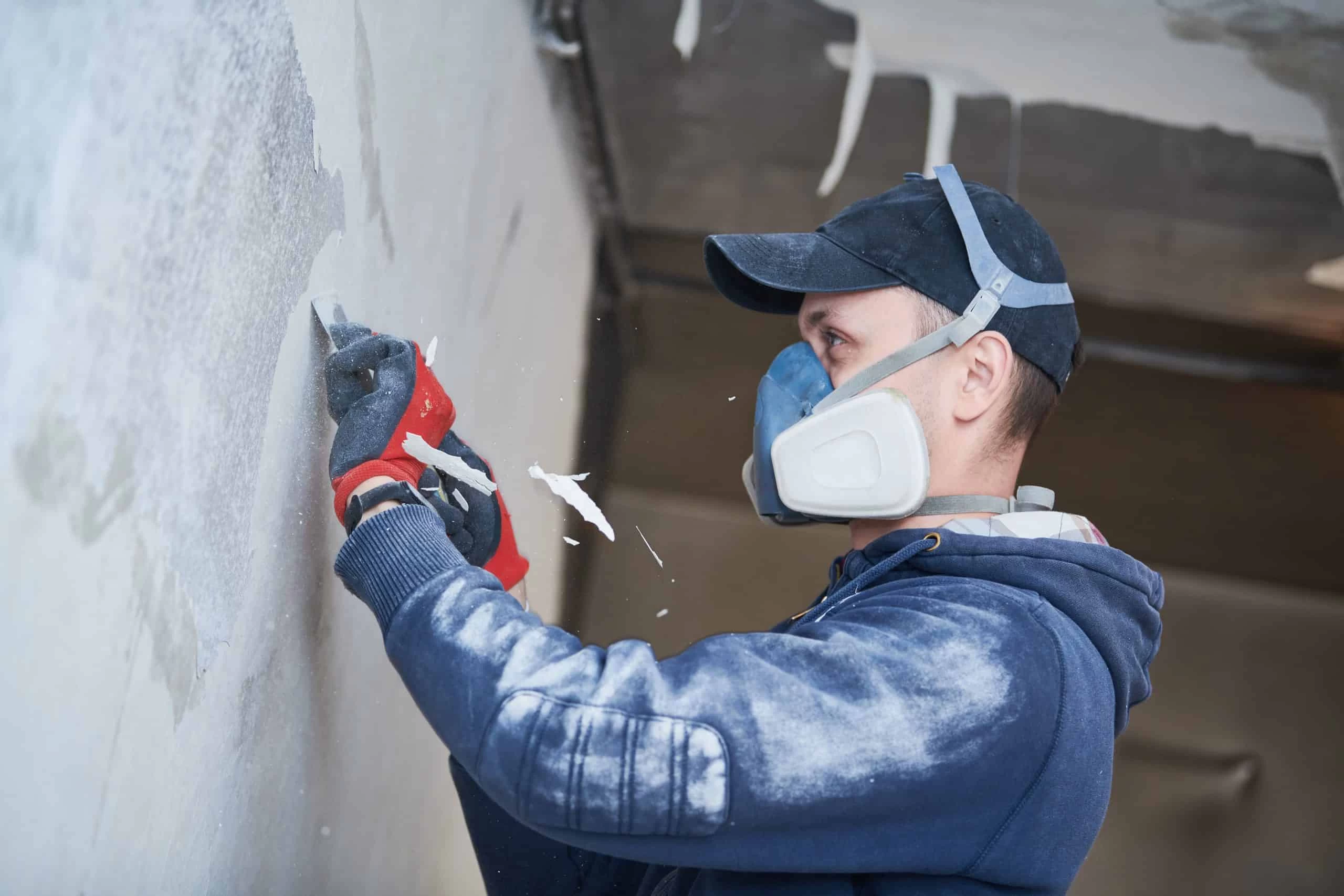
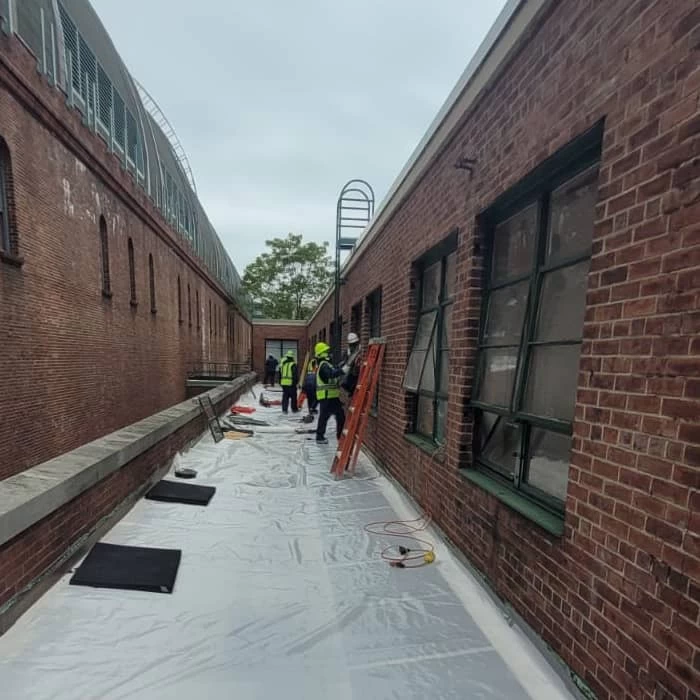
The first thing we do is get eyes on the damage fast. When you call, we dispatch a team to assess the full scope: the fire-affected unit, adjacent spaces, shared systems, and any areas where smoke or water has migrated. In Jackson Heights’s dense apartment buildings, that assessment often covers more ground than the property owner initially expects, and that’s by design. Missing secondary damage now means discovering it later, usually in the form of mold or structural deterioration.
From there, we secure the property, begin emergency drying if water is present, and start the documentation process. If your building falls within the Jackson Heights Historic District, we flag any work that will require Landmarks Preservation Commission review before permits are pulled so you’re not hit with a compliance issue mid-project. We communicate directly with your insurance adjuster throughout, providing the detailed damage documentation you need to process your claim accurately.
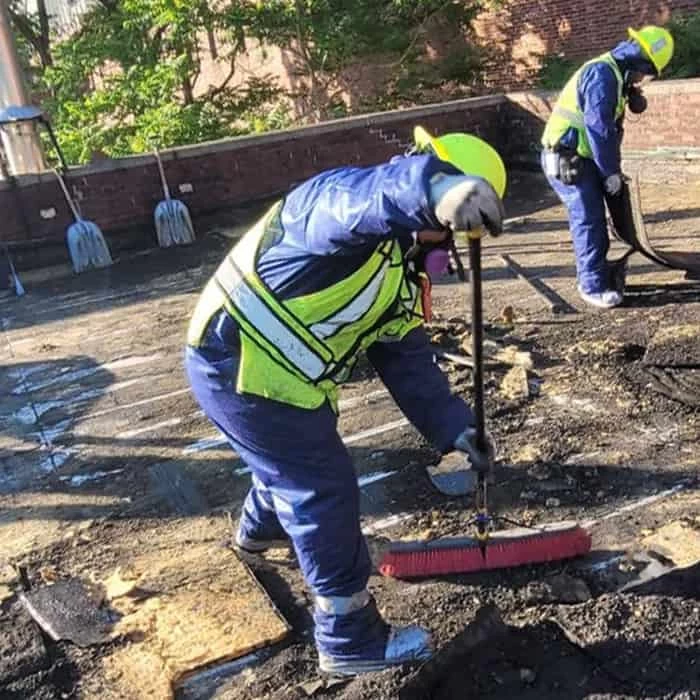
Once the remediation phase is complete smoke and soot removed, surfaces treated, moisture eliminated structural repairs begin. We work through the NYC Department of Buildings permit process, coordinate with building management where needed, and don’t close the job until the space is genuinely restored to pre-fire condition. You’ll know where things stand at every step.
Fire damage restoration isn’t a single service it’s a sequence of them, and cutting any step short creates problems down the line. We handle the full scope: emergency securing and board-up, professional smoke and soot remediation, structural drying and mold prevention, odor elimination at the source, contents assessment and cleaning, structural repair, and final restoration to pre-fire condition.
For Jackson Heights specifically, that scope often includes things other companies don’t anticipate. Multi-unit buildings mean coordinating with building management and co-op boards. Landmarked properties in the Historic District mean LPC review before exterior or historically significant interior work can proceed. A large renter population means some clients need restoration documentation formatted for Queens Housing Court proceedings to support a tenant’s right to return or a landlord’s compliance with New York Real Property Law § 235-b, the Warranty of Habitability.
We also treat mold prevention as a standard part of every fire restoration job, not an add-on. In Jackson Heights’s older brick buildings, the water used to fight a fire doesn’t drain cleanly it saturates walls and building cavities that take days to dry without professional intervention. Skipping that step isn’t a cost-saver. It’s a guarantee that you’ll be dealing with a second remediation project within weeks. We don’t let that happen.
What should I do immediately after a fire in my Jackson Heights apartment?
The most important thing you can do in the first hour is not re-enter the unit without clearance. Even after the FDNY has left, smoke residue, compromised structural elements, and water-saturated flooring can make a fire-damaged apartment genuinely unsafe. Let the building superintendent or managing agent know what happened, and call a restoration company before you start cleaning anything yourself because improper cleaning of soot and smoke residue can actually drive it deeper into surfaces and make professional remediation harder and more expensive.
Once you have clearance to enter, document everything with photos before anything is moved or touched. If you’re a renter in Jackson Heights, contact your landlord in writing text or email creates a timestamp because under New York Real Property Law § 235-b, your landlord has a legal obligation to restore the unit to a safe, livable condition. If you’re a co-op owner, notify your building’s managing agent and your insurance carrier the same day. The faster the restoration process starts, the less secondary damage accumulates and in Jackson Heights’s older buildings, secondary damage from smoke and moisture moves quickly.
Does my insurance cover fire damage restoration, and how does the claims process work?
In most cases, yes fire damage restoration is covered under standard homeowner’s and renter’s insurance policies, but the details depend on your specific policy and how the claim is filed. For co-op owners in Jackson Heights, the situation can be more complex: the building’s master policy typically covers structural elements and common areas, while your personal co-op owner’s policy covers your unit’s interior and belongings. Understanding which policy applies to which damage is one of the first things we help you sort out.
For renters, your renter’s insurance covers your personal property and in some cases temporary housing costs while your unit is being restored. Your landlord’s policy covers the building and unit structure. We work directly with insurance adjusters we provide detailed, itemized damage documentation that satisfies adjuster requirements and supports full claim recovery. We’ve seen claims get underpaid when damage isn’t documented thoroughly, and that’s something we actively work to prevent on every job.
How long does fire damage restoration take in a Jackson Heights apartment building?
The honest answer is that it depends on the scope and in Jackson Heights’s multi-unit buildings, the scope is often larger than it first appears. A contained kitchen fire in a single unit with no structural damage might be fully restored in one to two weeks. A fire that spread through shared walls, affected multiple units, or required significant structural repair could take four to eight weeks or longer, especially if the property is within the Jackson Heights Historic District and requires Landmarks Preservation Commission review before certain work can proceed.
The permit process through the NYC Department of Buildings adds time to any structural repair work, and that timeline is largely outside our control. What we can control is how quickly we mobilize, how thoroughly we document, and how efficiently we move through each phase of the job. We give every client a realistic timeline upfront not an optimistic one designed to win the job because surprises during a restoration are the last thing you need when you’re displaced from your home.
As a renter in Jackson Heights, what are my rights if my landlord won't restore my fire-damaged apartment?
New York Real Property Law § 235-b the Warranty of Habitability requires your landlord to maintain your apartment in a safe and livable condition. A fire-damaged unit that hasn’t been properly restored is a clear violation of that warranty, and you have legal recourse. If your landlord is unresponsive or moving too slowly, you can file a complaint with the NYC Department of Housing Preservation and Development (HPD), or bring a proceeding in Queens Housing Court to compel repairs and seek a rent abatement for the period your apartment was uninhabitable.
Documentation is everything in that process. If we’re involved in restoring your unit, we provide detailed damage assessments and restoration records that are formatted to support housing court proceedings not just internal project notes. Jackson Heights has an active tenant community, and organizations like the 89th Street Tenant Union have navigated exactly these situations after major fire events in the neighborhood. Knowing your rights and having the paperwork to back them up puts you in a much stronger position.
Can smoke and soot from a nearby unit affect my apartment even if my unit didn't catch fire?
Yes, and this is one of the most commonly overlooked aspects of fire damage in Jackson Heights’s apartment buildings. Smoke and soot travel through HVAC systems, elevator shafts, stairwells, and the gaps around utility pipes and electrical conduits. In prewar buildings which make up the majority of Jackson Heights’s housing stock these pathways are often less sealed than in modern construction, which means smoke migration to adjacent and even non-adjacent units is common after a significant fire.
Soot isn’t just a cosmetic issue. It’s chemically corrosive, and it continues to damage surfaces, fabrics, and finishes the longer it sits. It also carries health risks, particularly for children, elderly residents, and anyone with respiratory conditions. If you live in a building where a fire occurred even on a different floor it’s worth having your unit assessed. We can evaluate smoke and soot presence in adjacent units and provide remediation where it’s needed, not just in the unit of origin.
My building is in the Jackson Heights Historic District does that affect the restoration process?
It does, and it’s one of the reasons working with a New York-based restoration company matters for properties in this neighborhood. The Jackson Heights Historic District which covers roughly 600 buildings between 76th and 88th Streets is both an NYC Landmark District and a National Historic District. That designation means any exterior work, and in some cases interior work affecting historically significant architectural elements, requires review and approval from the NYC Landmarks Preservation Commission before the NYC Department of Buildings will issue permits.
In practical terms, this adds a step to the restoration timeline that most national franchise companies aren’t prepared to navigate. We factor LPC review into the project plan from day one identifying which elements of the restoration require commission approval, preparing the necessary documentation, and building the review period into the schedule so it doesn’t become a surprise delay mid-project. If you own or manage a property in the Historic District, this is exactly the kind of local regulatory knowledge that separates a restoration company that actually knows Jackson Heights from one that just has a landing page for it.