When North Fork Homes Burn, the Damage Spreads Faster Than You'd Expect
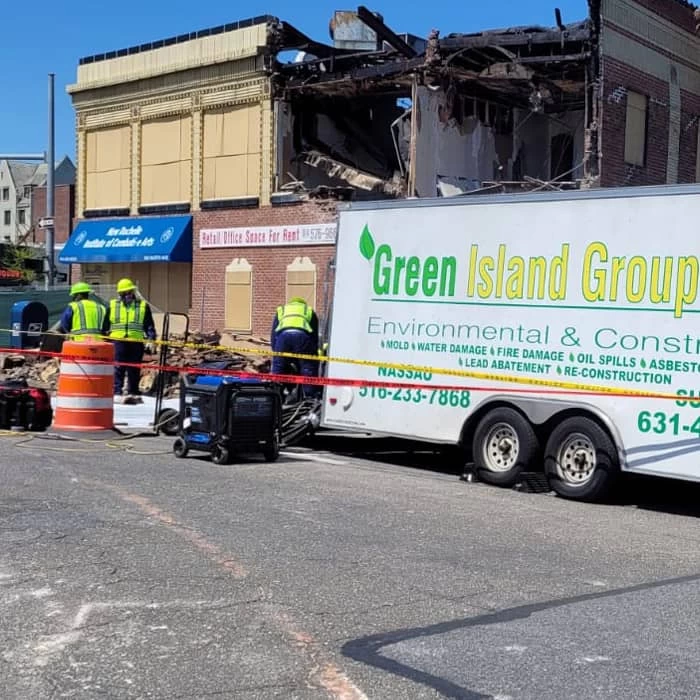
Smoke travels fast. Soot sets permanently within days. And in Laurel where a lot of homes predate 1978 fire damage almost always means more than what you can see. We handle fire damage restoration from the first emergency call through the final finished room, including the hazardous material issues that most contractors won’t touch.
I needed a professional consultation explanation of procedure for safe removal of Asbestos in my apartment complex. Without having an account yet, I was very impressed with the caring, knowledgeable and generous advice offered by Jessica, and will look forward to doing business in the future. Thank you so much! I feel much more informed about a sometimes scary endeavor. Peace. Nancy Silva Mineola, NY.
Mia Munoz
Used this company to clean up some water flood in my house. They were fast and easy to work with.very professional, Would recommend to anyone!
Nini Valle
Great company, had a flood and they responded quickly and efficiently. Billed my insurance company directly. I highly recommend this company!
joe colapietro, jr
I had pipe freeze in my basement right before a snow storm and they made to within an hour to help start the clean up process. They we by our side throughout the entire process and even helped with the insurance company. They did such a great job with the cleanup, repair, remidiation, I contracted them to perform the repairs and finishes in the basement. They came with enough manpower and material to get the job done. Leo and Jessica were nothing but a pleasure to deal with!!
Cristian Arredondo c
I had some water damage in my home and Green Island was able to take care of my issue quickly and effectively. I am very pleased with the work they did. They responded quickly and were very professional.
Michael M
Outstanding service! From the office to the field crew everyone was friendly, helpful and responsive. I highly recommend Green Island Group.
What Actually Gets Fixed When You Call the Right Team First
Most homeowners in Laurel who’ve been through a fire say the same thing: they had no idea how far the damage had spread. The smoke that started in the kitchen found its way into every room through the HVAC system. The soot settled into drywall, wood, insulation, and closets that never saw a flame. And underneath all of it, thousands of gallons of water from suppression soaked into floors and walls quietly setting the stage for mold within 24 to 48 hours.
In Laurel, that problem gets compounded fast. The Mattituck Fire Department runs an all-volunteer operation out of a single station. They’re dedicated and well-equipped, but volunteer response by its nature takes longer than a career department and every extra minute before suppression means more smoke migration, more soot penetration, and a larger restoration scope. Getting professional help on-site quickly after the fire is out isn’t just smart it’s the difference between a manageable claim and a much bigger one.
There’s also the older housing stock to think about. A lot of homes along Main Road, Old Sound Avenue, and the inland roads of Laurel were built before the asbestos phase-out of the late 1970s. When fire disturbs those materials floor tiles, pipe insulation, textured ceilings you’re no longer dealing with a standard cleanup. You need a team that’s certified to handle it legally and safely, not one that has to stop when they hit something hazardous and hand you off to someone else.
One Local Team, From Emergency Call to Finished Room
We’re a locally owned Long Island restoration company not a franchise, not a call center routing your job to a subcontractor. When you call, you reach a real team that knows Laurel, knows the building stock on the North Fork, and has a stake in doing the job right.
That matters more in a place like Laurel than almost anywhere else on Long Island. This is a small, tight-knit hamlet of under 1,600 people. Word travels. Reputation is everything. The same team that takes your first call is the team that sees your project through from emergency stabilization and smoke remediation to reconstruction and final finishes, all under one roof, all under one contract.
We serve all of Long Island, including eastern Suffolk County and the North Fork communities along Route 25. If your property is in Laurel whether it’s a longtime family home or a waterfront property on Great Peconic Bay Boulevard you get the same full-service team, the same accountability, and the same “we’re not done until you’re happy” standard that verified customers across Long Island have documented in their own words.
No Handoffs, No Gaps Here's How We Actually Handle It
The first call triggers an emergency response. We get eyes on the property as fast as possible assessing the full scope of damage, not just the visible burn area. That means checking for smoke migration through the HVAC, moisture mapping for water intrusion from suppression, and identifying any hazardous materials that need certified handling before standard work can begin. In Laurel’s older homes, that last step is often not optional it’s a legal requirement under New York State Department of Labor regulations for asbestos abatement.
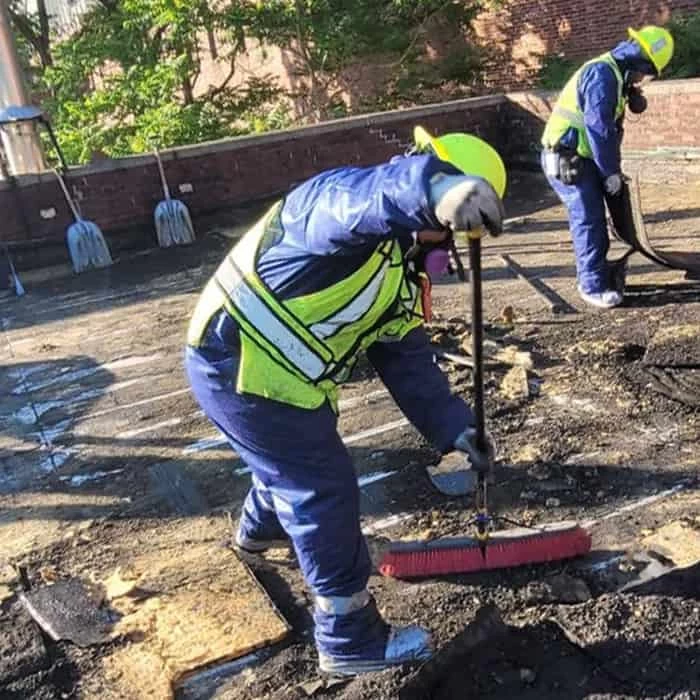
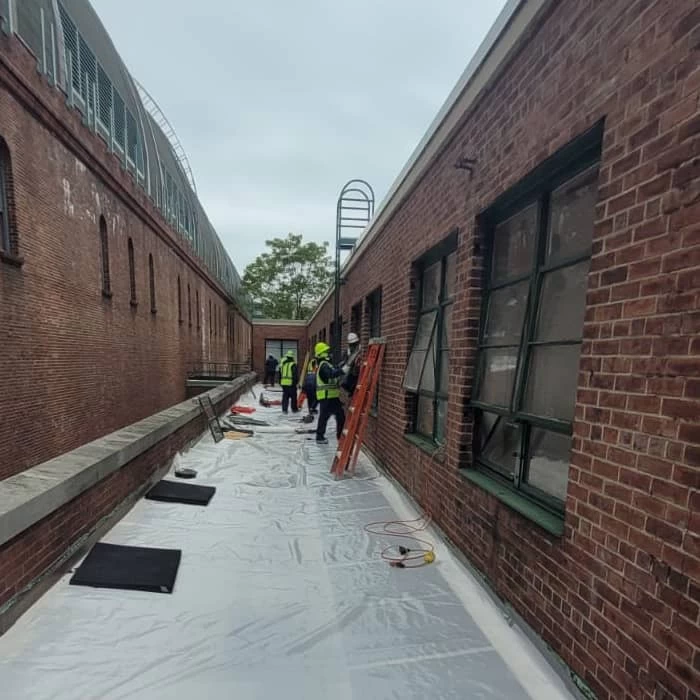
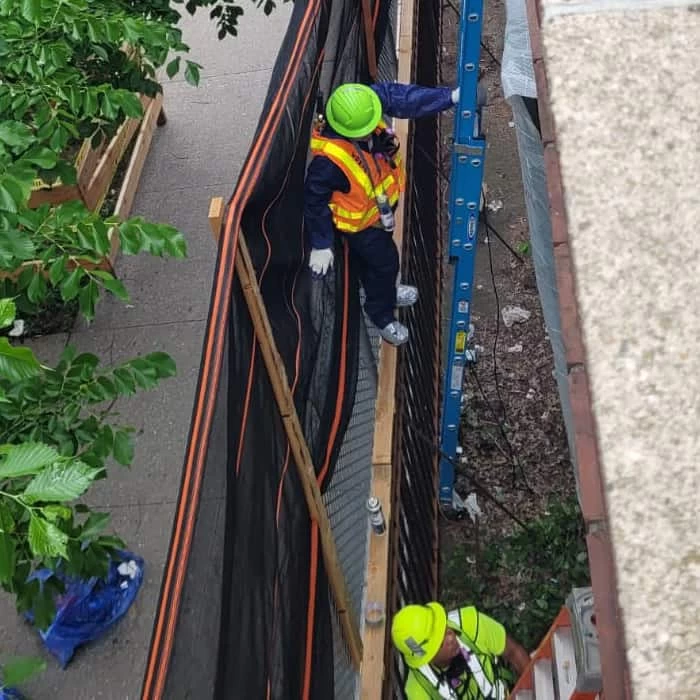
From there, the remediation work begins in a specific sequence: water extraction and structural drying first, then soot and smoke removal from every affected surface, then odor elimination using thermal fogging or hydroxyl treatment that neutralizes smoke molecules rather than masking them. If asbestos or lead-based materials were disturbed, that abatement happens concurrently with the proper containment protocols in place. Nothing moves to reconstruction until the environment is confirmed clean and safe.
The rebuild phase is handled by our team. We pull the required permits through the Town of Southold Building Department or Town of Riverhead, for properties in that portion of Laurel and manage the reconstruction through final finishes. You don’t have to find a separate contractor for the repair work, which on the North Fork is often harder than it sounds. One company, one point of contact, one project from start to finish.
Smoke and Soot Remediation, North Fork Long Island
Every Phase Covered Including What Most Contractors Can't Touch
Fire damage restoration in Laurel isn’t a single service it’s a sequence of interconnected problems that all need to be solved by the same qualified team. We cover the full scope: emergency board-up and stabilization, water extraction and structural drying from firefighting suppression, soot and smoke removal from all affected surfaces, professional odor elimination, asbestos and mold abatement where required, selective demolition of unsalvageable structure, and complete reconstruction through final finishes.
The asbestos piece is worth saying plainly. A meaningful number of Laurel homes were built before 1978, and many contain asbestos-containing materials in floor tiles, pipe insulation, roofing components, and textured ceilings. New York State requires NYSDOL-certified contractors for any work that disturbs those materials. We hold that certification. A fire-only contractor who doesn’t can legally do part of your job and then has to stop. That gap costs time, costs money, and leaves your project in limbo.
For second-home owners with waterfront properties along Great Peconic Bay Boulevard or elsewhere in Laurel, the insurance documentation piece is equally important. We work directly with your adjuster, use industry-standard Xactimate estimating, and make sure the full scope of damage including hidden smoke migration and water intrusion is captured in your claim. On a high-value North Fork property, that advocacy can be worth tens of thousands of dollars in claim recovery.
What should I do immediately after a house fire in Laurel, NY?
The most important thing you can do in the first few hours is not re-enter the property until the fire department has cleared it as structurally safe. Once it’s cleared, your next call should be to your insurance company to report the loss and then to a restoration company to get someone on-site fast. Soot begins permanently etching and staining surfaces within 24 to 72 hours of a fire, and mold can start growing in water-saturated materials within 24 to 48 hours of suppression. Every hour of delay increases the total damage and the total cost.
In Laurel specifically, keep in mind that the Mattituck Fire Department which serves the hamlet will leave the scene once the fire is out, but they are not responsible for the restoration work that follows. That’s on you to coordinate, and the sooner you do, the better your outcome. We can respond to Laurel and begin emergency stabilization, moisture mapping, and initial assessment the same day you call.
How much does fire damage restoration typically cost in Suffolk County?
The honest answer is that it depends heavily on the scope and fire damage scope is almost always larger than it looks at first. A contained kitchen fire in a modest home might result in a $15,000 to $40,000 restoration. A fire that spread to multiple rooms, involved significant smoke migration through the HVAC, and required water extraction from suppression efforts can run $75,000 to $150,000 or more. For larger or older homes the kind common in Laurel costs can go higher, especially if asbestos abatement is required.
The good news is that most of this is covered by homeowners insurance, and the final out-of-pocket cost to you depends largely on how well your claim is documented and negotiated. We use Xactimate, the same estimating platform insurance adjusters use, and work directly with your adjuster to make sure nothing is missed. On a high-value North Fork property, that documentation process can make a significant difference in what you actually recover.
Will the smoke smell ever fully go away after a fire in my home?
Yes but only if it’s treated correctly. Surface cleaning alone will not eliminate smoke odor. Smoke molecules penetrate deeply into drywall, wood framing, insulation, and soft goods, and they will continue off-gassing long after the visible soot is removed. The only way to permanently eliminate smoke odor is to use professional-grade treatments thermal fogging, hydroxyl generators, or ozone treatment that neutralize the molecules at the source rather than masking them with a scent.
In older Laurel homes with original wood framing, plaster walls, and older insulation, smoke penetration tends to be deeper than in newer construction, which means the odor elimination process requires more thoroughness and sometimes more time. We don’t consider the job complete until the odor is gone not just reduced. If you’ve had a previous restoration done elsewhere and the smell has come back, that’s a sign the treatment didn’t go deep enough, and we can address it.
Does fire damage restoration in Laurel require permits from the Town of Southold?
Yes, in most cases. Any structural repair or reconstruction work following fire damage in Laurel requires a building permit from the Town of Southold Building Department or from the Town of Riverhead Building Department if your property falls in the small portion of Laurel within Riverhead’s jurisdiction. Laurel sits at the boundary of both towns, so it’s worth confirming which municipality your property falls under before work begins.
Beyond the building permit, New York State requires that any contractor disturbing asbestos-containing materials hold NYSDOL asbestos abatement certification. Given the age of much of Laurel’s housing stock, this comes up more often than homeowners expect. We handle the permitting process as part of the overall project pulling the necessary permits, scheduling inspections, and ensuring the finished work meets all code requirements for safety and insurability. You shouldn’t have to manage that process yourself on top of everything else you’re already dealing with.
Can a fire in a Laurel home also cause mold damage, and how is that handled?
It’s more common than most people realize. When the Mattituck Fire Department suppresses a fire, the water used in that process delivered at high volume soaks into floors, walls, ceilings, and substructures throughout the affected area. If that water isn’t extracted and the structure dried professionally within 24 to 48 hours, mold begins to grow. In a North Fork home with older construction and potentially less vapor-resistant materials, that window can be even shorter.
We address the water damage from suppression as part of the fire restoration process not as a separate job requiring a separate contractor. Moisture mapping identifies where water has traveled beyond the visible damage area, industrial drying equipment removes it from the structure, and if mold has already begun to develop, certified mold remediation is handled by our team under the same project. Your insurance claim should capture all of it fire damage, smoke damage, water damage, and mold remediation as a single, documented loss event.
I own a vacation home in Laurel that had a fire while unoccupied what now?
This situation comes up regularly on the North Fork, where a meaningful number of properties particularly the waterfront homes along Great Peconic Bay Boulevard are second homes or seasonal properties that aren’t always occupied. When a fire occurs in an unoccupied home, the damage is often more severe by the time it’s discovered, because smoke and soot have had more time to set and water from suppression has had more time to penetrate the structure. Mold can be well-established before anyone even knows there was a fire.
The process is the same as with any fire restoration, but the insurance documentation piece is especially important for secondary residences. Secondary home policies can have different coverage structures than primary residence policies, and making sure the claim is filed correctly and completely with full documentation of the damage scope matters even more when you’re managing the process from a distance. We can coordinate directly with your adjuster, keep you informed throughout the project, and manage the full restoration without requiring you to be on-site for every step. You’ll know what’s happening, and the work will get done right.