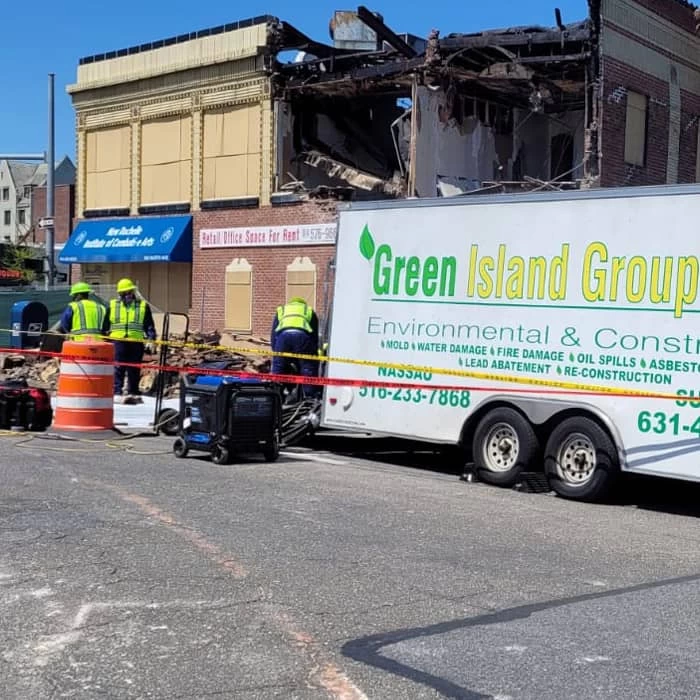
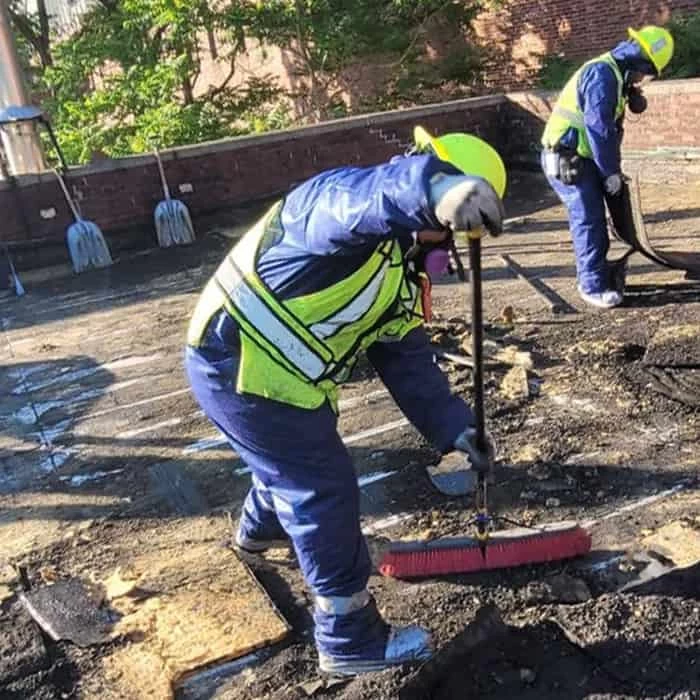
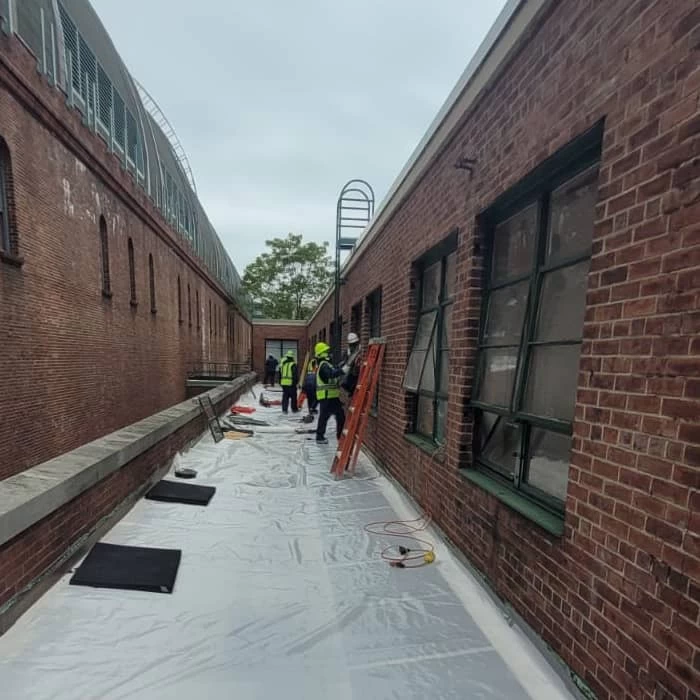
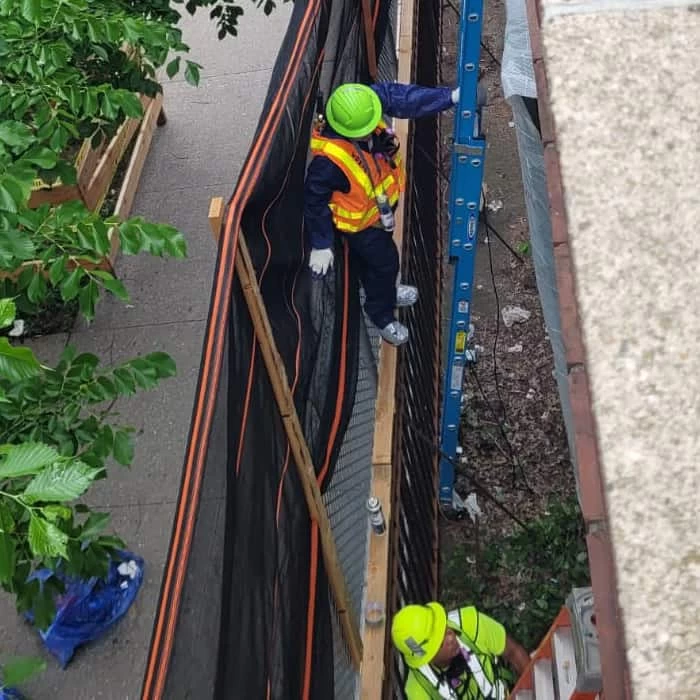
When a fire hits your home in Lawrence, the clock starts immediately — and so does the damage you can’t see. We respond within the hour, handle your insurance directly, and restore your home from emergency to move-in ready.
I needed a professional consultation explanation of procedure for safe removal of Asbestos in my apartment complex. Without having an account yet, I was very impressed with the caring, knowledgeable and generous advice offered by Jessica, and will look forward to doing business in the future. Thank you so much! I feel much more informed about a sometimes scary endeavor. Peace. Nancy Silva Mineola, NY.
Mia Munoz
Used this company to clean up some water flood in my house. They were fast and easy to work with.very professional, Would recommend to anyone!
Nini Valle
Great company, had a flood and they responded quickly and efficiently. Billed my insurance company directly. I highly recommend this company!
joe colapietro, jr
I had pipe freeze in my basement right before a snow storm and they made to within an hour to help start the clean up process. They we by our side throughout the entire process and even helped with the insurance company. They did such a great job with the cleanup, repair, remidiation, I contracted them to perform the repairs and finishes in the basement. They came with enough manpower and material to get the job done. Leo and Jessica were nothing but a pleasure to deal with!!
Cristian Arredondo c
I had some water damage in my home and Green Island was able to take care of my issue quickly and effectively. I am very pleased with the work they did. They responded quickly and were very professional.
Michael M
Outstanding service! From the office to the field crew everyone was friendly, helpful and responsive. I highly recommend Green Island Group.
What Your Lawrence Home Looks — and Feels — Like After
The visible burn is only part of the problem. Smoke travels through wall cavities, ductwork, and every room your HVAC system reaches — long before you ever notice the smell. In a Lawrence home, where square footage is substantial and systems are often complex, that invisible contamination can affect the entire structure even when the fire itself stayed contained to one area. Getting that fully addressed — not just the charred surface — is what separates a real restoration from a surface-level cleanup.
Lawrence’s housing stock adds another layer. Most homes here were built in the 1940s and 1950s, and a significant number in Old Lawrence predate that by decades. That means asbestos-containing materials and lead paint are genuinely likely to be present — and fire disturbs both. The heat and water pressure from suppression can release fibers and spread particles through a structure in ways that create a regulated hazardous material situation, not just a construction one. A restoration company without the proper NYS licensing cannot legally complete that work, and one that skips it leaves you with a liability you won’t discover until it costs you far more.
When the job is done right, you get your home back — not a version of it. The smoke is gone, not masked. The structure is sound. The materials match what was there. And your insurance claim reflects the full scope of what actually happened.
Licensed, Local, and Accountable From First Call to Final Inspection
We are a Long Island-based restoration company with over 5,000 completed projects across New York State. We hold a Nassau County General Contractor License, which means we are legally authorized to handle the full scope of work in Lawrence — not just the cleanup, but the rebuild. We also carry the NYS DOL Asbestos License, NYS DOL Mold License, and USEPA Lead/RRP Certification, which are the credentials that actually matter when you’re dealing with a pre-war home in the Five Towns area.
We bill insurance directly, document every phase of the restoration process, and have walked Lawrence homeowners through the full claims process — including attending material selection appointments to make sure the scope reflects what your home actually requires. You’re not handed off to a subcontractor or left to manage the paperwork on your own. One team, one point of contact, from the Lawrence-Cedarhurst Fire Department’s last truck leaving your block to the final permit sign-off at the Village of Lawrence Building Department.
No Guesswork — Here's Exactly What Happens After You Call Us
The first thing that happens when you call is a same-day emergency response — typically on-site within an hour via the Nassau Expressway and Rockaway Turnpike corridor. We assess the full scope immediately: structural damage, smoke and soot penetration, water saturation from suppression, and any hazardous material exposure. In a Lawrence home built before 1980, that last part is not a formality — it is a required evaluation that shapes everything that follows.
From there, we handle the insurance documentation before any restoration work begins. That means photographs, written scope reports, and direct communication with your adjuster — all formatted to IICRC standards, which is what insurance companies recognize and accept. We pull the necessary permits through the Village of Lawrence Building Department, because restoration work here requires village-level compliance, not just county-level. That step alone eliminates weeks of potential delay that an unfamiliar contractor would hand you as your problem to solve.
The restoration itself moves in a logical sequence: hazardous material remediation first if required, then structural drying, smoke and soot removal throughout the full structure including ductwork, and finally reconstruction to pre-fire condition. We do not hand off the rebuild to a separate contractor. We carry it through, and we do not consider the job done until the work passes inspection and you are back in your home.
Every Lawrence Home Gets the Full Scope — Not a Partial Fix
Fire damage restoration in Lawrence is not a one-size approach, and our service reflects that. For homes in Old Lawrence and Back Lawrence — where you may have original millwork, plaster walls, hardwood floors, and architectural details that simply cannot be replicated with standard contractor materials — the reconstruction phase requires a different level of attention than a newer build. We source appropriate materials, coordinate with specialists when the situation calls for it, and approach the rebuild with the understanding that your home has character worth preserving.
Oil-heat systems are common throughout Lawrence’s older homes, which also means puff-back events are a real and frequent issue in this area. When an oil burner misfires, it coats the interior of the home in a fine, oily soot without producing an open flame — and most homeowners are not sure whether to call a fire restoration company or an HVAC technician. The answer is both, and we handle both. Our IICRC-certified technicians address the soot contamination while our NADCA-certified HVAC cleaning eliminates what settled into your ductwork and registers.
Every project also includes direct insurance coordination, hazardous material evaluation for the pre-war and mid-century construction common throughout the 11559 ZIP code, structural drying to prevent the mold growth that Lawrence’s coastal humidity accelerates, and full permit management through the Village of Lawrence. Nothing is outsourced. Nothing is skipped.
How quickly should I call a fire restoration company after a house fire in Lawrence?
As soon as the fire department clears the scene — ideally the same day. Soot begins bonding permanently to surfaces within hours of a fire, and the longer it sits, the more damage it causes to walls, ceilings, floors, and fixtures. It is not a slow process. In Lawrence specifically, where the Lawrence-Cedarhurst Fire Department and often several neighboring departments respond with significant water volume, you are also dealing with substantial water saturation from suppression. That water creates a mold risk that begins within 24 to 48 hours — and Lawrence’s proximity to the Reynolds Channel and the South Shore coastline means ambient humidity accelerates that timeline compared to inland communities.
Calling early also matters for your insurance claim. The more thoroughly the initial damage is documented before any cleanup begins, the stronger your claim. A restoration company that arrives quickly can capture the full scope before anything is disturbed, which directly affects how your adjuster evaluates and settles the loss.
Does fire damage restoration in Lawrence require permits from the village?
Yes — and this is a detail that catches a lot of homeowners off guard. The Village of Lawrence has its own Building Department that operates separately from Nassau County, and it requires permits for all repairs, renovations, and reconstruction work, including post-fire restoration. That means your restoration contractor needs to be familiar with village-level permitting, not just county-level compliance. A company that does not know how to pull permits through the Village of Lawrence Building Department will hand that responsibility back to you — or worse, start work without the proper approvals, which creates legal and insurance complications down the road.
We hold a Nassau County General Contractor License and have worked across Nassau County’s incorporated villages. We handle the permit process from submission through final inspection, which keeps your project moving and keeps you protected.
Will my homeowners insurance cover fire damage restoration for my Lawrence home?
In most cases, yes — standard homeowners insurance policies cover fire damage, including smoke damage, water damage from suppression, and the cost of restoration and reconstruction. But the amount you recover depends heavily on how well the damage is documented and how the claim is submitted. Insurance adjusters are not working against you, but they are also not going to expand the scope of your claim beyond what is presented to them. If hidden smoke damage in your HVAC system, asbestos disturbance in a pre-war wall cavity, or secondary water damage in a floor system is not documented, it typically does not get covered.
We bill insurance directly and prepare documentation to IICRC standards — the format that insurance companies recognize and use as the basis for claim decisions. For a Lawrence home where the median property value exceeds $1.1 million, getting the full scope of the claim right is not a minor detail. We have guided homeowners through this process and attended material selection appointments with them to ensure the approved scope actually reflects what the home requires.
What happens to asbestos and lead paint in a Lawrence home after a fire?
Fire disturbs both. Heat can dislodge asbestos fibers from floor tiles, pipe insulation, joint compound, and ceiling materials, and the water pressure from fire suppression can spread those fibers through the structure. Lead paint, which is present in virtually all pre-1978 construction, behaves similarly — fire and water together can turn a contained lead paint situation into a widespread contamination issue. In Lawrence, where most homes were built in the 1940s and 1950s and a significant number in the Old Lawrence area predate that considerably, this is not a hypothetical risk. It is the likely scenario.
The legal requirement is clear: only contractors holding the NYS DOL Asbestos License and USEPA Lead/RRP Certification can legally perform remediation work in a home where these materials are present. We hold both. If a restoration company arrives and does not raise this question, that is a serious red flag — not just for your health, but for your legal exposure and your insurance coverage.
What is a puff-back, and is it common in Five Towns area homes like Lawrence?
A puff-back happens when an oil burner misfires and releases a burst of unburned fuel into the combustion chamber, sending a fine, oily soot through the heating system and into the living space. There is no open flame, no structural burn — but the soot spreads through every room connected to the ductwork, coating walls, ceilings, furniture, and belongings in a black film that is acidic, smearing, and extremely difficult to remove without professional equipment. It looks and smells like a fire even when nothing actually burned.
This is genuinely common in Lawrence and the Five Towns area because the older housing stock here is heavily oil-heated. Many Lawrence homeowners who experience a puff-back are not sure whether to call a fire restoration company, an HVAC technician, or both. The answer is both — and we handle both in a single response. Our IICRC-certified technicians address the soot contamination throughout the structure while our NADCA-certified HVAC cleaning removes what settled into your ductwork and registers.
How long does fire damage restoration typically take for a Lawrence home?
It depends on the scope, but for a realistic answer: a contained fire with significant smoke damage in a mid-size Lawrence home typically takes four to eight weeks from emergency response to move-in ready. A fire that involves structural damage, hazardous material remediation, and full reconstruction in a larger Old Lawrence property can run three to six months. The variables that affect timeline most are the extent of structural damage, whether asbestos or lead remediation is required, how quickly the insurance claim is approved, and how efficiently the permit process moves through the Village of Lawrence Building Department.
What extends timelines unnecessarily is working with a contractor who cannot handle the full scope in-house — one who cleans up the fire damage and then hands you off to find a separate general contractor for the rebuild. That transition adds weeks of coordination and re-documentation. We carry the project from emergency response through final reconstruction under one roof and one license, which is the single biggest factor in keeping your timeline as tight as the scope allows.