When Smoke Fills a Tower, Every Hour Costs You More
In Long Island City’s high-rises and converted lofts, fire damage doesn’t stay in one room for long. We respond fast because in this neighborhood, waiting isn’t an option.
I needed a professional consultation explanation of procedure for safe removal of Asbestos in my apartment complex. Without having an account yet, I was very impressed with the caring, knowledgeable and generous advice offered by Jessica, and will look forward to doing business in the future. Thank you so much! I feel much more informed about a sometimes scary endeavor. Peace. Nancy Silva Mineola, NY.
Mia Munoz
Used this company to clean up some water flood in my house. They were fast and easy to work with.very professional, Would recommend to anyone!
Nini Valle
Great company, had a flood and they responded quickly and efficiently. Billed my insurance company directly. I highly recommend this company!
joe colapietro, jr
I had pipe freeze in my basement right before a snow storm and they made to within an hour to help start the clean up process. They we by our side throughout the entire process and even helped with the insurance company. They did such a great job with the cleanup, repair, remidiation, I contracted them to perform the repairs and finishes in the basement. They came with enough manpower and material to get the job done. Leo and Jessica were nothing but a pleasure to deal with!!
Cristian Arredondo c
I had some water damage in my home and Green Island was able to take care of my issue quickly and effectively. I am very pleased with the work they did. They responded quickly and were very professional.
Michael M
Outstanding service! From the office to the field crew everyone was friendly, helpful and responsive. I highly recommend Green Island Group.
The fire is out. But the damage isn’t done. Smoke keeps moving through shared HVAC systems, elevator shafts, and stairwells which in Long Island City’s dense residential towers means what started in one unit can affect a dozen more within hours. Soot settles into walls, ductwork, and flooring. The longer it sits, the deeper it goes, and the more expensive it becomes to reverse.
Water from suppression efforts creates its own problem. Long Island City’s proximity to the East River already means elevated ambient humidity year-round, and that moisture combined with fire suppression water soaking through floors and walls creates ideal conditions for mold to take hold within 24 to 48 hours. This is the biology of what happens in a wet, warm building.
When the restoration process starts quickly, the scope of damage stays manageable. Materials that would otherwise need to be gutted can often be cleaned and saved. Structural drying happens before mold has a foothold. Your insurance claim reflects actual damage not damage that compounded because no one showed up fast enough. That’s the real difference between calling today and calling tomorrow.
Queens-Based, Not Dispatched From Somewhere on Long Island
We’re based in Queens. Not a franchise territory. Not a regional call center routing jobs from Nassau County. When you call, the team that responds actually knows what a Dutch Kills loft looks like, what a Queensbridge-adjacent building requires, and how Long Island City’s mix of glass towers, converted factories, and older residential stock changes the way fire restoration gets done.
That local knowledge matters more than most people realize. A fire in a 30-story Hunters Point high-rise is a completely different job than a fire in a pre-war walkup off Queens Boulevard and treating them the same way gets you a mediocre result. We’ve worked across Queens long enough to know the difference, and we bring that experience to every job we take on.
We coordinate directly with NYC Department of Buildings for required permits, handle asbestos and lead abatement protocols in older Long Island City buildings, and work with your insurance carrier from day one. One point of contact, start to finish.
From the First Call to a Fully Restored Property Here's the Reality
When you call, you reach a real person not a voicemail, not an after-hours answering service. We ask a few quick questions about your property and the situation, and we dispatch a crew. In Long Island City, that means we’re close. No hour-long drive from the suburbs.
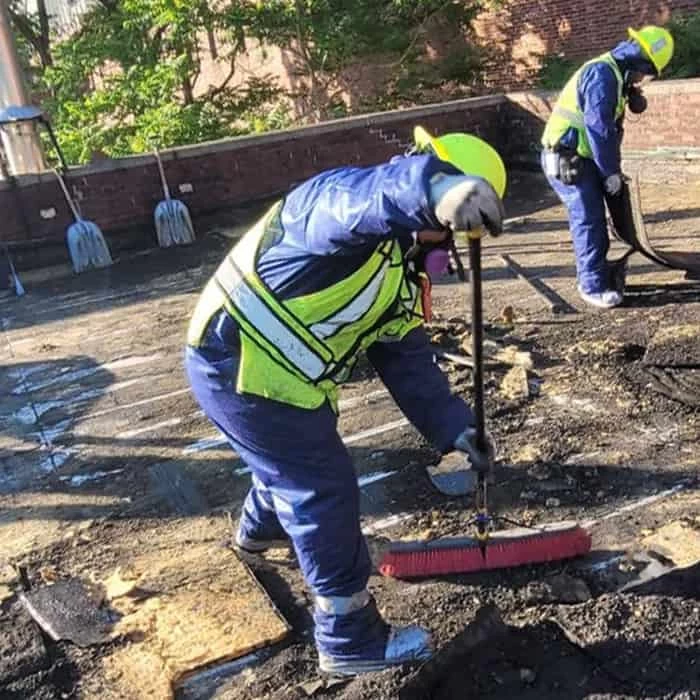
The first thing we do on-site is stabilize the property. That means emergency board-up, tarping if there’s roof or window exposure, and a full damage assessment. In Long Island City’s high-rise buildings, that assessment includes checking adjacent units for smoke infiltration through shared ventilation something that gets missed when a team isn’t familiar with how these buildings actually work. If your building was constructed before 1978, we also identify any asbestos or lead paint concerns that need to be addressed before restoration work can proceed a non-negotiable requirement under New York State law.
From there, we move into the full restoration scope: soot and smoke remediation, structural drying, odor neutralization, content pack-out for salvageable belongings, and reconstruction where needed. We document everything for your insurance claim as we go, so nothing falls through the cracks when the adjuster gets involved. The goal is to hand you back a property that’s fully restored not patched up and handed back with problems waiting to surface.
Everything the Job Actually Requires Done Under One Roof
Fire restoration in Long Island City isn’t a single service. It’s a sequence of interconnected steps, and skipping any one of them creates a problem down the road. We handle the full scope emergency stabilization, smoke and soot remediation, water extraction and structural drying, odor neutralization using thermal fogging and hydroxyl generators, content pack-out and professional cleaning of salvageable belongings, mold prevention treatment, and full reconstruction.
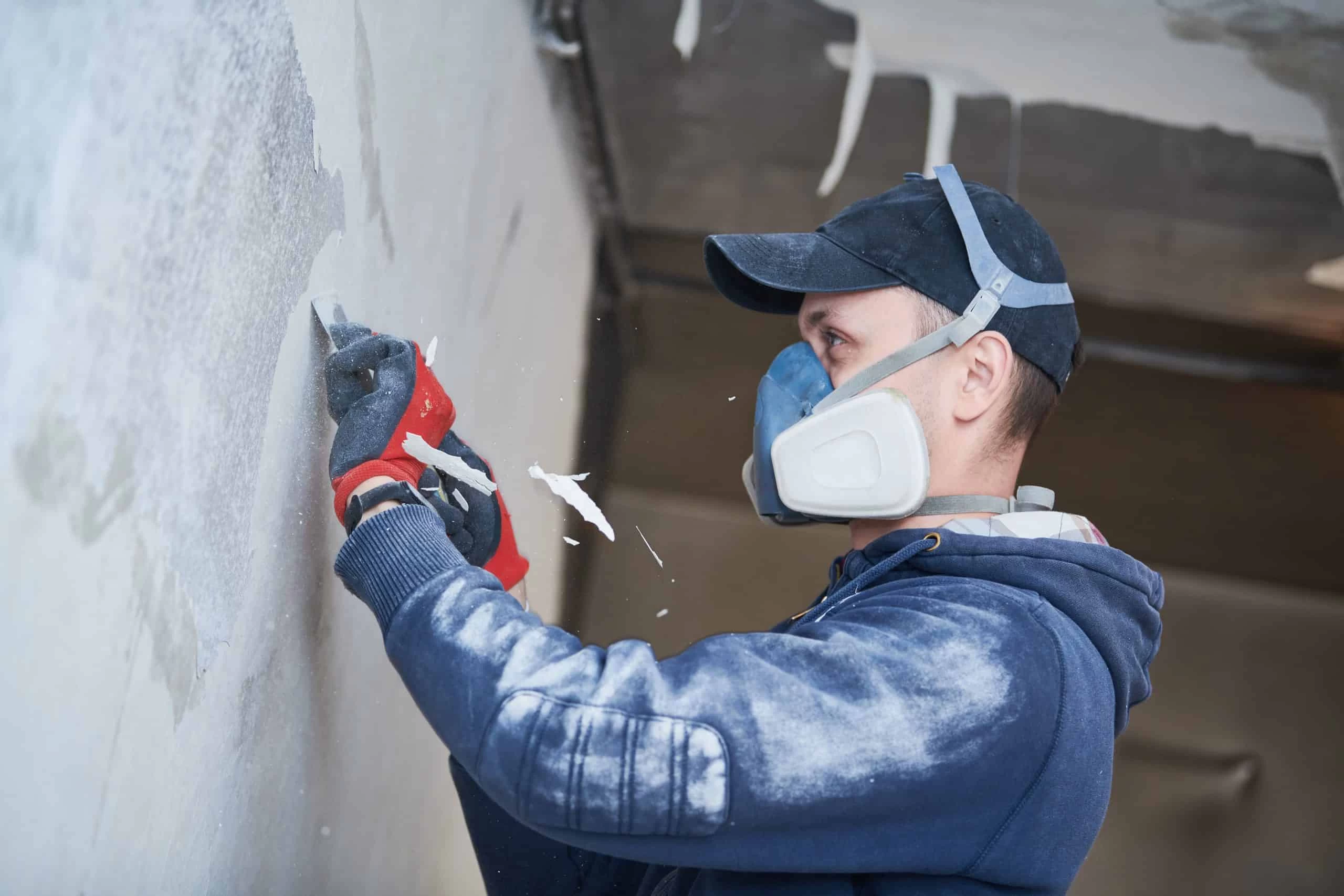
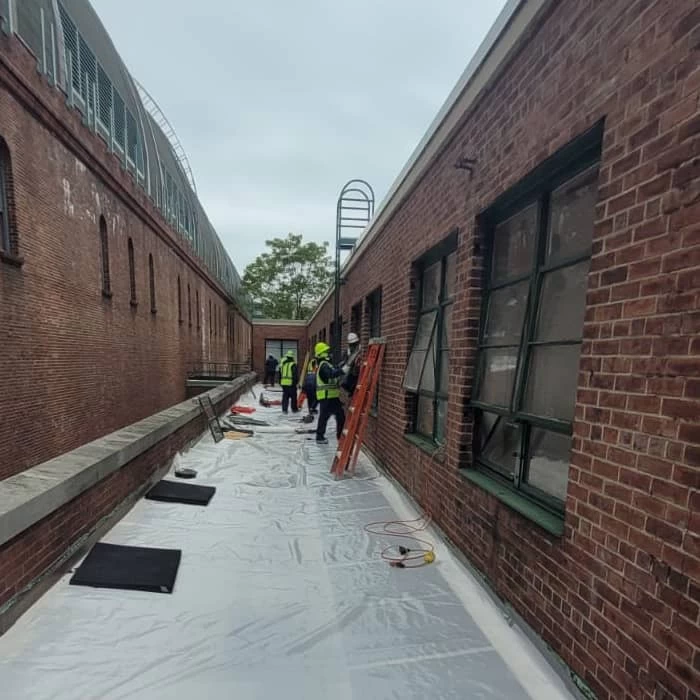
For Long Island City’s older converted industrial buildings the lofts and mixed-use spaces throughout Dutch Kills and the Queens Plaza corridor that often includes certified asbestos and lead abatement before any restoration work begins. These aren’t optional steps in New York City. They’re legally required, and skipping them exposes property owners to serious liability. We’re equipped to handle them, so you don’t have to find a separate contractor mid-job.
For property managers overseeing large residential buildings the kind that line Center Boulevard and the Hunters Point South waterfront we scale accordingly. Multi-unit fire events require commercial-grade equipment, coordinated tenant communication, and project management that keeps the job moving without creating additional chaos for residents who are already displaced. That’s the level of capability we bring, regardless of whether the job is a single apartment or an entire floor.
How quickly can fire damage restoration begin at a Long Island City property?
As soon as the FDNY clears the scene and the property is deemed safe to enter, restoration work can begin. In most cases, that means we can be on-site the same day often within hours of your call. This matters enormously in Long Island City, where the combination of dense high-rise construction and elevated humidity from the East River waterfront creates conditions where smoke damage spreads and mold risk accelerates faster than in a typical suburban environment.
The first step isn’t cleaning it’s stabilization and assessment. We board up any compromised openings, tarp exposed areas, and conduct a thorough damage evaluation before any restoration work begins. That assessment also determines whether asbestos or lead paint abatement is required, which is common in Long Island City’s older converted loft buildings and pre-war residential stock. Getting that determination early keeps the project on track and keeps you legally protected.
Will my insurance cover fire damage restoration, and how does the claims process work?
In most cases, yes homeowners insurance, renters insurance, and commercial property insurance policies cover fire damage restoration, including smoke remediation, water extraction from suppression efforts, and reconstruction. The key is documentation. Insurance adjusters need a clear, detailed record of what was damaged, how it was damaged, and what it costs to restore it to pre-loss condition. That’s something we handle directly as part of the restoration process.
We work with your insurance carrier from the start documenting damage with the precision adjusters require, communicating scope-of-work clearly, and making sure the full extent of the loss is captured. In Long Island City’s multi-unit buildings, where a single fire can trigger claims across multiple units and multiple policies, having a restoration company that understands how to navigate that complexity is genuinely valuable. We’ve worked with all major carriers and know how to keep the process moving without leaving money on the table for you.
Do I need a permit for fire damage restoration work in New York City?
For any work that involves structural repairs, alterations to electrical systems, plumbing, or HVAC, yes you need permits from the NYC Department of Buildings. This applies to fire restoration just as it does to any other construction work in the city. New York City’s building codes are among the strictest in the country, and Long Island City’s Special Mixed Use District zoning adds an additional layer of regulatory consideration for properties in certain parts of the neighborhood.
We handle the permitting process as part of the job. We pull the required permits, coordinate with DOB inspectors, and make sure every phase of the restoration is fully compliant before work proceeds. This protects you from violations, keeps your insurance claim valid, and ensures the restored property passes any required inspections before re-occupancy. Trying to navigate NYC DOB requirements mid-crisis, on your own, is a significant added burden it’s one less thing you should have to deal with.
What happens to my belongings after a fire in my Long Island City apartment?
Not everything exposed to a fire is a total loss. Furniture, clothing, electronics, artwork, and personal items that weren’t directly burned but were exposed to smoke and soot can often be professionally cleaned and restored but only if they’re handled correctly and quickly. Soot is acidic. The longer it stays in contact with fabric, wood, leather, or electronics, the more damage it causes. Time is a real factor here.
We offer professional content pack-out services. We carefully inventory your belongings, document everything for your insurance claim, and transport salvageable items to our facility for professional cleaning and storage. Once your property is restored, we return them. For Long Island City residents who’ve invested in furnishing a condo or loft and who may be temporarily displaced during the restoration knowing that your belongings are being properly cared for in the meantime is one less thing to worry about during an already difficult situation.
How does smoke damage spread in a high-rise building, and how is it addressed?
Smoke doesn’t respect unit boundaries in a high-rise. It moves through shared HVAC systems, travels up elevator shafts and stairwells, and infiltrates neighboring units through gaps around pipes and conduits. In Long Island City’s newer residential towers the kind that have been built along the Hunters Point waterfront and throughout Court Square since the neighborhood’s 2001 rezoning a single unit fire can result in detectable smoke infiltration across multiple floors.
Addressing it properly means going beyond the unit where the fire originated. We assess adjacent units for smoke penetration, test air quality, clean and treat shared ventilation pathways, and use HEPA filtration, thermal fogging, and hydroxyl generators to neutralize odor at the molecular level not just mask it. Surface cleaning alone doesn’t solve a smoke infiltration problem in a building with shared systems. The work has to follow where the smoke actually went, and that requires both the right equipment and familiarity with how these buildings are constructed and ventilated.
Does fire damage restoration in Long Island City also address water damage from firefighting?
Almost always, yes. By the time firefighters leave a scene, there’s typically significant water present from hose lines, sprinkler systems, and suppression efforts. In Long Island City specifically, that water doesn’t just drain away. It soaks into flooring, saturates drywall, pools in subfloor cavities, and in multi-story buildings, migrates downward into units below the fire’s origin. Combined with Long Island City’s naturally elevated humidity from its East River location, that moisture creates a fast-moving mold risk that has to be addressed as part of the restoration not treated as a separate problem.
We include water extraction, structural drying, and moisture monitoring in every fire restoration job. We use industrial dehumidifiers and drying equipment to bring structural moisture levels back to safe ranges, and we apply antimicrobial treatments to prevent mold from taking hold during the drying process. Mold can begin developing within 24 to 48 hours of water exposure, so this isn’t a step that gets scheduled for next week it runs concurrently with the rest of the restoration from day one.