When a Pre-War Building Burns, the Damage Goes Deeper Than the Visible Destruction
Smoke, soot, and water don’t stop at the room where the fire started and in Madison Square’s century-old buildings, what’s inside the walls matters just as much as what’s visible. We respond 24/7 and handle fire damage restoration from emergency board-up to full reconstruction, with the regulatory expertise that pre-1987 construction demands.
I needed a professional consultation explanation of procedure for safe removal of Asbestos in my apartment complex. Without having an account yet, I was very impressed with the caring, knowledgeable and generous advice offered by Jessica, and will look forward to doing business in the future. Thank you so much! I feel much more informed about a sometimes scary endeavor. Peace. Nancy Silva Mineola, NY.
Mia Munoz
Used this company to clean up some water flood in my house. They were fast and easy to work with.very professional, Would recommend to anyone!
Nini Valle
Great company, had a flood and they responded quickly and efficiently. Billed my insurance company directly. I highly recommend this company!
joe colapietro, jr
I had pipe freeze in my basement right before a snow storm and they made to within an hour to help start the clean up process. They we by our side throughout the entire process and even helped with the insurance company. They did such a great job with the cleanup, repair, remidiation, I contracted them to perform the repairs and finishes in the basement. They came with enough manpower and material to get the job done. Leo and Jessica were nothing but a pleasure to deal with!!
Cristian Arredondo c
I had some water damage in my home and Green Island was able to take care of my issue quickly and effectively. I am very pleased with the work they did. They responded quickly and were very professional.
Michael M
Outstanding service! From the office to the field crew everyone was friendly, helpful and responsive. I highly recommend Green Island Group.
Fire and Smoke Damage Restoration near Madison Square
What Gets Fixed When the Smoke Clears Completely
The visible damage is only part of the picture. Soot begins etching metal fixtures, discoloring finishes, and embedding in porous surfaces within hours of a fire ending. In a converted loft or pre-war co-op near Madison Square Park, that means original hardwood floors, exposed brick, and plaster moldings are on a clock the moment the FDNY leaves.
Then there’s the water. Firefighting efforts can push thousands of gallons into wall cavities, subfloors, and insulation and in a multi-unit building along 23rd Street or Madison Avenue, that moisture doesn’t stay in one unit. Mold can establish itself within 24 to 48 hours, and in a building with shared wall assemblies, it spreads. Addressing the fire damage without addressing the water damage is how incomplete restorations turn into bigger problems three weeks later.
What you get when the job is truly done: surfaces that are clean at the source, not just painted over. Odor that’s eliminated at the molecular level, not masked. Structural materials that are dried, treated, and documented. And a property that passes inspection whether that’s your building’s managing agent, your insurance adjuster, or a future buyer.
One Company That Handles Every Layer of the Damage Including What's Hidden
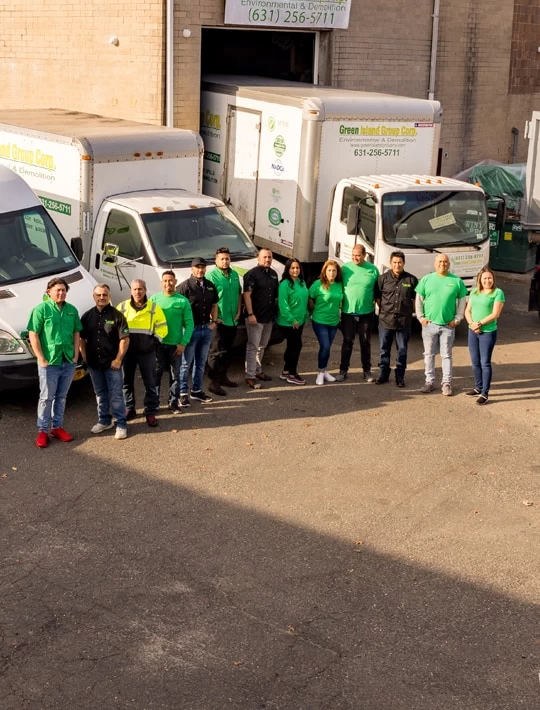
We’re a locally owned environmental remediation, restoration, and demolition company serving Madison Square and the surrounding New York City region. What sets us apart in a neighborhood like Madison Square isn’t just the speed it’s the scope. Most restoration companies handle the visible damage. We’re licensed to handle what’s underneath it: asbestos-containing materials, lead paint, and the hazardous building components that are common in Manhattan’s pre-1930 construction.
That matters here. The Flatiron District and NoMad buildings that define Madison Square were built in an era when asbestos was standard in pipe insulation, floor tiles, and wall assemblies. Under NYC DEP regulations, fire damage in a pre-1987 building triggers mandatory asbestos assessment before restoration work can legally proceed. We operate under NYS, NYC, and USEPA regulatory frameworks as standard practice not as an add-on.
We answer the phone at 3am, we bill insurance carriers directly, and we don’t hand you off to a subcontractor halfway through the job.
Fire Damage Restoration Process near Madison Square, NY
From the First Call to the Final Inspection No Gaps, No Handoffs
The first step is stabilization. That means emergency board-up, tarping, and securing the property so no additional damage occurs while the full scope is being assessed. In a dense building environment like the ones surrounding Madison Square Park, that also means communicating with building management quickly because smoke traveling through shared HVAC systems or common corridors affects more than just the unit of origin.
Once the property is secured, the assessment begins. In Madison Square’s pre-war building stock, that includes a mandatory asbestos survey before any structural work can proceed the NYC DOB requires an ACP-5 filing for pre-1987 buildings before permits are issued. We handle that process as part of the engagement, not as a separate referral. If the building falls within the Madison Square North Historic District or the Ladies Mile Historic District, exterior restoration work may also require Landmarks Preservation Commission review, and that gets factored into the project timeline from day one.
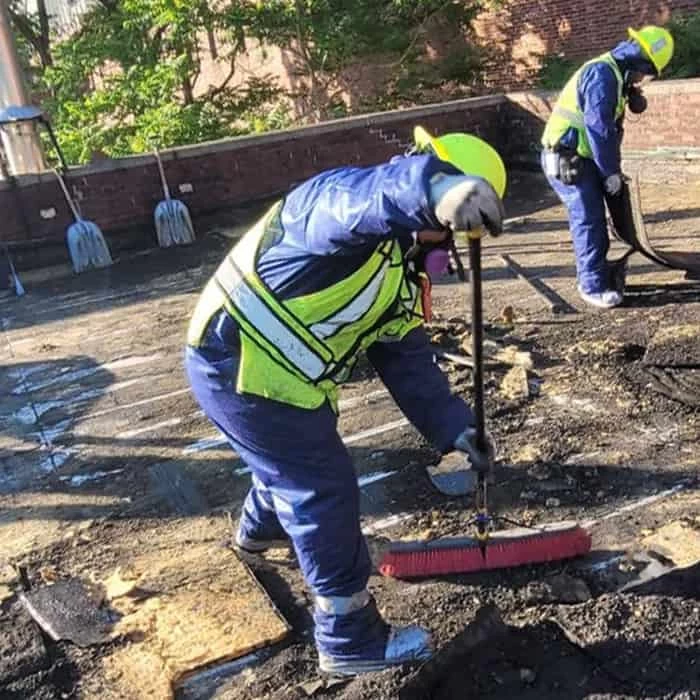
From there, the work moves in a logical sequence: water extraction and drying, smoke and soot removal, odor elimination using thermal fogging and HEPA air scrubbing, structural repair, and full reconstruction where needed. Every step is documented for insurance purposes. The job isn’t done until your building management, your adjuster, and you are satisfied with the result.
Fire Smoke Damage Restoration Services near Madison Square
Everything the Damage Touches Gets Addressed Not Just the Obvious Parts
Fire damage restoration in a Madison Square building covers a lot more ground than cleanup. Our service includes emergency securing of the property, complete smoke and soot removal from all affected surfaces, water extraction and structural drying from firefighting efforts, professional odor elimination, mold prevention treatment, asbestos and lead assessment where required by NYC regulations, structural repair, and full reconstruction to pre-loss condition.
The odor elimination piece is worth understanding on its own. Smoke penetrates drywall, plaster, wood framing, HVAC ductwork, and soft furnishings at a molecular level. Painting over it or running a consumer-grade air purifier doesn’t solve it the odor returns. The process we use involves thermal fogging, hydroxyl generators, ozone treatment, and HEPA air scrubbing, applied based on the specific type of residue involved. Wet smoke from a slow, smoldering fire behaves differently than dry smoke from a fast-burning fire, and the treatment approach changes accordingly.
For buildings in the Flatiron and NoMad areas with original architectural details cast-iron columns, plank flooring, exposed brick the restoration approach is adapted to those materials specifically. They’re not treated as generic construction elements. The goal is returning your property to the condition it was in before the fire, including the character that made it worth living in.
Does fire damage restoration near Madison Square require an asbestos assessment first?
In most cases, yes. Under NYC DEP regulations, any building constructed before 1987 requires an asbestos assessment documented through an ACP-5 form before restoration or renovation work requiring a DOB permit can legally begin. The vast majority of residential and mixed-use buildings in Madison Square, including the converted loft buildings throughout the Flatiron and NoMad districts, were built well before that cutoff. Asbestos-containing materials were commonly used in pipe insulation, floor tiles, ceiling finishes, and wall assemblies in buildings of that era.
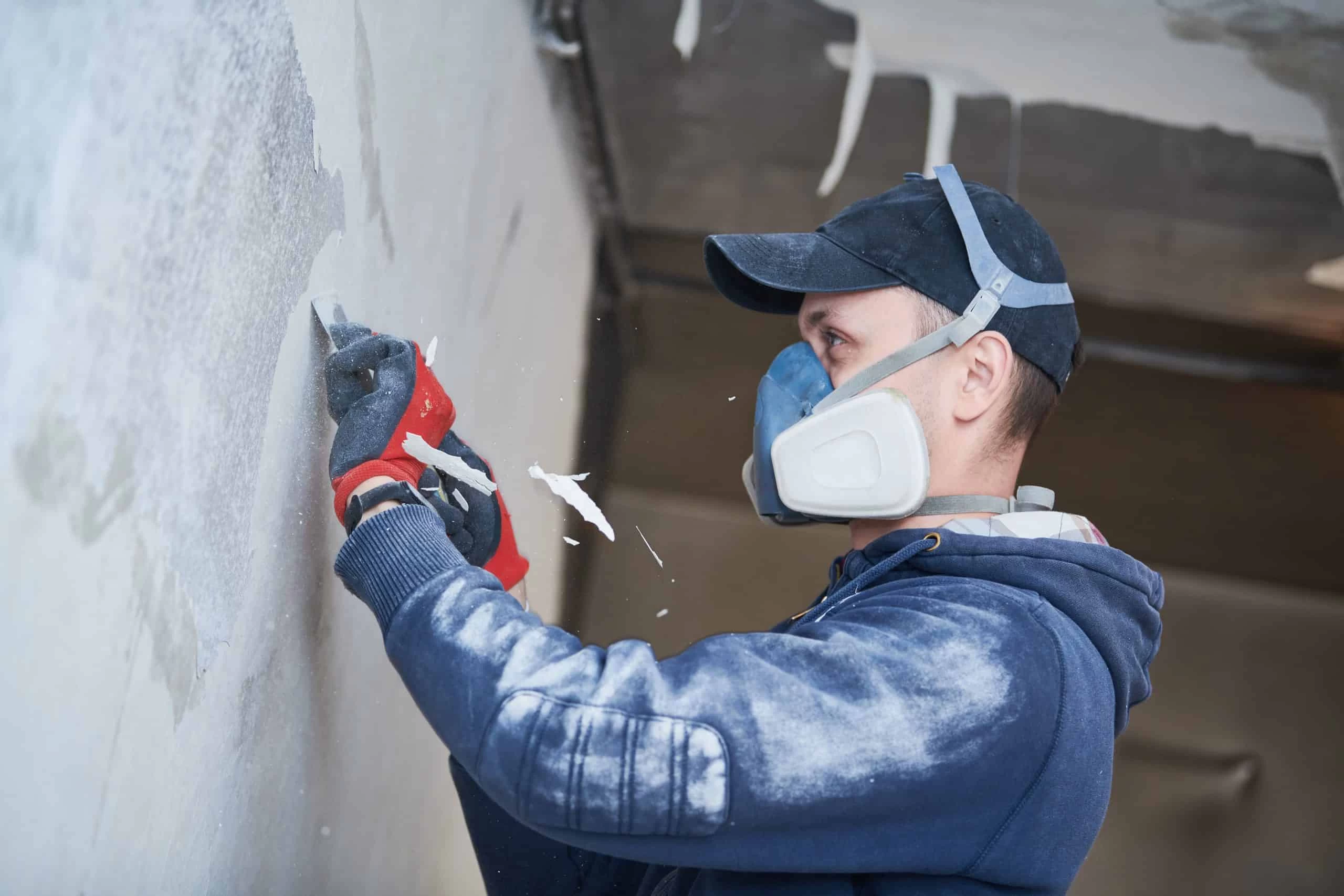
This isn’t a bureaucratic formality it’s a genuine safety requirement. Fire damage disturbs building materials that would otherwise remain stable. If those materials contain asbestos, the cleanup process itself becomes a health hazard without proper protocols. We handle the asbestos assessment and any required abatement as part of the restoration engagement, so you’re not coordinating between two separate contractors while your property sits unsecured.
How quickly does smoke damage need to be treated before it becomes permanent?
The window is shorter than most people expect. Soot begins chemically reacting with surfaces etching metals, discoloring grout, and permanently staining porous materials like brick and plaster within hours of a fire ending. In a pre-war Madison Square building with original finishes, that timeline is especially unforgiving. Exposed brick, cast-iron details, and hardwood floors can sustain permanent damage if professional cleaning is delayed even by a day or two.
Smoke odor compounds the problem. The longer smoke residue sits in wall cavities, HVAC ductwork, and soft materials, the deeper it penetrates and the harder it becomes to fully eliminate rather than just suppress. In a building where your unit shares ventilation with neighboring units, that contamination can spread while you’re waiting. Calling immediately after the fire is extinguished not after you’ve assessed the situation for a few days is what keeps the restoration scope manageable and the cost from climbing.
Will my insurance cover fire damage restoration in my Manhattan condo or co-op?
Most homeowner’s and condo owner’s policies cover fire damage restoration, but the specifics depend on your policy structure and how your building’s master policy is written. In a Madison Square co-op or condominium, there are typically two separate policies in play: the building’s master policy, which covers the structure and common areas, and your individual unit owner’s policy, which covers your personal property and, depending on the policy type, the interior finishes of your unit.
The distinction between an “all-in” and “bare walls” master policy determines who is responsible for restoring things like flooring, cabinetry, and built-in fixtures and that line isn’t always obvious when you’re standing in a smoke-damaged apartment at midnight. We bill insurance carriers directly and document scope of work in the format adjusters expect, which protects your right to full compensation and removes the administrative burden from you during an already stressful situation.
Can smoke from a fire in one unit affect other units in my Madison Square building?
Yes, and it happens more often than people realize. In the multi-unit residential buildings that define Madison Square whether that’s a converted loft on Broadway, a co-op on Park Avenue South, or a newer condominium near the park smoke travels through shared HVAC systems, elevator shafts, stairwells, and gaps in wall assemblies between units. A fire contained to one unit can leave detectable smoke odor and soot residue in adjacent units, units on floors above, and common areas throughout the building.
This is one of the reasons fire damage restoration in a Manhattan building is a different scope of work than a single-family home. The affected area isn’t just the unit of origin it’s wherever the smoke went. A thorough assessment includes the HVAC system and common areas, not just the apartment where the fire started. Addressing only the visible damage in one unit while smoke contamination persists in the ductwork is how odor problems return weeks after the restoration is supposedly complete.
How long does fire damage restoration typically take near Madison Square?
The honest answer is that it depends on the scope, and in Madison Square’s pre-war building stock, the regulatory process adds time that most people don’t anticipate. The asbestos assessment and ACP-5 filing required before DOB permits are issued typically adds several days to a week before structural work can legally begin. If the building is within the Madison Square North Historic District or the Ladies Mile Historic District, exterior repairs may require Landmarks Preservation Commission review, which adds additional lead time.
For a contained fire affecting one or two rooms with primarily smoke and soot damage and no major structural issues, the active restoration work after the regulatory clearances are in place typically runs one to two weeks. A more significant fire involving structural damage, water extraction, mold treatment, and reconstruction can run four to six weeks or longer. The most important thing you can do to compress that timeline is start the process immediately: the sooner the assessment begins, the sooner the permits are filed, and the sooner the work can start.
What should I do in the first hour after a fire in my Madison Square apartment?
The first priority is making sure the FDNY has cleared the building and confirmed it’s safe to re-enter don’t go back in until they’ve given the all-clear. Once you have that confirmation, call a restoration contractor before you call anyone else, including your insurance company. The reason is timing: a restoration contractor can begin the emergency stabilization process board-up, tarping, initial assessment while the damage is still in its most treatable state. Your insurance company will want a damage report, and having a contractor already on-site doing a professional assessment gives you a much stronger foundation for that claim than a self-documented walkthrough on your phone.
In a building like the ones throughout the Flatiron and NoMad areas near Madison Square, also notify your building’s managing agent or super immediately. They need to assess whether shared systems HVAC, electrical, common corridors were affected, and they have their own insurance obligations to fulfill. The faster everyone who needs to be involved is in the loop, the faster the building gets secured and the restoration process begins. We’re available 24 hours a day that first call can happen the same night the fire is extinguished.