When Your Building Burns, the Whole Floor Feels It
In Manhattanville’s pre-war apartment buildings, fire damage doesn’t stay in one unit and getting back home means navigating NYC permits, insurance claims, and hazardous materials all at once. We handle all of it.
I needed a professional consultation explanation of procedure for safe removal of Asbestos in my apartment complex. Without having an account yet, I was very impressed with the caring, knowledgeable and generous advice offered by Jessica, and will look forward to doing business in the future. Thank you so much! I feel much more informed about a sometimes scary endeavor. Peace. Nancy Silva Mineola, NY.
Mia Munoz
Used this company to clean up some water flood in my house. They were fast and easy to work with.very professional, Would recommend to anyone!
Nini Valle
Great company, had a flood and they responded quickly and efficiently. Billed my insurance company directly. I highly recommend this company!
joe colapietro, jr
I had pipe freeze in my basement right before a snow storm and they made to within an hour to help start the clean up process. They we by our side throughout the entire process and even helped with the insurance company. They did such a great job with the cleanup, repair, remidiation, I contracted them to perform the repairs and finishes in the basement. They came with enough manpower and material to get the job done. Leo and Jessica were nothing but a pleasure to deal with!!
Cristian Arredondo c
I had some water damage in my home and Green Island was able to take care of my issue quickly and effectively. I am very pleased with the work they did. They responded quickly and were very professional.
Michael M
Outstanding service! From the office to the field crew everyone was friendly, helpful and responsive. I highly recommend Green Island Group.
A fire in a Manhattanville apartment building doesn’t just damage the unit where it started. Smoke moves through shared HVAC systems, stairwells, and wall cavities. Firefighting water runs downward through floors and ceilings into units that never saw a single flame. By the time FDNY clears the scene, you’re already dealing with a problem that spans multiple floors, multiple families, and multiple insurance parties and the clock is already running on mold.
What you actually need is someone who can walk in, assess the full picture, and start moving not someone who handles one piece and leaves you to coordinate the rest. That means smoke and soot removal, structural drying, odor elimination, and hazardous materials assessment all under one roof. In a neighborhood where virtually every residential building predates 1987, asbestos is almost always part of the conversation. We already know that and can handle it without adding weeks to your timeline.
The goal isn’t just a building that looks repaired. It’s a building that clears inspection, passes DOB permitting, and lets displaced residents actually come home. That’s what a complete fire damage restoration service looks like in Manhattanville and that’s the standard we work to on every job.
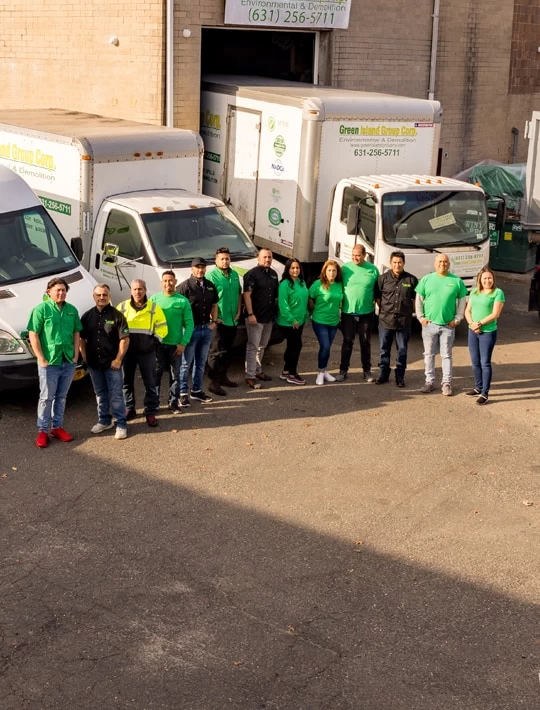
We’re a locally owned and operated environmental remediation, restoration, and demolition company serving New York State including Manhattan and every borough. We’re not a franchise running a national playbook. We’re a team that knows how New York buildings work, how NYC agencies operate, and what it actually takes to get a fire-damaged property through DOB and DEP and back to livable.
That matters in Manhattanville specifically. Between the Manhattanville Houses on Amsterdam Avenue, the pre-war walkups along Broadway, and the older residential buildings within blocks of Columbia University’s growing campus, the building stock here is almost entirely pre-1987. That means asbestos assessments aren’t optional they’re required before a single permit gets issued. We handle environmental remediation in-house, which means no third-party delays, no liability gaps, and no finger-pointing between contractors when something comes up mid-job.
From Emergency Response to Final Inspection Here's the Real Process
The first call triggers an emergency response. We’re available 24 hours a day, which matters when FDNY wraps up at 2am and your building on West 125th Street needs to be secured before morning. The first priority is stabilization board-up, tarping, and containing the damage so it doesn’t compound overnight. Smoke acids start etching surfaces within hours. Water from firefighting starts feeding mold within 24 to 48 hours. Speed in those first hours is not optional.
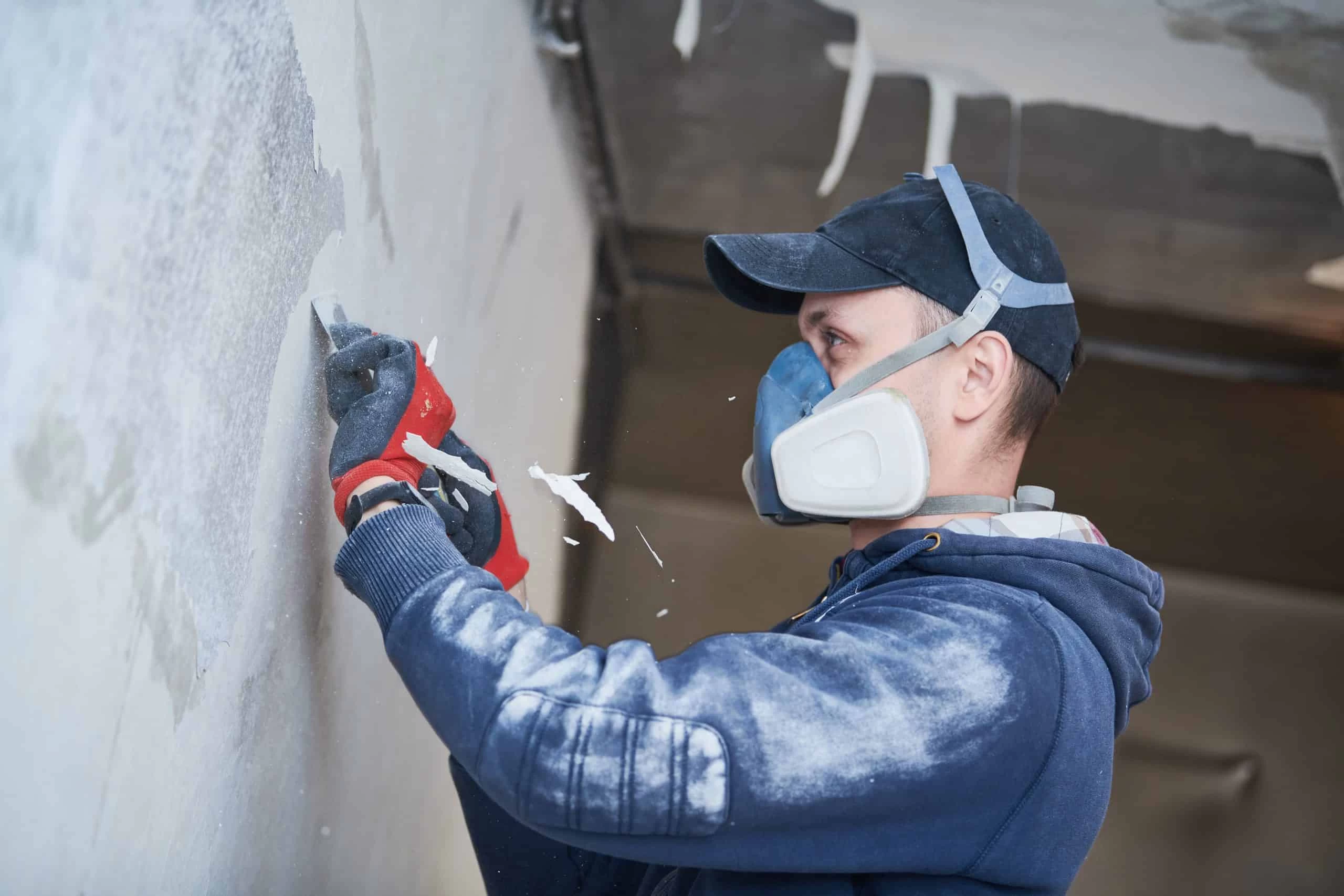
Once the site is stable, the assessment begins. In Manhattanville’s older building stock, that assessment includes a mandatory asbestos evaluation before any DOB permit can be issued a step that unlicensed or out-of-state contractors often don’t know how to navigate. We coordinate the ACP-5 documentation, work with DEP-certified investigators where required, and file the permits correctly the first time. That’s what keeps your timeline from stalling at the regulatory stage.
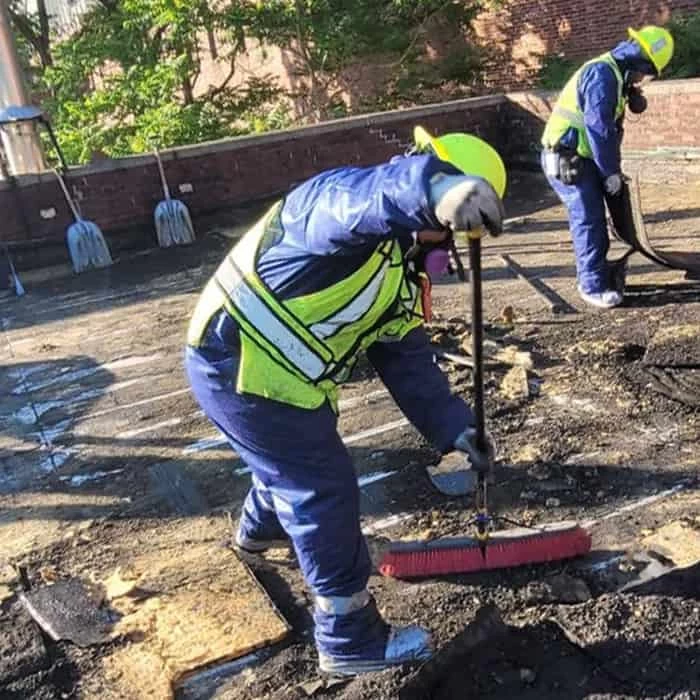
From there, the restoration moves through smoke and soot removal, structural drying, odor elimination using HEPA air scrubbers and thermal fogging, and then structural repair and reconstruction. Every step is documented for your insurance claim itemized, photographed, and formatted the way adjusters actually need it. The job isn’t done until the property clears inspection and the people who live there can come back.
Fire damage in a Manhattanville apartment building rarely looks like just one problem. There’s the direct fire and char damage. There’s the smoke and soot that traveled through the building’s shared systems. There’s the water sometimes thousands of gallons from firefighting that soaked into floors, ceilings, and the masonry walls of buildings that were already absorbing moisture from the neighborhood’s natural low-lying topography. And in buildings constructed before 1987, there’s almost always a hazardous materials layer underneath all of it.
Our fire damage restoration service covers the full scope: emergency board-up and site stabilization, smoke and soot removal from all affected surfaces and systems, water extraction and structural drying, mold assessment and remediation, asbestos abatement where required under NYC DEP regulations, lead paint compliance for pre-1978 buildings, structural repair, and full reconstruction to pre-loss condition. Everything is handled in-house. There’s no subcontracting the environmental work to a third party and waiting for their schedule to open up.
Insurance coordination is built into the process. We bill insurance companies directly and produce the complete documentation package damage assessments, scope-of-work records, environmental compliance reports that adjusters need to process a full claim. Whether you’re a tenant with renter’s insurance, a building owner, or a property management company dealing with a multi-unit loss, the process is designed to move your claim forward, not stall it.
Does fire damage restoration in Manhattanville require a NYC DOB permit?
Yes and in most cases in Manhattanville, it also triggers additional requirements before that permit can even be issued. Any structural repair, alteration, or demolition following a fire requires a permit from the NYC Department of Buildings. For buildings constructed before 1987 which is the overwhelming majority of residential buildings in Manhattanville the DOB also requires an asbestos assessment, documented on an ACP-5 form, before the permit application can move forward.
This is one of the most common points where restoration projects in Manhattanville stall. A contractor who doesn’t know the ACP-5 process, or who plans to start work before the assessment is complete, can create compliance violations that delay your entire project by weeks. We handle this documentation in-house, coordinate with DEP-certified asbestos investigators where required, and file permits correctly from the start. You don’t have to learn NYC’s regulatory process from scratch while you’re also dealing with displacement.
Who pays for fire damage restoration my landlord or my renter's insurance?
The short answer is: it depends on what caused the fire, where it started, and what your lease says but in most cases in a Manhattanville apartment building, both parties have some financial responsibility. If the fire started in your unit due to something within your control, your renter’s insurance typically covers your personal property and may cover additional living expenses while you’re displaced. The building owner’s insurance generally covers the structure itself walls, floors, ceilings, building systems.
Where it gets complicated is when the fire spread from another unit, when building systems like wiring or HVAC contributed to the fire, or when multiple units are affected simultaneously. In those situations, you may be dealing with your renter’s insurance, the building owner’s insurer, and potentially a third party’s liability coverage all at once. We work directly with insurance companies across all parties involved in a claim. We produce the documentation adjusters need, bill directly where possible, and help move the claim forward so you’re not stuck in the middle of a multi-party dispute while you’re trying to get back into your home.
Can smoke damage from a fire in another unit affect my Manhattanville apartment?
Absolutely and it’s more common than most people expect. In Manhattanville’s older pre-war apartment buildings, smoke doesn’t stay contained to the unit where a fire starts. It travels through shared HVAC ductwork, elevator shafts, stairwells, and gaps in aging wall assemblies. Residents two or three floors away from the fire’s origin can end up with smoke odor embedded in their walls, furniture, and clothing without ever seeing visible soot or char damage.
The critical thing to understand is that smoke odor isn’t just a smell it’s a chemical residue. The acids in smoke begin etching painted surfaces, fabrics, and finishes within hours of exposure. Masking it with deodorizers doesn’t solve the problem; it just delays it. Proper smoke damage remediation involves identifying every affected surface and system, cleaning and treating them with the right chemistry, and using HEPA air scrubbers and thermal fogging to eliminate odor at the molecular level. If your building had a fire and your unit smells like smoke, it warrants a professional assessment not just an open window.
How long does fire damage restoration take in a NYC apartment building?
The honest answer is that it varies significantly depending on the scope of damage, how many units are affected, and how quickly the regulatory steps get resolved. A single-unit fire with limited smoke spread and no hazardous materials complications might be restored in two to four weeks. A fire that affected multiple floors of a pre-war Manhattanville building triggering asbestos assessment, DOB permitting, multi-unit smoke remediation, and structural reconstruction can take two to four months or longer.
The biggest timeline variable in Manhattanville specifically is the regulatory layer. Because virtually every residential building here predates 1987, the asbestos assessment and abatement process is almost always required before structural work can begin. If that step is delayed because the contractor doesn’t know the process, or because the assessment reveals more asbestos-containing material than expected everything downstream gets pushed. Working with a contractor who handles environmental remediation in-house, knows the NYC DOB and DEP process, and files documentation correctly the first time is the single biggest factor in keeping your timeline as short as possible.
Does fire damage restoration in Manhattanville buildings also involve mold?
In most cases, yes and it’s something that catches a lot of people off guard. Mold growth can begin within 24 to 48 hours of water exposure, and firefighting efforts can introduce thousands of gallons of water into a building’s floors, ceilings, walls, and mechanical spaces. Manhattanville’s geographic position in a natural low-lying area the former Manhattanville Creek valley between Morningside Heights and Hamilton Heights means that water from firefighting doesn’t always drain away quickly. It sits in basement mechanical rooms and soaks into the masonry of older buildings, creating ideal conditions for mold.
The right approach is to treat fire damage and water damage simultaneously, not sequentially. That means deploying industrial drying equipment and moisture monitoring from the first day on site, not waiting until the smoke remediation is complete to start thinking about mold. Our combined fire restoration and mold remediation capability means both threats are addressed in parallel. You don’t need to bring in a separate mold contractor after the fact and add another layer of coordination and cost to an already complicated situation.
Is fire damage restoration covered by insurance for Manhattanville renters?
Renter’s insurance typically does cover fire damage but what it covers and how much depends on your specific policy. Most standard renter’s insurance policies cover your personal property up to your policy’s limits, and many also cover additional living expenses like hotel costs while your apartment is being restored. In a neighborhood where hotel rates near Upper Manhattan can run $200 to $400 per night, that coverage matters a great deal.
What renter’s insurance generally does not cover is the structural restoration of the building itself that falls under the building owner’s property insurance. This is where the distinction between your belongings and the building’s structure becomes important, and where disputes between insurers can slow things down. We work directly with insurance companies and produce the itemized documentation damage assessments, scope-of-work records, environmental compliance reports that adjusters need to process claims efficiently. For Manhattanville renters who may be navigating their first significant insurance claim, having a restoration contractor who understands how to support that process makes a real difference in what you ultimately recover.