When a Gold Coast Estate Burns, the Stakes Are Different
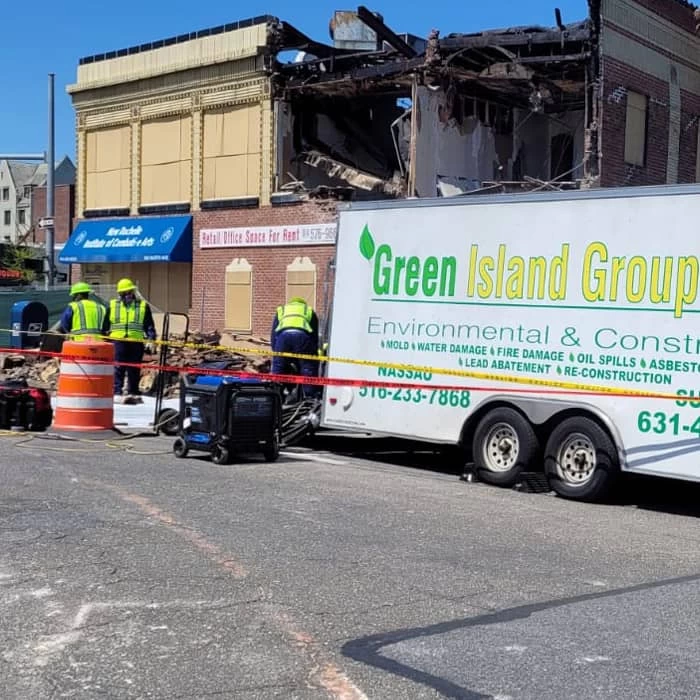
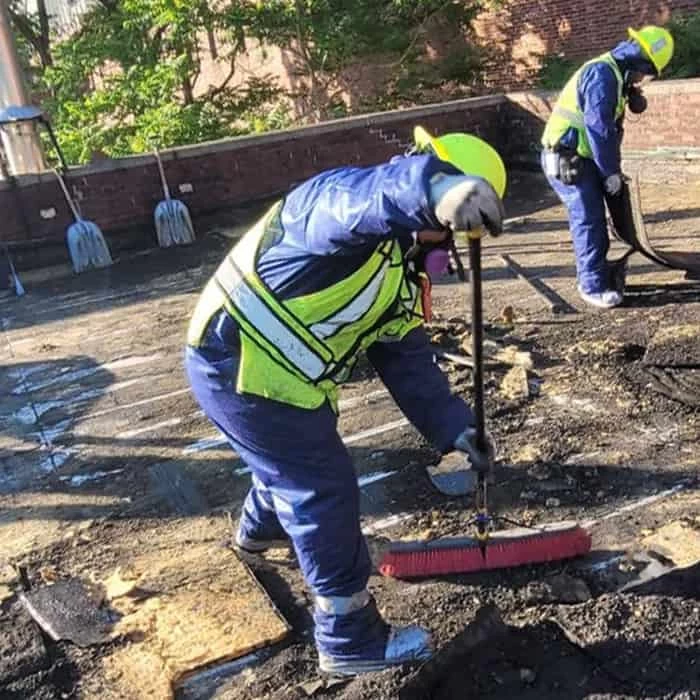
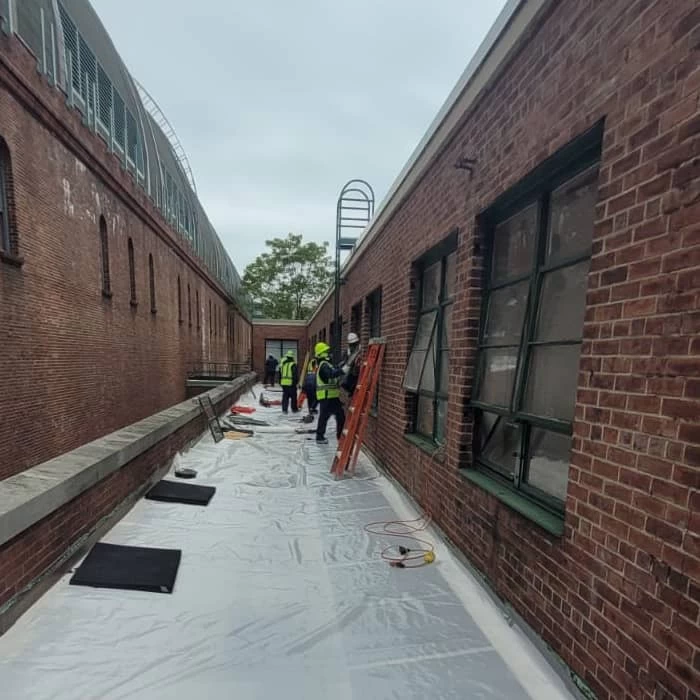
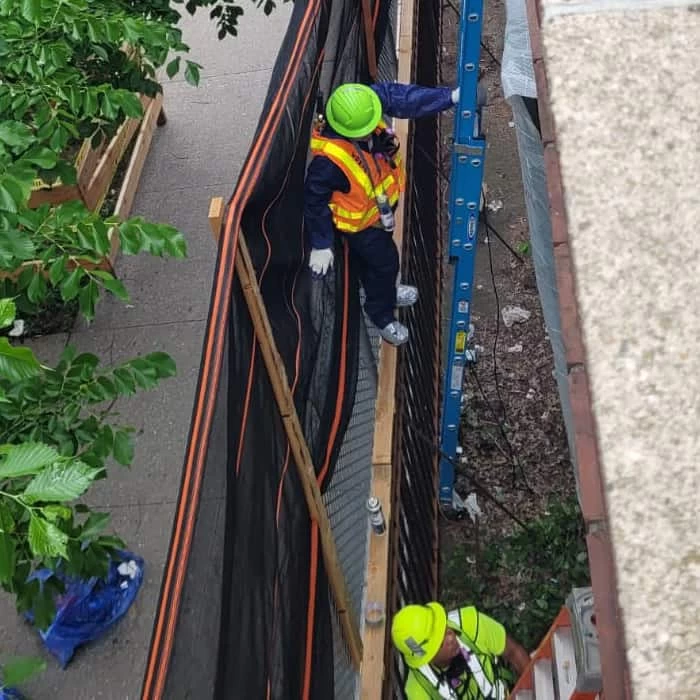
Fire damage in a pre-1960s Mill Neck home isn’t a standard restoration job — and the company you call shouldn’t treat it like one. We handle fire damage restoration from emergency response through full reconstruction, licensed for everything your walls might be hiding. In Mill Neck’s older estates, that means asbestos in pipe insulation and lead paint on every surface — hazardous materials that require specific state licenses to address legally.
I needed a professional consultation explanation of procedure for safe removal of Asbestos in my apartment complex. Without having an account yet, I was very impressed with the caring, knowledgeable and generous advice offered by Jessica, and will look forward to doing business in the future. Thank you so much! I feel much more informed about a sometimes scary endeavor. Peace. Nancy Silva Mineola, NY.
Mia Munoz
Used this company to clean up some water flood in my house. They were fast and easy to work with.very professional, Would recommend to anyone!
Nini Valle
Great company, had a flood and they responded quickly and efficiently. Billed my insurance company directly. I highly recommend this company!
joe colapietro, jr
I had pipe freeze in my basement right before a snow storm and they made to within an hour to help start the clean up process. They we by our side throughout the entire process and even helped with the insurance company. They did such a great job with the cleanup, repair, remidiation, I contracted them to perform the repairs and finishes in the basement. They came with enough manpower and material to get the job done. Leo and Jessica were nothing but a pleasure to deal with!!
Cristian Arredondo c
I had some water damage in my home and Green Island was able to take care of my issue quickly and effectively. I am very pleased with the work they did. They responded quickly and were very professional.
Michael M
Outstanding service! From the office to the field crew everyone was friendly, helpful and responsive. I highly recommend Green Island Group.
What Full Recovery Looks Like in a Mill Neck Estate Home
A fire in a Mill Neck home doesn’t just burn what it touches. Smoke travels through HVAC systems, seeps into original plaster walls, and settles across rooms that never saw a flame — sometimes across thousands of square feet before anyone realizes how far it’s spread. In a large estate home with multiple heating zones and century-old construction, the scope of smoke damage is almost always bigger than it first appears.
Then there’s what’s inside the walls. Mill Neck’s housing stock is predominantly pre-1960s — which means asbestos-containing materials and lead paint are nearly guaranteed to be present. The moment fire or smoke disturbs those materials, you’re not just dealing with a restoration project. You’re dealing with a hazardous materials situation that requires specific state licenses to legally address. Most restoration companies can’t handle that in-house. We can.
When the work is done right, you get your home back — not a version of it. Odors gone. Air quality tested clean. Structural damage repaired to code. And every material that couldn’t be replaced was restored instead. That’s the standard this work deserves, especially in a community where the homes themselves are irreplaceable.
We’re a locally owned restoration company based in Bohemia, NY, serving Nassau County, Suffolk County, Queens, and New York City. We’ve completed more than 5,000 restoration projects across New York State — including the older, architecturally significant homes that define the North Shore’s Gold Coast corridor from Lattingtown to Oyster Bay, where Mill Neck sits as one of the most challenging restoration markets in the region.
We hold a Nassau County General Contractor License, which means we can legally take your project from emergency board-up all the way through final reconstruction without handing it off to a second company. We also hold NYS DOL Asbestos and Mold licenses and USEPA Lead/RRP Certification — credentials that matter enormously when you’re restoring a Mill Neck home built before 1960. The Fire Prevention Ordinance in Nassau County requires IICRC certification and valid lead and asbestos credentials for restoration contractors. We meet every one of those requirements.
One company, one point of contact, fully licensed for everything your Mill Neck home is likely to need.
The first call triggers an emergency response — we’re on-site within one hour, 24 hours a day. The immediate priority is stabilization: board-up, tarping, and securing the structure so weather and unauthorized entry don’t compound the damage. Mill Neck’s coastal exposure means a storm can move in fast, and an unsecured structure after a fire is a compounding problem waiting to happen.
From there, we conduct a full assessment — not just of what burned, but of where smoke traveled, what water the fire department left behind, and what hazardous materials may have been disturbed. In a pre-1960s estate home, that assessment almost always includes an asbestos and lead survey before any demolition begins. This isn’t optional in Nassau County — it’s the law, and skipping it creates liability that lands on you as the homeowner.
Once the scope is clear, we handle remediation, structural drying, hazardous material abatement, and reconstruction as a single coordinated project. We document everything in insurance-standard format, communicate directly with your insurer, and keep you informed throughout. When we’re done, the air is tested, the structure is sound, and your home is ready to live in again — not just cleaned up on the surface.
Built for Estate Homes, Not Standard Suburban Jobs
Fire damage restoration in Mill Neck covers a lot of ground — and the service has to match the complexity of the homes here. That means smoke and soot removal using air scrubbers, ozone treatment, and thermal fogging across large, multi-room floor plans. It means HVAC cleaning certified to NADCA standards, because smoke doesn’t stop at the register. And it means structural drying and mold prevention handled simultaneously, because the water used to suppress a structure fire creates a mold risk within 24 to 48 hours — especially in older homes with less effective vapor barriers.
Oil burner puff-backs are worth calling out specifically, because they’re common on the North Shore and frequently underestimated. A puff-back in a large estate home can coat original plaster ceilings, antique millwork, and imported stone floors in oily, acidic soot that smears when touched and requires a completely different cleaning protocol than dry soot from a wood fire. We handle it — correctly, the first time.
Every project also includes full documentation for insurance purposes. We bill insurers directly, attend material selection appointments when needed, and advocate for coverage that reflects the actual scope of the loss. For a high-value property in Mill Neck, that level of claims support isn’t a bonus — it’s part of the job.
Does fire damage restoration in Mill Neck require special permits or licensed contractors?
Yes — and this is one of the most important things to verify before you hire anyone. The Nassau County Fire Prevention Ordinance requires that restoration contractors performing board-up and restoration work in Nassau County hold IICRC FSRT (Fire and Smoke Restoration Technician) certification or documented equivalent training, along with valid lead and asbestos abatement licenses. This isn’t a voluntary standard — it’s a legal requirement.
In Mill Neck specifically, virtually every home predates 1978, meaning lead paint is almost certainly present. Most homes predate 1960, meaning asbestos-containing materials in pipe insulation, floor tiles, ceiling tiles, and joint compound are highly likely. Any contractor who begins demolition or structural work without the proper NYS DOL Asbestos License and USEPA Lead/RRP Certification is operating illegally — and the liability for that can fall on you as the property owner. Structural reconstruction also requires permits through the Village of Mill Neck’s building department at 32 Frost Mill Road. We handle permit coordination as part of the project, so you’re not navigating that process alone.
How quickly can you respond to a fire emergency in Mill Neck, NY?
We respond within one hour, around the clock, every day of the year. Mill Neck’s geography — surrounded by water on three sides and accessed by winding local roads — means that response time is a real consideration, not just a marketing line. Every hour after a fire matters because acidic soot begins permanently bonding to surfaces within hours of exposure, and firefighting water creates a mold risk that starts within 24 to 48 hours.
When we arrive, the first priority is stabilization — boarding up openings, tarping the roof if needed, and securing the structure against weather. The North Shore sees coastal storms year-round, and an unsecured structure in Mill Neck after a fire is genuinely vulnerable to compound damage. Fast response doesn’t just limit the restoration scope — it directly affects how much of your home can be saved versus replaced.
What's the difference between fire damage and smoke damage, and why does it matter?
Fire damage is what burned. Smoke damage is everything else — and it’s almost always the larger problem. Smoke travels through HVAC systems, seeps into wall cavities, penetrates original plaster, and deposits acidic soot across rooms that never came close to the flames. In a large estate home with multiple heating zones and complex ductwork, smoke can affect the entire structure from a fire that was contained to a single room.
The distinction matters because smoke damage requires a completely different remediation approach than structural fire damage. It’s not cleaning — it’s a multi-step process involving air scrubbing, ozone treatment, thermal fogging, HEPA vacuuming, and HVAC decontamination. If smoke damage isn’t fully addressed, the odor returns, indoor air quality remains compromised, and surfaces continue to degrade from the acidic residue. In a pre-1960s Mill Neck home with original plaster and historic millwork, improper smoke remediation can cause permanent damage to materials that can’t be sourced or replicated.
Will my homeowner's insurance cover fire damage restoration in Mill Neck?
In most cases, yes — standard homeowner’s insurance policies cover fire damage restoration, including smoke remediation, water damage from firefighting, temporary housing, and structural reconstruction. But the claims process for a high-value estate home in Mill Neck is not simple, and the documentation your insurer requires is detailed.
This is where having a restoration company that handles insurance billing directly makes a real difference. We document every step of the restoration process in insurance-standard format, communicate with your adjuster throughout the project, and attend material selection appointments when needed to make sure the coverage reflects the actual scope and quality of the work. For a property of the scale and character typical in Mill Neck — where original architectural details, historic materials, and large square footage are the norm — a thorough, well-documented claim is the difference between full recovery and a settlement that falls short of what the restoration actually costs.
What makes restoring an older Mill Neck estate home more complex than a standard restoration?
Several things — and they all matter. First, the hazardous materials. Pre-1960s construction almost universally contains asbestos in pipe insulation, floor tiles, ceiling tiles, and joint compound, as well as lead paint on virtually every painted surface. Fire or smoke that disturbs these materials creates a legal and health emergency that requires licensed abatement before any structural work can proceed. A restoration company without NYS DOL Asbestos and USEPA Lead/RRP credentials cannot legally perform this work in New York State.
Second, the materials themselves. Original plaster absorbs smoke differently than modern drywall. Antique millwork, imported stone, and hand-finished architectural details require specialized cleaning protocols — abrasive or improper methods cause permanent damage. A Gold Coast-era estate in Mill Neck may also have multiple heating systems, original masonry chimneys, and HVAC configurations that a newer company won’t recognize or know how to clean properly. Treating a Mill Neck estate like a standard suburban house is one of the most expensive mistakes a homeowner can make after a fire.
What is an oil burner puff-back, and is it common in Mill Neck homes?
A puff-back happens when an oil-fired furnace misfires and backfires, releasing a pressurized cloud of oily, unburned fuel and soot through the heating system and into the home’s living spaces. It’s not a fire in the traditional sense — there may be no flames at all — but the damage can be extensive, spreading oily soot across ceilings, walls, furniture, and every surface the heating system connects to.
It’s genuinely common on the North Shore, and Mill Neck’s older estate homes are particularly susceptible. Most of these homes are oil-heated, many with original or aging burner equipment, and the large square footage means a puff-back can affect thousands of square feet of living space in minutes. The oily soot from a puff-back is significantly harder to remove than dry soot — it smears on contact and penetrates porous surfaces quickly. It also requires full HVAC cleaning to prevent recirculation. If you’ve had a puff-back in a Mill Neck home and someone tells you it’s just a cleaning job, get a second opinion. Proper remediation involves air scrubbing, surface cleaning with the right chemistry, odor elimination, and duct cleaning — the same scope as a structural fire event, just without the structural damage.