Prewar Buildings in Morningside Need More Than a Cleanup Crew
When fire hits a century-old apartment building in Morningside Heights, the damage goes deeper than what you can see and fixing it right means knowing exactly what NYC requires before a single wall gets touched.
I needed a professional consultation explanation of procedure for safe removal of Asbestos in my apartment complex. Without having an account yet, I was very impressed with the caring, knowledgeable and generous advice offered by Jessica, and will look forward to doing business in the future. Thank you so much! I feel much more informed about a sometimes scary endeavor. Peace. Nancy Silva Mineola, NY.
Mia Munoz
Used this company to clean up some water flood in my house. They were fast and easy to work with.very professional, Would recommend to anyone!
Nini Valle
Great company, had a flood and they responded quickly and efficiently. Billed my insurance company directly. I highly recommend this company!
joe colapietro, jr
I had pipe freeze in my basement right before a snow storm and they made to within an hour to help start the clean up process. They we by our side throughout the entire process and even helped with the insurance company. They did such a great job with the cleanup, repair, remidiation, I contracted them to perform the repairs and finishes in the basement. They came with enough manpower and material to get the job done. Leo and Jessica were nothing but a pleasure to deal with!!
Cristian Arredondo c
I had some water damage in my home and Green Island was able to take care of my issue quickly and effectively. I am very pleased with the work they did. They responded quickly and were very professional.
Michael M
Outstanding service! From the office to the field crew everyone was friendly, helpful and responsive. I highly recommend Green Island Group.
A fire in a Morningside Heights apartment building doesn’t just damage one unit. Smoke travels through original plaster walls, steam pipe channels, and shared ductwork that’s been running through these buildings since before World War II. If the remediation doesn’t account for how these prewar structures actually breathe, the smell comes back and so do the problems.
What you actually need after a fire in Morningside is someone who understands that virtually every residential building in this neighborhood was built before 1978. That means asbestos surveys and lead assessments are legally required before any structural work begins not optional, not a suggestion. A contractor who doesn’t handle that in-house will hit a wall the moment the survey comes back positive, which in Morningside Heights, it almost always does.
When the job is done right, you get a property that passes DOB inspection, clears insurance documentation, and doesn’t have a smoke smell creeping back through the vents three weeks later. Whether you’re a landlord trying to get displaced tenants back home, a co-op shareholder waiting on board approval, or a renter trying to understand what you’re even responsible for the outcome you need is clarity, compliance, and a fully restored space.
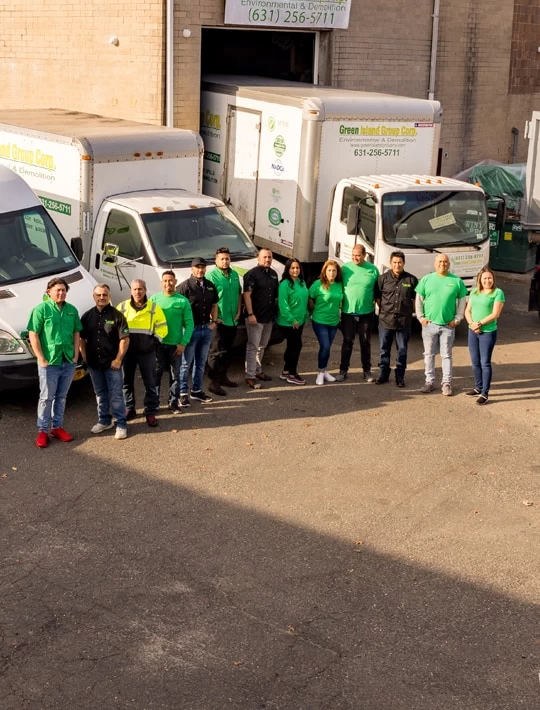
We’re a locally operated environmental remediation, demolition, and restoration company serving Morningside Heights and the surrounding Upper Manhattan neighborhoods including Manhattanville, Hamilton Grange, and Washington Heights. This isn’t a franchise with a call center routing your job to whoever’s available. We’re a team that has worked inside NYC’s regulatory system long enough to know what the Department of Buildings needs, what the Landmarks Preservation Commission requires for buildings in the Morningside Heights Historic District, and how to move through that process without stalling your timeline.
We hold in-house asbestos abatement and lead abatement credentials which matters enormously in a neighborhood where the building stock is almost entirely prewar. That means no subcontracting out the hazardous materials piece, no waiting on a third party to clear the site, and no gaps in accountability between the environmental work and the reconstruction work.
Our customers have specifically noted the 24/7 phone accessibility, direct insurance billing, and the fact that we actually show up and follow through. In a neighborhood where a single fire can displace an entire floor of residents, that’s not a small thing.
What Actually Happens After the FDNY Leaves Your Morningside Building
The moment Engine Company 47 clears the scene at your building on or near West 113th Street, the clock starts and not in your favor. Soot acids begin etching metal fixtures and discoloring original plaster within hours. Water from firefighting soaks into wood-frame floors and wall cavities, and mold can establish itself within 24 to 48 hours in a building that’s been holding moisture in its bones for over a century.
The first step is emergency stabilization boarding up compromised openings, tarping exposed areas, and documenting everything thoroughly for your insurance claim. From there, we perform a proper assessment: what’s structurally affected, what materials are present, and whether the building’s age triggers mandatory asbestos or lead survey requirements under NYC law. In Morningside Heights, that survey step is almost never skippable.
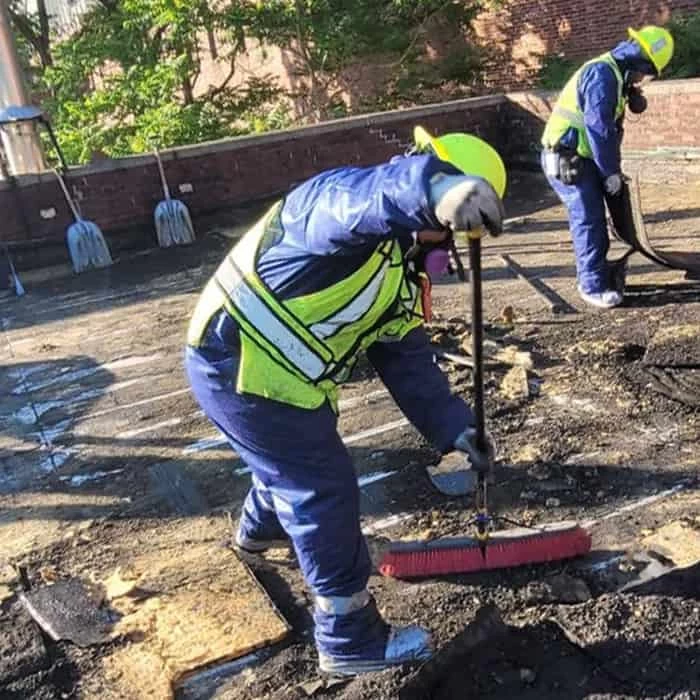
Once the site is cleared for work, the restoration moves through smoke and soot removal, odor neutralization using thermal fogging and HEPA air scrubbing, water damage remediation, and then structural repairs and full reconstruction as needed all under one contractor pulling the required DOB permits. If the building falls within the Morningside Heights Historic District, exterior work gets coordinated with the Landmarks Preservation Commission before anything touches the facade. The goal is a finished property that’s legally compliant, fully restored, and ready for occupancy not just visually patched.
Every Layer of Damage Gets Addressed, Not Just the Visible One
Fire damage restoration in a Morningside Heights apartment building covers a lot more ground than it does in a single-family home somewhere outside the city. We handle emergency board-up and tarping, complete smoke and soot removal, odor elimination that goes beyond surface treatment, water damage remediation from firefighting, asbestos abatement and lead abatement where required, structural repairs, and full reconstruction all under one licensed team and one contract.
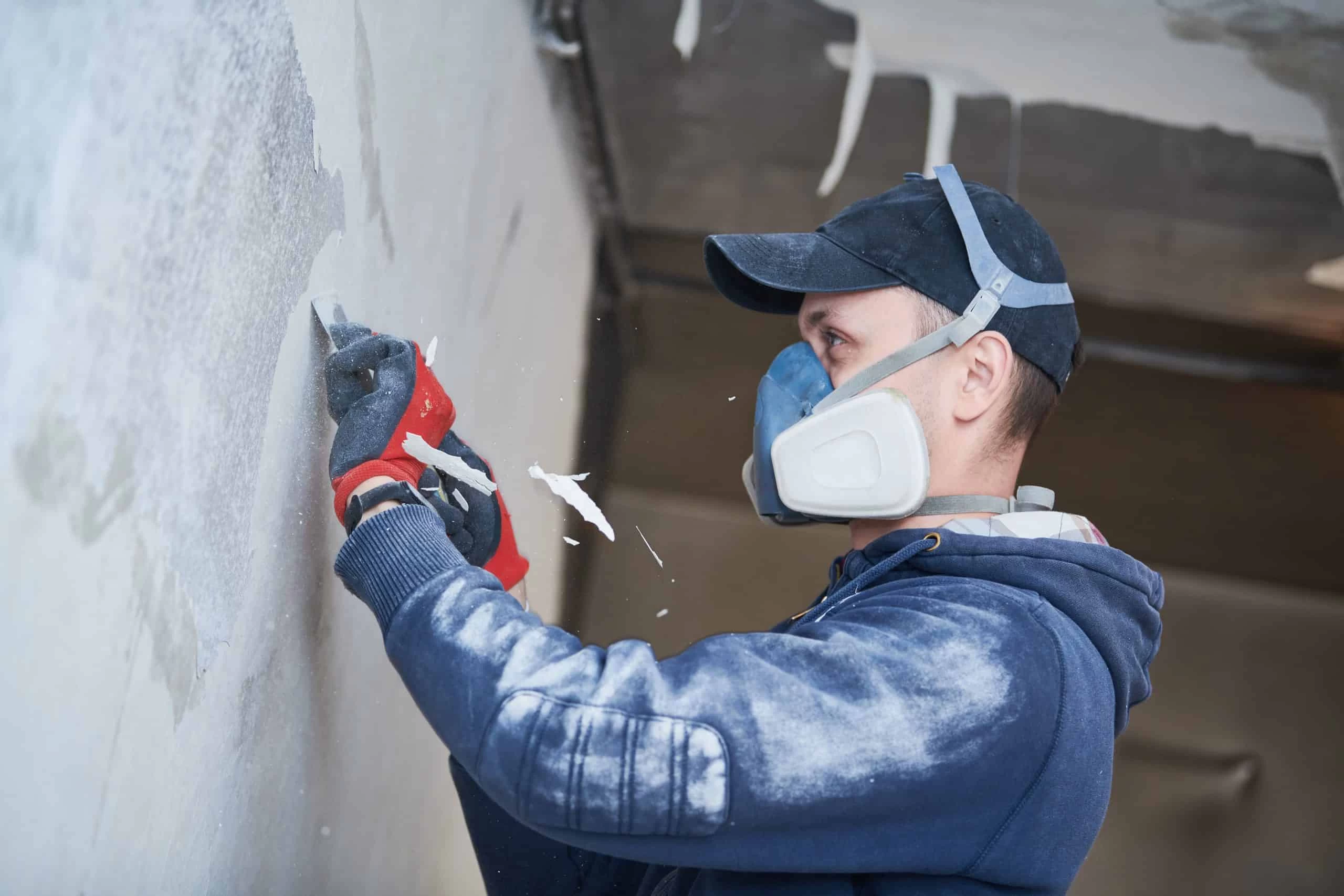
The asbestos and lead piece is worth understanding specifically. Under NYC law, any demolition or structural repair work in a pre-1978 building requires a licensed investigator to survey the affected area first. If hazardous materials are found, they have to be properly removed before the rebuild can begin. We handle this in-house, which means the survey, the abatement, and the reconstruction are all coordinated by the same team no handoffs, no delays waiting on a subcontractor to finish before the real work can start.
For buildings within the Morningside Heights Historic District and there are over 100 of them exterior restoration work also requires Landmarks Preservation Commission review before a DOB permit can be issued. That’s a layer most out-of-area contractors don’t even know exists until it stops them cold. Knowing it’s coming, and knowing how to move through it, is part of what makes the difference between a job that gets done right and one that drags on for months.
Does fire damage restoration in a Morningside Heights building require NYC permits?
Yes any structural repair, electrical work, plumbing, or HVAC modification following a fire in a New York City building requires permits from the NYC Department of Buildings. This applies whether you’re restoring one unit or an entire floor. The permit process includes inspections, and the property won’t be legally cleared for occupancy until the DOB signs off on the completed work.
In Morningside Heights specifically, there’s an additional layer for buildings within the Morningside Heights Historic District. If the fire affected any part of the building’s exterior facade, windows, architectural details the Landmarks Preservation Commission has to review and approve that work before a DOB permit can even be issued. Most property owners in Morningside don’t know this step exists until it creates a delay. Working with a contractor who knows how to initiate that process from day one keeps the timeline moving instead of stalling it.
My Morningside Heights apartment building was built in the 1920s does that affect the restoration process?
It does, in a few important ways. Buildings constructed before 1978 which covers virtually the entire residential stock in Morningside Heights are subject to NYC’s mandatory asbestos and lead survey requirements. Before any demolition or structural repair work can legally begin, a licensed asbestos investigator has to survey the affected area. If asbestos-containing materials are present, a licensed abatement contractor must remove them before restoration work proceeds. The same framework applies to lead paint under NYC Local Law 1.
This isn’t a bureaucratic technicality it’s a real step that affects your timeline and your contractor selection. A restoration company that doesn’t hold in-house asbestos and lead abatement credentials will have to subcontract that work, which adds time, adds coordination complexity, and splits accountability across multiple parties. In Morningside, where nearly every building triggers these requirements, having one team that handles it all from survey through reconstruction makes a meaningful difference in how quickly you get back to normal.
How long does fire damage restoration typically take in a NYC apartment building?
It depends on the scope of the damage, but in a multi-unit prewar building in Morningside Heights, you should expect the process to take longer than a suburban single-family home restoration not because the work itself is slower, but because NYC’s regulatory requirements add real steps that can’t be skipped. Asbestos surveys, DOB permit applications, potential LPC review for landmarked buildings, and co-op board approvals if the building operates as a cooperative all of these have their own timelines.
For a single unit with moderate fire and smoke damage, the physical restoration work might take two to four weeks. But the full timeline from fire to final DOB inspection can run six to twelve weeks or longer depending on the permit queue, whether hazardous materials are present, and whether the building’s managing agent or co-op board has approvals to coordinate. We understand these steps upfront and can sequence the work to minimize downtime starting on what’s legally permissible while the permits and surveys are in process, rather than waiting on everything before touching anything.
Will my renters' insurance cover fire damage restoration costs in my Morningside Heights apartment?
Renters’ insurance typically covers your personal property furniture, clothing, electronics and may include loss-of-use benefits that pay for temporary housing while your unit is being restored. What it generally does not cover is the structural restoration of the building itself. That responsibility falls on your landlord’s property insurance policy, or in a co-op building, a combination of the co-op corporation’s master policy and your individual shareholder coverage.
The important thing to do immediately after a fire is document everything photograph every damaged item and every affected surface before anything is moved or cleaned. File your claim as quickly as possible and ask your insurer specifically about loss-of-use benefits, which many renters don’t realize they have. The NYC Council has published guidance for fire-affected tenants that specifically advises this. We bill insurance carriers directly and can work with your adjuster to document the scope of damage accurately, which matters when the claim involves both your policy and your building’s policy simultaneously.
What's the difference between smoke cleanup and actual fire damage restoration?
Smoke cleanup typically refers to surface-level treatment wiping down walls, running air purifiers, maybe repainting. It addresses what you can see and smell in the immediate aftermath. Fire damage restoration is the full scope of work: structural assessment, smoke and soot removal from inside wall cavities and ductwork, water damage remediation from firefighting, odor neutralization at the molecular level, and complete reconstruction of anything structurally compromised.
In a prewar Morningside Heights building, the distinction matters more than it would in newer construction. Original plaster walls, hardwood floors, and steam pipe channels absorb smoke deeply. Surface cleaning doesn’t reach what’s inside the wall. Thermal fogging, hydroxyl generators, and HEPA air scrubbing are the tools that actually eliminate odor rather than mask it and in a multi-unit building where other residents are still living on surrounding floors, thoroughness isn’t optional. Smoke that lingers in shared ductwork or common areas is a problem that building management will require you to resolve, and a surface-level cleanup won’t get you there.
Does Green Island Group handle fire damage restoration in occupied Morningside Heights buildings?
Yes and working in an occupied multi-unit building is something that requires a different approach than working in a vacant single-family home. In Morningside, where a fire in one unit often means other residents are still living directly above, below, and beside the affected area, the restoration work has to be coordinated carefully. That means managing debris removal through shared lobbies and elevators without disrupting other tenants, containing dust and odor during the remediation phase so it doesn’t spread to occupied units, and communicating clearly with the building’s managing agent throughout the process.
We have experience working within the operational realities of NYC apartment buildings co-op board approval processes, managing agent coordination, and the logistical constraints of urban job sites where equipment staging and materials delivery require planning that simply doesn’t exist on a suburban job. If you’re a landlord managing displaced tenants or a building manager trying to restore one floor while keeping the rest of the building functional, that kind of operational awareness is what keeps a difficult situation from becoming a much worse one.