When a North Fork Home Burns, the Clock Starts Immediately
Soot etches. Smoke spreads. Water from the hose sits. Fire damage restoration in New Suffolk means acting fast and knowing exactly what older bay-area homes are up against.
I needed a professional consultation explanation of procedure for safe removal of Asbestos in my apartment complex. Without having an account yet, I was very impressed with the caring, knowledgeable and generous advice offered by Jessica, and will look forward to doing business in the future. Thank you so much! I feel much more informed about a sometimes scary endeavor. Peace. Nancy Silva Mineola, NY.
Mia Munoz
Used this company to clean up some water flood in my house. They were fast and easy to work with.very professional, Would recommend to anyone!
Nini Valle
Great company, had a flood and they responded quickly and efficiently. Billed my insurance company directly. I highly recommend this company!
joe colapietro, jr
I had pipe freeze in my basement right before a snow storm and they made to within an hour to help start the clean up process. They we by our side throughout the entire process and even helped with the insurance company. They did such a great job with the cleanup, repair, remidiation, I contracted them to perform the repairs and finishes in the basement. They came with enough manpower and material to get the job done. Leo and Jessica were nothing but a pleasure to deal with!!
Cristian Arredondo c
I had some water damage in my home and Green Island was able to take care of my issue quickly and effectively. I am very pleased with the work they did. They responded quickly and were very professional.
Michael M
Outstanding service! From the office to the field crew everyone was friendly, helpful and responsive. I highly recommend Green Island Group.
Most people assume fire damage is just what burned. It’s not. Smoke travels through wall cavities, HVAC ductwork, and porous materials within minutes of a fire starting reaching rooms that never saw a flame. In an older New Suffolk home with original plaster walls, period woodwork, and historic millwork, that smoke has more places to hide and more surfaces to permanently stain. What looks like a contained kitchen fire can mean contamination throughout the entire structure.
Then there’s the water. Fire hoses push roughly 250 gallons per minute, and that water doesn’t disappear when the Cutchogue Fire Department clears the scene. It sits in subfloors, insulation, and wall cavities and mold can begin growing within 24 to 48 hours. In a hamlet where homes regularly date back to the early 1900s, that moisture is working against materials that were never designed to handle that kind of saturation.
What full recovery looks like is a home that’s safe, structurally sound, free of smoke odor, and restored to the character it had before not a patched version of it. That’s what our process is built around.
Long Island Roots, Not a Franchise Routing You Somewhere
We’re a locally owned and operated restoration company serving Long Island Nassau, Suffolk, Queens, and the East End. When you call, you reach the people managing your project. Not a national intake center. Not a subcontractor dispatch. The same named staff who’ve been referenced by real customers in real reviews are the ones handling your home.
That matters in a community like New Suffolk. This isn’t a high-volume suburban market where crews rotate in and out anonymously. It’s a tight-knit waterfront hamlet of roughly 400 people off Little Peconic Bay, where the homes are old, the properties are high-value, and word travels fast. The Cutchogue Fire Department the volunteer department that serves New Suffolk responds to calls here. When they leave, we’re who you want next.
We carry the environmental remediation credentials required under New York State law for asbestos abatement and lead paint work which aren’t optional extras in this housing market. They’re legal requirements, and we’re equipped to handle them as part of the full restoration scope.
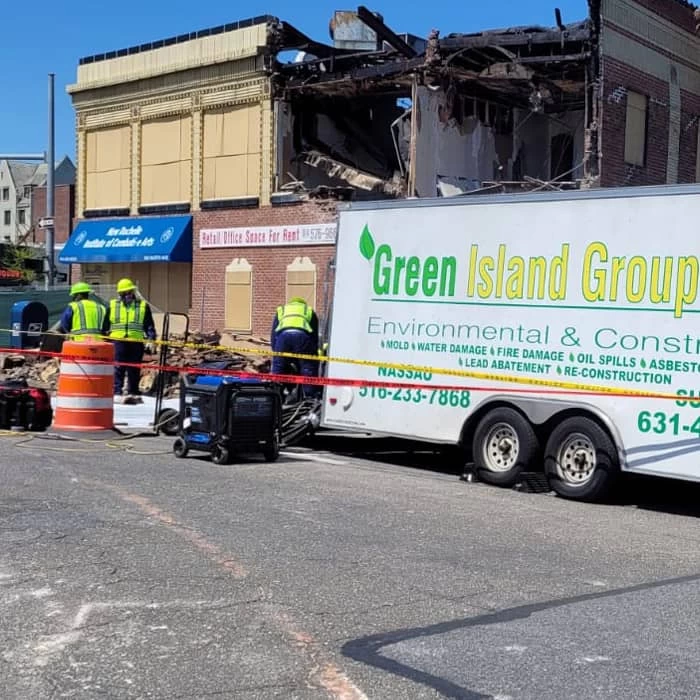
The first step is stabilization. That means securing the property, boarding up any compromised openings, and stopping further damage from weather, water intrusion, or structural risk. In New Suffolk, where nor’easters and coastal storms can roll in fast and many homes sit exposed to bay-side weather, getting a fire-damaged structure sealed quickly isn’t just good practice it’s essential.
From there, the assessment begins. Every affected area gets documented visible burn damage, smoke penetration, water saturation, and any hazardous materials that may have been disturbed. In pre-1978 homes, which make up a significant portion of New Suffolk’s housing stock, that documentation includes evaluation for asbestos-containing materials and lead paint before any demolition or reconstruction work starts. All permits for reconstruction go through the Town of Southold Building Department, and we handle that process as part of the project not handing it off to you to figure out.
Once remediation is complete smoke, soot, water, and any hazardous materials cleared reconstruction begins. Framing, drywall, finishes, flooring, whatever the scope requires. The goal isn’t just structural repair. It’s restoring the home to the condition it deserves, including the character details that make an older North Fork property worth what it is.
Fire damage restoration isn’t a single service it’s a sequence. We handle the full arc: emergency response and property securing, smoke and soot remediation, water extraction and drying, odor elimination, hazardous material abatement, structural repair, and full reconstruction through to final finishes. For New Suffolk homeowners, that last part matters more than most people realize. A home with a median value near $1.87 million the highest on the North Fork doesn’t get restored with builder-grade shortcuts.
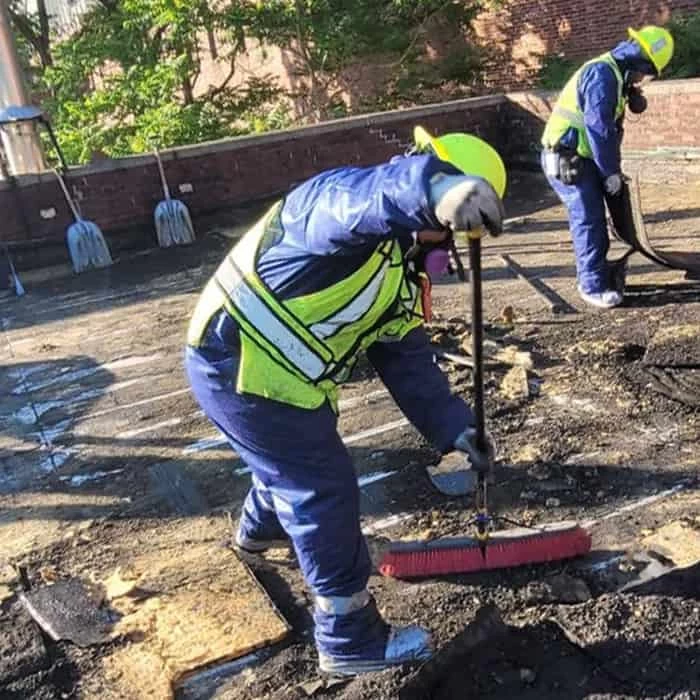
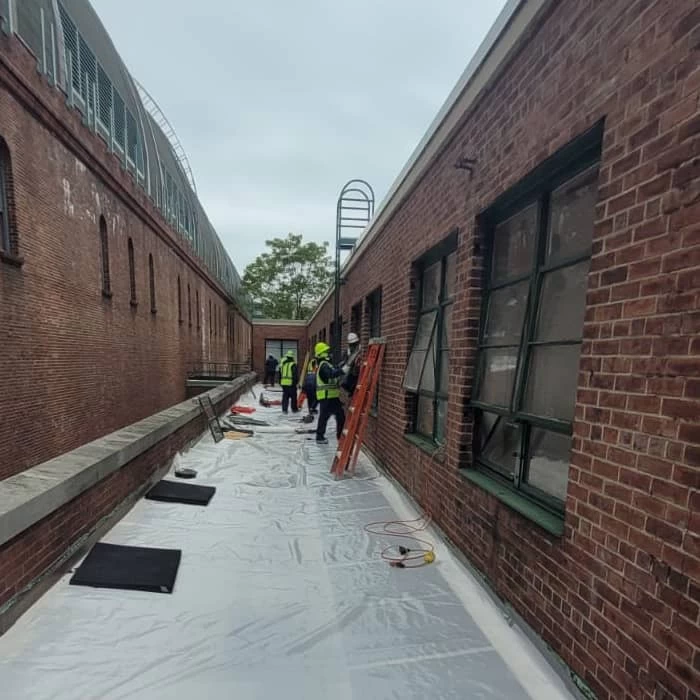
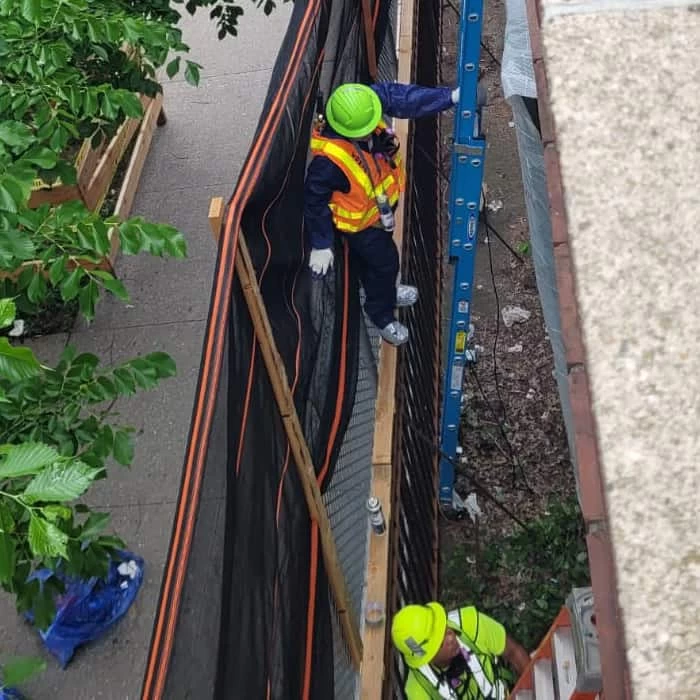
The environmental piece is especially relevant here. Homes throughout New Suffolk frequently contain asbestos insulation, lead-based paint, and other materials common to late 19th and early 20th century construction. A fire disturbs those materials. Cleanup without proper abatement isn’t just incomplete it’s a legal and health liability. We hold the New York State certifications required to handle this work correctly, so it doesn’t become a separate problem you have to solve with a different contractor.
Insurance assistance is built into our process, not offered as an afterthought. Damage gets documented in a way that supports your claim, and direct communication with your adjuster is part of how we work. Multiple customers have specifically called this out in their reviews because when you’re dealing with a major claim on a high-value property, having someone in your corner during that process is not a small thing.
Does fire damage restoration in New Suffolk require special permits from the Town of Southold?
Yes any reconstruction work following fire damage in New Suffolk falls under the jurisdiction of the Town of Southold Building Department, located at 54375 Middle Road in Southold. This includes structural repairs, framing, drywall, and any work that affects the building’s systems or envelope. Southold’s Building Inspectors are certified by the State Fire Administrator and enforce both the Uniform Code and the Energy Code, so the permitting process here is thorough.
For homes with asbestos-containing materials or lead paint which are common in New Suffolk given the hamlet’s older housing stock additional documentation is required before abatement work begins. That typically includes an asbestos survey and the licensed contractor’s certification information. We handle the permit process as part of the restoration scope, so you’re not navigating Southold Town’s requirements on your own while also managing a fire damage claim.
How quickly does smoke damage spread after a fire, and why does that timeline matter?
Smoke begins penetrating porous materials within minutes of a fire starting not hours. By the time the fire is out and the scene is cleared, smoke has already traveled through HVAC ductwork, wall cavities, insulation, and any soft or organic material it could reach. Soot starts permanently etching and staining surfaces within 24 to 72 hours. The longer remediation is delayed, the more of the home requires replacement rather than cleaning.
In an older New Suffolk home with original plaster walls, wood floors, and period millwork, this matters significantly. These are materials that absorb odor and contamination deeply, and they’re often irreplaceable. Acting within the first few hours not the first few days is the difference between restoration and reconstruction. That’s why our response time to the North Fork, including communities at the end of New Suffolk Avenue off Route 25, is something we take seriously.
My New Suffolk home was built in the early 1900s does that affect how fire restoration is handled?
It does, and it’s one of the most important factors to address upfront. Homes built before 1978 which covers most of New Suffolk’s housing stock commonly contain asbestos-containing materials in pipe insulation, floor tiles, ceiling tiles, and roofing. They also frequently have lead-based paint throughout. A fire disturbs these materials, and any cleanup or reconstruction work that follows must comply with New York State Department of Labor regulations for asbestos abatement and EPA RRP rules for lead paint.
This isn’t a technicality. Disturbing asbestos or lead during demolition without proper abatement creates a serious health hazard and a legal liability. Not every restoration company is certified to handle this work and if they’re not, they’re legally prohibited from doing it. We hold the environmental remediation credentials required under New York State law, which means the abatement and the restoration happen under one roof, with one point of contact, rather than requiring you to coordinate separate licensed contractors.
Will my homeowners insurance cover the full cost of fire damage restoration in New York?
Most standard homeowners insurance policies in New York cover fire damage restoration, including smoke and water damage caused by firefighting efforts. But what the policy covers and what the adjuster’s initial estimate reflects are often two different numbers especially on a high-value property where the true scope of damage is more extensive than what’s visible on the surface.
In New Suffolk, where median sale prices run close to $1.87 million and the homes often have historic character details that cost significantly more to restore than standard construction, a lowballed estimate can leave a meaningful gap between what insurance pays and what proper restoration actually costs. We document damage in a way that supports the full scope of the claim including smoke penetration, water saturation, hazardous material abatement, and reconstruction and communicate directly with adjusters throughout the process. The goal is making sure your claim reflects what the work actually requires, not just what’s easy to see in an initial walkthrough.
Can smoke odor be fully eliminated from an older home after a fire?
Yes but it requires more than surface cleaning, especially in an older home. Smoke odor persists because smoke particles embed themselves in porous materials: wood framing, plaster, insulation, upholstery, and HVAC components. Painting over smoke-stained walls or running an air freshener doesn’t address what’s inside the structure. The odor comes back, sometimes weeks later, because the source was never actually removed.
Full odor elimination starts with identifying every affected area including rooms that weren’t near the fire and treating the materials themselves, not just the surfaces. In a New Suffolk home with original wood floors, plaster walls, and older ductwork, that process is more involved than in newer construction with synthetic materials. HVAC systems require specific attention because smoke travels through them and can redistribute odor throughout the home every time the system runs. Proper remediation addresses all of it, including the ductwork, before reconstruction begins.
What should I do immediately after a house fire in New Suffolk while waiting for restoration help?
The first thing to do is make sure the property has been cleared and deemed safe to re-enter by the Cutchogue Fire Department, which covers New Suffolk. Don’t go back in until that clearance is given fire-damaged structures can have compromised floors, weakened ceilings, and air quality hazards that aren’t visible.
Once it’s safe, call a restoration company before you call anyone else. Not your insurance company first your restoration company. The reason is documentation. A professional assessment of the damage, captured before anything is moved or cleaned, gives your insurance claim the strongest possible foundation. If you start moving debris or airing out the home on your own, you may inadvertently compromise the documentation your adjuster needs. For seasonal homeowners who aren’t on-site when a fire occurs a real scenario in a hamlet with significant second-home ownership we can respond to, secure, and begin documenting the property even before you arrive. That remote response capability matters when you’re managing a situation from hours away.