Gold Coast Homes Deserve More Than a Basic Cleanup
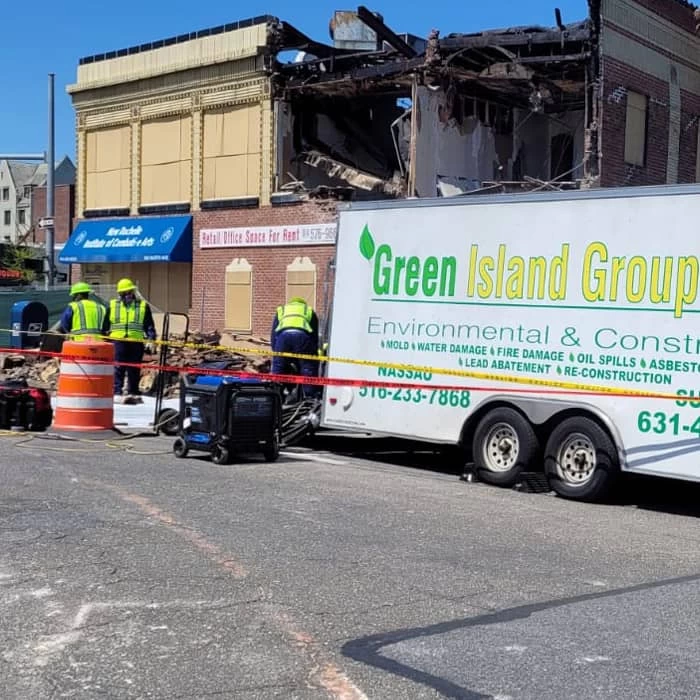
When fire hits a North Hills home, the stakes are different. We deliver fire damage restoration built for high-value properties — licensed for asbestos, mold, and full reconstruction under one roof.
I needed a professional consultation explanation of procedure for safe removal of Asbestos in my apartment complex. Without having an account yet, I was very impressed with the caring, knowledgeable and generous advice offered by Jessica, and will look forward to doing business in the future. Thank you so much! I feel much more informed about a sometimes scary endeavor. Peace. Nancy Silva Mineola, NY.
Mia Munoz
Used this company to clean up some water flood in my house. They were fast and easy to work with.very professional, Would recommend to anyone!
Nini Valle
Great company, had a flood and they responded quickly and efficiently. Billed my insurance company directly. I highly recommend this company!
joe colapietro, jr
I had pipe freeze in my basement right before a snow storm and they made to within an hour to help start the clean up process. They we by our side throughout the entire process and even helped with the insurance company. They did such a great job with the cleanup, repair, remidiation, I contracted them to perform the repairs and finishes in the basement. They came with enough manpower and material to get the job done. Leo and Jessica were nothing but a pleasure to deal with!!
Cristian Arredondo c
I had some water damage in my home and Green Island was able to take care of my issue quickly and effectively. I am very pleased with the work they did. They responded quickly and were very professional.
Michael M
Outstanding service! From the office to the field crew everyone was friendly, helpful and responsive. I highly recommend Green Island Group.
The fire may be out, but the damage keeps moving. Smoke travels through HVAC ductwork, wall cavities, and structural gaps — settling into rooms that look completely untouched. In a larger North Hills home with complex heating and ventilation systems, that hidden contamination can be far more widespread than what you see on the surface. Getting it out requires more than wiping down walls.
North Hills homes also carry a specific risk that most restoration companies aren’t equipped to handle. A significant portion of the village’s housing stock — particularly the estate-era properties built before 1980 — contains asbestos in floor tiles, pipe insulation, and ceiling materials, as well as lead paint in older layers. When fire disturbs those materials, the cleanup legally requires licensed specialists. Skipping that step doesn’t just cut corners — it creates liability. Every phase of restoration here needs to account for what’s inside the walls, not just what’s on them.
What you end up with, when the process is handled correctly, is a home that’s genuinely safe — not just visually repaired. No lingering smoke odor. No hidden soot in the ductwork. No hazardous material left disturbed and unaddressed. And a complete insurance file that reflects the full scope of what was done.
Every License the Job Actually Requires — Already in Hand
We’re a locally owned restoration and environmental services company based on Long Island, serving Nassau County, Suffolk County, Queens, and New York City. We hold IICRC certification for fire and water damage restoration, a Nassau County General Contractor license, NYS DOL licenses for asbestos abatement and mold remediation, and USEPA Lead/RRP certification. In North Hills — where older estate homes sit alongside newer developments like The Ritz-Carlton Residences near the LIE — that combination of credentials isn’t a bonus. It’s what the job requires.
With more than 5,000 completed restoration projects across New York State, we’ve worked through every scenario Long Island produces: oil burner puff-backs, kitchen fires, structural losses, and everything in between. We bill insurance companies directly, guide homeowners through the claims process, and stay on the job from the first emergency call through the final walkthrough. One company, one point of contact, no handoffs.
From Emergency Call to Move-Back-In Day — Here's the Path
It starts with a call — any time of day, any day of the year. We reach North Hills within one hour via the Long Island Expressway, which runs directly through the village. The first priority on arrival is stabilization: boarding up openings, tarping the roof if needed, and stopping active water intrusion from firefighting suppression before it becomes a mold problem. That secondary damage window opens within 24 to 48 hours, so speed here is not a formality.
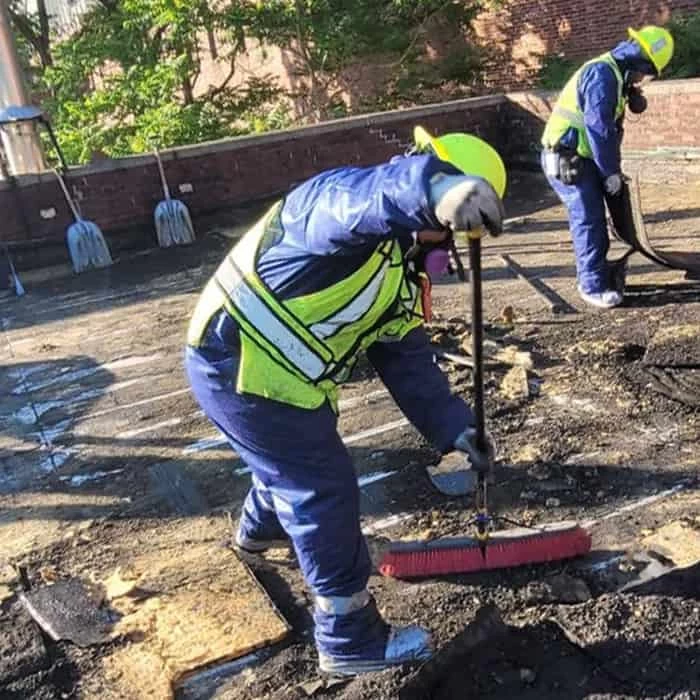
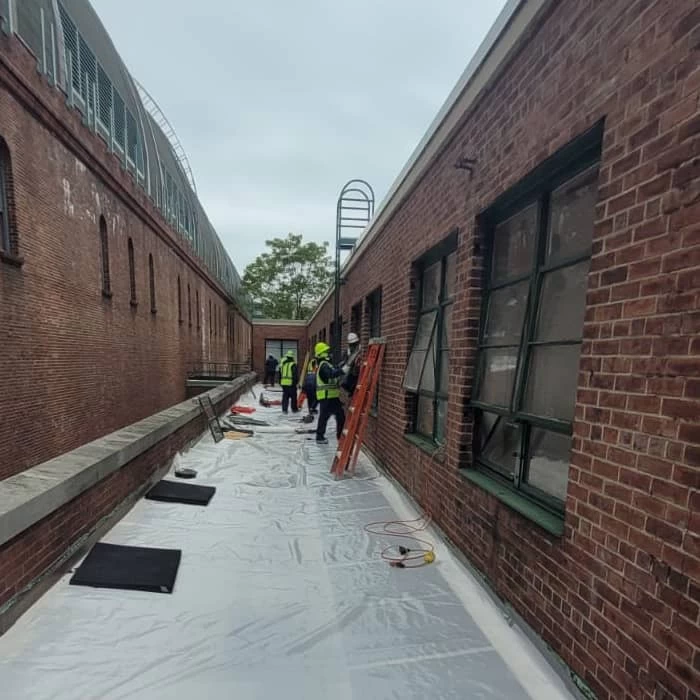
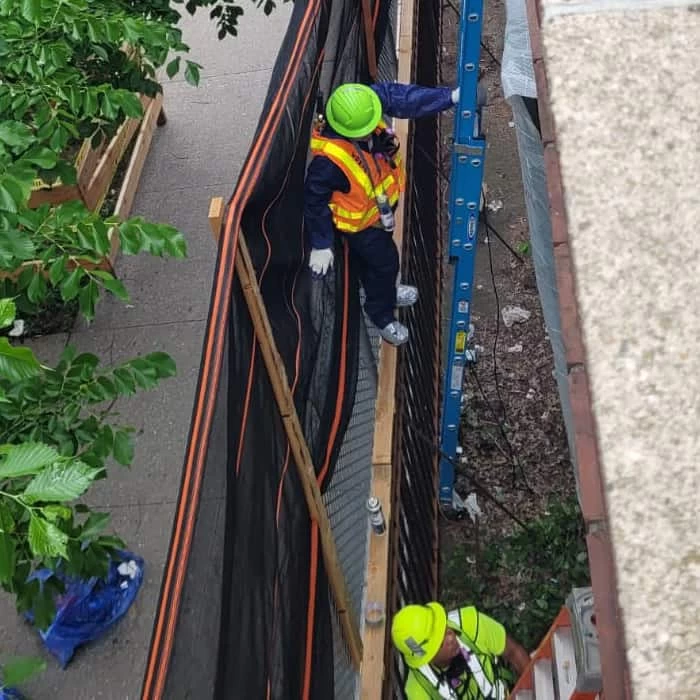
Once the structure is secured, the assessment begins. In North Hills’s older housing stock, that assessment includes testing for asbestos and lead before any demolition or cleaning work starts — a legal requirement under New York State law that unlicensed contractors simply cannot fulfill. If hazardous materials are present, abatement happens first, properly documented and compliant with NYS DOL requirements. Then comes the structural drying, soot and smoke remediation, HEPA air scrubbing, thermal fogging, and NADCA-certified HVAC duct cleaning to pull contamination out of the system entirely.
Reconstruction follows under the same Nassau County-licensed general contractor — no handoff to a separate company, no gap in accountability. Throughout the process, we document everything in insurance-standard language and work directly with your adjuster so the claim reflects the full scope of the loss.
Full-Scope Restoration Built for What North Hills Homes Actually Face
Fire damage restoration in North Hills isn’t a single service — it’s a sequence of interconnected steps, and each one matters. We handle emergency board-up and stabilization, complete water extraction and structural drying from firefighting suppression, asbestos and lead abatement for pre-1980 construction, soot and smoke remediation across all surfaces and cavities, professional odor elimination using ozone treatment and thermal fogging, NADCA-certified HVAC duct cleaning, mold remediation if suppression water created secondary growth, content assessment and cleaning for salvageable personal property, and full structural reconstruction under a Nassau County General Contractor license.
For North Hills specifically, the oil heat factor is worth understanding. Long Island has one of the highest concentrations of oil-heated homes in the country, and puff-backs — where an oil burner malfunctions and backfires soot throughout the home without an actual fire — are a common, year-round service category here. If your home runs on oil heat and you’re dealing with widespread soot after a burner malfunction, the same licensed team that handles fire restoration handles that too.
Content restoration is also part of the conversation. Antiques, artwork, custom furniture, and irreplaceable personal items don’t have to be written off automatically. Professional cleaning and documentation of what can and can’t be saved makes a real difference — both for what you recover and for what your insurance claim reflects.
Does fire damage restoration in North Hills require permits or licensed contractors?
Yes — and the licensing requirements here are more layered than most homeowners expect. Reconstruction work following fire damage in North Hills falls under the Town of North Hempstead’s building permit framework, and any structural work requires a licensed general contractor. We hold a Nassau County General Contractor license, so that part is covered without you needing to find a separate builder.
The more critical licensing issue involves hazardous materials. North Hills has a substantial number of homes built before 1980, when asbestos was still widely used in floor tiles, pipe insulation, ceiling materials, and joint compound. Homes built before 1978 may also have lead paint in older layers. When fire disturbs those materials, New York State law requires that only contractors holding a NYS DOL Asbestos License may perform abatement — and only EPA RRP-certified contractors may disturb lead paint during renovation. We hold both. An unlicensed contractor who proceeds without addressing these hazards first isn’t just cutting corners — they’re exposing you to regulatory and liability risk on a property that may be worth well over a million dollars.
How long does fire damage restoration typically take for a home in North Hills?
The honest answer is that it depends on the scope, and scope in North Hills can be more complex than in other communities. A kitchen fire with limited structural damage might resolve in two to four weeks. A more significant event — like the fully involved house fire the Manhasset-Lakeville Fire Department responded to in North Hills in September 2022, which required heavy machinery and mutual aid from multiple surrounding companies — can take several months from emergency response through full reconstruction.
The variables that affect timeline most are: whether hazardous materials are present and need abatement before other work can begin, how much water was used in suppression and whether structural drying is complete before reconstruction starts, the complexity of the home’s finishes and systems, and how quickly the insurance claim is processed. We manage all of these phases directly, which eliminates the delays that come from handing off between multiple contractors. Having one company licensed for every phase — abatement, remediation, and reconstruction — typically compresses the overall timeline compared to coordinating separate specialists.
The fire was in one room — why does the whole house smell like smoke?
Smoke doesn’t respect room boundaries. The moment a fire produces combustion gases and particulates, they begin traveling through any available path — HVAC ductwork, wall cavities, plumbing chases, and gaps in the building envelope. In a larger North Hills home with a complex, multi-zone HVAC system, smoke can reach every room in the house within minutes of a fire starting, even if the fire itself was contained to a single space.
The soot that carries that odor is also chemically active. Depending on what burned — wood, synthetic materials, cooking oils, electrical components — the soot composition changes, and so does how it bonds to surfaces. Protein soot from cooking fires, for example, is nearly invisible but extremely pungent and bonds tightly to surfaces. Oily or petroleum-based soot from an oil burner puff-back coats everything it touches with a film that ordinary cleaning won’t remove. Professional remediation uses a combination of HEPA air scrubbing, ozone treatment, thermal fogging, and NADCA-certified duct cleaning to address the odor at its source — not just mask it at the surface. Until the contamination is removed from the HVAC system and structural cavities, the smell will keep coming back.
Will my homeowner's insurance cover fire damage restoration in North Hills, NY?
In most cases, yes — fire damage is a covered peril under standard homeowners’ insurance policies, and in North Hills, where homes are commonly insured for $1 million or more, the coverage limits are generally substantial. But the claim process is where things get complicated, and the outcome depends heavily on how well the damage is documented and how the scope of work is presented to the adjuster.
Insurance companies work from estimates, and adjusters are trained to minimize the payout on claims. If the restoration company you hire doesn’t document in insurance-standard language, doesn’t account for secondary damage like water intrusion and mold risk, or doesn’t flag the asbestos abatement and lead paint remediation that North Hills’s older homes often require, those costs can fall through the cracks of your claim. We bill insurance companies directly, prepare documentation in the format adjusters recognize, and stay involved throughout the claims process — not just through the cleanup phase. For a high-value North Hills property, that level of involvement in the claim is not a minor convenience — it’s often the difference between a fair settlement and a prolonged dispute.
What's the difference between fire damage cleanup and full fire damage restoration?
Cleanup is removing what’s visibly damaged — debris, charred materials, surface soot. Restoration is returning the property to its pre-loss condition, which is a much larger scope of work and the standard that insurance policies are written to cover.
Full fire damage restoration includes emergency stabilization, complete water extraction and structural drying from firefighting suppression, hazardous material abatement where required, soot and smoke remediation in all affected areas including HVAC systems and wall cavities, professional odor elimination, mold remediation if water damage created secondary growth, content assessment and cleaning, and full structural reconstruction. In North Hills, where homes frequently have custom finishes, older architectural details, and complex systems, the reconstruction phase alone can be substantial. A company that handles cleanup but lacks a general contractor license has to hand the rebuild off to someone else — which means a new contractor learning the property mid-project, a new contract, and a new timeline. We’re licensed to take the job from the first emergency call through the final walkthrough without that break in continuity.
My North Hills home was built in the 1950s — does that change how fire restoration is handled?
It does, and significantly. Homes built in North Hills before 1980 — which includes most of the village’s estate-era properties from the 1920s through the late 1970s — commonly contain asbestos in floor tiles, pipe insulation, ceiling tiles, textured coatings, and joint compound. Homes built before 1978 may also have lead-based paint in older layers beneath more recent finishes. Fire disturbs these materials. Smoke and heat can fracture asbestos-containing tiles, damage insulation, and expose lead paint in ways that make them immediately hazardous.
Under New York State law, asbestos abatement must be performed by a contractor holding a NYS DOL Asbestos License, and lead paint disturbance during renovation requires EPA RRP certification. These are not optional steps — they are legal requirements with enforcement consequences. Before any demolition, soot cleaning, or reconstruction begins in a pre-1980 North Hills home, a proper assessment needs to identify what’s present and where. We hold both licenses and perform that assessment as part of the initial evaluation, so the restoration process is sequenced correctly from the start. Skipping this step — or hiring a contractor who isn’t licensed to handle it — creates risk that no insurance settlement can fully undo.