Post-War Homes in North Lindenhurst Deserve More Than Surface Cleanup
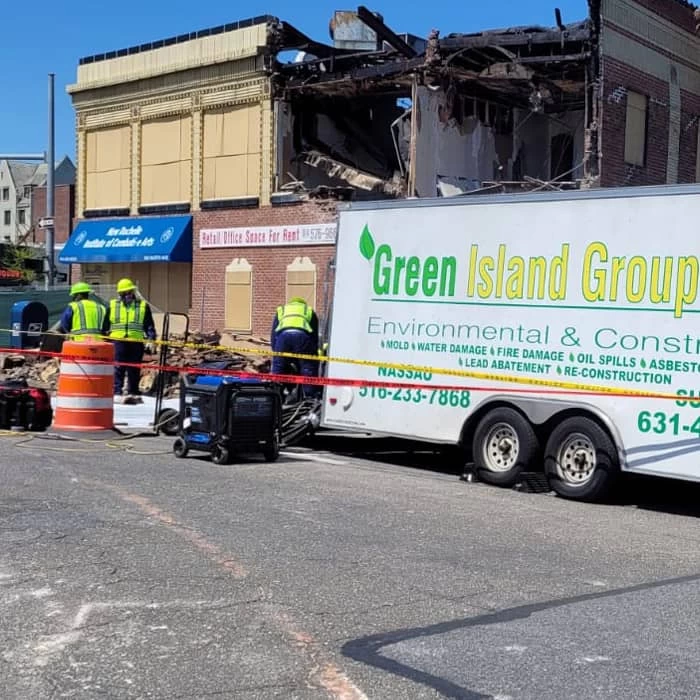
When fire hits a 1950s Cape Cod or ranch home in North Lindenhurst, the damage goes deeper than what burned we restore all of it, from soot to structure.
I needed a professional consultation explanation of procedure for safe removal of Asbestos in my apartment complex. Without having an account yet, I was very impressed with the caring, knowledgeable and generous advice offered by Jessica, and will look forward to doing business in the future. Thank you so much! I feel much more informed about a sometimes scary endeavor. Peace. Nancy Silva Mineola, NY.
Mia Munoz
Used this company to clean up some water flood in my house. They were fast and easy to work with.very professional, Would recommend to anyone!
Nini Valle
Great company, had a flood and they responded quickly and efficiently. Billed my insurance company directly. I highly recommend this company!
joe colapietro, jr
I had pipe freeze in my basement right before a snow storm and they made to within an hour to help start the clean up process. They we by our side throughout the entire process and even helped with the insurance company. They did such a great job with the cleanup, repair, remidiation, I contracted them to perform the repairs and finishes in the basement. They came with enough manpower and material to get the job done. Leo and Jessica were nothing but a pleasure to deal with!!
Cristian Arredondo c
I had some water damage in my home and Green Island was able to take care of my issue quickly and effectively. I am very pleased with the work they did. They responded quickly and were very professional.
Michael M
Outstanding service! From the office to the field crew everyone was friendly, helpful and responsive. I highly recommend Green Island Group.
Most homeowners in North Lindenhurst are stunned to find out how far fire damage actually travels. The smoke that started in the kitchen has already moved through your ductwork, settled into your plaster walls, and embedded itself in the wood floors that have been in that house since the Eisenhower administration. By the time the fire trucks leave, the visible damage is just the beginning.
That’s the part most restoration companies clean. What they miss or aren’t equipped to handle is everything behind it. The water from suppression soaking into your subfloor. The asbestos floor tiles that a fire just disturbed in a home built in 1958. The smoke odor that will come back every summer if it isn’t fully extracted from the structure. In North Lindenhurst’s older housing stock, cutting corners on any of those things isn’t just incomplete work it can be a health and legal problem.
When the job is done right, you’re not just getting your house back. You’re getting a home that’s safe, permitted through the Town of Babylon, free of hidden hazards, and documented properly for your insurance claim. That’s the difference between a cleanup and a real restoration.
Fire Damage Restoration Service, North Lindenhurst
Local, Licensed, and Accountable to North Lindenhurst
We’re a locally owned restoration company serving Long Island not a franchise, not a national call center. When you reach out, you’re connecting with a real team that knows North Lindenhurst and the South Shore, knows the Town of Babylon permit process, and has worked in neighborhoods like yours across Suffolk County. Customers consistently name Leo and Jessica by name in their reviews because this is the kind of company where the same people who answer your call are the ones standing in your home at the end of the job.
North Lindenhurst is a tight-knit community. Word travels fast here, and that’s exactly the environment where we operate best. The work either holds up or it doesn’t, and our track record across Long Island speaks for itself. We carry the environmental remediation credentials required by New York State including asbestos abatement licensing because in a hamlet where most homes predate 1970, that isn’t optional. It’s what responsible restoration looks like.
Fire Restoration Damage Process, North Lindenhurst
What Actually Happens From First Call to Finished Home
The first call triggers an emergency response. For North Lindenhurst homeowners, that means someone is typically on-site within the hour because soot starts permanently bonding to surfaces within 24 to 72 hours, and the suppression water the fire department left behind starts creating mold conditions within 24 to 48 hours. Speed at this stage isn’t a selling point it’s the difference between a contained restoration and a much larger one.
Once on-site, we assess the full scope: structural damage, smoke and soot penetration, water saturation, and critically for homes in North Lindenhurst built before 1980 whether any asbestos-containing materials were disturbed. That assessment shapes the entire plan. If asbestos abatement is required under New York State Department of Labor standards, it happens before any reconstruction begins. If the Town of Babylon Building Department requires permits for structural repairs, those are handled as part of the process, not handed off to you to figure out.
From there, it moves in a clear sequence: extraction and drying, soot and smoke remediation, environmental abatement where needed, and then full reconstruction and finishing. One company, one contact, one job from start to finish. When it’s done, you’ll have documentation for your insurance claim that reflects the actual scope of work not a lowball summary that leaves money on the table.
Full-Scope Restoration Built for North Lindenhurst's Homes
Fire damage restoration in North Lindenhurst isn’t one-size-fits-all and it can’t be, given the housing stock here. The post-war Cape Cods, split-levels, and ranch homes that define this community come with original plaster-over-lathe walls, aging ductwork that carries smoke into every corner of the house, and materials that were standard in 1955 but are regulated hazards today. Our service is built around that reality, not around a generic checklist.
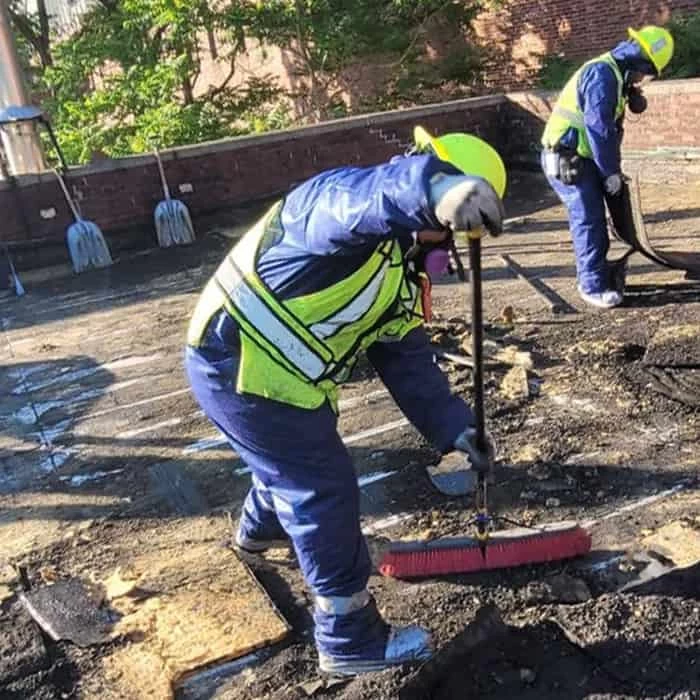
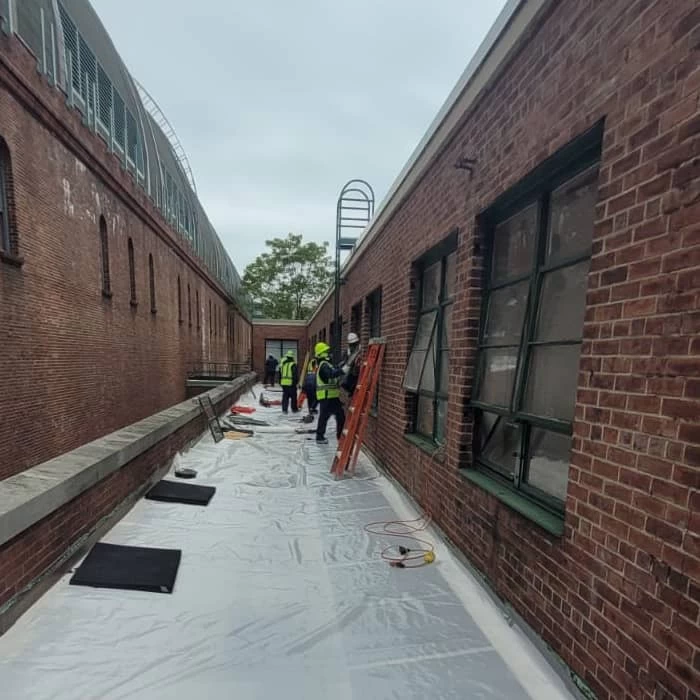
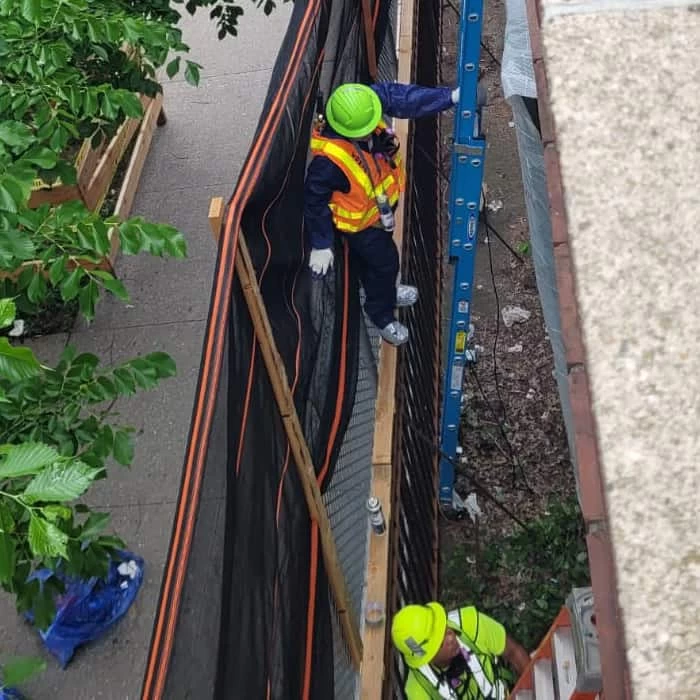
What’s included covers the full arc of damage: emergency board-up and stabilization, soot and smoke remediation across all affected surfaces and systems, water extraction and structural drying from firefighting suppression, mold prevention and remediation, asbestos and lead abatement where required by New York State law, and complete reconstruction and finishing. If your home has original 9×9 vinyl floor tiles, popcorn ceilings, or pipe insulation that a fire has disturbed, that gets handled properly with licensed abatement, not a workaround.
Insurance navigation is part of our service too. Most North Lindenhurst homeowners haven’t filed a claim like this before. The adjuster works for the insurer, not for you and underpaid claims are common when there’s no one in your corner documenting the real scope. We help you through that process from the first call through final settlement, so the restoration is fully funded and nothing gets left out.
Is it safe to stay in my North Lindenhurst home after a fire?
In most cases, no at least not immediately, and not without a professional assessment first. After a fire, the air inside your home contains soot particles, carbon residue, and potentially disturbed hazardous materials that aren’t visible to the eye. In North Lindenhurst’s older housing stock, where pre-1980 construction is the norm, a fire can disturb asbestos-containing materials like floor tiles, pipe insulation, or ceiling texture and once disturbed, those materials require certified abatement before the space is safe for occupancy.
Beyond air quality, there are structural concerns. Fire weakens framing, and suppression water compromises flooring, subflooring, and drywall in ways that aren’t always obvious from the surface. A professional assessment tells you what’s actually safe and what needs to be addressed before you or your family re-enter. Don’t rely on a visual check from the doorway get a real evaluation from a licensed restoration contractor before making that call.
Does homeowners insurance cover fire damage restoration in North Lindenhurst, NY?
Standard homeowners insurance policies typically cover fire damage restoration, including cleanup, remediation, and structural repairs but the coverage you actually receive depends heavily on how the claim is documented and presented. Insurance adjusters are working from the insurer’s interest, not yours, and it’s common for initial assessments to undervalue the full scope of damage, particularly in older homes where hidden damage smoke in ductwork, water in subflooring, disturbed hazardous materials adds significant cost to a proper restoration.
For North Lindenhurst homeowners, this is especially relevant because the pre-war and post-war homes in this community often require asbestos abatement and environmental remediation as part of fire restoration. Those costs are legitimate and covered under most policies, but they have to be properly documented and included in the claim. We help you build that documentation from day one so your claim reflects the real scope of work, not a stripped-down version that leaves you paying out of pocket for work your policy should have covered.
How long does fire damage restoration typically take for a home in North Lindenhurst?
Timeline varies significantly based on the severity of the fire and the scope of damage but for the post-war homes common in North Lindenhurst, it’s rarely a quick turnaround. A contained kitchen fire with limited smoke spread might take two to four weeks from initial cleanup through reconstruction. A more significant fire that has spread smoke through original ductwork, saturated subflooring with suppression water, and disturbed asbestos-containing materials can take eight to twelve weeks or longer when you factor in required abatement, Town of Babylon permits, and full structural reconstruction.
The honest answer is that rushing a restoration in this type of housing stock creates problems down the road. Smoke odor that isn’t fully extracted from plaster walls will return. Moisture that isn’t fully dried before reconstruction creates mold. Asbestos that isn’t properly abated before reconstruction is a legal and health liability. A realistic timeline that accounts for the full scope of work not just the visible damage is what protects you long-term. We’ll give you a clear, honest timeline at the assessment stage so you know what to expect from the start.
What happens to the smoke smell will it ever fully go away?
Yes but only if the source is fully addressed, not just masked. Smoke odor in a fire-damaged home doesn’t live on the surfaces you can see. It penetrates porous materials: the plaster walls and original wood floors found in most North Lindenhurst homes, the insulation inside your wall cavities, the ductwork that circulated air through the house during and after the fire. Spray a deodorizer on the walls and the smell comes back within weeks, especially in summer heat when materials off-gas more aggressively.
Full odor elimination requires identifying every surface and system where smoke has penetrated, treating those areas with professional-grade remediation techniques including thermal fogging, ozone treatment, and in some cases, physical removal of heavily saturated materials and then sealing and rebuilding. It’s not a shortcut process, and any contractor who tells you a surface wipe-down will handle it permanently isn’t being straight with you. When it’s done correctly, the smell is gone not suppressed, not covered, gone.
Does Green Island Group handle the asbestos abatement, or do I need to hire a separate contractor?
We handle asbestos abatement in-house as part of the fire restoration process you don’t need to find and coordinate a separate licensed abatement contractor in the middle of a crisis. This matters a great deal for North Lindenhurst homeowners, because the majority of homes in this community were built between 1945 and 1970, and those homes routinely contain asbestos in floor tiles, pipe insulation, ceiling texture, and joint compound. A fire that disturbs those materials creates a regulated abatement situation under New York State Department of Labor standards it’s not a general cleanup job.
Having abatement handled by the same company doing your full restoration means the sequencing is right: abatement happens before reconstruction begins, the documentation is integrated into your insurance claim, and there’s no gap between what one contractor finishes and what another starts. It also means one point of accountability for the entire job which is exactly what you want when you’re navigating a major loss and an insurance claim at the same time.
How do I know if the restoration company I hire is actually qualified for this work in North Lindenhurst?
The qualifications that matter most for fire damage restoration in North Lindenhurst come down to licensing, scope, and local knowledge. New York State requires separate licensing for asbestos abatement and mold remediation any contractor working in pre-1980 homes without those credentials is either skipping required steps or subcontracting them to someone you haven’t vetted. Ask directly: do they hold a New York State Department of Labor asbestos handling certification, and do they carry a NY State Mold Remediation Contractor License? If they can’t answer that clearly, move on.
Beyond credentials, scope matters. A company that handles cleanup but not reconstruction hands you off mid-project, which creates gaps in accountability and timeline. A company unfamiliar with Town of Babylon permit requirements leaves you with unpermitted work that surfaces as a problem when you sell. Local knowledge knowing the housing stock, knowing the permit office, knowing how insurance adjusters approach claims in Suffolk County is what separates a company that can do the work from one that can do it right. Ask for specifics, and pay attention to whether the answers feel generic or genuinely informed.