When the Lake Cottage Burns, You Need More Than a Cleanup Crew
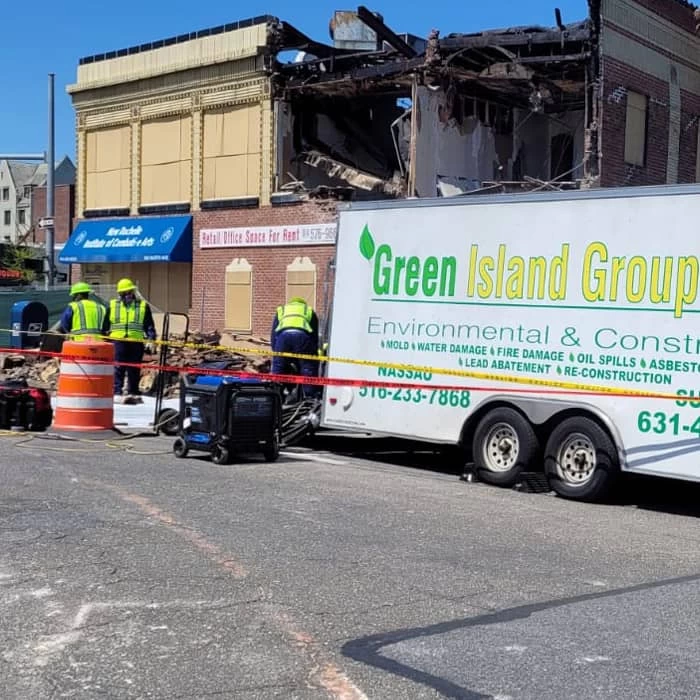
Fire damage in Northampton moves fast and so does the hidden damage that follows. We handle fire damage restoration from emergency response to full reconstruction, including the insurance fight in between.
I needed a professional consultation explanation of procedure for safe removal of Asbestos in my apartment complex. Without having an account yet, I was very impressed with the caring, knowledgeable and generous advice offered by Jessica, and will look forward to doing business in the future. Thank you so much! I feel much more informed about a sometimes scary endeavor. Peace. Nancy Silva Mineola, NY.
Mia Munoz
Used this company to clean up some water flood in my house. They were fast and easy to work with.very professional, Would recommend to anyone!
Nini Valle
Great company, had a flood and they responded quickly and efficiently. Billed my insurance company directly. I highly recommend this company!
joe colapietro, jr
I had pipe freeze in my basement right before a snow storm and they made to within an hour to help start the clean up process. They we by our side throughout the entire process and even helped with the insurance company. They did such a great job with the cleanup, repair, remidiation, I contracted them to perform the repairs and finishes in the basement. They came with enough manpower and material to get the job done. Leo and Jessica were nothing but a pleasure to deal with!!
Cristian Arredondo c
I had some water damage in my home and Green Island was able to take care of my issue quickly and effectively. I am very pleased with the work they did. They responded quickly and were very professional.
Michael M
Outstanding service! From the office to the field crew everyone was friendly, helpful and responsive. I highly recommend Green Island Group.
Most people think fire damage ends where the flames did. It doesn’t. Smoke moves through your HVAC system within minutes of ignition, pushing soot and toxic residue into every room connected to it including the ones that never saw a flame. In older homes and Adirondack-era cottages throughout Northampton, where knotty pine walls, plaster ceilings, and aged wood trim are common, that soot starts etching and staining within 24 to 72 hours. Once it sets, surface cleaning won’t touch it.
For homeowners in Northampton whether you’re in a year-round home in Northville or a seasonal property on Great Sacandaga Lake the water from the fire hoses creates its own problem. That water soaks into subfloors, insulation, and wall cavities, and mold can start forming within 24 to 48 hours if it isn’t extracted and dried properly. In a home that sits vacant through an Adirondack winter, that window is even shorter, because no one’s there to catch it.
Getting the full picture of your damage visible and invisible is what separates a real restoration from a surface-level cleanup. When it’s done right, you get your home back. When it isn’t, you’re dealing with odors, mold, and structural issues months later wondering why the smell never left.
We’re an independently owned restoration company not a franchise, not a call center dispatching whoever’s available. When you call, you reach real people who stay with your project from the first emergency response through the last coat of paint. Our customers specifically name Leo and Jessica in their reviews for a reason: you know who you’re working with, and they know your home.
That matters in a community like Northampton. Fulton County isn’t a dense suburban market where you can swap contractors without missing a beat. Finding qualified tradespeople in a rural Adirondack town takes time you don’t have after a fire. Having one company that handles fire cleanup, smoke remediation, water extraction, environmental hazards, and full reconstruction means your recovery doesn’t stall because someone else’s schedule didn’t align.
We also work alongside you through the insurance claim process not as a formality, but as a genuine part of the job. Multiple customers have documented this specifically: help with documentation, adjuster communication, and making sure the full scope of damage is captured before anything gets signed off.
From the First Call to a Home That Feels Right Again
The first thing that happens when you call is an emergency response not a scheduling conversation. We arrive ready to work: boarding up openings, stabilizing the structure, extracting standing water, and beginning the documentation process that your insurance claim will depend on. If you’re a seasonal property owner on Great Sacandaga Lake and you’re not physically there, this step matters even more. The property gets secured and documented thoroughly before anything deteriorates further.
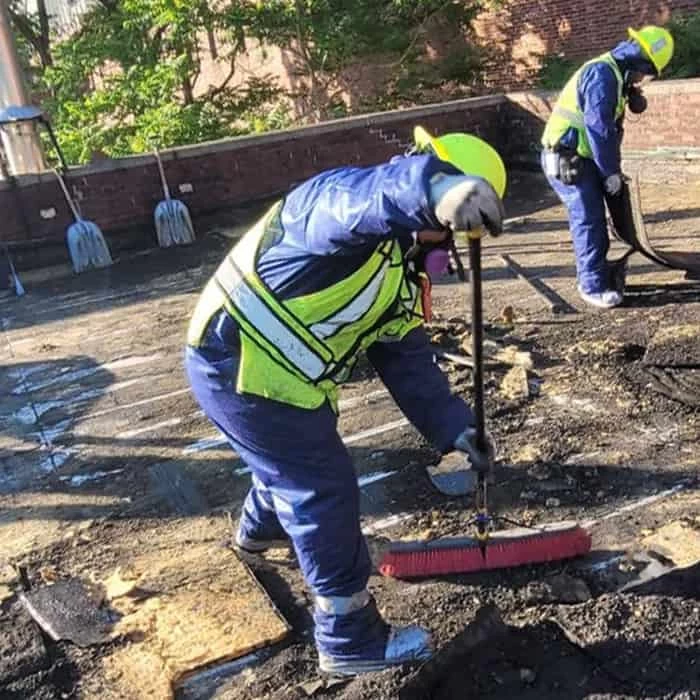
From there, the remediation phase begins. That means HEPA air scrubbing, thermal fogging for odor elimination, soot removal from surfaces and contents, HVAC cleaning to clear out smoke that traveled through the system, and moisture mapping to find water damage that isn’t visible. In Northampton’s older housing stock where pre-1950 construction is common and asbestos-containing materials may be present in insulation, floor tiles, or pipe wrapping this phase includes proper testing and handling before any disturbing work begins. That’s not optional; it’s a legal requirement, and skipping it creates liability for you as the homeowner.
Once the structure is clean, dry, and cleared, reconstruction begins. Framing, drywall, flooring, trim, paint all of it handled by the same team that started the job. If the work involves structural changes to a property within the Adirondack Park, we navigate the permitting process with you, including any review required by the Adirondack Park Agency. You don’t have to figure that out alone.
Every Phase Covered Including the Ones Most Companies Skip
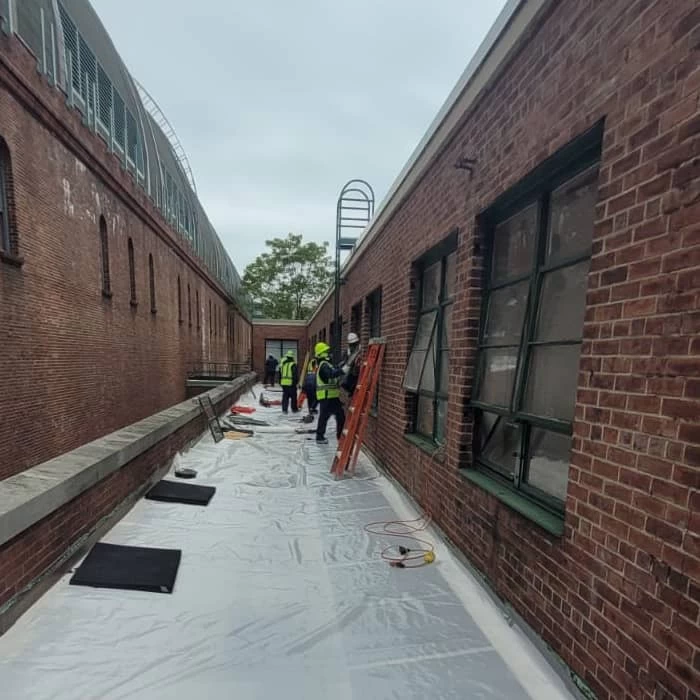
Fire damage restoration in Northampton involves more layers than most homeowners expect, and that’s especially true here. The housing stock in this area Sacandaga Park’s Carpenter Gothic cottages, Northville’s 19th-century homes, the lakefront camps and year-round residences throughout the town is predominantly older construction. That means lead paint is likely in anything built before 1978, and asbestos-containing materials are a real possibility in anything built before 1980. Our environmental remediation capabilities cover both, handled by certified professionals under proper containment and disposal protocols.
Our fire restoration service covers emergency stabilization and board-up, complete smoke and soot remediation including contents and structural surfaces, water extraction and structural drying from firefighting suppression, HVAC system cleaning, mold prevention and remediation where needed, asbestos and lead assessment and abatement where applicable, and full reconstruction through finished surfaces. There’s no phase where you get handed off to someone else.
For seasonal property owners on Great Sacandaga Lake, the service also includes thorough damage inventory and photo documentation for insurance purposes critical when you’re filing a claim on a property that was unoccupied when the fire occurred. Insurance companies look closely at vacant property claims, and having detailed, professional documentation from the start protects your position significantly. The job isn’t finished when the debris is gone it’s finished when you’re genuinely satisfied with what’s been restored.
Is it safe to stay in my Northampton home after a fire?
In most cases, no at least not right away, and not without a professional assessment first. Even if the fire was contained to one room, smoke and soot spread through the air and HVAC system quickly, depositing toxic residue throughout the structure. That residue contains carbon monoxide byproducts, volatile organic compounds, and in older Northampton homes, potentially disturbed asbestos or lead particles if the fire damaged materials containing those substances.
Structural integrity is the other concern. Fire weakens framing, floor joists, and load-bearing elements in ways that aren’t always visible from the surface. In the Carpenter Gothic cottages of Sacandaga Park or the older wood-frame homes throughout Northville, that risk is elevated because the construction methods and materials are different from modern builds. Before anyone re-enters for more than a brief walkthrough, a professional assessment should confirm the structure is stable and the air quality is safe. We can help coordinate that evaluation as part of the initial emergency response.
How does fire damage restoration work with my homeowners insurance claim?
The short version: your insurer has its own interests, and having a restoration company that understands the claims process on your side makes a real difference. We actively assist with documentation, adjuster communication, and ensuring the full scope of damage including smoke, water, and environmental hazards is captured in the claim before anything is signed off. This is something our customers have specifically described in their own reviews, not just a line on a website.
For Northampton homeowners, this matters on two levels. Year-round residents with moderate incomes can’t afford a claim that underpays and leaves the restoration incomplete. Seasonal property owners on Great Sacandaga Lake face additional scrutiny because insurers sometimes complicate claims on vacant or seasonal properties. Having thorough professional documentation from the moment we arrive photos, moisture readings, air quality data, contents inventory builds a factual record that’s much harder for an adjuster to dispute. The goal is a payout that covers what actually needs to be done.
Does fire damage restoration in the Adirondack Park require special permits?
It can, and this is something a lot of restoration companies from outside the region don’t account for. Northampton sits entirely within the Adirondack Park, which means the Adirondack Park Agency has regulatory jurisdiction over certain types of land use and development activity. For most cleanup and remediation work, APA permits aren’t required. But if the fire damage is significant enough that reconstruction involves structural changes, additions, or any alteration to the footprint of the structure, APA review may be triggered in addition to standard building permits from the Town of Northampton.
Starting reconstruction work that falls under APA jurisdiction without the proper permits in place creates legal liability for the homeowner and can halt the project mid-stream which is a serious problem when you’re trying to get your home livable again. We navigate this process alongside you, identifying what’s required before work begins rather than discovering a permitting issue after the fact. The town hall for building permits is located at 412 South Main Street in Northville, and we’re familiar with what Fulton County and APA compliance looks like in practice.
My Great Sacandaga Lake property was vacant when the fire happened does that change anything?
Yes, in a few important ways. Vacant properties burn longer before anyone reports them, which typically means more severe structural damage, deeper smoke penetration, and more extensive water damage from suppression efforts. By the time you get the call, the damage has had more time to compound than it would have in an occupied home. That makes the speed of the professional response even more critical every additional hour before mitigation starts is more soot etching into surfaces, more moisture feeding potential mold growth.
From an insurance standpoint, vacant property claims also receive more scrutiny. Some homeowners insurance policies have clauses that limit or complicate coverage after a property has been unoccupied for a certain number of consecutive days a detail that catches seasonal property owners off guard. Thorough professional documentation from the moment we arrive is your strongest protection. We secure the property, inventory and photograph the damage, and build the factual record you need before anything is touched, giving you the best possible footing going into the claims process.
How long does fire damage restoration typically take for a home in Northampton?
It depends on the scope of the damage, but most residential fire restorations in Northampton fall somewhere between a few weeks for a contained, single-room fire and several months for a significant structural loss. The variables that extend timelines here specifically include the age of the housing stock, the presence of hazardous materials that require testing and abatement before reconstruction can begin, and the permitting process which in Northampton includes both Town of Northampton building permits and, in some cases, Adirondack Park Agency review.
For seasonal properties, the timeline also has to account for the practical reality that some trades and materials take longer to schedule in a rural Adirondack market than they would in a suburban area. Having one company handle every phase remediation, environmental work, and reconstruction eliminates the scheduling gaps that occur when you’re coordinating between multiple vendors. We give you a realistic timeline at the start and keep you updated throughout, so you’re not left guessing when you can get back into your home or back to the lake for the season.
My Northampton home is old should I be worried about asbestos after a fire?
If your home was built before 1980, it’s a reasonable concern and worth taking seriously. Roughly 85% of housing units in Fulton County were constructed before 1990, and in a town like Northampton where the historic homes in Northville and the older cottages in Sacandaga Park represent a significant portion of the housing stock asbestos-containing materials are commonly found in pipe insulation, floor tiles, ceiling tiles, and certain types of drywall joint compound. Fire and the demolition work that follows can disturb those materials and release fibers into the air.
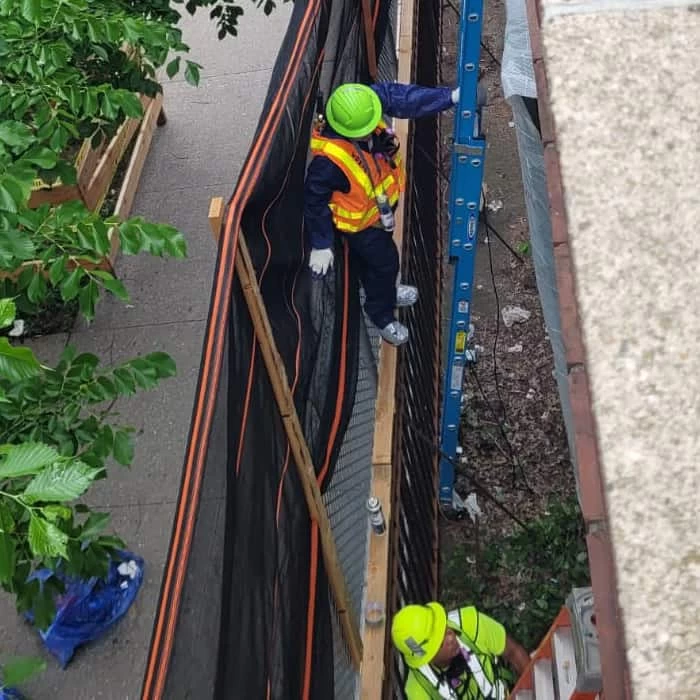
The right approach is to have a certified professional assess the affected areas before any demolition or reconstruction work begins. This isn’t optional under New York State law asbestos abatement in residential structures requires licensed contractors following specific containment and disposal protocols regulated by the NYSDOL. Our environmental remediation capabilities include asbestos assessment and abatement, handled correctly and documented properly. Skipping this step to save time doesn’t just create a health risk it creates legal exposure for you as the homeowner and can complicate your insurance claim if undisclosed hazardous materials surface later in the project.