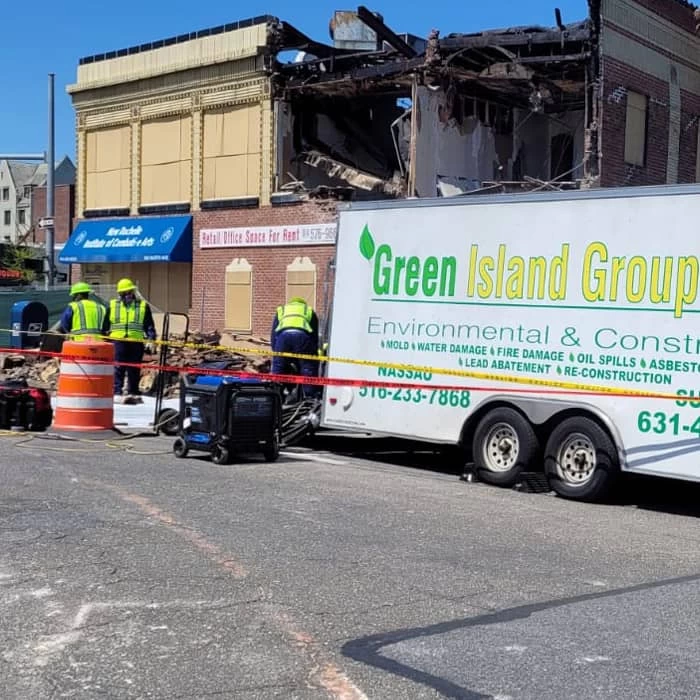
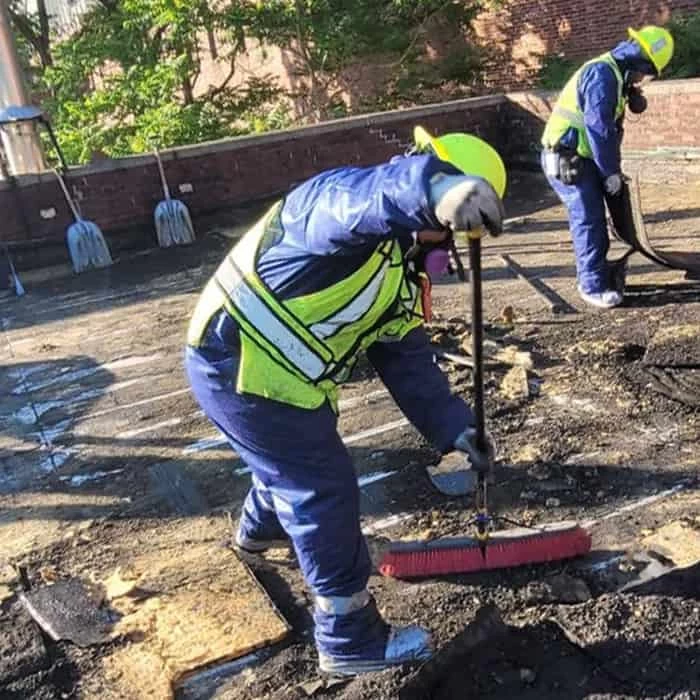
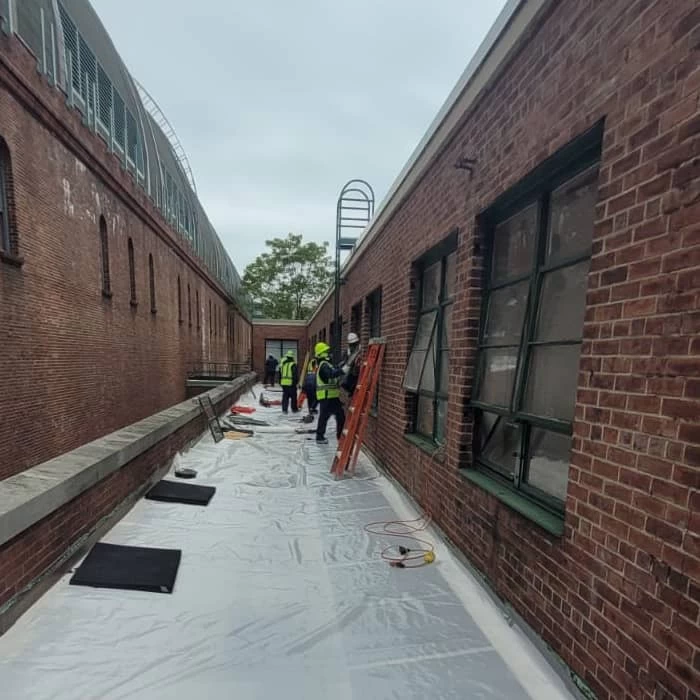
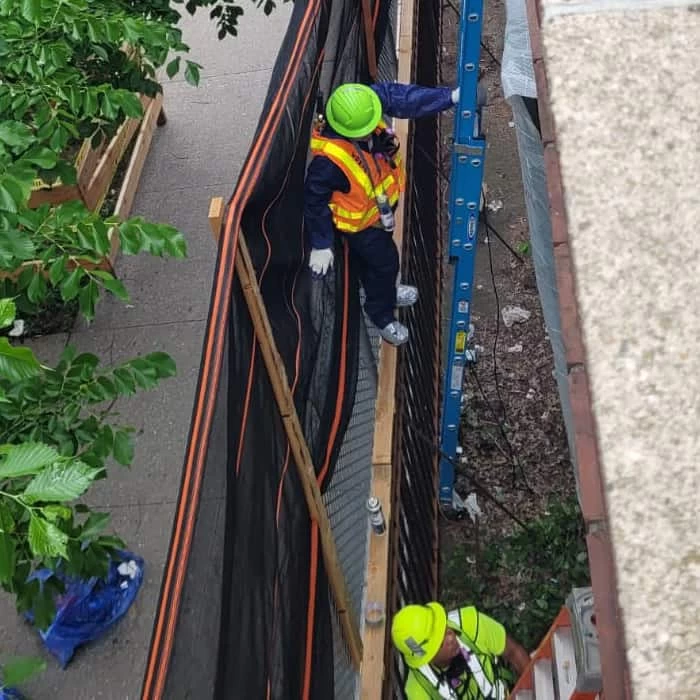
When fire hits a 1950s south shore home in Oceanside, the damage goes deeper than what burned. We handle fire damage restoration from the first call to the final walkthrough — including the hazardous materials, the insurance claim, and the rebuild.
I needed a professional consultation explanation of procedure for safe removal of Asbestos in my apartment complex. Without having an account yet, I was very impressed with the caring, knowledgeable and generous advice offered by Jessica, and will look forward to doing business in the future. Thank you so much! I feel much more informed about a sometimes scary endeavor. Peace. Nancy Silva Mineola, NY.
Mia Munoz
Used this company to clean up some water flood in my house. They were fast and easy to work with.very professional, Would recommend to anyone!
Nini Valle
Great company, had a flood and they responded quickly and efficiently. Billed my insurance company directly. I highly recommend this company!
joe colapietro, jr
I had pipe freeze in my basement right before a snow storm and they made to within an hour to help start the clean up process. They we by our side throughout the entire process and even helped with the insurance company. They did such a great job with the cleanup, repair, remidiation, I contracted them to perform the repairs and finishes in the basement. They came with enough manpower and material to get the job done. Leo and Jessica were nothing but a pleasure to deal with!!
Cristian Arredondo c
I had some water damage in my home and Green Island was able to take care of my issue quickly and effectively. I am very pleased with the work they did. They responded quickly and were very professional.
Michael M
Outstanding service! From the office to the field crew everyone was friendly, helpful and responsive. I highly recommend Green Island Group.
A fire doesn’t just burn what it touches. Smoke travels through wall cavities and ductwork, soot starts bonding to surfaces within hours, and the water used to put the fire out creates a mold window that opens fast — sometimes within 24 hours. If you’re sitting in a home that smells wrong, looks wrong, and has a claim you don’t know how to navigate, you don’t need a surface cleaning. You need a full recovery.
For Oceanside homeowners specifically, that recovery is more complicated than most people expect. The majority of homes here were built during the post-WWII boom — the 1940s, 50s, and 60s — which means there’s a very real chance your home contains asbestos-containing materials or lead paint. A fire disturbs both. New York State law requires a licensed contractor to handle that remediation legally, and most restoration companies aren’t licensed to do it. That gap matters, and it can turn a manageable restoration into a drawn-out legal and health problem if the wrong company shows up first.
What you get when this is handled correctly: a home that’s structurally sound, air quality that’s been tested and restored, hazardous materials addressed by licensed professionals, and documentation thorough enough to support a fair insurance settlement. That’s the outcome. Everything we do is built around getting you there — not just getting the visible damage out of sight.
We’re a Long Island-based restoration and general contracting company that has completed over 5,000 restoration projects across New York State. We hold General Contractor licenses in Nassau County, Suffolk County, and New York City — which means we can legally manage your project from emergency response through full structural reconstruction without handing you off to a separate contractor mid-process. That’s not the norm in this industry. Most restoration companies stop at remediation and leave you to find your own GC for the rebuild.
We’re IICRC-certified for fire and smoke damage restoration, hold NYS DOL licenses for asbestos and mold, carry USEPA Lead/RRP certification, and are NADCA-certified for HVAC cleaning. For a home in Oceanside near Sunrise Highway or along the Long Beach Road corridor — where the housing stock is older and the exposure to coastal weather adds another layer of complexity — that full credential stack isn’t a bonus. It’s what the job actually requires.
We also bill insurance directly and have guided hundreds of Long Island families through the claims process. When your home is the asset and the insurance settlement is the lifeline, that matters more than almost anything else.
The first step is getting someone on-site fast. Soot chemistry is acidic — it starts permanently etching metal fixtures, electronics, and porous surfaces within hours of a fire. We operate 24/7 and stage equipment across Long Island to get on-site within an hour of your call. That response time isn’t just about service — it’s about limiting the total scope of damage before it compounds.
Once on-site, our team conducts a full damage assessment — not just the visible burn area, but the HVAC system, wall cavities, and any materials that smoke may have reached throughout the home. In a 1950s Oceanside home with original ductwork, that scope is almost always larger than it looks. If asbestos or lead-containing materials have been disturbed by the fire, that gets documented and flagged before any demolition or cleaning begins. This step is legally required in New York State and protects you from liability down the line.
From there, the process moves through water extraction and structural drying (firefighting water creates its own damage), soot and smoke remediation, odor removal using commercial-grade air scrubbers and thermal fogging, HVAC cleaning, and then reconstruction under a Nassau County General Contractor license. Town of Hempstead building permits are pulled where required, inspections are scheduled, and the project doesn’t close until the home is back to pre-loss condition. Your insurance carrier receives complete documentation at every phase — which keeps the claim moving and reduces disputes.
Built for Oceanside's Older Homes, Coastal Conditions, and Complex Claims
Fire damage restoration in Oceanside isn’t a one-size-fits-all job. The housing stock here is predominantly mid-20th century construction — Cape Cods and colonials built fast during the post-WWII boom, with materials and systems that create specific challenges when fire hits. Our service is built around that reality, not around a generic checklist.
What’s included: 24/7 emergency response, full structural assessment, water extraction and drying from fire suppression, soot and smoke removal from all affected surfaces, odor remediation using ozone treatment and thermal fogging, NADCA-certified HVAC and ductwork cleaning, asbestos and lead paint assessment and licensed abatement where required, mold prevention and remediation, and full structural reconstruction under a Nassau County General Contractor license. Documentation is maintained throughout for insurance purposes, and billing goes directly to your carrier.
The coastal exposure that comes with living on Long Island’s south shore also plays into the scope of work here. Oceanside has seen what storms can do — anyone who was here for Sandy knows how quickly water compounds fire damage, and how secondary damage can outlast the original event by years. The same principle applies after a house fire. Moisture that isn’t fully extracted creates mold. Smoke that isn’t fully remediated from HVAC systems recirculates. We address the full picture — not just what’s visible on the day we arrive.
How quickly does fire damage get worse if I wait to call?
Faster than most people expect. Soot is acidic, and it starts permanently bonding to walls, ceilings, metal fixtures, and electronics within the first few hours after a fire. The longer it sits, the deeper it penetrates — and what might have been a cleanable surface becomes a surface that needs to be replaced. That’s a direct cost difference, and it compounds quickly.
The water used to put out the fire adds a second clock. Mold can begin growing within 24 to 48 hours of water exposure, especially in a home with older construction and any existing moisture history. For a home in Oceanside — where the housing stock is predominantly 60 to 80 years old and many properties have seen storm-related moisture over the years — that window is real. Calling within the first few hours of a fire isn’t about being proactive. It’s about keeping the scope of damage from doubling before anyone shows up.
Does homeowners insurance cover fire damage restoration in Oceanside, NY?
In most cases, yes — fire damage is one of the core covered perils under a standard homeowners insurance policy. That includes the cost of cleanup, remediation, and structural repairs to restore the home to its pre-loss condition. What varies is how thoroughly the damage gets documented and how aggressively the claim gets managed, which directly affects the settlement amount.
We bill insurance companies directly and document every phase of the restoration — from the initial assessment through final reconstruction. For Oceanside homeowners, where median home values sit above $650,000, the difference between a well-documented claim and a poorly documented one can be tens of thousands of dollars. We’ve guided hundreds of Long Island families through this process, and our clients have specifically noted that the support went beyond paperwork — including accompanying homeowners through material selection during the rebuild phase. If you’re unsure what your policy covers or how to start the claim, that’s a conversation worth having before you sign anything.
My Oceanside home was built in the 1950s — does that change what needs to happen after a fire?
It does, and it’s one of the most important questions to ask before hiring anyone. Homes built before 1980 commonly contain asbestos in floor tiles, ceiling tiles, pipe insulation, and joint compound. Homes built before 1978 commonly contain lead paint. A fire disturbs both — potentially releasing asbestos fibers and lead dust into the air throughout the home.
New York State law requires a licensed contractor to perform asbestos abatement and mold remediation. That’s not optional, and it’s not something a general cleanup crew can legally handle. If a restoration company shows up, skips the hazardous materials assessment, and starts tearing out drywall without proper containment and air monitoring, you’re looking at a health hazard and a legal liability — not a recovery. We hold NYS DOL Asbestos and Mold licenses and USEPA Lead/RRP certification, which means we can address the full scope of what a fire in a mid-century Oceanside home actually creates, legally and completely, under one roof.
What is a puffback, and does it count as fire damage in my home?
A puffback happens when an oil burner backfires and sends a blast of oily soot through the home’s heating system and into every room connected to it. There’s no actual fire — but the result looks and smells like one. Fine, acidic soot coats walls, ceilings, furniture, and clothing throughout the entire home, and it’s significantly harder to remove than dry soot from ordinary combustibles.
Oil heat is extremely common in Oceanside’s post-WWII housing stock, and puffbacks are a recurring service call across Nassau County’s south shore — particularly in homes with older furnaces that haven’t been regularly serviced. Most homeowners’ insurance policies cover puffback damage the same way they cover fire damage, so the claim process is similar. The cleanup requires the same professional approach: IICRC-certified soot removal, NADCA-certified HVAC cleaning to address the source and the ductwork, and commercial-grade air quality restoration throughout the home. If your home smells like diesel exhaust and every surface has a greasy film, this is a professional remediation job — not something that comes out with household cleaning products.
How long does fire damage restoration typically take for a home in Oceanside?
It depends entirely on the scope of damage, but here’s a realistic breakdown. Emergency response and initial stabilization — water extraction, boarding up, securing the structure — happens within the first 24 to 48 hours. Soot and smoke remediation, odor treatment, and HVAC cleaning typically take one to two weeks for a moderate loss. If there’s structural damage that requires reconstruction, that phase adds additional time depending on the extent of the work and the permitting timeline through the Town of Hempstead.
For older Oceanside homes where asbestos or lead abatement is required, that work adds time to the front end of the project — but it has to happen before any demolition or reconstruction begins. Skipping it to move faster creates legal and health problems that cost far more to resolve later. A realistic total timeline for a significant residential fire in Oceanside — from emergency response to move-back-in — is typically four to eight weeks, depending on scope. We’ll give you a clear, honest timeline after the initial assessment, not a number designed to win the job.
Why should I hire a company with a General Contractor license for fire restoration in Oceanside?
Because fire damage restoration rarely ends at cleanup. Once the soot is removed and the smoke odor is treated, there’s often structural work that needs to happen — damaged framing, compromised drywall, burned flooring, affected roofing. That work requires a licensed General Contractor to pull the proper permits through the Town of Hempstead and pass inspections under New York State building code. A restoration-only company can’t legally do that work themselves, which means they hand you off to a separate GC mid-project — and now you’re managing two vendors, two timelines, and two points of accountability while you’re displaced from your home.
We hold General Contractor licenses in Nassau County, Suffolk County, and New York City. We can take your Oceanside home from the night of the fire all the way through final reconstruction without transferring responsibility to anyone else. For a homeowner dealing with a major loss — especially in a community where contractor accountability has historically been a real concern — having one licensed company responsible for the entire scope of work is not a small thing. It’s the difference between a recovery that moves forward and one that stalls.