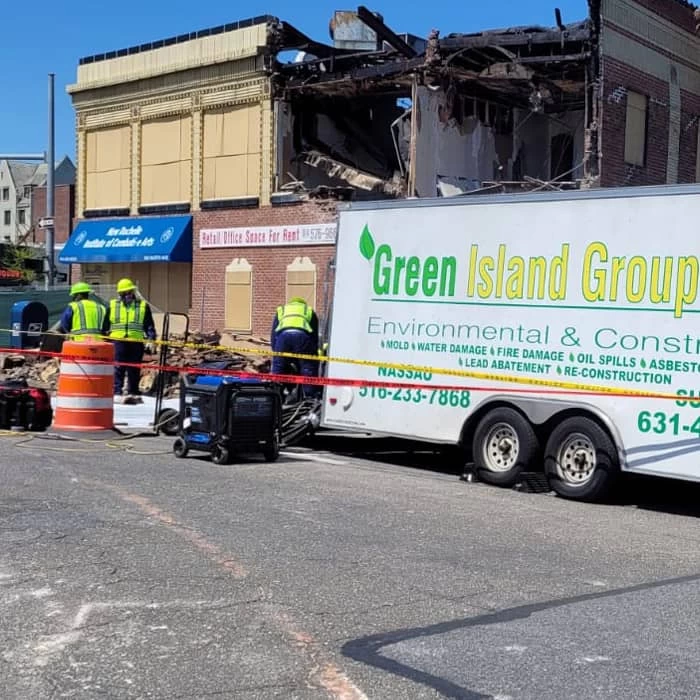
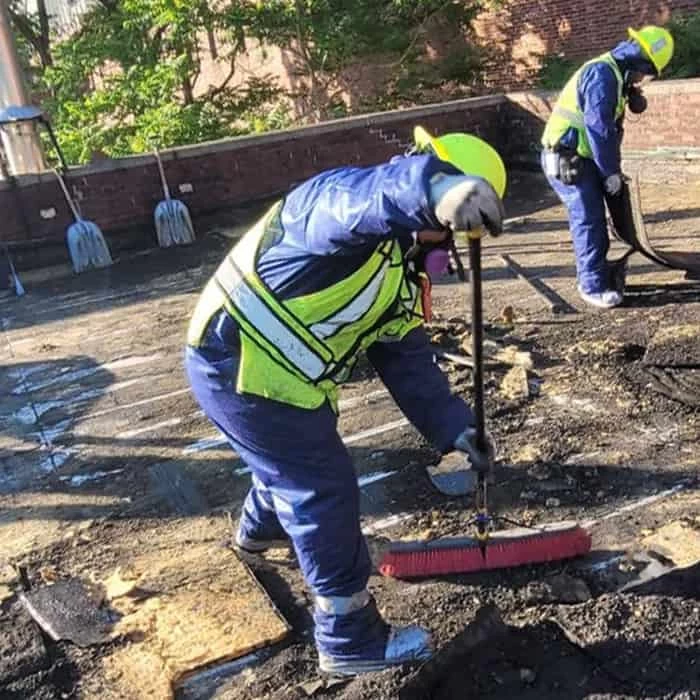
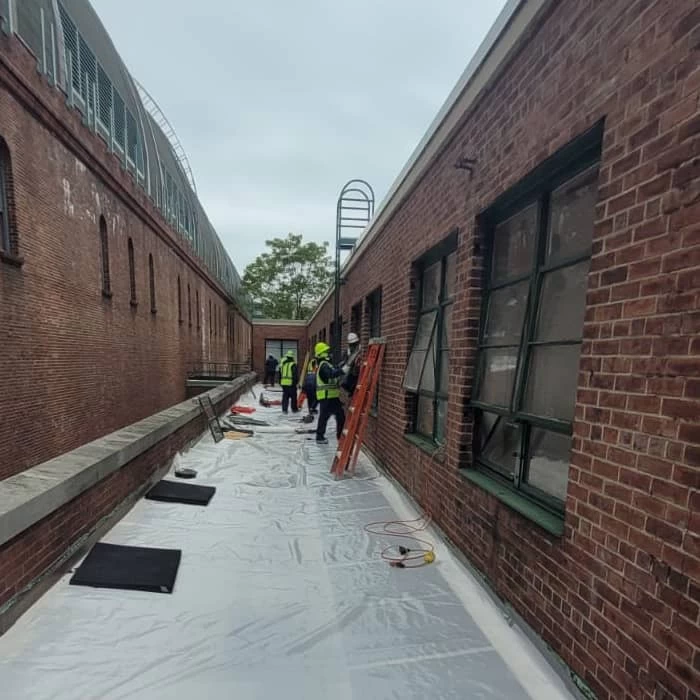
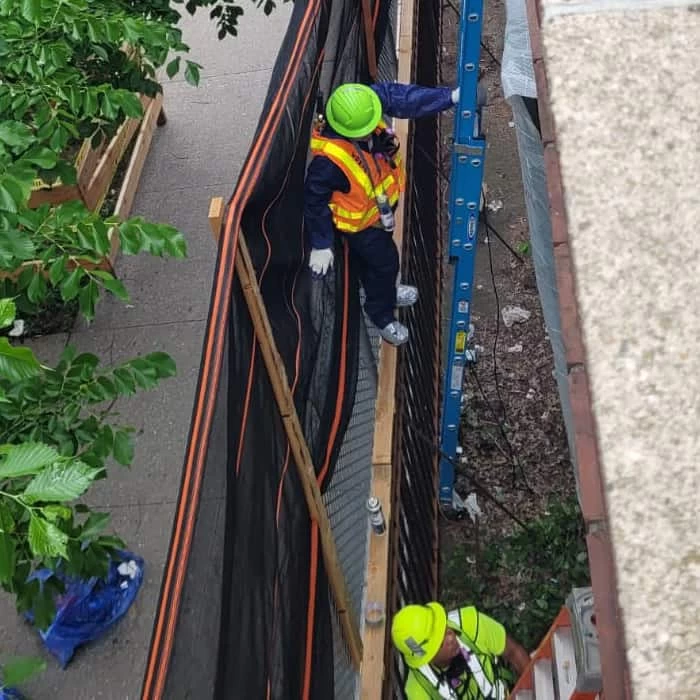
Orient doesn’t have a backup plan one road in, one road out, and a home that may be older than the country itself. When fire hits, you need fire damage restoration that actually shows up and knows what it’s dealing with. We understand the unique challenges of restoring homes at the tip of the North Fork, where isolation means faster response times matter and where the homes themselves demand expertise most restoration crews simply don’t have.
I needed a professional consultation explanation of procedure for safe removal of Asbestos in my apartment complex. Without having an account yet, I was very impressed with the caring, knowledgeable and generous advice offered by Jessica, and will look forward to doing business in the future. Thank you so much! I feel much more informed about a sometimes scary endeavor. Peace. Nancy Silva Mineola, NY.
Mia Munoz
Used this company to clean up some water flood in my house. They were fast and easy to work with.very professional, Would recommend to anyone!
Nini Valle
Great company, had a flood and they responded quickly and efficiently. Billed my insurance company directly. I highly recommend this company!
joe colapietro, jr
I had pipe freeze in my basement right before a snow storm and they made to within an hour to help start the clean up process. They we by our side throughout the entire process and even helped with the insurance company. They did such a great job with the cleanup, repair, remidiation, I contracted them to perform the repairs and finishes in the basement. They came with enough manpower and material to get the job done. Leo and Jessica were nothing but a pleasure to deal with!!
Cristian Arredondo c
I had some water damage in my home and Green Island was able to take care of my issue quickly and effectively. I am very pleased with the work they did. They responded quickly and were very professional.
Michael M
Outstanding service! From the office to the field crew everyone was friendly, helpful and responsive. I highly recommend Green Island Group.
Your Historic Orient Home, Whole Again Not Just Cleaned Up
A fire in an Orient home isn’t just a fire. Most homes here were built in the 1800s or earlier wide-plank floors, original timber framing, shingle-clad walls that have stood for over a century. When those materials burn, smoke doesn’t just sit on the surface. It penetrates deep into old wood, plaster, and original millwork in ways that a surface wipe-down will never fix. The smell comes back. The damage spreads. And if asbestos or lead paint was disturbed in the process which is a real possibility in any pre-1978 home you’re now dealing with a health hazard on top of everything else.
Getting your home back means more than clearing the visible damage. It means the smoke odor is gone for good, the air is safe to breathe, the structure is sound, and the historic details you’ve spent years preserving are still there when it’s over. That’s what we deliver not just a cleanup crew, but a complete recovery.
Orient’s position at the tip of the North Fork also means your home takes a beating from nor’easters, marine air, and coastal weather patterns that accelerate how smoke and moisture damage spread through old materials. The longer restoration waits, the worse it gets. Fast, thorough, and complete that’s the only way this job gets done right out here.
One Company That Handles Everything, Start to Finish
We are a locally owned Long Island restoration company serving Suffolk County including the full North Fork corridor out to Orient. This isn’t a national franchise routing calls through a 1-800 number. We’re a team with real roots on Long Island, real knowledge of the housing stock out here, and a track record that customers have put their names behind.
Orient has no supermarket, no pharmacy, and no hardware store. The last thing you need after a fire is to manage four separate contractors while driving back and forth to Greenport for supplies. We handle emergency response, smoke and soot cleanup, environmental remediation, demolition, and full reconstruction all under one roof. From the first call to the final walkthrough, you have one point of contact and one team accountable for the whole job.
Customers have called out our team members by name in their reviews not because they were asked to, but because the relationship actually meant something. That’s the standard we hold ourselves to.
The first thing that happens is stabilization. That means boarding up openings, securing the structure, and stopping any further damage from weather, moisture, or air exposure. In Orient, where a nor’easter can roll in fast off Long Island Sound and push rain through a fire-damaged roof, this step isn’t optional it’s urgent. If your home is a seasonal property and you’re not on-site, we can handle this without you needing to be there.
From there, the real assessment begins. We document everything every room, every surface, every material affected using the same estimating standards that insurance adjusters work from. This documentation matters enormously, especially in a market like Orient where a historic home’s true restoration cost can far exceed what an adjuster initially puts on paper. We work through the insurance process with you, not around you, so you understand what’s being claimed and why.
Then comes the actual work: smoke and odor elimination, soot removal, air scrubbing, environmental testing if asbestos or lead is a concern (and in most Orient homes, it should be tested), followed by structural repairs and full reconstruction. Because Orient falls under the Town of Southold Building Department’s jurisdiction, permits are required for repair and reconstruction work we handle that process and know what Southold’s inspectors expect. You don’t have to figure that out while you’re already dealing with everything else.
Most of what makes Orient’s homes special is also what makes fire restoration here more complex. The Orient Historic District alone contains roughly 175 period homes Cape Cods, saltboxes, Italianates built with materials and methods that haven’t been standard practice for over a hundred years. Restoring these homes after fire damage isn’t about slapping up drywall and moving on. It’s about understanding what was there, what can be saved, and how to bring it back correctly.
Our scope of work covers every phase of that recovery. Smoke and odor remediation using thermal fogging and hydroxyl generation not surface sprays that wear off in a week. Full asbestos and lead testing and abatement, which is not optional in a home built before 1978, and legally required under New York State Department of Labor regulations. Water extraction and drying from firefighting efforts. Structural assessment, demolition of unsalvageable materials, and complete reconstruction that meets Southold Town code and respects the character of what was there before.
If you own a seasonal or second home in Orient and the damage happened while the property was unoccupied a common scenario on the North Fork in winter we provide emergency stabilization and damage control so the property doesn’t deteriorate further before full restoration begins. The goal isn’t just to fix the damage. It’s to hand you back a home you actually recognize.
Is it safe to stay in my Orient home after a house fire?
In most cases, no at least not immediately. Smoke and soot leave behind more than a smell. They deposit acidic particles onto every surface in the home, and in the air you breathe. In an Orient home with original plaster walls, old wood framing, and materials that predate modern building standards, those particles settle deep and don’t clear on their own. Beyond air quality, there’s structural risk to consider fire can compromise load-bearing elements that look intact from the outside but aren’t.
There’s also the asbestos and lead question. If your home was built before 1978, which covers the vast majority of homes in Orient, a fire that burned through walls, ceilings, or flooring may have disturbed materials containing asbestos or lead paint. Until a certified environmental assessment confirms the air is safe, staying in the home puts you and your family at real risk. Get a professional assessment before you move back in not after.
How does the insurance claim process work for fire damage restoration?
Your insurance company will send an adjuster to assess the damage and produce an estimate. The problem is that adjuster works for the insurance company, not for you and their initial estimate may not account for the full scope of what a proper restoration actually costs, especially in a home with historic materials and craftsmanship that can’t be replaced with standard contractor pricing.
We document damage using Xactimate, the same estimating platform insurance adjusters use. That means when we submit documentation, it speaks the same language the adjuster is working in which reduces disputes and helps ensure the claim reflects what the work actually costs. We walk through the process with you, help you understand what’s being covered, and flag anything that needs to be pushed back on. In a market like Orient, where homes regularly carry values well above the Long Island average and historic features add real replacement cost, this kind of advocacy during the claims process isn’t a bonus it’s essential.
What does fire damage restoration actually cost in Orient, NY?
The honest answer is that it depends heavily on the scope how much of the home was affected, what materials were involved, and whether environmental remediation is needed. A kitchen fire caught quickly is a very different job than a fire that spread through an attic in a 19th-century wood-frame home. That said, most homeowners in Orient are dealing with properties valued well above the Long Island average, and restoration costs reflect that reality.
For a moderate fire affecting one or two rooms in a standard home, restoration costs can run anywhere from $10,000 to $30,000. For larger losses especially in historic homes where original materials need to be carefully restored or matched rather than replaced with off-the-shelf products the cost can climb significantly higher. The most important thing you can do is get a thorough, documented estimate early. Cutting corners on the initial scope to save money almost always leads to bigger problems odor that comes back, hidden structural damage, or mold that develops from water used in firefighting. Your insurance policy exists for exactly this situation.
My Orient home is a historic property can it really be fully restored after fire damage?
Yes but it requires a different approach than standard restoration. The Orient Historic District contains homes dating back to the 1670s, and many of the architectural details in those homes simply don’t exist in modern building supply catalogs. Wide-plank floors, hand-hewn timber, period millwork, original masonry these things can often be saved if the restoration is handled carefully and by people who understand what they’re working with.
The key is assessment. Not everything that looks damaged is unsalvageable, and not everything that looks intact is actually sound. A thorough evaluation of what can be cleaned, stabilized, and restored versus what needs to be replaced and replaced with materials that match the original is what separates a real historic restoration from a generic rebuild. We approach these homes with that level of care. The goal is always to preserve what’s there, because in a community like Orient, what gets torn out and thrown away is genuinely irreplaceable.
My Orient home was empty when the fire happened what should I do first?
This is more common on the North Fork than most people realize. A significant number of Orient properties are seasonal or second homes, and fires in vacant properties often from heating system failures during winter months, or electrical issues in homes that sit unoccupied for weeks at a time can burn longer before anyone notices. By the time the Orient Fire Department responds and the scene is cleared, the damage has often spread further than it would have in an occupied home.
The first priority is emergency stabilization: boarding up openings, tarping the roof if it’s been compromised, and securing the structure against weather. Orient’s exposure to Long Island Sound and Gardiner’s Bay means a single storm can push significant water through any opening left unprotected. You don’t need to be on-site for this we can respond, stabilize the property, and document the initial damage while you make arrangements. From there, the restoration process follows the same path as any other fire loss, but the documentation of how long the property sat before discovery matters for the insurance claim, and we account for that in how we assess and report the damage.
Does Green Island Group handle fire restoration permits through Southold Town?
Yes. Any structural repair or reconstruction work following a fire in Orient requires permits through the Town of Southold Building Department. Southold’s building inspectors are certified by the State Fire Administrator and enforce the New York State Uniform Code meaning the permit process here is real, and work done without proper approvals can create serious problems when you go to sell or insure the property down the road.
We are familiar with Southold’s permitting requirements and handle the application process as part of the restoration scope. This matters more than it might seem. Homeowners who hire contractors unfamiliar with Southold’s process often face delays, failed inspections, or required rework that adds cost and time to an already stressful situation. For properties near tidal wetlands which applies to a number of waterfront homes in Orient there may also be additional NYSDEC review requirements for work within 300 feet of a wetland boundary. We know what to look for and how to navigate it, so you’re not finding out about a permit issue six weeks into the job.