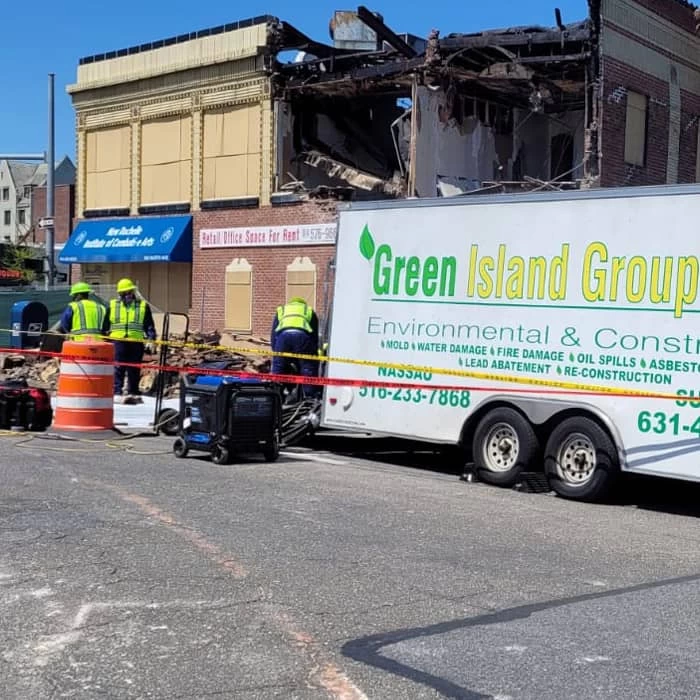
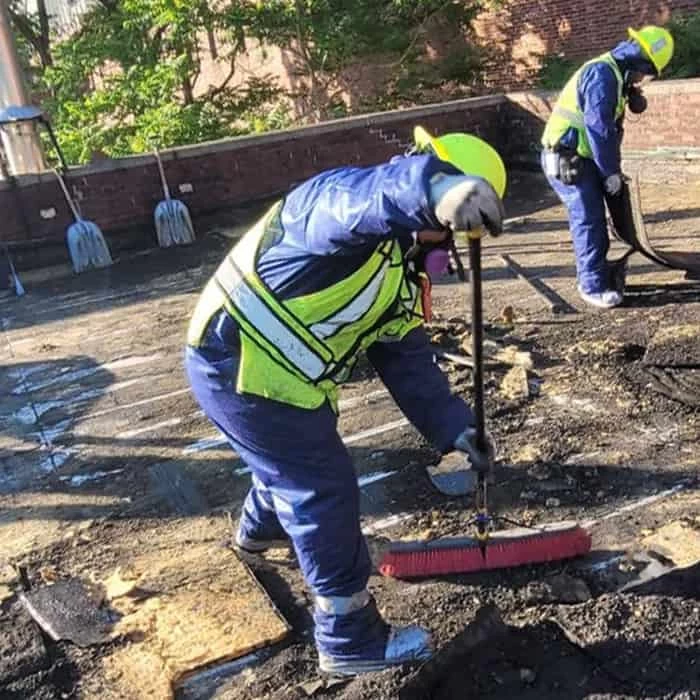
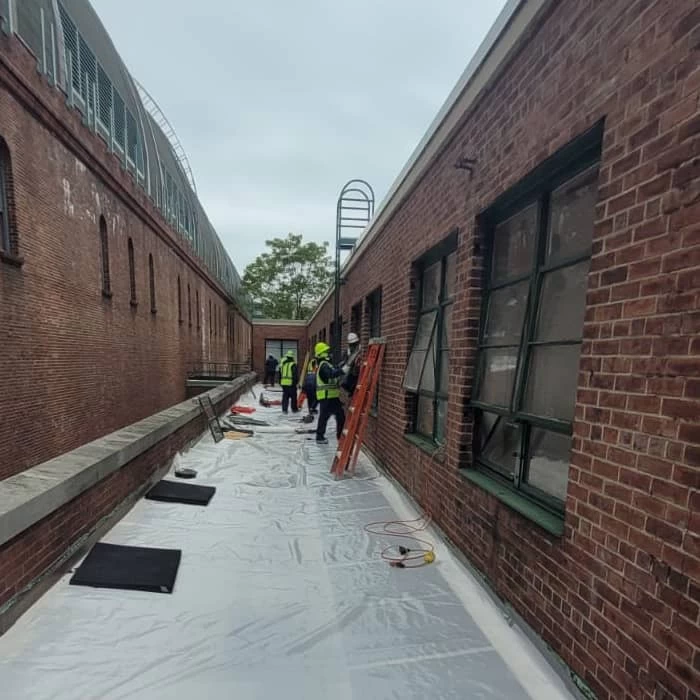
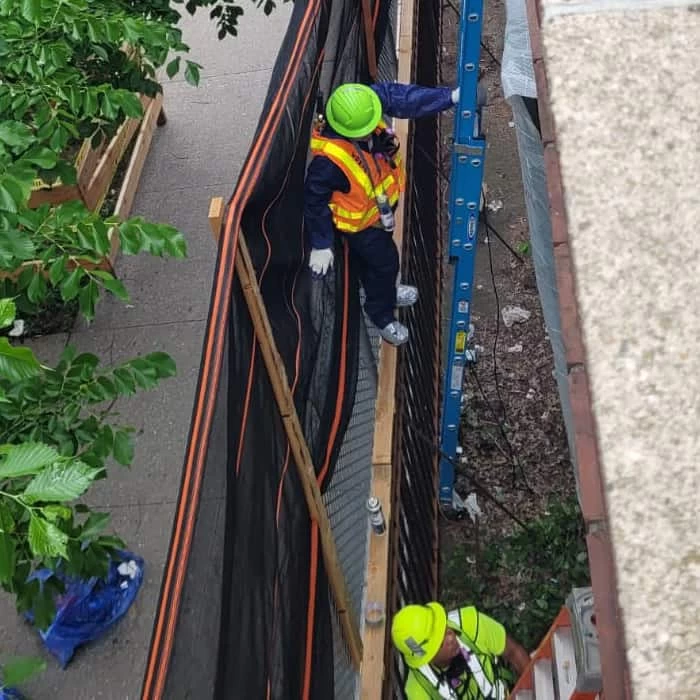
Fire damage in Poquott moves fastand so does the hidden damage that follows. We respond within the hour so your home on George’s Neck loses less, not more.
I needed a professional consultation explanation of procedure for safe removal of Asbestos in my apartment complex. Without having an account yet, I was very impressed with the caring, knowledgeable and generous advice offered by Jessica, and will look forward to doing business in the future. Thank you so much! I feel much more informed about a sometimes scary endeavor. Peace. Nancy Silva Mineola, NY.
Mia Munoz
Used this company to clean up some water flood in my house. They were fast and easy to work with.very professional, Would recommend to anyone!
Nini Valle
Great company, had a flood and they responded quickly and efficiently. Billed my insurance company directly. I highly recommend this company!
joe colapietro, jr
I had pipe freeze in my basement right before a snow storm and they made to within an hour to help start the clean up process. They we by our side throughout the entire process and even helped with the insurance company. They did such a great job with the cleanup, repair, remidiation, I contracted them to perform the repairs and finishes in the basement. They came with enough manpower and material to get the job done. Leo and Jessica were nothing but a pleasure to deal with!!
Cristian Arredondo c
I had some water damage in my home and Green Island was able to take care of my issue quickly and effectively. I am very pleased with the work they did. They responded quickly and were very professional.
Michael M
Outstanding service! From the office to the field crew everyone was friendly, helpful and responsive. I highly recommend Green Island Group.
Soot doesn’t wait. Within 24 to 72 hours of a fire, it starts permanently etching into surfaceswalls, trim, ceilings, anything porous. In a Poquott home that may be decades old, those surfaces often include original materials that can’t simply be swapped out. The faster the response, the more of your home survives intact.
Then there’s the water. The same water that put the fire out is now sitting in your walls, your floors, and your HVAC system. On a peninsula surrounded by Port Jefferson Harbor, where ambient humidity runs naturally higher than inland communities, that moisture finds mold faster than it would anywhere else on Long Island. A restoration company that only handles fireand not what comes afterleaves you with a second problem before the first one is resolved.
What you actually get when we handle this right is a home that’s been assessed from the ground up: visible damage, hidden damage, air quality, structural integrity, and environmental hazards included. For a home in Poquott valued close to or above $1 million, that level of thoroughness isn’t optionalit’s the only version of “done” that actually protects what you’ve built here.
We’re a locally owned Long Island restoration companynot a franchise, not a call center routing jobs to whoever’s available. When you call, you’re reaching a team that knows Suffolk County’s North Shore, understands the building stock in villages like Poquott, and has handled the full range of what Long Island’s older homes throw at a restoration crew.
That matters in Poquott specifically. A lot of homes in and around the Three Village area predate 1980, which means asbestos-containing materials are a real possibility the moment fire touches insulation, floor tile, or pipe wrap. We hold the environmental remediation credentials to handle that legally and safelysomething a fire-only contractor simply cannot do. You don’t want to find out mid-project that your crew isn’t certified for what they just disturbed.
We also have a documented track record of walking homeowners through the insurance processnot just cleaning up and leaving you to figure out the claim on your own. Multiple customers have said that guidance made one of the most stressful parts of recovery actually manageable.
From the First Call to the Final Walkthrough, Here's What We Do
The first step is stabilization. That means getting to your property fastwithin the hour when possibleto assess what’s there, secure the structure with board-up if needed, and stop the damage from spreading further. In Poquott, where the peninsula’s limited road access means response logistics matter, our proximity and planning aren’t afterthoughts.
From there, the remediation work begins in layers. We address soot and smoke first, including what’s traveled through your HVAC system into rooms that never saw a flame. Water from suppression is extracted and dried before mold gets a footholdespecially important given the coastal humidity that Poquott homes deal with year-round. If the fire disturbed any pre-1980 materials that may contain asbestos, we handle that under proper New York State Department of Labor certification before any reconstruction begins. The Village of Poquott, as an incorporated village, has its own building authority, and any structural work requires permits pulled at the village levelnot just through the Town of Brookhaven. We navigate that process as part of the job, not as a surprise at the end.
Once remediation is complete and permits are in place, reconstruction begins. Our goal isn’t just to rebuildit’s to restore. That means matching original finishes, preserving architectural character where possible, and handing you back a home that reflects the investment you’ve made in it. The job isn’t finished until you’re satisfied with what you’re walking back into.
Everything the Job Actually Requires, Nothing Left Behind
Fire damage restoration in a Poquott home isn’t a single serviceit’s a sequence of them, and gaps between steps are where things go wrong. Our scope covers the full arc: emergency response and structural stabilization, soot and smoke remediation (including HVAC decontamination), water extraction and drying, mold prevention and remediation, environmental hazard abatement where applicable, and complete structural reconstruction through final finishes.
The environmental piece deserves specific attention for anyone in the Tinker Bluff area or in one of Poquott’s older homes closer to the waterfront. Homes built before 1978 may contain lead-based paint; homes built before 1980 frequently contain asbestos in insulation, floor tiles, and pipe wrap. A fire that touches those materials creates a hazard that goes beyond smoke and char. Disturbing asbestos without state certification isn’t just dangerousit’s illegal in New York. That credential isn’t something every restoration company carries, and it’s not something you want to discover is missing when a crew is already inside your walls.
For Poquott homeowners navigating an insurance claim on a high-value property, documentation matters as much as the physical work. We build the claim documentation alongside the restorationso your adjuster gets a complete, accurate picture of the damage, not a partial one that leaves money on the table.
Is it safe to stay in my Poquott home after a fire?
In most cases, noat least not immediately, and not without a professional assessment first. Even if the fire was contained to one area, smoke and soot spread through HVAC systems and wall cavities far beyond the visible burn zone. The air in the rest of the house can contain carbon particles, volatile organic compounds, and in older Poquott homes, potentially disturbed asbestos fibers or lead dustnone of which are detectable by smell alone.
The suppression water adds another layer. Moisture sitting in walls and flooring in a coastal environment like Poquott’swhere humidity is already elevated from the harborcan begin supporting mold growth within 24 to 48 hours. Until a qualified restoration team has assessed air quality, moisture levels, and structural integrity, the safest assumption is that the home needs to be evaluated before it’s occupied again. Your insurance policy will typically cover temporary housing during this period, and we’ll help you document that as part of the claim.
How quickly does fire damage get worse if restoration is delayed?
Faster than most people expect. Soot is acidic, and it starts etching into surfacesglass, metal, painted walls, finished woodwithin the first 24 to 72 hours. After that window, what could have been cleaned becomes something that has to be replaced. In a home with original architectural details or custom finishes, that distinction is significant both financially and in terms of preserving the character of the property.
Water damage compounds on a similar timeline. Suppression water that isn’t extracted quickly soaks into subfloor, framing, and insulation. In Poquott’s coastal environment, where the air holds more moisture than inland communities, drying takes longer and mold establishes faster. The practical takeaway is that every hour between the fire and the start of professional remediation increases the total scopeand costof what needs to be done. Calling immediately, even before you’ve spoken to your insurance company, is almost always the right move.
Does fire damage restoration in Poquott require village permits?
Yes, and this is something homeowners often don’t anticipate. Because Poquott is an incorporated village with its own building authority, structural restoration work requires permits pulled at the village levelseparate from the Town of Brookhaven’s permitting process. This applies to any work that touches the structure itself: framing, roofing, electrical, plumbing, or mechanical systems affected by the fire.
Beyond village permits, environmental remediation workasbestos abatement and mold remediationrequires separate New York State Department of Labor certifications that the contractor must hold. Any work disturbing lead paint in pre-1978 homes also falls under EPA RRP Rule compliance requirements. A contractor who isn’t familiar with Poquott’s incorporated village status, or who doesn’t hold the appropriate state environmental credentials, can create serious legal and liability exposure for the homeowner. It’s worth confirming these credentials before any work begins.
Will my homeowner's insurance cover fire damage restoration costs in New York?
Standard homeowner’s insurance policies in New York typically cover fire damage restoration, including smoke and soot remediation, water damage from suppression, and structural reconstructionprovided the fire wasn’t the result of negligence or excluded circumstances. The more important question isn’t whether you’re covered, but whether your claim fully captures the scope of what needs to be restored.
On a Poquott property valued close to or above $1 million, the gap between a well-documented claim and a partial one can be substantial. Insurance adjusters work from what’s documentedand if hidden damage inside walls, HVAC contamination, or environmental hazards like asbestos aren’t identified and documented before remediation begins, they often don’t make it into the final settlement. We build claim documentation alongside the restoration work, which means your adjuster receives a complete picture rather than a snapshot of only what was visible on day one. That process has made a measurable difference for homeowners who’ve gone through it.
Can smoke damage spread to rooms that didn't catch fire in my home?
Yes, and this is one of the most commonly underestimated aspects of fire damage. Smoke is not contained by walls. It travels through HVAC ductwork, electrical chases, plumbing penetrations, and any gap in the building envelopereaching rooms on the opposite side of the house from where the fire occurred. In many cases, the smoke contamination in unaffected rooms is worse than what’s visible in the burn area itself.
In Poquott’s older homes, where original HVAC systems may run through multiple floors and construction used more porous materials than modern builds, this spread can be extensive. Smoke that’s been pulled through a duct system and deposited throughout the house creates an odor and air quality problem that surface cleaning won’t resolve. Proper remediation requires cleaning or replacing ductwork, treating wall cavities where smoke has penetrated, and verifying air quality before the home is considered safe to occupy. A restoration company that only addresses the visible burn area is leaving the job half done.
Why does a waterfront location like Poquott make fire restoration more complicated?
A few reasons, and they’re worth understanding before you choose a restoration company. First, the ambient humidity on a harbor peninsula like Poquott is consistently higher than inland Long Islandwhich means suppression water evaporates more slowly, drying timelines extend, and mold has a faster path to establishing itself in wet materials. We use coastal-specific drying protocols that account for Poquott’s higher moisture environment, not standard inland timelines that would underestimate what’s needed here.
Second, salt air accelerates corrosion of metal componentselectrical connections, HVAC hardware, structural fastenersthat may have survived the fire but are now more vulnerable. In a post-fire environment where those components are already stressed, salt-air exposure between the fire and the completion of restoration can create secondary failures that weren’t part of the original damage picture. Third, Poquott’s peninsula geography means access is limited to a small number of roads, which affects how quickly equipment and crews can mobilize. These aren’t reasons to panicthey’re reasons to work with a restoration company that already understands the North Shore’s coastal conditions and has accounted for them in how we approach the job.