When the Smoke Clears, Riverhead Homeowners Need More Than a Cleanup Crew
We respond fast often within the hour and handle everything from smoke and soot to structural repairs, so you’re not managing three different contractors while your home sits damaged.
I needed a professional consultation explanation of procedure for safe removal of Asbestos in my apartment complex. Without having an account yet, I was very impressed with the caring, knowledgeable and generous advice offered by Jessica, and will look forward to doing business in the future. Thank you so much! I feel much more informed about a sometimes scary endeavor. Peace. Nancy Silva Mineola, NY.
Mia Munoz
Used this company to clean up some water flood in my house. They were fast and easy to work with.very professional, Would recommend to anyone!
Nini Valle
Great company, had a flood and they responded quickly and efficiently. Billed my insurance company directly. I highly recommend this company!
joe colapietro, jr
I had pipe freeze in my basement right before a snow storm and they made to within an hour to help start the clean up process. They we by our side throughout the entire process and even helped with the insurance company. They did such a great job with the cleanup, repair, remidiation, I contracted them to perform the repairs and finishes in the basement. They came with enough manpower and material to get the job done. Leo and Jessica were nothing but a pleasure to deal with!!
Cristian Arredondo c
I had some water damage in my home and Green Island was able to take care of my issue quickly and effectively. I am very pleased with the work they did. They responded quickly and were very professional.
Michael M
Outstanding service! From the office to the field crew everyone was friendly, helpful and responsive. I highly recommend Green Island Group.
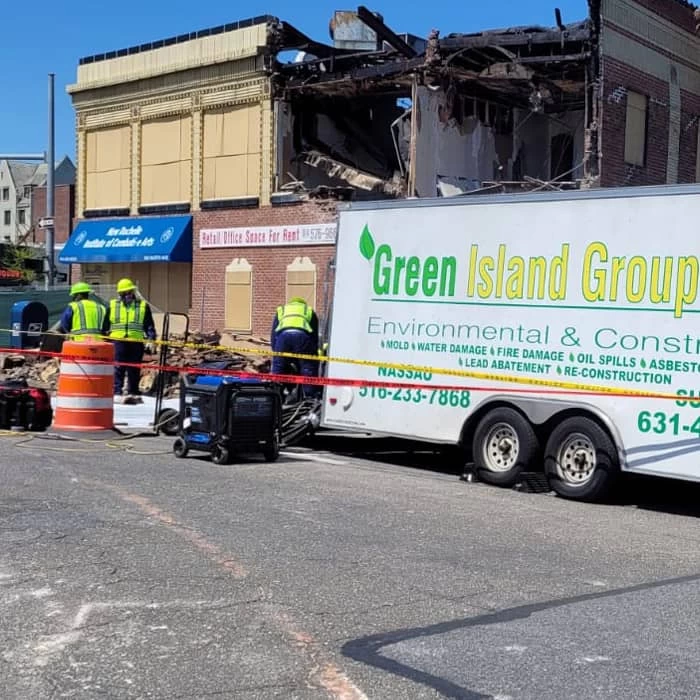
What Full Recovery Actually Looks Like After a House Fire in Riverhead
Most homeowners don’t realize how far the damage travels. The room that burned is obvious but smoke moves through HVAC systems in minutes, soot starts permanently bonding to surfaces within 24 to 72 hours, and the water used to put the fire out can trigger mold growth inside your walls within two days. By the time you’re standing in your driveway watching the Riverhead Volunteer Fire Department clear out, the clock on secondary damage is already running.
For homeowners in older parts of Riverhead downtown, Polish Town, Jamesport there’s another layer. Homes built before 1950 often contain asbestos in floor tiles, pipe insulation, and ceiling materials. A fire doesn’t just damage those materials. It disturbs them. That changes the scope of what safe restoration actually requires, and most general contractors aren’t equipped to handle it legally or safely.
What you get when the job is done right isn’t just a cleaned-up house. It’s a home that doesn’t smell like smoke three months later. Walls that aren’t hiding mold. A structure that’s been assessed, remediated, and rebuilt to current code not just patched. That’s the difference between a company that does cleanup and one that handles full fire damage restoration from day one to move-back-in day.
One Local Company Accountable From the First Call to the Final Walkthrough
We’re a locally owned restoration company based on Long Island, serving Riverhead and the surrounding hamlets of Calverton, Wading River, Aquebogue, Jamesport, and Baiting Hollow. We’re not a franchise dispatching anonymous crews from a national playbook. When you call, you reach real people Leo and Jessica are named by name in verified customer reviews, which tells you something about how we actually operate.
What sets us apart isn’t a tagline. It’s the fact that customers who hired us for fire remediation in Riverhead later brought us back to finish their basement because the quality held up and the communication was there throughout. That kind of repeat trust doesn’t happen by accident.
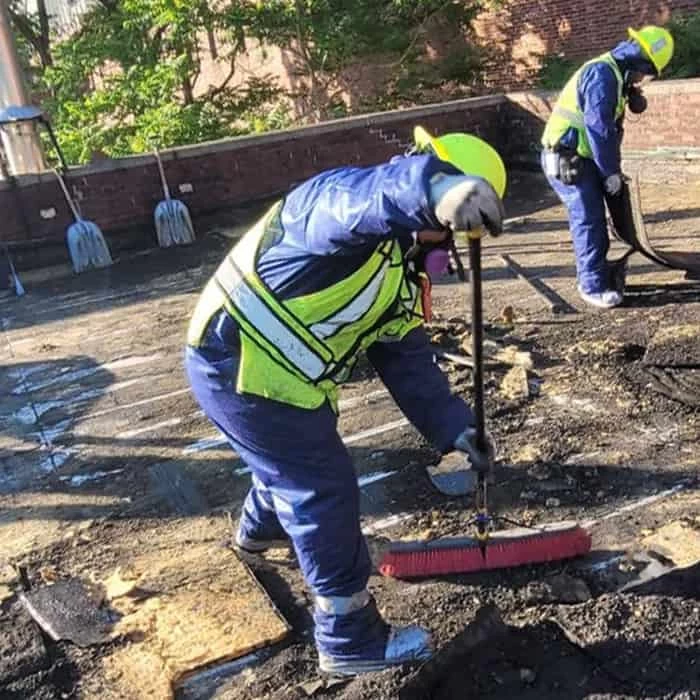
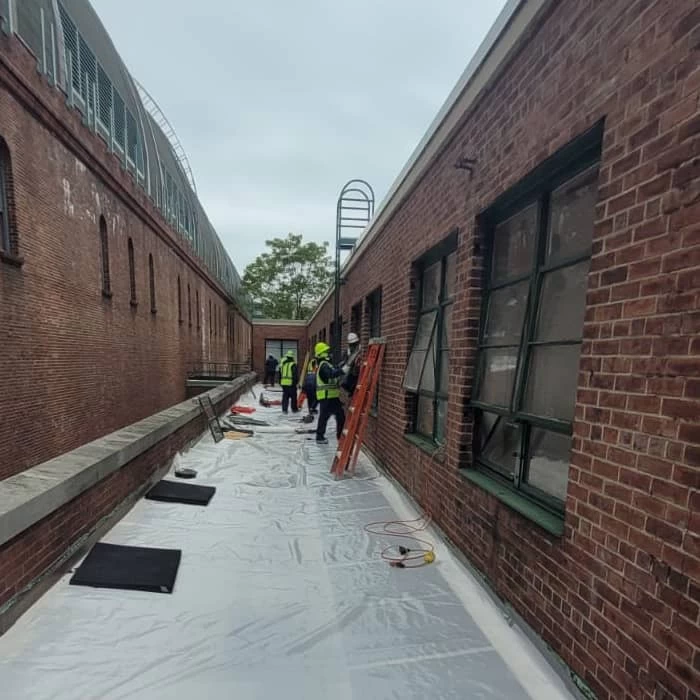
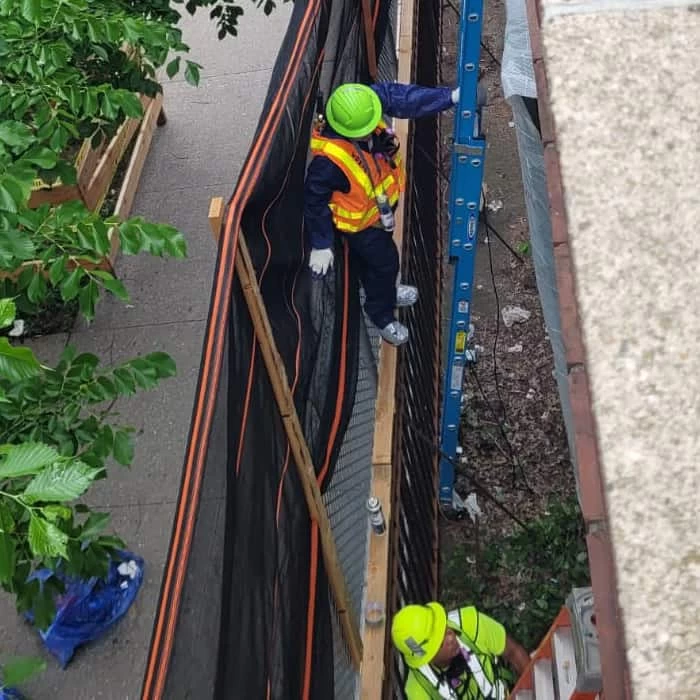
We handle every phase in-house: emergency response, smoke and soot remediation, water extraction, environmental hazard removal including asbestos abatement, structural repair, and final finishes. No handoffs. No gaps in accountability. One company, start to finish.
From Emergency Call to Move-Back-In Day Here's What Happens With Our Riverhead Restoration Process
The first step is getting there. Our documented response time is within the hour which matters when you’re in Riverhead, at the eastern end of the LIE, and some companies treat the East End like a distant service area. Fast arrival means earlier stabilization, and earlier stabilization means less secondary damage to deal with.
Once on site, we assess the full scope not just the burn zone, but the smoke migration through your ductwork, the water saturation from suppression efforts, and any structural or environmental concerns. For older homes in areas like Polish Town or downtown Riverhead, that assessment includes checking for disturbed asbestos-containing materials, which triggers a separate remediation protocol under New York State Department of Labor requirements. This isn’t optional it’s the law, and skipping it creates serious liability for the homeowner.
From there, the work moves in a logical sequence: extract water and dry the structure, remove damaged materials, remediate smoke and soot from every affected surface and system, address any environmental hazards, and then rebuild. If your home needs permits from the Town of Riverhead Building Department which most structural repairs will we handle that process as part of the job. The goal at the end isn’t a house that looks okay. It’s a house you can actually live in again, safely and without reservation.
Fire and Smoke Damage Restoration Services in Riverhead
Everything the Job Requires Not Just What's Easy to Offer
Fire damage restoration in Riverhead isn’t a one-size job. A kitchen fire in a newer Calverton ranch home is a different scope than a structure fire in a pre-war rental in the downtown hamlet. Our service model is built to handle both and everything in between.
The core service covers emergency stabilization, full smoke and soot remediation (including ductwork and HVAC systems), water extraction and structural drying from firefighting suppression, odor elimination, and complete structural repair through finished condition. For homes in Riverhead’s older housing stock roughly 18 percent of units were built before 1950 environmental remediation is often part of the scope. We’re equipped to handle asbestos abatement with proper state certification, which is a legal requirement under New York State law and not something a general contractor can legally perform without it.
Insurance coordination is also part of what we do. Multiple customers have specifically described our role in navigating the claims process not as a side service, but as active, hands-on support that helped them get the full scope of their loss covered. For Riverhead homeowners filing what may be the largest insurance claim of their lives, that support is not a bonus. It’s the part that determines whether you fully recover or come up short.
What should I do immediately after a house fire in Riverhead, NY?
The most important thing you can do in the first hour is call a restoration company before you do anything else before you re-enter the home, before you start cleaning, and ideally before the insurance adjuster arrives. Soot begins bonding permanently to surfaces within 24 to 72 hours, and smoke continues migrating through your HVAC system long after the fire is out. Every hour you wait, the damage gets harder and more expensive to reverse.
In Riverhead, where the Volunteer Fire Department often responds with multiple engines and mutual aid from departments like Flanders and Ridge for major structure fires, a significant volume of water gets applied to the structure during suppression. That water is already working against you soaking into subfloors, wall cavities, and ceilings and mold can begin developing within 48 hours of that kind of saturation. Getting a restoration team on site quickly isn’t about rushing the process. It’s about stopping the damage that’s still actively happening after the fire trucks leave.
Does homeowners insurance cover fire damage restoration costs in New York?
In most cases, yes standard homeowners insurance policies in New York cover fire damage restoration, including smoke damage, soot removal, water damage from suppression, and structural repairs. But the coverage you receive depends heavily on how the claim is documented and presented. Insurers assess what they can see and what gets reported to them. If the smoke damage in your HVAC system or the water saturation behind your walls isn’t properly documented before cleanup begins, it may not be included in the payout.
This is where having a restoration company that actively supports the claims process makes a real difference. We have a documented track record of helping Riverhead homeowners navigate their fire damage insurance claims not just doing the work, but making sure the full scope of the loss is captured before anything gets touched. For a household dealing with one of the largest claims it’s ever filed, that advocacy can be the difference between full recovery and a settlement that falls short.
How long does fire damage restoration typically take for a Riverhead home?
The honest answer is that it depends on the scope, and scope in Riverhead can vary significantly based on the age and type of the property. A contained kitchen fire in a newer home in Calverton or Northville might be fully restored in two to four weeks. A more extensive fire in an older home in the downtown hamlet or Polish Town where asbestos abatement, lead paint protocols, and structural complexity are often part of the picture can take considerably longer.
The variables that most affect timeline are: how much of the structure was affected by smoke migration, how saturated the building materials are from suppression water, whether environmental hazards like asbestos were disturbed and need to be remediated under New York State Department of Labor protocols, and whether the scope of reconstruction requires permits from the Town of Riverhead Building Department. We’ll give you a realistic timeline after the initial assessment not a number designed to win the job, but an honest projection based on what the property actually needs.
Can fire damage restoration in Riverhead uncover asbestos or other hazards?
Yes and it happens more often than most homeowners expect, particularly in Riverhead’s older neighborhoods. Approximately 18 percent of Riverhead’s housing stock was built before 1950, concentrated in the downtown hamlet, Polish Town, and older sections of Jamesport and Aquebogue. Homes from that era commonly contain asbestos in floor tiles, pipe insulation, ceiling texture, and roofing materials. When fire damages those materials, it can disturb them which changes the entire restoration protocol.
Under New York State Department of Labor regulations, asbestos abatement must be performed by a certified contractor. It cannot legally be handled by a general contractor or a restoration company without the proper state certification. We hold the required credentials and can handle asbestos abatement as part of the fire restoration scope which means you don’t need to find and coordinate a separate environmental contractor in the middle of an already stressful situation. If the assessment reveals hazardous materials, the remediation plan is adjusted accordingly, and the work is done legally and safely before any reconstruction begins.
Does fire restoration also cover the smoke smell, or is that a separate service?
Smoke odor removal is part of a complete fire restoration job not a separate add-on. The challenge is that smoke odor is rarely just a surface issue. Smoke penetrates porous materials: drywall, insulation, wood framing, carpet, upholstery, and HVAC ductwork. In older Riverhead homes with plaster walls, original hardwood floors, and uninsulated attic spaces, smoke can embed itself in ways that surface cleaning alone cannot address.
Effective odor elimination requires treating the source, not masking it. That means cleaning or replacing affected materials, deodorizing HVAC systems and ductwork, and in some cases using thermal fogging or hydroxyl generation to neutralize odor molecules embedded in the structure. If a restoration company cleans the visible surfaces and calls it done, you’ll notice the smell returning within weeks especially in humid summer months when Riverhead’s coastal air causes materials to expand and release trapped odor compounds. A thorough job addresses the full system, not just what’s visible.
How does Green Island Group handle fire damage restoration in Riverhead's rural hamlets?
Riverhead isn’t just the downtown hamlet and Main Street. The town spans over 67 square miles and includes rural areas like Calverton, Baiting Hollow, Wading River, and Jamesport where properties are larger, structures are more varied, and fire department response times can be longer due to distance and the volunteer nature of local departments. When a structure fire burns longer before suppression, more damage accumulates which typically means a more complex restoration scope.
We serve the full town, not just the areas closest to the highway. For agricultural properties, farmhouses, and rural estates in the outer hamlets, we bring the same complete service model: emergency stabilization, full remediation, environmental hazard handling, and structural repair through finished condition. Rural properties also sometimes involve outbuildings, detached structures, or equipment storage areas that fall outside standard homeowner policy coverage and navigating what’s covered versus what isn’t is something we can help you work through with your insurer from the start.