When the Fire's Out, the Real Work Begins on the Peninsula
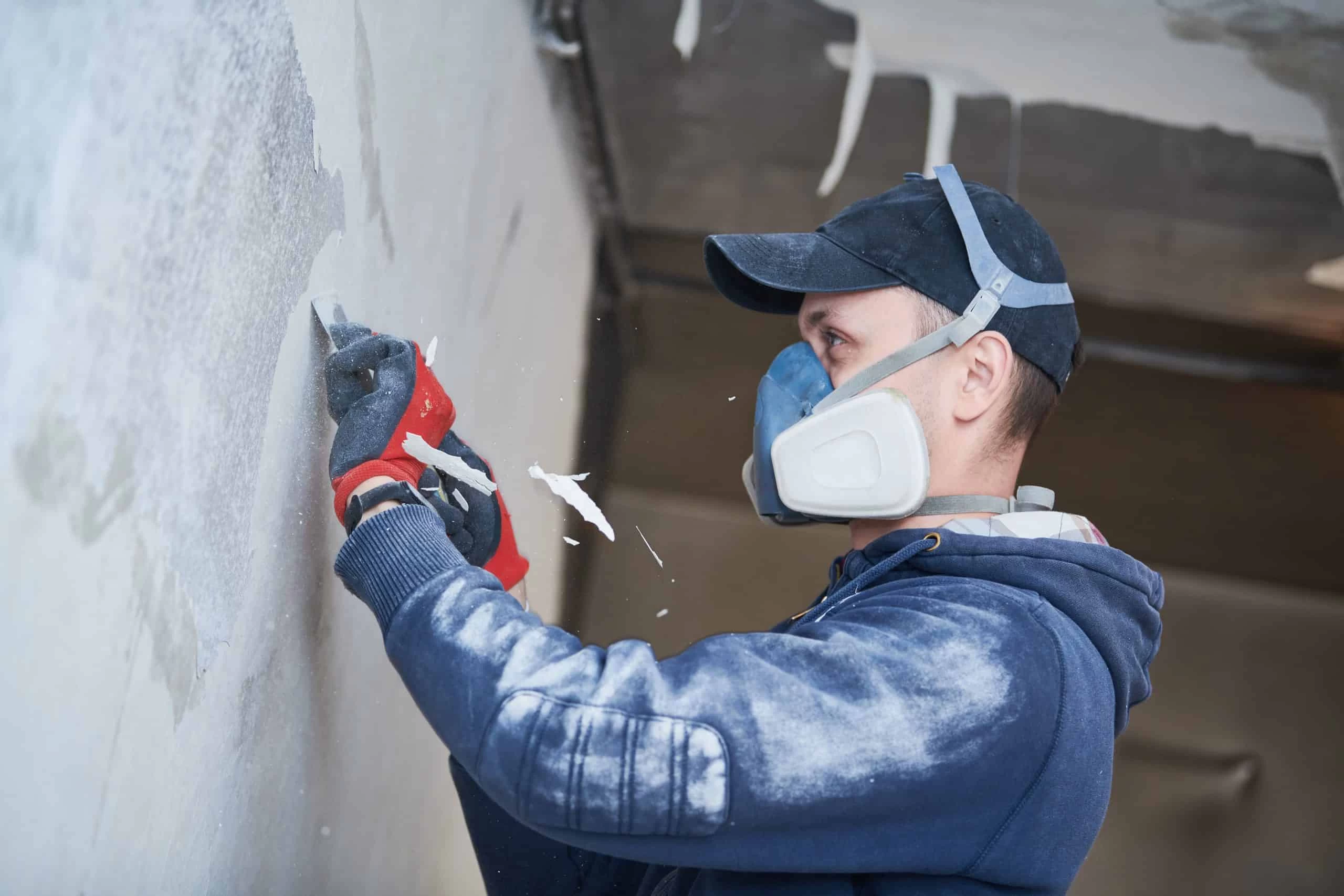
Smoke gets into places flames never touched and in Rockaway Beach’s older bungalows and two-family homes, that damage moves fast. We handle fire damage restoration from the first emergency call to the final repair.
I needed a professional consultation explanation of procedure for safe removal of Asbestos in my apartment complex. Without having an account yet, I was very impressed with the caring, knowledgeable and generous advice offered by Jessica, and will look forward to doing business in the future. Thank you so much! I feel much more informed about a sometimes scary endeavor. Peace. Nancy Silva Mineola, NY.
Mia Munoz
Used this company to clean up some water flood in my house. They were fast and easy to work with.very professional, Would recommend to anyone!
Nini Valle
Great company, had a flood and they responded quickly and efficiently. Billed my insurance company directly. I highly recommend this company!
joe colapietro, jr
I had pipe freeze in my basement right before a snow storm and they made to within an hour to help start the clean up process. They we by our side throughout the entire process and even helped with the insurance company. They did such a great job with the cleanup, repair, remidiation, I contracted them to perform the repairs and finishes in the basement. They came with enough manpower and material to get the job done. Leo and Jessica were nothing but a pleasure to deal with!!
Cristian Arredondo c
I had some water damage in my home and Green Island was able to take care of my issue quickly and effectively. I am very pleased with the work they did. They responded quickly and were very professional.
Michael M
Outstanding service! From the office to the field crew everyone was friendly, helpful and responsive. I highly recommend Green Island Group.
Your Home Back Without the Guesswork or the Runaround
A fire doesn’t end when the FDNY leaves. Smoke and soot keep working long after the flames are gone settling into wall cavities, soaking into insulation, and circulating through HVAC systems. In Rockaway Beach’s bungalows and converted summer homes, where older construction means fewer fire barriers and tighter floor plans, that spread happens faster than most people expect. What looks like surface damage on day one is often something deeper by day three.
The coastal environment here adds another layer. Salt air off the Atlantic accelerates corrosion in electrical systems and wiring and after a fire, that pre-existing wear matters. A proper assessment in Rockaway Beach isn’t just about what burned. It’s about what was already compromised before the fire started, and what that means for the safety and longevity of your restoration.
When the work is done right, you’re not just patching visible damage. You’re walking back into a home that’s been fully cleaned, structurally sound, and cleared of the odor and contamination that would otherwise follow you for months. That’s the outcome worth focusing on and it’s the only standard we work toward.
We Already Know This Peninsula That Changes Everything
We already serve the Rockaway Peninsula, including Far Rockaway. That’s not a footnote it means we know the housing stock, the access routes, the permit offices, and the insurance adjusters who work in Queens Community District 14. When you call us, we’re not orienting ourselves to your neighborhood for the first time.
Rockaway Beach is a specific place with specific challenges. The Cross Bay Veterans Memorial Bridge and the Marine Parkway Bridge are the only ways on and off the peninsula and anyone who’s tried to move a crew or a materials truck across those bridges during summer beach traffic or a nor’easter knows exactly why that matters. We plan around it. We’ve done it before.
We handle the entire process board-up, smoke and soot remediation, odor elimination, content restoration, structural drying, and full reconstruction under one roof. No handoffs, no finger-pointing, no coordinating three contractors while your property sits open. One company, accountable from the first call to the last walkthrough.
From Emergency Call to Move-Back-In Here's the Full Picture
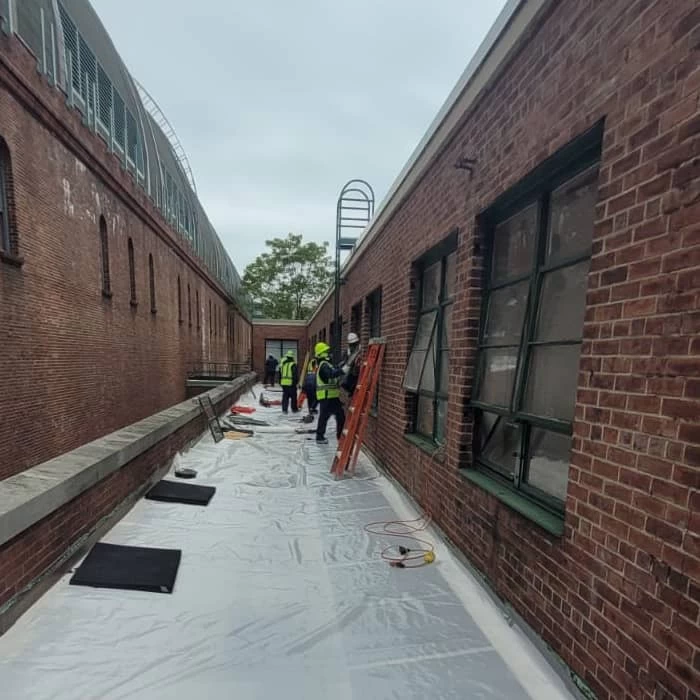
The first step is securing your property. After a fire, your home is exposed to weather, to further contamination, and in Rockaway Beach’s coastal climate, to salt air and moisture that can compound damage quickly. We respond 24 hours a day, board up openings, tarp any roof damage, and stop the bleeding before anything else happens.
From there, we conduct a thorough damage assessment not just what’s visible, but what’s behind walls, inside ductwork, and underneath flooring. Smoke infiltration in older bungalows and two-family homes often travels further than the fire itself, and thermal imaging helps us find it. If the FDNY has issued a vacate order or the NYC Department of Buildings has flagged the property, we handle the documentation and coordination required to move that process forward. Restoration work in Rockaway Beach falls under NYC DOB permit requirements, and properties in the peninsula’s FEMA flood zones may carry additional compliance thresholds we know what’s required and we manage it.
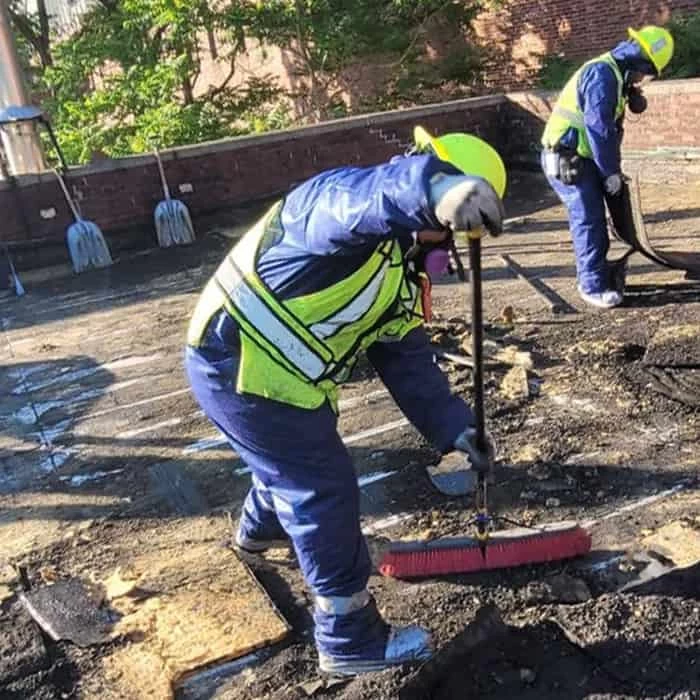
Once the assessment is complete and the scope is agreed upon with you and your insurance carrier, remediation begins: smoke and soot cleaning, odor neutralization with industrial equipment, structural drying from firefighting water, and content pack-out if needed. Reconstruction follows framing, drywall, electrical, finishes until the property is back to pre-fire condition. You’re kept informed at every stage. No surprises.
Fire damage restoration isn’t one service it’s a sequence of them, and the quality of your outcome depends on how well that sequence is managed. We cover every phase: emergency securing and board-up, smoke and soot cleaning, odor elimination, content pack-out and restoration, structural drying, and full reconstruction. For Rockaway Beach homeowners who remember what it looked like when Sandy restoration was mismanaged multiple contractors, missed damage, insurance claims that came up short having one accountable company handling all of it is a real and meaningful difference.
Smoke odor is one of the most underestimated parts of the job. It doesn’t respond to surface cleaning alone. We use industrial air scrubbers and hydroxyl generators to neutralize odor at the molecular level, which matters especially in the tighter floor plans common throughout the Rockaway Beach housing stock. If the smell isn’t fully eliminated during remediation, it comes back and it’s significantly harder and more expensive to address after reconstruction has started.
Insurance documentation is part of what we do, not an afterthought. We provide detailed written assessments, photo documentation, and direct communication with your adjuster to make sure the full scope of damage is captured in your claim. This community has seen what underdocumented claims look like. We make sure yours isn’t one of them.
How quickly can we respond to a fire in Rockaway Beach?
We maintain 24/7 emergency response, which means we can mobilize for Rockaway Beach any time day, night, weekend, or holiday. Response time to the peninsula depends on conditions, but we plan around the access realities here. The Cross Bay Veterans Memorial Bridge and Marine Parkway Bridge are the only routes onto the peninsula, and during summer months or storm events, those corridors can slow things down. We account for that in how we staff and position crews for the Rockaway area, so you’re not waiting on a company that’s figuring out the logistics in real time.
The first hours after a fire matter more than most people realize. Smoke and soot begin bonding to surfaces almost immediately, and the longer they sit, the more difficult and expensive they are to remove. Salt air and coastal humidity, both constant factors in Rockaway Beach, accelerate that process. Getting someone on-site quickly to secure the property and begin the assessment isn’t just about peace of mind. It’s about limiting the total scope of damage and keeping your restoration cost and timeline as manageable as possible.
Will my homeowner's insurance cover fire damage restoration in Rockaway Beach, NY?
In most cases, yes standard homeowner’s insurance policies cover fire damage restoration, including smoke and soot cleanup, structural repairs, and content restoration. The more important question is whether your claim will capture the full scope of what the fire actually damaged. That’s where documentation makes the difference, and it’s where a lot of Rockaway Beach homeowners have run into problems in the past not just after Sandy, but after any significant property loss event where the initial assessment missed hidden damage.
We provide written damage assessments, photo documentation, and direct communication with your insurance adjuster throughout the process. If your policy includes loss-of-use or loss-of-rent provisions relevant for the many Rockaway Beach property owners with rental units we document that as well. Our goal is to make sure your claim reflects the actual damage, not just what was easy to see on the first walkthrough. If there’s a coverage dispute or your adjuster’s scope comes in lower than what the damage warrants, we can provide the documentation needed to support a supplement.
What does smoke damage actually do to a home if it's not fully cleaned?
Smoke damage that isn’t fully remediated doesn’t stay contained it spreads. Soot particles are acidic, and over time they etch into surfaces, corrode metals, and permanently stain porous materials like drywall, wood, and fabric. In Rockaway Beach’s older bungalows and converted summer homes, where wall cavities are often less sealed and HVAC systems may run through shared spaces, smoke can travel well beyond the room where the fire started. What looks like a contained kitchen fire can leave soot deposits in bedrooms, closets, and attic spaces that weren’t immediately obvious.
The odor component is just as persistent. Smoke odor that isn’t neutralized at the source not just masked will return, especially in humid coastal conditions. Rockaway Beach sits between the Atlantic Ocean and Jamaica Bay, and the moisture levels here mean that any residual smoke contamination in walls or ductwork will continue to off-gas long after the visible damage appears cleaned up. Proper remediation uses air scrubbers, hydroxyl generators, and in some cases thermal fogging to address odor at the molecular level. Surface cleaning alone won’t get you there.
How do I handle a FDNY vacate order after a house fire in Queens?
A vacate order means the FDNY has determined the structure is unsafe for occupancy following the fire. Before you can return to the property and before full restoration work can begin the order needs to be addressed through the appropriate channels. That typically involves a structural assessment, documentation submitted to the NYC Department of Buildings, and in some cases a DOB inspection before the vacate is lifted. The process isn’t complicated, but it requires knowing exactly what documentation is required and who to submit it to, and delays in that paperwork translate directly into delays in your restoration timeline.
We handle this coordination as part of the restoration process. We’ve worked through the NYC DOB permit and vacate process in Queens before, and we know what’s needed to move it forward efficiently. For properties in Rockaway Beach that fall within FEMA flood zones which covers essentially the entire peninsula there may be additional compliance considerations if the fire damage triggers a substantial improvement threshold under the flood zone regulations. We factor all of that into the assessment and the restoration plan from the beginning, so nothing catches you off guard mid-project.
Can fire-damaged belongings and furniture actually be restored, or does everything need to go?
More can be saved than most people expect but it depends on the type of item, the extent of smoke and soot exposure, and how quickly the content restoration process begins. Hard surfaces like furniture frames, appliances, and décor items can often be cleaned and deodorized successfully. Soft goods upholstered furniture, clothing, bedding, rugs are more variable, but professional pack-out and textile cleaning recover a significant portion of what homeowners assume is a total loss.
The timing matters a lot here. Soot that has been sitting on a surface for days is harder to remove than soot addressed within the first 24 to 48 hours. For Rockaway Beach homeowners dealing with the added humidity of a coastal environment, that window is even tighter moisture accelerates the bonding of smoke residue to porous materials. When we respond to a fire in Rockaway Beach, content assessment is part of the initial walkthrough. We identify what can be packed out and restored before it sustains further damage, and we document everything for your insurance claim so that salvageable items aren’t written off unnecessarily.
Do you work with landlords who own two-family homes in Rockaway Beach?
Yes, and it’s a situation we’re familiar with on the Rockaway Peninsula. A significant portion of Rockaway Beach’s housing stock is owner-occupied two-family homes and small rental buildings many of them older structures that were originally built as seasonal bungalows and converted to year-round use. When a fire hits one of those properties, the stakes are different than a single-family owner-occupant scenario. You’re dealing with displaced tenants, potential housing court timelines, lost rental income, and an insurance claim that needs to capture not just structural damage but the full financial impact of the event.
We work with landlords throughout the restoration process with that reality in mind. We prioritize habitability restoration to get the unaffected unit or units back online as quickly as possible, document damage in the format required by NYC housing court and the Department of Buildings, and coordinate with your carrier on any loss-of-rent provisions in your policy. If the property has NYCHA-adjacent considerations or sits within one of the peninsula’s flood zone designations both common factors in Rockaway Beach we factor those into the compliance and permitting side of the project from the start.