When the Fire's Out, the Real Work Begins on the Peninsula
Smoke travels farther than flames and in a tightly built coastal home, it gets into everything. We respond fast to fire damage restoration calls in Rockaway Park, NY, so the damage stops where the fire did.
I needed a professional consultation explanation of procedure for safe removal of Asbestos in my apartment complex. Without having an account yet, I was very impressed with the caring, knowledgeable and generous advice offered by Jessica, and will look forward to doing business in the future. Thank you so much! I feel much more informed about a sometimes scary endeavor. Peace. Nancy Silva Mineola, NY.
Mia Munoz
Used this company to clean up some water flood in my house. They were fast and easy to work with.very professional, Would recommend to anyone!
Nini Valle
Great company, had a flood and they responded quickly and efficiently. Billed my insurance company directly. I highly recommend this company!
joe colapietro, jr
I had pipe freeze in my basement right before a snow storm and they made to within an hour to help start the clean up process. They we by our side throughout the entire process and even helped with the insurance company. They did such a great job with the cleanup, repair, remidiation, I contracted them to perform the repairs and finishes in the basement. They came with enough manpower and material to get the job done. Leo and Jessica were nothing but a pleasure to deal with!!
Cristian Arredondo c
I had some water damage in my home and Green Island was able to take care of my issue quickly and effectively. I am very pleased with the work they did. They responded quickly and were very professional.
Michael M
Outstanding service! From the office to the field crew everyone was friendly, helpful and responsive. I highly recommend Green Island Group.
A fire doesn’t end when the flames go out. Smoke and soot keep working settling into walls, circulating through HVAC systems, embedding in insulation long after the last truck leaves your street. In a home built before 1950, which describes nearly 40% of the housing stock in Rockaway Park, that process moves faster and deeper because of older construction methods that let smoke travel freely through wall cavities and floor systems. The visible damage is just the starting point.
What you actually need is someone who understands the full picture: the structural damage you can see, the smoke damage you can’t, and the moisture left behind by the fire hose that will become a mold problem if it isn’t handled immediately. Rockaway Park’s coastal humidity sitting between Jamaica Bay and the Atlantic accelerates that timeline. A wet wall that might take two weeks to show mold in an inland neighborhood can show it in days here.
When the process is done right, you get your home back. Not a version of it that smells like smoke every time it rains, not a patch job that hides damage behind fresh paint. A real restoration permitted, inspected, and built to last in a coastal environment.
We’ve been doing restoration work on the Rockaway Peninsula long enough to know what makes it different from the rest of Queens. The geography alone changes everything crossing the Marine Parkway Bridge adds time, and in fire damage situations, time is exactly what you don’t have. That’s why we maintain real local presence here, not a phone number that routes to a call center in another borough.
We understand the housing stock in Rockaway Park. We know that a home near Beach 116th Street built in 1940 is going to have different challenges than a post-Sandy rebuild elevated on pilings. We know what the DOB requires for permitted structural repairs in a flood zone, and we know how to document damage in a way that actually holds up with insurance adjusters not just what looks good in a report.
Rockaway Park is a community that’s been through a lot. We don’t take that lightly, and we don’t show up here acting like this is just another job.
The first thing we do when we arrive is stabilize the property. That means boarding up openings, tarping any compromised roof sections, and making sure the structure is secure before anything else happens. In Rockaway Park, where ocean winds can hit hard and fast, an unsecured fire-damaged structure can deteriorate significantly overnight so this step isn’t optional and it isn’t rushed.
From there, we move into a full damage assessment. We document everything structurally, for your insurance claim, and for the NYC Department of Buildings permit process. If your home is in a FEMA flood zone, which many properties in this ZIP code are, we flag any repairs that could trigger substantial improvement requirements early, so there are no surprises later. We pull the permits. We coordinate with your adjuster. You don’t have to chase anyone down.
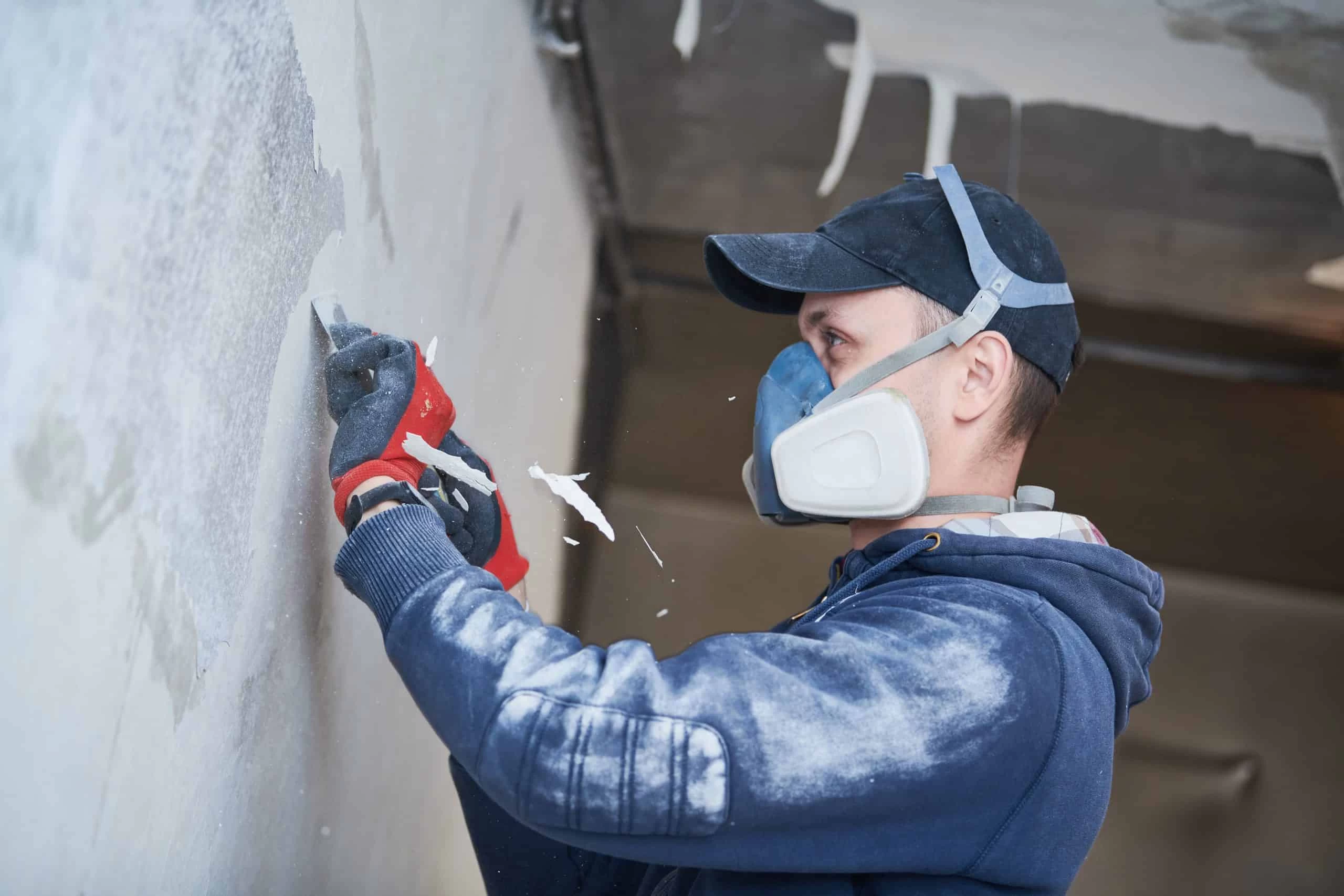
The remediation phase covers smoke and soot removal, structural drying, odor elimination, and hazardous material handling if your home predates 1978 and contains lead paint or asbestos disturbed by the fire. Once the structure is clean, dry, and cleared, the rebuild begins framing, drywall, electrical, plumbing, whatever the fire took. We see it through to the end, not just to the point where it looks finished.
Fire damage restoration isn’t a single service it’s a sequence of interconnected steps, and skipping any one of them creates problems down the road. Here’s what’s included when we handle a fire restoration job in Rockaway Park: emergency stabilization, full structural and smoke damage assessment, insurance documentation support, NYC DOB permit filing, smoke and soot remediation, structural drying and dehumidification, odor removal using thermal fogging and air scrubbing, hazardous material testing and abatement where required, and full structural rebuild to code.
The hazardous material piece is worth calling out specifically for this neighborhood. With nearly 40% of Rockaway Park homes built before 1950, there’s a real probability that fire damage in an older home has disturbed lead paint or asbestos-containing materials. Handling that improperly isn’t just a health risk it creates legal exposure and can complicate your insurance claim. We test, we document, and we remediate in compliance with NYC DEP and NYS DEC requirements.
We also handle content the belongings inside the home. Furniture, documents, photographs, clothing. Items that took a lifetime to accumulate don’t get written off as a loss without a real effort to save them first. For a community where families have lived in the same homes for generations, that part of the job matters.
How quickly can you respond to a fire damage call in Rockaway Park?
We respond fast and we understand that getting to Rockaway Park requires crossing either the Marine Parkway Bridge or the Cross Bay Bridge, which means response time is something we’ve specifically planned for. We maintain local presence in the area so we’re not routing from a distant dispatch center every time a call comes in from the peninsula.
Speed matters in fire damage situations because the secondary damage smoke settling into materials, moisture from fire suppression water soaking into floors and walls, mold beginning to develop in a coastal environment starts immediately. Every hour that passes without stabilization and drying is an hour of additional damage. When you call us, we give you a real arrival window, not a vague estimate, and we show up ready to work.
Does fire damage restoration in Rockaway Park require permits from the NYC DOB?
Yes, in most cases it does. Any structural repairs framing, drywall, roofing, electrical, plumbing require permits from the NYC Department of Buildings. This is true throughout New York City, and Rockaway Park is no exception. What makes this area different is the added layer of FEMA flood zone requirements. Many properties in the 11694 ZIP code sit in designated flood zones, and if the cost of repairs exceeds a certain percentage of the home’s pre-damage market value, it can trigger what’s called a substantial improvement requirement meaning the repairs must bring the structure into current floodplain compliance, which can include elevation requirements.
We handle the permit process for you. That includes filing the applications, coordinating inspections, and making sure all work is documented in a way that satisfies both the DOB and your insurance carrier. Unpermitted work on a fire-damaged property can void your policy and create serious problems if you ever sell so this isn’t a step to skip or cut corners on.
What does smoke damage restoration actually involve is it just cleaning?
Smoke damage restoration is significantly more involved than cleaning. Smoke is not just a surface problem it’s a penetration problem. Particles from a fire travel through HVAC ducts, settle into insulation, embed in drywall, and permeate soft materials throughout the home, often far from where the fire started. In a tightly constructed older home, which describes most of the housing stock in Rockaway Park, smoke can reach rooms that show no visible damage at all.
The remediation process involves removing soot from all affected surfaces using dry chemical sponges and specialized cleaning agents, treating HVAC systems to prevent recirculation of smoke particles, applying thermal fogging or hydroxyl generation to eliminate odor at the molecular level rather than masking it, and in some cases removing and replacing materials that can’t be adequately cleaned insulation being the most common example. The goal is a home where the smell doesn’t come back the first time you run the heat, and where air quality is genuinely safe for your family.
Will my homeowner's insurance cover fire damage restoration in Rockaway Park, NY?
Standard homeowner’s insurance policies generally cover fire damage restoration, including smoke damage, structural repairs, and in many cases content cleaning and replacement. That said, what your policy actually pays out depends heavily on how the damage is documented and how the claim is presented to the adjuster. Insurance companies work from their own estimates, which don’t always reflect the true cost of a thorough restoration especially in a market like Rockaway Park where labor costs, permitting requirements, and the complexity of older coastal homes can push project costs higher than a generic adjuster’s estimate accounts for.
We document damage in detail from the first day on site photographs, written assessments, material inventories and we communicate directly with your adjuster throughout the process. If there’s a gap between what the insurer is offering and what the actual restoration requires, we work through that with you. Many Rockaway Park homeowners have had difficult experiences with insurance claims going back to Sandy, and we understand the skepticism. Our job is to make sure the documentation is thorough enough that the claim reflects reality.
How does Rockaway Park's coastal environment affect fire damage and the restoration process?
It affects things in a few meaningful ways. First, the wind. The Rockaway Peninsula is one of the most wind-exposed locations in New York City, with consistent ocean breezes and periodic nor’easters. Wind accelerates fire spread dramatically a fire that might be contained in a sheltered inland neighborhood can move fast here. The Breezy Point fire during Hurricane Sandy, which destroyed over 110 structures in a matter of hours, is the most extreme example of what wind-driven fire looks like on this peninsula.
Second, the humidity. Coastal air holds more moisture, which means that water used to extinguish a fire dries more slowly here than it would in an inland neighborhood. That extended drying window creates a much higher risk of mold growth particularly in older homes with less ventilation. We build accelerated drying and dehumidification into every restoration job in Rockaway Park specifically because of this. Third, salt air. Decades of coastal exposure corrode electrical systems and appliances faster here, which is relevant both as a fire risk factor and as something that affects how we assess and restore electrical components after a fire.
How long does fire damage restoration typically take for a Rockaway Park home?
The honest answer is that it depends on the scope of the damage, but most residential fire restoration jobs in Rockaway Park fall somewhere between two weeks and three months from initial stabilization to completed rebuild. A contained kitchen fire with smoke damage to adjacent rooms is a very different project from a fire that compromised the roof structure and spread smoke throughout the home. The assessment we do in the first day or two gives you a realistic timeline based on what we’re actually dealing with.
A few things specific to Rockaway Park can affect the timeline. The NYC DOB permit process adds time inspections are scheduled through the city, and that scheduling is outside our control, though we file promptly and follow up consistently. If your home is in a flood zone and the damage triggers substantial improvement requirements, there may be additional review steps. And if the home was built before 1978 and hazardous material testing comes back positive for lead or asbestos, abatement has to happen before reconstruction can begin. We lay all of this out for you upfront so you’re not getting surprise delays three weeks into the job.