Rocky Point Homes Deserve More Than a Surface Cleanup
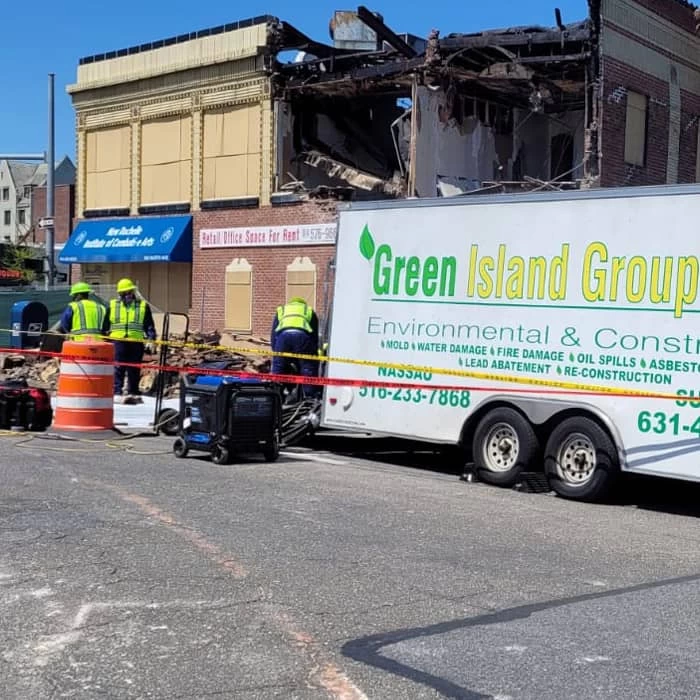
Smoke gets into places you can’t see. In a community full of homes with decades of history behind their walls, fire damage restoration in Rocky Point means going deeper than what’s visible and moving fast before the real damage sets in.
I needed a professional consultation explanation of procedure for safe removal of Asbestos in my apartment complex. Without having an account yet, I was very impressed with the caring, knowledgeable and generous advice offered by Jessica, and will look forward to doing business in the future. Thank you so much! I feel much more informed about a sometimes scary endeavor. Peace. Nancy Silva Mineola, NY.
Mia Munoz
Used this company to clean up some water flood in my house. They were fast and easy to work with.very professional, Would recommend to anyone!
Nini Valle
Great company, had a flood and they responded quickly and efficiently. Billed my insurance company directly. I highly recommend this company!
joe colapietro, jr
I had pipe freeze in my basement right before a snow storm and they made to within an hour to help start the clean up process. They we by our side throughout the entire process and even helped with the insurance company. They did such a great job with the cleanup, repair, remidiation, I contracted them to perform the repairs and finishes in the basement. They came with enough manpower and material to get the job done. Leo and Jessica were nothing but a pleasure to deal with!!
Cristian Arredondo c
I had some water damage in my home and Green Island was able to take care of my issue quickly and effectively. I am very pleased with the work they did. They responded quickly and were very professional.
Michael M
Outstanding service! From the office to the field crew everyone was friendly, helpful and responsive. I highly recommend Green Island Group.
What Changes When the Cleanup Actually Goes All the Way
A lot of restoration companies will clean what they can see and call it done. What you’re left with is a house that looks okay on the surface but still smells like smoke six months later, or worse a wall gets opened up during a renovation and there’s mold behind it from water that was never properly extracted after the fire was put out. That’s not a rare outcome. It’s what happens when the job stops short.
Rocky Point has a housing stock that demands more than a standard approach. A significant portion of homes here started as summer cottages built in the late 1920s converted over the decades into the year-round family homes they are today. That means older construction, materials that predate modern building codes, and in many cases, asbestos-containing insulation or tile that becomes a serious hazard the moment a fire disturbs it. A company that only handles fire cleanup and hands you off to someone else for the rest isn’t equipped to handle what’s actually inside these homes.
Then there’s the water. When the Rocky Point Fire Department suppresses a fire and they’re covering 48 square miles across this area the water from that response can soak into subfloors, wall cavities, and insulation within minutes. Mold can start developing in as little as 24 hours if that moisture isn’t extracted and dried properly. Getting the fire cleaned up is step one. Making sure the home is actually safe to live in again is the whole job.
Long Island-Based, Accountable by Name, Not by Brand
We’re a locally owned restoration company serving Nassau and Suffolk Counties not a franchise with a call center somewhere else routing your job to whoever’s available. When you call Green Island Group, you’re reaching people who know Rocky Point’s housing stock, understand what Brookhaven Town requires for permits and reconstruction, and have worked through situations in homes a lot like yours.
Customers mention Leo and Jessica by name in their reviews unprompted. That’s not a marketing strategy. That’s what happens when the same people stay with your project from the first call to the final walkthrough. For a community like Rocky Point, where word travels fast and your neighbors talk, that kind of accountability matters more than any brand name.
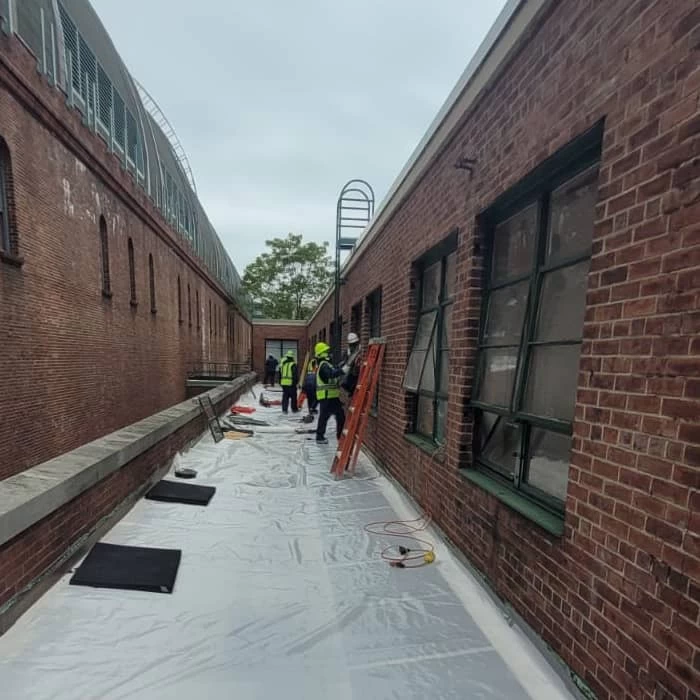
We handle the full scope: emergency response, smoke and soot remediation, water extraction, environmental hazard assessment, asbestos abatement for pre-1978 homes, mold remediation, and complete reconstruction. You don’t get handed off. The job gets finished.
From Emergency Call to Finished Home Here's the Honest Walkthrough
The first call triggers an immediate response. A real Green Island Group customer documented a crew on-site within one hour of their call. That speed matters because soot starts permanently etching surfaces within 24 to 72 hours the longer the gap between fire suppression and professional cleanup, the more damage becomes irreversible and the more expensive the restoration gets.
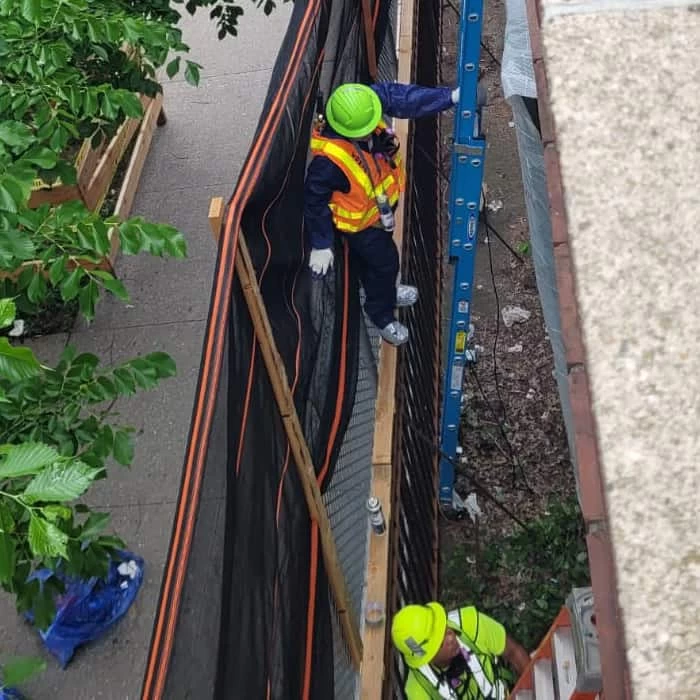
Once on-site, the first priority is assessment. We identify all affected areas not just the rooms with visible fire damage, but the spaces smoke traveled through via HVAC ductwork and wall cavities. In older Rocky Point homes, that assessment also includes checking for asbestos-containing materials before any structural work begins. New York State requires NYSDOL-certified contractors for asbestos abatement, and that step can’t be skipped or worked around. We’re equipped to handle it without bringing in a third party.
From there, the process moves through water extraction and drying, smoke and soot remediation, odor elimination using HEPA air scrubbers and thermal fogging, and then reconstruction. Any structural work in Rocky Point requires building permits through the Town of Brookhaven, and we navigate that process as part of the job not as an afterthought. The goal at the end isn’t a house that looks restored. It’s a home you can actually live in again.
Every Phase Covered Including What Other Companies Skip
Fire damage restoration in Rocky Point isn’t a single-step job, and for homes in this area, the scope is often broader than it looks at first. We cover emergency board-up and securing the property, full smoke and soot cleanup, water damage remediation from firefighting suppression, mold prevention and remediation, environmental hazard identification, asbestos abatement for pre-1978 construction, and complete reconstruction through to finished interiors.
For homes bordering the Rocky Point Pine Barrens State Forest where the NYSDEC has built fire breaks specifically to protect residential properties from wildland fire exposure the damage profile can look different than a standard structure fire. Exterior char, ember intrusion, and smoke penetration from a wildland event require the same thorough remediation as any interior fire, and our team understands that distinction.
The insurance side of this process is also part of what you get. Multiple customers have specifically noted our help navigating their claim documenting damage thoroughly, working alongside adjusters, and making sure the scope of restoration isn’t underestimated on the front end. For most Rocky Point homeowners, this is the first time filing a major claim on a home worth close to $500,000. Having a restoration company that stands beside you through that process, not just through the cleanup, is a real difference in how the whole experience goes.
Is it safe to stay in my Rocky Point home after a fire?
In most cases, no at least not immediately, and not without a professional assessment first. Even if the fire was contained to one room, smoke travels fast. It moves through HVAC systems, penetrates wall cavities, and settles into porous materials throughout the home within minutes of a fire starting. The air quality in rooms that never saw a flame can still be hazardous, and soot particles are fine enough to cause respiratory irritation and long-term health issues with prolonged exposure.
For Rocky Point homes built before 1978, there’s an added layer of concern. A fire that disturbs insulation, floor tiles, ceiling materials, or pipe wrap in an older home can release asbestos fibers into the air which is a serious health hazard that requires certified abatement, not just cleanup. Before you decide whether it’s safe to stay, get a professional assessment that looks at air quality, structural integrity, and the presence of any environmental hazards. That’s not an optional step it’s the one that tells you what you’re actually dealing with.
How long does fire damage restoration typically take for a Long Island home?
The honest answer is that it depends on scope, and scope in a Rocky Point home can be more complex than it looks on day one. A contained kitchen fire with limited smoke spread might be fully remediated and reconstructed in two to four weeks. A fire that traveled through the HVAC system, caused significant water damage from suppression, and disturbed pre-1978 materials requiring asbestos abatement can take two to three months or more.
The timeline is also affected by the permitting process. Structural restoration and reconstruction work in Rocky Point falls under the Town of Brookhaven Building Division, and permits need to be pulled before certain phases of the work can begin. We factor that into the project timeline from the start it’s not a surprise that shows up mid-project. The most important thing you can do to keep the timeline as short as possible is start the professional remediation process quickly. Every day of delay after a fire expands the scope of what needs to be fixed.
Does homeowners insurance cover fire damage restoration in New York?
Standard homeowners insurance policies in New York typically cover fire damage, including the cost of cleanup, smoke remediation, water damage from firefighting, and reconstruction but the coverage is only as good as the documentation behind the claim. Adjusters work from what’s reported and verified, and if the initial damage assessment underestimates the scope, you may end up with a payout that doesn’t cover the full cost of restoration.
This is one of the areas where having the right restoration company matters beyond just the physical work. We have a documented track record in real customer reviews of helping homeowners navigate the insurance process, not just handing them a bill and walking away. For Rocky Point homeowners who may be filing a major claim for the first time on a home valued close to or above $500,000, that support is a meaningful part of the service. Thorough documentation from the start protects your claim and gives the adjuster what they need to pay it properly.
My Rocky Point home was built in the 1940s does that change what fire restoration involves?
Yes, significantly. Homes built in Rocky Point during the 1930s and 1940s many of which started as summer cottages before being converted to year-round residences often contain materials that require specialized handling during any restoration that involves structural disturbance. Asbestos was commonly used in insulation, floor tiles, ceiling tiles, pipe wrap, and roofing materials in homes built before 1978. A fire that damages any of these materials doesn’t just create a cleanup problem it creates a regulatory and health situation that requires a state-certified abatement contractor before standard restoration work can proceed.
New York State requires NYSDOL certification for any asbestos abatement work, and that’s not a step that can be skipped or handled by a general restoration crew. Older homes in this area may also have knob-and-tube or early aluminum wiring that contributed to the fire in the first place, and that needs to be identified and addressed before reconstruction begins. Our environmental remediation capabilities cover this it’s part of why our full-service model matters specifically for the kind of housing stock Rocky Point has.
What's the difference between smoke damage and fire damage, and why does it matter?
Fire damage is what you can see charred materials, structural damage, burned contents. Smoke damage is what spreads everywhere else, fast, and it’s often more extensive than the fire damage itself. Smoke moves through HVAC ductwork, seeps into wall cavities, and penetrates porous materials like drywall, wood framing, insulation, and upholstery within minutes of a fire starting. Rooms that were never touched by flames can still have smoke deeply embedded in their surfaces and air systems.
The reason this distinction matters for restoration is that smoke damage requires a different set of tools and techniques than fire damage cleanup. Surface scrubbing doesn’t remove smoke that has absorbed into drywall or wood. Eliminating smoke odor one of the most persistent complaints homeowners have after a fire requires HEPA air scrubbing, thermal fogging, and in many cases hydroxyl treatment to break down odor-causing compounds at the molecular level. A restoration process that only addresses visible fire damage and skips the smoke remediation is why some homeowners are still smelling smoke a year later. That’s not a cleaning issue it’s an incomplete restoration.
Can a Pine Barrens wildfire actually damage homes in Rocky Point?
It’s a real risk, not a theoretical one. Rocky Point is directly bordered to the south by the Rocky Point Pine Barrens State Forest a 5,500-acre preserve that is part of Long Island’s Central Pine Barrens. The New York State DEC has constructed fire breaks on the preserve specifically to protect private residential properties from wildland fire exposure. A documented Pine Barrens fire in Rocky Point previously burned through 2,500 acres, and prescribed burns have been conducted in the area as a management tool.
Homes on the southern edge of Rocky Point near the preserve boundary along roads like Rocky Point–Yaphank Road sit in what’s known as a Wildland-Urban Interface zone. In a dry summer, an ember-driven wildland fire can reach residential structures and cause exterior char, smoke intrusion, and interior smoke damage even if the structure itself doesn’t fully catch. That damage profile is different from a typical kitchen or electrical fire, and it requires the same thorough professional remediation. If your property is near the Pine Barrens and you’ve experienced any level of smoke or fire exposure from a wildland event, don’t assume the damage is minor just because the house is still standing.