When a Sagaponack Estate Burns, Every Hour Has a Price Tag
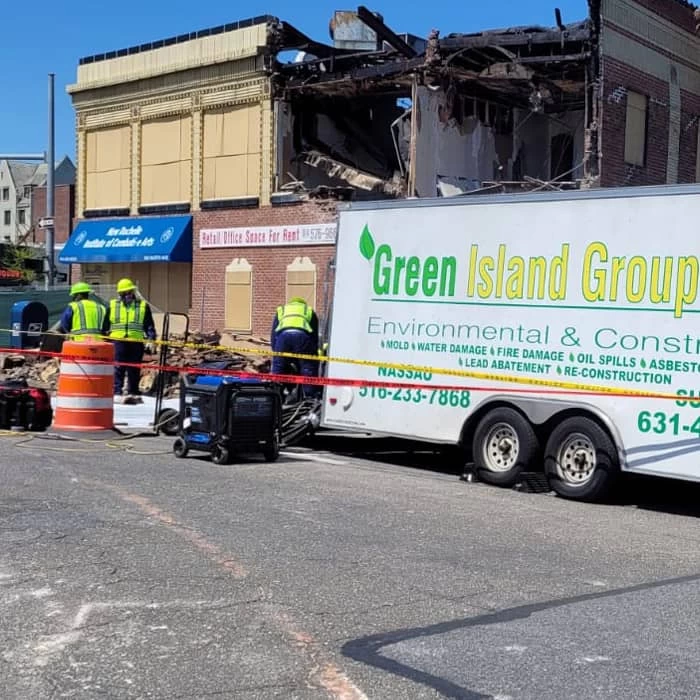
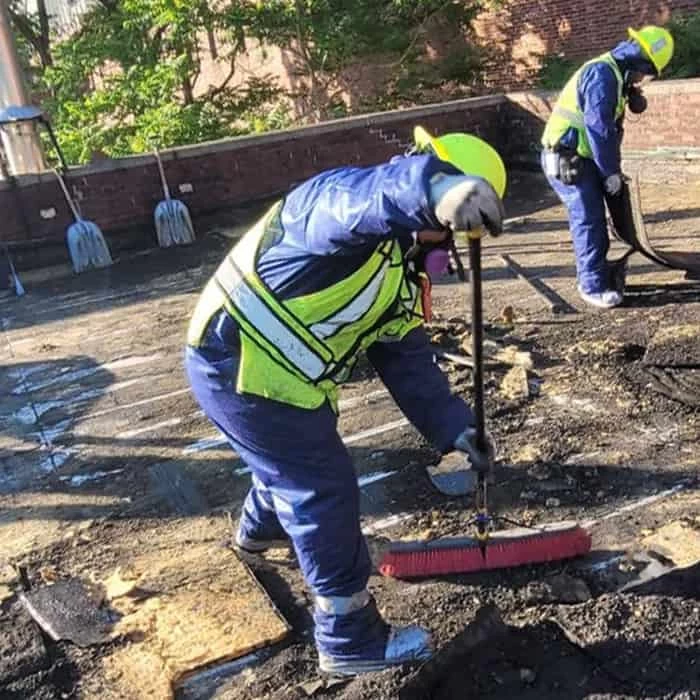
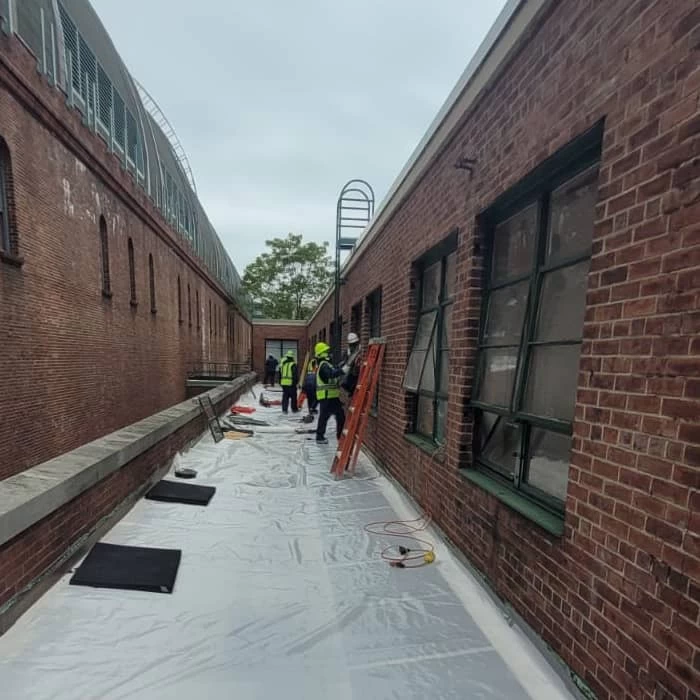
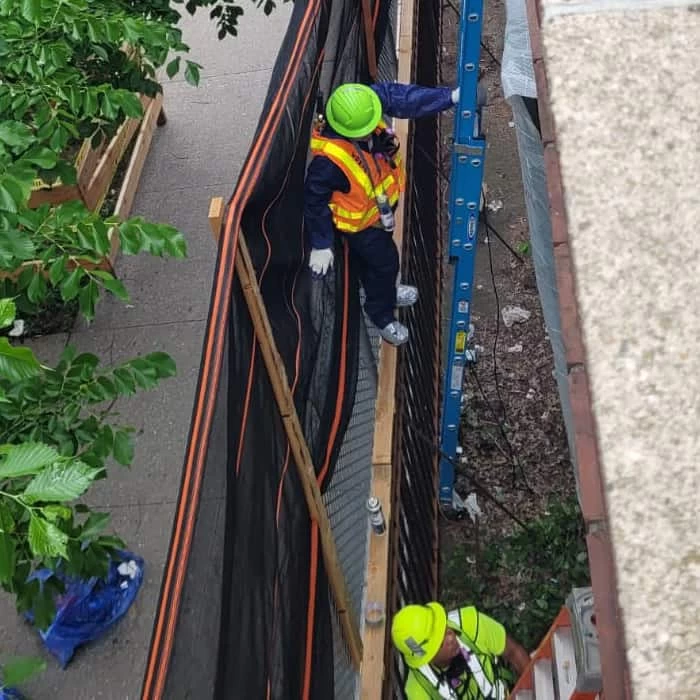
Smoke travels fast. Soot sets permanently within 72 hours. And on the Atlantic-facing East End, a compromised roof doesn’t wait for you to fly in from the city. We respond immediately and handle fire damage restoration from emergency stabilization all the way through finished reconstruction.
I needed a professional consultation explanation of procedure for safe removal of Asbestos in my apartment complex. Without having an account yet, I was very impressed with the caring, knowledgeable and generous advice offered by Jessica, and will look forward to doing business in the future. Thank you so much! I feel much more informed about a sometimes scary endeavor. Peace. Nancy Silva Mineola, NY.
Mia Munoz
Used this company to clean up some water flood in my house. They were fast and easy to work with.very professional, Would recommend to anyone!
Nini Valle
Great company, had a flood and they responded quickly and efficiently. Billed my insurance company directly. I highly recommend this company!
joe colapietro, jr
I had pipe freeze in my basement right before a snow storm and they made to within an hour to help start the clean up process. They we by our side throughout the entire process and even helped with the insurance company. They did such a great job with the cleanup, repair, remidiation, I contracted them to perform the repairs and finishes in the basement. They came with enough manpower and material to get the job done. Leo and Jessica were nothing but a pleasure to deal with!!
Cristian Arredondo c
I had some water damage in my home and Green Island was able to take care of my issue quickly and effectively. I am very pleased with the work they did. They responded quickly and were very professional.
Michael M
Outstanding service! From the office to the field crew everyone was friendly, helpful and responsive. I highly recommend Green Island Group.
What Full Recovery Actually Looks Like for a Sagaponack Property
A fire in a Sagaponack home isn’t just a structural event it’s a cascading problem. Smoke pushes through HVAC systems and wall cavities within minutes, contaminating rooms that never saw a single flame. Soot begins permanently etching finishes, stone, and custom millwork within 24 to 72 hours. Water from firefighting roughly 250 gallons per minute from a fire hose soaks into floors, ceilings, and framing, and mold can start forming in as little as 24 hours after that. In a coastal environment like Sagaponack, where humidity is already elevated year-round, that window is even tighter.
What full recovery looks like is this: your property is stabilized the same day, protected against the nor’easters and coastal storms that don’t pause for restoration timelines, and systematically restored from the inside out not just surface-cleaned and handed back. For the historic wood-frame homes along Sagg Main Street in Sagaponack, that means working within the Sagaponack Historic District’s preservation standards. For the oceanfront estates on Daniels Lane, it means sourcing custom finishes and coordinating with high-value insurers who require specific documentation before a single dollar moves.
We manage the entire arc emergency response, smoke and soot remediation, water extraction, environmental testing, asbestos abatement if needed, and complete reconstruction. No relay race between contractors. No gaps in accountability. Just a clear path from the day of the fire to the day you walk back in.
Local Ownership in Sagaponack Real Accountability, Not a Franchise Answering Your Call
We’re locally owned and operated in Suffolk County not a franchise outlet routing your call through a national dispatch center. When you call, you reach real people who know Sagaponack and the East End, understand the seasonal dynamics of second-home communities, and have the certifications to handle what a fire actually leaves behind including asbestos abatement in older structures, mold remediation from firefighting water, and full reconstruction through finished specifications.
Multiple independent customers have named the same team members Leo and Jessica as the people who made the difference in their experience. That kind of consistency doesn’t happen by accident. It’s a service model built on real relationships and direct accountability, not anonymous crew dispatch.
Our satisfaction guarantee is straightforward: the job isn’t done until you’re satisfied with the result. For a Sagaponack property owner managing a multi-million-dollar asset often from a distance that commitment isn’t a tagline. It’s the only acceptable standard.
From the First Call to the Final Walkthrough Here's How We Handle Sagaponack Fire Losses
The first step is stabilization, and it happens fast. We respond immediately, assess the full scope of damage, and secure the property with emergency board-up and roof-tarping before the next coastal weather system has a chance to turn a fire loss into a water loss. On the East End, that’s not a hypothetical a nor’easter doesn’t care that your roof was compromised three days ago.
From there, the remediation phase begins. Smoke and soot are addressed throughout the entire structure not just the rooms with visible damage. HVAC systems are inspected and decontaminated. Water from fire suppression is extracted and dried. If environmental testing flags asbestos-containing materials, which is a real possibility in Sagaponack’s older historic structures, abatement is handled by certified technicians before any reconstruction begins. The Village of Sagaponack requires a building permit for restoration work under Village Chapter 30 and the NY State Uniform Fire Prevention and Building Code we manage that permitting process, including coordination with the Architectural and Historic Review Board for properties within the Sagaponack Historic District.
Reconstruction follows the remediation, built to your specifications and documented throughout for your insurance carrier. If you’re working with a high-value homeowners policy Chubb, PURE, AIG Private Client the documentation requirements are specific and significant. We know what those carriers need and build the paper trail from day one.
Fire Restoration Damage Services, East End Long Island
Everything a Sagaponack Fire Loss Requires Handled Under One Roof
Fire damage restoration in Sagaponack isn’t a single service it’s a sequence of specialized work that has to happen in the right order, by the right people, with the right certifications. We cover every phase: emergency board-up and roof-tarping, structural assessment, smoke and soot remediation, HVAC decontamination, water extraction and drying, odor elimination through thermal fogging and hydroxyl treatment, environmental testing, asbestos abatement, mold remediation, demolition of unsalvageable materials, and full reconstruction through final finishes.
For properties in the Sagaponack Historic District the colonial-era homes and structures along Sagg Main Street that reconstruction has to meet historic preservation standards, not just building code. We understand the difference and coordinate accordingly. For the large oceanfront estates that define Daniels Lane and the surrounding estate corridors, the work extends to custom material sourcing, high-value contents handling, and the kind of project management that a second-home owner managing the process remotely actually needs.
If your property is primarily seasonal which describes a significant portion of Sagaponack’s housing stock we can act as your representative on the ground, keeping you informed and moving the project forward whether you’re in the village or not. One call, one team, one company accountable from start to finish.
Does fire damage restoration in Sagaponack require a building permit?
Yes any restoration or reconstruction work following a fire in Sagaponack requires a building permit from the Village of Sagaponack Building Department. The work must comply with the New York State Uniform Fire Prevention and Building Code as adopted under Village Chapter 30 and all applicable amendments. This applies to structural repairs, electrical work, plumbing, and any reconstruction that follows fire damage remediation.
For properties located within the Sagaponack Historic District which encompasses over 130 buildings and structures along Sagg Main Street there’s an additional layer of review. The Architectural and Historic Review Board evaluates proposed restoration work for consistency with the historic character of the district. That means you can’t simply rebuild to modern spec without first clearing the design through the Board. We manage this permitting process as part of the project, so you’re not left navigating Village bureaucracy on top of an already stressful situation.
How quickly does smoke damage spread through a home after a fire?
Faster than most people expect. Smoke doesn’t stay in the room where the fire started it moves through HVAC systems, wall cavities, and insulation within minutes of ignition. By the time a fire is suppressed, smoke has typically reached every connected space in the structure, including rooms that had no direct flame exposure whatsoever.
The timeline for permanent damage is equally unforgiving. Soot begins etching and staining porous surfaces stone, wood, drywall, custom finishes within 24 to 72 hours of the fire event. After that window, what could have been cleaned often has to be replaced. For a Sagaponack property with custom millwork, imported stone, or rare hardwoods, the difference between a 6-hour response and a 48-hour response can represent hundreds of thousands of dollars in avoidable material loss. Speed of professional response is the single most important variable in controlling total restoration cost.
My Sagaponack home is older could there be asbestos after a fire?
It’s a real possibility, and it’s one that has to be addressed before any restoration work begins. Structures built before 1980 and Sagaponack has significant historic building stock along Sagg Main Street dating back to the colonial period commonly contain asbestos-containing materials in insulation, floor tiles, roofing materials, and pipe wrap. A fire that disturbs these materials can release asbestos fibers into the air, creating a health hazard that requires professional environmental testing and, if confirmed, certified abatement before any reconstruction proceeds.
New York State requires NYSDOL-certified contractors for asbestos abatement this is not work that a general contractor or a fire-only restoration company can legally perform. We hold the environmental remediation certifications required to handle asbestos abatement as part of the broader restoration project, which means you don’t have to locate and coordinate a separate environmental contractor while your property sits exposed. Testing, abatement, and clearance are handled in sequence, keeping the project moving without unnecessary delays.
What happens to the water used to fight the fire is that also a problem?
Yes, and it’s often underestimated. Fire hoses deliver approximately 250 gallons of water per minute during suppression. Even a relatively contained fire can result in thousands of gallons soaking into floors, walls, ceilings, and structural framing. That water doesn’t evaporate on its own it migrates into building materials and creates ideal conditions for mold growth, which can begin within 24 to 48 hours of the water intrusion.
In Sagaponack’s coastal environment, where ambient humidity is already elevated year-round due to the Atlantic Ocean proximity, that mold growth window is compressed further. Professional water extraction and structural drying have to begin as quickly as possible after the fire is out not days later when a contractor finally schedules a visit. We address fire suppression water as part of the immediate response, running extraction and drying equipment alongside the initial stabilization work so the secondary damage doesn’t compound the primary loss.
My Sagaponack property is a seasonal home how does that affect the restoration process?
It affects it significantly, and it’s a situation we’re specifically equipped to handle. A large portion of Sagaponack’s housing stock is occupied seasonally or used as a second home, which means many property owners aren’t physically present when a fire occurs. They get the call from a property manager, a neighbor, or the fire department and then have to make critical decisions about their property from hundreds of miles away.
We can act as your representative on the ground throughout the entire restoration process. That means responding immediately, securing the property, beginning remediation, managing the permitting process with the Village of Sagaponack Building Department, coordinating with your insurance adjuster, and keeping you informed at every stage without requiring you to be physically present to keep things moving. Seasonal vacancy also creates specific risks worth knowing: unmonitored heating systems during cold months are a leading cause of fire in vacant properties, and a fire that starts in an unoccupied home typically burns longer before detection, resulting in more extensive damage. The faster professional response begins after discovery, the more of the property can be saved.
How does Green Island Group work with high-value homeowners insurance carriers?
High-value homeowners policies the kind typically carried on Sagaponack properties, issued by carriers like Chubb, PURE Insurance, or AIG Private Client Group have specific documentation requirements, restoration standards, and contractor qualification expectations that standard policies don’t. The claims process is more detailed, the scope documentation needs to be more precise, and the adjuster’s expectations are higher. A restoration company that doesn’t understand how these carriers operate can inadvertently create gaps in the claim that cost the homeowner money.
We have a documented track record of guiding homeowners through the insurance claim process from start to finish verified across multiple independent customer reviews. That means building a thorough damage inventory from day one, aligning the scope of work with the adjuster’s requirements, and maintaining the documentation trail that high-value carriers need before approving restoration expenditures. You’re not left translating between your restoration contractor and your insurance company. We understand both sides of that conversation and manage it as part of the project.