Sayville Homes Are Worth Restoring Right Not Just Patching Up
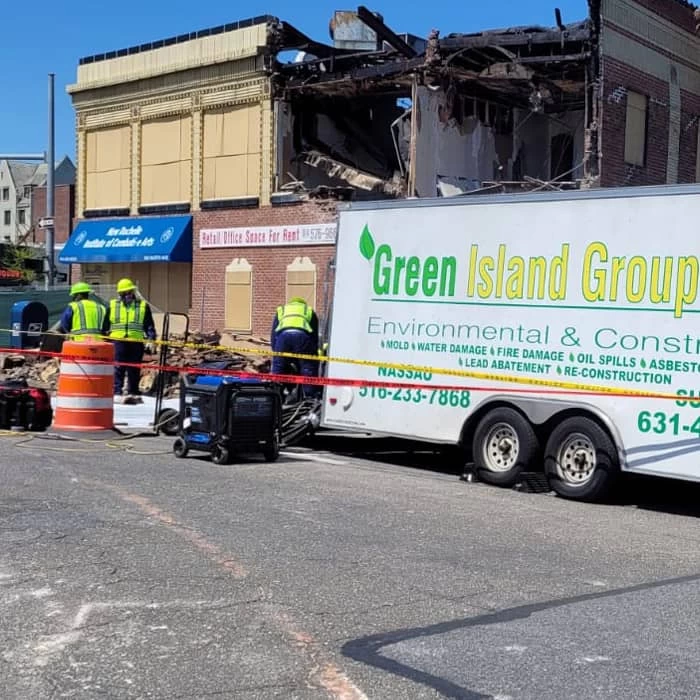
When fire hits a home on Long Island’s South Shore, the clock starts immediately. We respond fast, handle everything from smoke remediation to full reconstruction, and don’t leave until your Sayville home is genuinely restored.
I needed a professional consultation explanation of procedure for safe removal of Asbestos in my apartment complex. Without having an account yet, I was very impressed with the caring, knowledgeable and generous advice offered by Jessica, and will look forward to doing business in the future. Thank you so much! I feel much more informed about a sometimes scary endeavor. Peace. Nancy Silva Mineola, NY.
Mia Munoz
Used this company to clean up some water flood in my house. They were fast and easy to work with.very professional, Would recommend to anyone!
Nini Valle
Great company, had a flood and they responded quickly and efficiently. Billed my insurance company directly. I highly recommend this company!
joe colapietro, jr
I had pipe freeze in my basement right before a snow storm and they made to within an hour to help start the clean up process. They we by our side throughout the entire process and even helped with the insurance company. They did such a great job with the cleanup, repair, remidiation, I contracted them to perform the repairs and finishes in the basement. They came with enough manpower and material to get the job done. Leo and Jessica were nothing but a pleasure to deal with!!
Cristian Arredondo c
I had some water damage in my home and Green Island was able to take care of my issue quickly and effectively. I am very pleased with the work they did. They responded quickly and were very professional.
Michael M
Outstanding service! From the office to the field crew everyone was friendly, helpful and responsive. I highly recommend Green Island Group.
What Changes When the Restoration Is Done Completely
Most homeowners don’t realize how far fire damage actually travels. The visible burn is one thing but smoke moves through wall cavities, gets pulled into HVAC systems, and settles into rooms that never saw a flame. In Sayville’s older homes, where construction is less airtight than modern builds, that migration can be extensive. If it’s not fully addressed, you’re left with lingering odor, compromised air quality, and hidden damage that shows up later.
Sayville’s coastal position along the Great South Bay adds another layer. The elevated humidity that comes with South Shore living accelerates mold growth when firefighting suppression water is left unaddressed sometimes within 24 to 48 hours. A home that sits near the water, or in a lower-lying area with pre-existing moisture exposure, faces a faster timeline than an inland property. That’s the reality of this specific environment, and it’s why response time matters more here than in most places.
When fire damage restoration is done completely not just visually you get your home back. The smell is gone. The air is clean. The structure is sound. If your Sayville home is one of the historic or older properties near the waterfront, it’s been treated with the care those materials actually require, not just gutted and rebuilt with whatever was cheapest and fastest.
We’re a locally owned restoration company based on Long Island, serving Sayville and the surrounding South Shore communities in Suffolk County. We’re not a franchise. There’s no national call center routing your job to whoever’s available. When you call, you reach the same team that shows up, manages the project, and sees it through to the end.
That matters in Sayville a community where homes near the Meadow Croft waterfront or along the older residential streets off Montauk Highway carry real historical and architectural value. These aren’t cookie-cutter properties, and they don’t respond well to cookie-cutter restoration. Our team understands the difference between a home that needs cleanup and a home that needs to be genuinely restored.
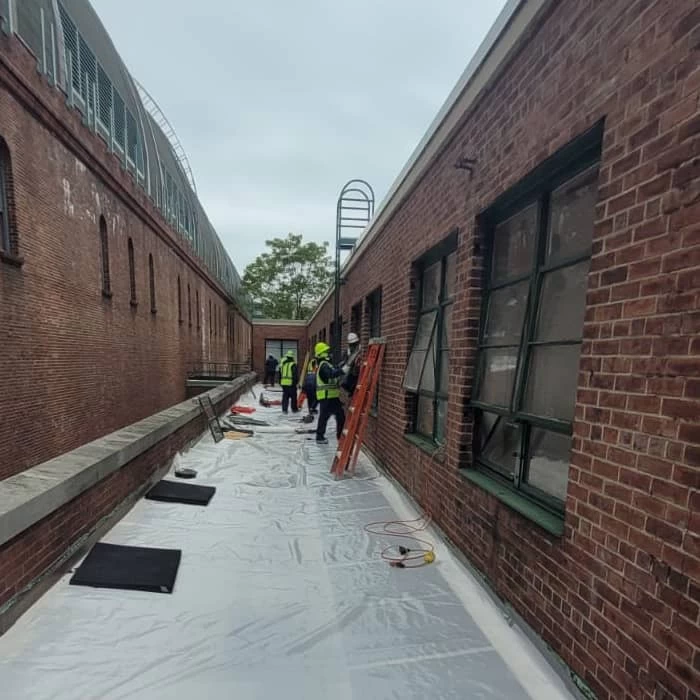
We handle every phase in-house: emergency stabilization, smoke and soot remediation, water extraction, environmental testing, asbestos abatement for older homes, mold prevention, structural repair, and full reconstruction. One team, one point of contact, from the first call to the final walkthrough.
From Emergency Call to Finished Home Here's the Actual Process
It starts the moment you call. Our response time is measured in minutes, not hours because in a coastal community like Sayville, every hour that passes after a fire is an hour that suppression water is sitting in your walls, soot is etching into your surfaces, and the scope of the job is quietly expanding. The first priority is stabilizing the property: boarding up openings, extracting standing water, and preventing secondary damage from spreading.
From there, we conduct a thorough assessment not just of what burned, but of where smoke traveled, what materials were disturbed, and whether your home’s age creates any environmental concerns. Many Sayville homes were built before 1980, which means asbestos-containing materials may have been present in insulation, floor tiles, or ceiling finishes. If fire disturbed those materials, that gets identified and addressed under New York State Department of Labor certification requirements before any other work moves forward. This isn’t optional it’s a legal and safety requirement, and it’s something not every restoration company is equipped to handle.
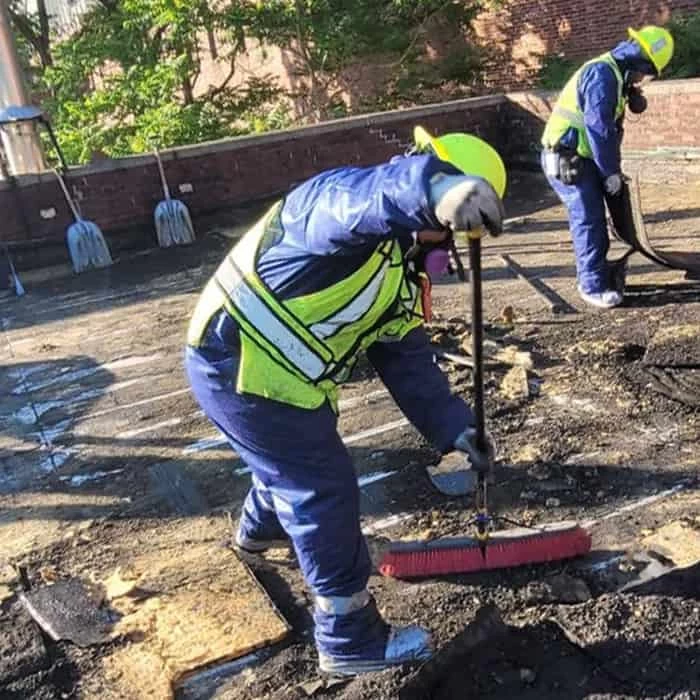
Once the environment is safe, the remediation work begins in earnest: odor neutralization, air scrubbing, soot removal, and surface treatment throughout the full affected area. After remediation is verified, reconstruction begins structural repairs, finishes, and any rebuilding needed to return the home to its pre-fire condition. We pull all permits through the Town of Islip and coordinate directly with your insurance adjuster throughout the entire process so you’re not navigating that alone.
Everything the Job Actually Requires Handled Under One Roof
Fire damage restoration in Sayville isn’t a single service it’s a sequence of interconnected work that has to be done in the right order by people who know what they’re doing. We cover the full scope: emergency response and property stabilization, smoke and soot remediation, water extraction and drying from firefighting suppression, odor elimination, air quality testing, asbestos and lead paint abatement where applicable, mold prevention, structural repair, and complete reconstruction through final finishes.
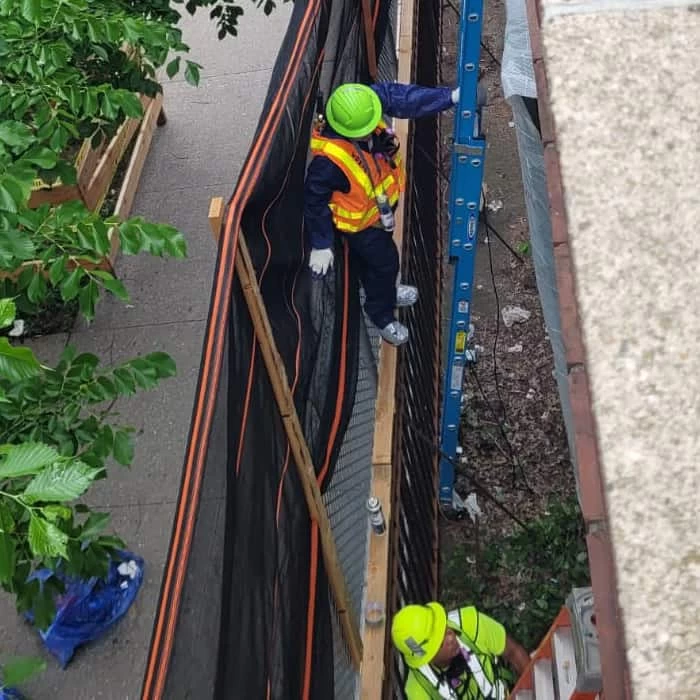
The asbestos piece is worth addressing directly. A significant portion of Sayville’s housing stock predates 1980 particularly the homes closest to the water and in the older residential areas off River Road and Montauk Highway. When fire damages materials in these homes, there’s a real possibility that asbestos fibers have been disturbed and dispersed. We hold the certifications required by the New York State Department of Labor to perform this abatement legally and safely. That’s not a minor detail it’s the difference between a home that’s genuinely safe to return to and one that isn’t.
Insurance coordination is built into our process, not offered as an afterthought. We document damage using Xactimate-aligned pricing the same estimating framework your insurance adjuster uses and work directly with your carrier throughout the claim. For Sayville homeowners with properties valued at $650,000 or more, getting that documentation right from the start is the difference between a fair settlement and a shortfall that comes out of your pocket.
How quickly does fire damage get worse if I wait to call?
Faster than most people expect. Soot begins permanently bonding to surfaces walls, ceilings, countertops, fixtures within 24 to 72 hours of a fire. Once that happens, what could have been cleaned now has to be replaced. Smoke odor compounds at the same rate, penetrating porous materials like drywall, wood framing, and insulation the longer it sits.
In Sayville specifically, the coastal humidity along the South Shore accelerates the secondary damage from firefighting water. Mold can begin developing in as little as 24 to 48 hours in a moisture-rich environment and Sayville’s proximity to the Great South Bay means moisture levels in and around the home are already elevated before the fire department ever arrives. Calling the same day makes the difference between a manageable restoration and a significantly larger project.
Does homeowners insurance actually cover fire damage restoration in New York?
In most cases, yes fire damage is one of the most commonly covered perils under standard homeowners insurance policies in New York. That includes the structure itself, personal property, and in many cases, additional living expenses if the home is uninhabitable during restoration. But the coverage you receive depends heavily on how the damage is documented and how the claim is submitted.
Insurance adjusters work from their own scope of work and their own pricing. If your restoration contractor isn’t using the same documentation standards specifically Xactimate-aligned estimates you can end up with a settlement that doesn’t reflect the actual cost of restoring a home to its pre-fire condition. For a Sayville homeowner with a property valued at $650,000 or more, that gap can be tens of thousands of dollars. We coordinate directly with your adjuster and document everything to the standard the carrier expects, so you’re not leaving money on the table or fighting for coverage after the fact.
My Sayville home is older does that change what fire restoration involves?
It does, and it’s important to understand why before any work begins. Homes built before 1980 which includes a large portion of Sayville’s housing stock, particularly in the waterfront areas and along the older residential streets frequently contain asbestos-containing materials. These can include insulation around pipes and in attic spaces, floor and ceiling tiles, and certain roofing materials. When fire damages these areas, asbestos fibers can be released and spread throughout the home.
Before any demolition, cleaning, or reconstruction begins in an older Sayville home, the property needs to be assessed for asbestos and, if present, properly abated by a contractor certified under New York State Department of Labor requirements. Skipping this step isn’t just a safety risk it’s a legal violation. We hold the required certifications and handle this as a standard part of the process in older Sayville homes. Homes built before 1978 may also contain lead-based paint, which requires compliance with EPA Renovation, Repair, and Painting rules whenever surfaces are disturbed. Both issues are addressed before any other restoration work moves forward.
Will the smoke smell ever fully go away after a house fire?
Yes but only if it’s treated properly. Smoke odor doesn’t just sit on surfaces; it penetrates into porous materials like drywall, wood framing, insulation, and soft furnishings. Spraying an air freshener or running a fan doesn’t touch it. The odor has to be neutralized at the molecular level, which requires professional-grade equipment and the right sequence of treatments.
The standard approach involves a combination of thermal fogging, ozone treatment, and hydroxyl generation each targeting odor compounds in different ways and in different materials. Air scrubbers run throughout the process to capture particulates. In Sayville’s older homes, where construction materials are more porous and wall cavities less sealed, smoke tends to migrate further than in newer builds, which means the treatment area often extends well beyond the rooms that were visibly burned. After remediation is complete, air quality testing confirms the results before the home is considered ready for return. The goal isn’t a home that smells okay it’s a home that smells like nothing happened.
How long does fire damage restoration typically take from start to finish?
It depends on the scope of the damage, but most residential fire restoration projects fall somewhere between two weeks and several months. A contained kitchen fire with smoke migration to adjacent rooms might be fully remediated and reconstructed in two to four weeks. A fire that affected multiple rooms, required asbestos abatement, or caused significant structural damage will take longer sometimes three to six months for full reconstruction.
In Sayville, a few local factors can affect the timeline. Permits for structural repair and reconstruction are issued through the Town of Islip’s Department of Planning and Development, and permit processing times vary. If asbestos abatement is required, that phase must be completed and cleared before reconstruction begins which adds time but cannot be skipped. We manage the permit process and communicate realistic timelines from the start, so you’re not getting a two-week estimate that quietly becomes a three-month project. If your home is uninhabitable during the work, your insurance policy’s additional living expenses coverage may apply something we can help you document and submit properly.
What should I do immediately after a fire in your Sayville home?
The first call is to 911 if the fire is still active or if there’s any question about safety. Once the fire department has cleared the scene, the next call should be to a restoration company not to wait and see, and not to start cleaning things yourself. Disturbing soot and smoke residue without proper containment can spread contamination further through the home, and in an older Sayville property, it can also disturb materials that require certified handling.
Document everything you can see before anything is touched photos and video of every affected room, every damaged surface, every item. This documentation is the foundation of your insurance claim, and the more thorough it is, the stronger your position with the adjuster. Then call us. We’ll respond quickly, assess the full scope of damage, handle emergency stabilization to prevent further loss, and begin coordinating with your insurance carrier. You don’t need to figure out the order of operations or manage multiple contractors that’s what we’re here for, from the first call through the day you walk back into a fully restored home.