Sea Cliff's Victorian Homes Deserve More Than a Generic Restoration Crew
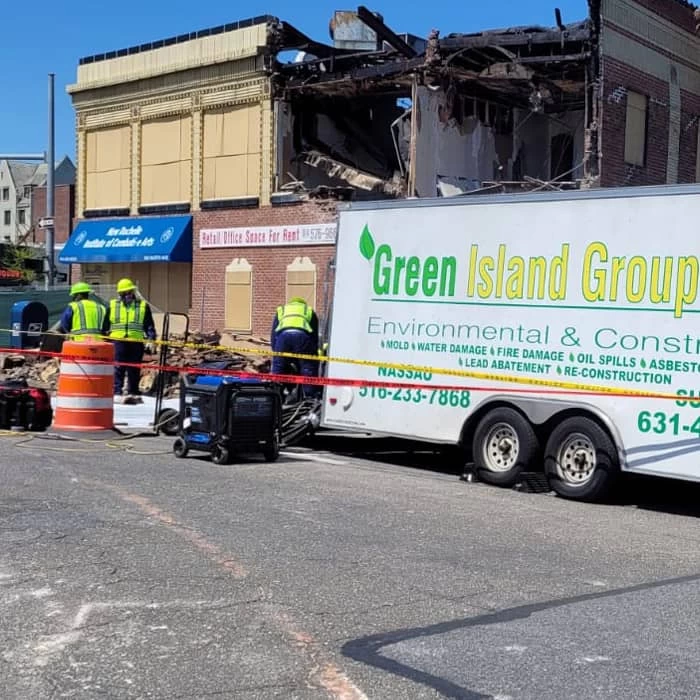
When fire hits a home that was built in the 1930s — with original plaster, old wiring, and materials that haven’t been manufactured in decades — you need fire damage restoration that actually understands what’s inside those walls.
I needed a professional consultation explanation of procedure for safe removal of Asbestos in my apartment complex. Without having an account yet, I was very impressed with the caring, knowledgeable and generous advice offered by Jessica, and will look forward to doing business in the future. Thank you so much! I feel much more informed about a sometimes scary endeavor. Peace. Nancy Silva Mineola, NY.
Mia Munoz
Used this company to clean up some water flood in my house. They were fast and easy to work with.very professional, Would recommend to anyone!
Nini Valle
Great company, had a flood and they responded quickly and efficiently. Billed my insurance company directly. I highly recommend this company!
joe colapietro, jr
I had pipe freeze in my basement right before a snow storm and they made to within an hour to help start the clean up process. They we by our side throughout the entire process and even helped with the insurance company. They did such a great job with the cleanup, repair, remidiation, I contracted them to perform the repairs and finishes in the basement. They came with enough manpower and material to get the job done. Leo and Jessica were nothing but a pleasure to deal with!!
Cristian Arredondo c
I had some water damage in my home and Green Island was able to take care of my issue quickly and effectively. I am very pleased with the work they did. They responded quickly and were very professional.
Michael M
Outstanding service! From the office to the field crew everyone was friendly, helpful and responsive. I highly recommend Green Island Group.
What Gets Saved Matters as Much as What Gets Rebuilt
In most Long Island towns, fire restoration is fairly straightforward — demo the damage, dry it out, rebuild. Sea Cliff is different. More than half the homes here were built before World War II. That means original plaster ceilings, Victorian millwork, hardwood floors laid over a century ago, and architectural details you simply cannot replicate with a trip to a lumber yard. The goal isn’t just to restore your home to code — it’s to restore it to what it was.
Smoke is the part most people underestimate. Flame damage is visible. Smoke isn’t. It travels through wall cavities, HVAC ductwork, and every gap in a structure — and in a pre-war Sea Cliff home with the kind of porous plaster and dense wood framing common throughout the village, soot embeds fast and deep. Every hour you wait, it bonds harder to the surfaces it touches. This is just chemistry.
Sea Cliff’s position on the bluff above Long Island Sound adds another layer. The coastal humidity here accelerates everything. Mold from firefighting water can take hold within 24 hours in conditions like this. Getting the right crew on-site quickly — one that can extract water, dry the structure, and address smoke damage simultaneously — is the difference between a contained restoration and a months-long project.
We are an IICRC-certified restoration company serving Nassau County, including Sea Cliff and the broader North Shore communities around Glen Cove. With over 5,000 completed restoration projects across New York State, we don’t learn on your property.
What separates us from most restoration companies in this area is the ability to take a job all the way through. We hold a Nassau County General Contractor license, a NYS DOL Asbestos License, and USEPA Lead/RRP Certification — credentials that matter enormously in a village where the median home was built in 1938 and virtually every structure contains asbestos and lead paint. Most restoration companies stop at cleanup and hand you off to someone else for the rebuild. We don’t.
We also bill insurance companies directly, which removes one of the biggest burdens from a homeowner in Sea Cliff who is already dealing with displacement, disruption, and the stress of protecting a home they’ve invested everything in.
From the First Call to Move-Back-In Day — Here's What to Expect
The first step is getting someone on-site fast. We are available 24 hours a day, every day of the year, and can reach Sea Cliff within one hour of your call. That first visit isn’t just a look around — it’s an immediate assessment of structural safety, active smoke migration, and water saturation from firefighting. Board-up and emergency stabilization happen the same day if needed.
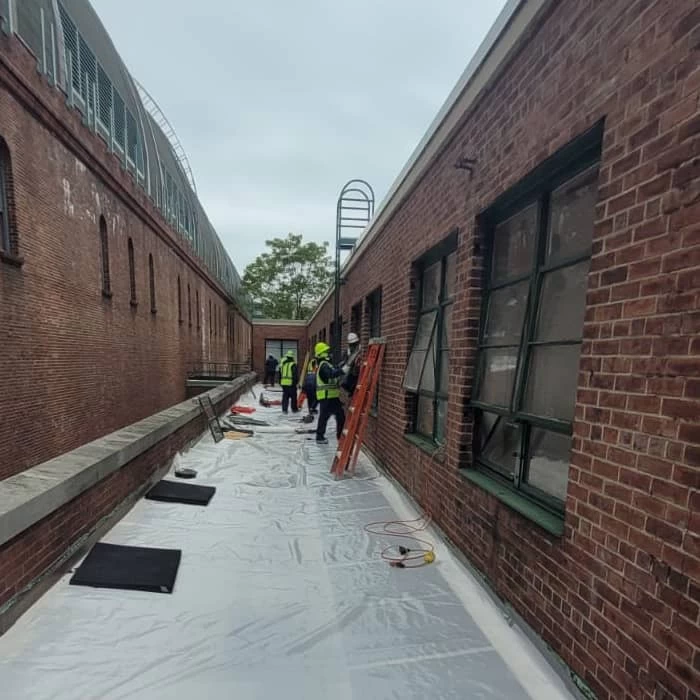
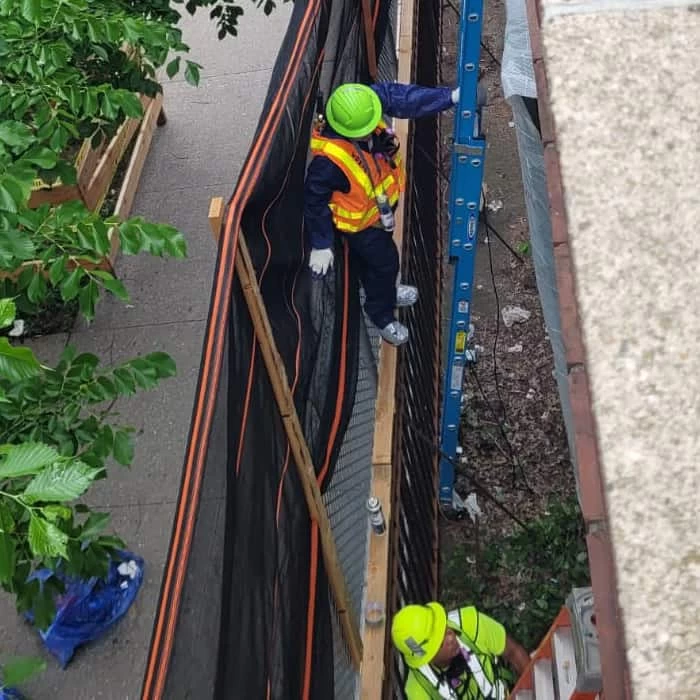
From there, the full scope of damage gets documented thoroughly — not just for your peace of mind, but for your insurance claim. In a Sea Cliff home with pre-war construction, that documentation often includes asbestos and lead testing before any demolition begins. This is a legal requirement in Nassau County, and skipping it isn’t an option. We handle that testing and any required abatement in-house, which keeps the timeline moving without the delays that come from coordinating with outside subcontractors.
Once the hazardous materials are addressed and the structure is stabilized, the restoration begins — soot removal, odor elimination, structural drying, and then reconstruction. Because we hold a Nassau County General Contractor license, we can rebuild what was damaged without handing the project off. If your home is subject to review by Sea Cliff’s Board of Architectural Review — which governs exterior work throughout the village — we navigate that permit process as part of the job, not as an afterthought.
Built for the Homes Sea Cliff Actually Has — Not the Ones Built Last Decade
Fire damage restoration in Sea Cliff isn’t a single service — it’s a sequence of licensed, coordinated work that has to account for what’s actually inside these homes. Our process covers emergency response and board-up, complete smoke and soot removal, HVAC cleaning and decontamination, water extraction and structural drying, asbestos and lead abatement, odor elimination using ozone and thermal fogging, and full reconstruction under a Nassau County General Contractor license. It’s one company handling every phase — not a cleanup crew that disappears when the demo is done.
Oil heat is the norm on the North Shore, and puff-backs — where an oil burner backfires and coats the interior of a home in soot — are one of the most common calls we receive in communities like Sea Cliff. In a Victorian-era home with original plaster walls and intricate trim work, that soot gets into everything. The remediation process for a puff-back is the same as for a structural fire: full surface cleaning, HVAC decontamination, odor treatment, and documentation for your insurance carrier.
If your home is a designated landmark or falls under Sea Cliff’s Architectural Design Review Law, the reconstruction phase requires more than a standard building permit. We understand that process and work within it — which means no surprises, no permit denials, and no delays from a contractor who didn’t know Sea Cliff had its own Board of Architectural Review.
Does fire damage restoration in Sea Cliff require asbestos testing before any work begins?
In most Sea Cliff homes, yes — and it’s not optional. New York State law requires asbestos testing before any demolition or disturbance of building materials in structures where asbestos-containing materials are likely to be present. Given that the majority of Sea Cliff’s homes were built before 1940, asbestos in pipe insulation, floor tiles, ceiling tiles, and joint compound should be assumed until testing proves otherwise. A contractor who skips this step is either unaware of the law or ignoring it — either way, that’s a liability that falls on you as the homeowner.
We hold a NYS DOL Asbestos License and handle all testing and abatement in-house. That means you’re not waiting on a separate environmental company to clear the site before restoration can move forward. It keeps the timeline intact and keeps the legal responsibility where it belongs — with a licensed contractor who knows exactly how to handle it.
How quickly does smoke damage spread through a home after a fire?
Faster than most people expect. Smoke doesn’t stay where the fire was — it travels through HVAC ductwork, wall cavities, and structural gaps throughout the entire structure within hours. In a pre-war Sea Cliff home with original plaster walls and dense wood framing, smoke penetrates more aggressively than it would in a newer home with drywall construction. By the time a fire is extinguished and the scene is cleared, soot may already be present in rooms far from the source.
The chemistry behind this matters. Soot is acidic, and the longer it sits on a surface, the more permanently it bonds. Metal fixtures begin to corrode within hours. Porous materials like plaster, wood, and upholstery absorb odor compounds that become increasingly difficult to neutralize the longer they’re left untreated. This is why response time is one of the most consequential decisions you make after a fire — not just for the structure, but for the total cost of the restoration.
Will my homeowner's insurance cover the full cost of fire restoration in Sea Cliff?
It depends on your policy, but most standard homeowners’ insurance policies do cover fire damage restoration — including smoke damage, water damage from firefighting, and structural repairs. The more important question is whether your claim will be documented well enough to support full coverage. Insurance adjusters work from documented scope, and a restoration company that doesn’t provide thorough, itemized documentation can leave significant costs uncovered.
We bill insurance companies directly and document every phase of the restoration with the level of detail that adjusters require. For Sea Cliff homeowners, this is particularly relevant because fire restoration in a pre-war home often involves costs that a standard adjuster may not anticipate — asbestos abatement, lead paint remediation, and the restoration of historic architectural details that can’t simply be replaced with standard materials. Having a restoration company that knows how to document and communicate those costs to your carrier makes a real difference in what gets covered.
Does Sea Cliff's Board of Architectural Review affect post-fire reconstruction?
It can, and it’s something most out-of-area contractors don’t know about until it causes a delay. Under Sea Cliff’s Architectural Design Review Law, exterior work on structures throughout the village may require review and approval from the Board of Architectural Review before a building permit is issued. For a post-fire reconstruction project that affects the exterior of a home — roofing, siding, windows, porch elements — this review is not optional. Submitting an incomplete application or starting work without the proper approvals can result in stop-work orders and significant project delays.
If your property is a designated landmark or is listed on the National Register of Historic Places — and Sea Cliff has over 50 landmark buildings — the Landmarks Preservation Commission may also have jurisdiction over the scope of your reconstruction. We are familiar with these local requirements and incorporate the permit process into the project timeline from the start, so the regulatory side of the job doesn’t become a surprise halfway through.
What is an oil burner puff-back, and is it treated the same as fire damage?
A puff-back happens when an oil-fired furnace backfires — instead of igniting cleanly, it releases a pressurized burst of unburned fuel and soot that gets pushed through the heating system and into the living space. The result is a fine, oily soot coating on walls, ceilings, furniture, and personal belongings throughout the home. There’s no open flame, but the contamination can be just as extensive as a structural fire — sometimes more so, because the soot travels through every duct and vent in the house before anyone realizes what happened.
Puff-backs are extremely common on the North Shore, where oil heat is the norm and many homes — including most in Sea Cliff — have aging heating systems. The remediation process mirrors fire damage restoration: full surface cleaning, HVAC decontamination, odor treatment, and insurance documentation. In a Sea Cliff Victorian with original plaster walls and detailed millwork, puff-back soot requires careful, surface-specific cleaning to avoid damaging irreplaceable original materials. This is work that requires experience with older homes, not just a general cleaning crew.
How long does fire damage restoration typically take for a Sea Cliff home?
The honest answer is that it varies significantly depending on the scope of the damage, but a realistic range for a Sea Cliff home is anywhere from two to three weeks for contained smoke and water damage up to three to six months for a major structural loss requiring full reconstruction. The age and complexity of Sea Cliff’s housing stock adds time to the process that wouldn’t apply in a newer home — asbestos testing and abatement, lead paint protocols, and the permit review process through the village’s Building Department all have their own timelines.
What affects the timeline most is how quickly the process starts and how well it’s managed from the beginning. Delays in water extraction lead to mold growth. Incomplete asbestos testing leads to work stoppages. Permit applications that don’t account for Sea Cliff’s Board of Architectural Review get sent back for revision. We manage all of these moving parts in-house, which compresses the timeline as much as the scope of damage allows — and keeps you informed at every stage so you’re not left wondering what’s happening with your home.