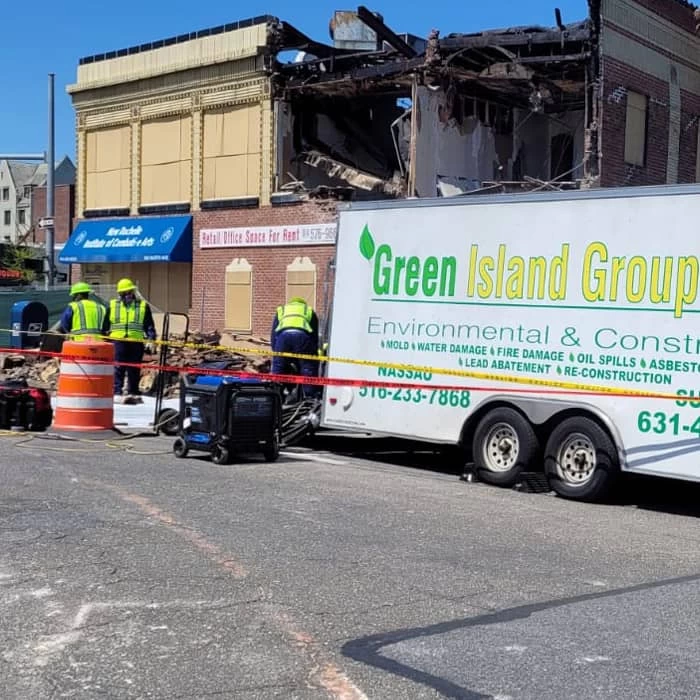
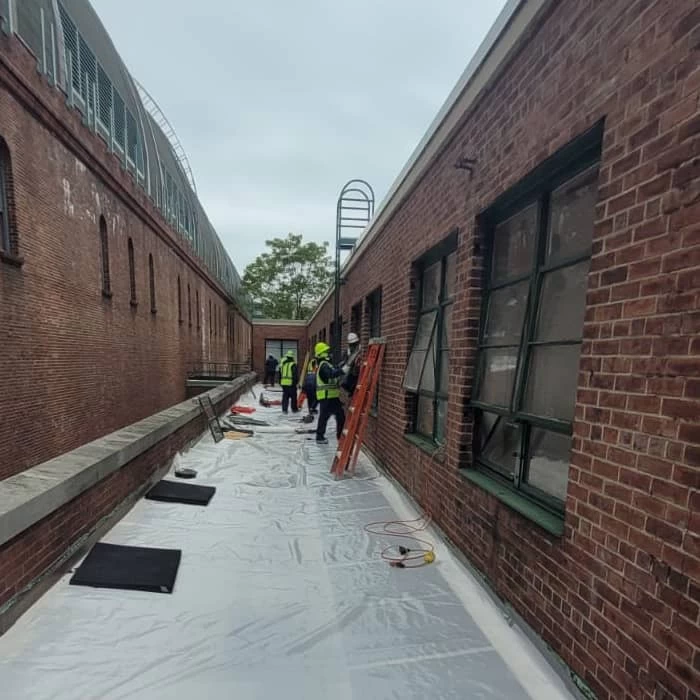
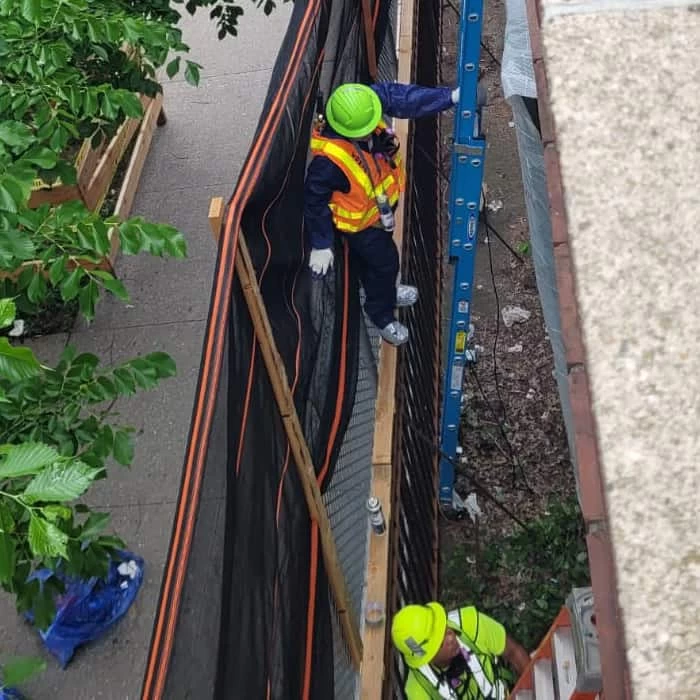
Fire damage gets worse by the hour and on Shelter Island, every hour counts twice. We come to you, ferry and all, ready to handle everything from smoke cleanup to full reconstruction.
I needed a professional consultation explanation of procedure for safe removal of Asbestos in my apartment complex. Without having an account yet, I was very impressed with the caring, knowledgeable and generous advice offered by Jessica, and will look forward to doing business in the future. Thank you so much! I feel much more informed about a sometimes scary endeavor. Peace. Nancy Silva Mineola, NY.
Mia Munoz
Used this company to clean up some water flood in my house. They were fast and easy to work with.very professional, Would recommend to anyone!
Nini Valle
Great company, had a flood and they responded quickly and efficiently. Billed my insurance company directly. I highly recommend this company!
joe colapietro, jr
I had pipe freeze in my basement right before a snow storm and they made to within an hour to help start the clean up process. They we by our side throughout the entire process and even helped with the insurance company. They did such a great job with the cleanup, repair, remidiation, I contracted them to perform the repairs and finishes in the basement. They came with enough manpower and material to get the job done. Leo and Jessica were nothing but a pleasure to deal with!!
Cristian Arredondo c
I had some water damage in my home and Green Island was able to take care of my issue quickly and effectively. I am very pleased with the work they did. They responded quickly and were very professional.
Michael M
Outstanding service! From the office to the field crew everyone was friendly, helpful and responsive. I highly recommend Green Island Group.
A fire doesn’t just burn what it touches. Smoke travels through every vent, every wall cavity, every room that never saw a flame and soot starts permanently bonding to surfaces within 24 to 72 hours. The faster restoration begins, the less you lose. On Shelter Island, that window matters more than anywhere else, because getting a qualified crew across the water takes coordination that most companies simply aren’t prepared for.
For seasonal homeowners on Shelter Island, that urgency is even sharper. If your property sits vacant between fall and spring as many do on the island a fire that goes undetected for even a few hours can compound into a much larger loss. Firefighting water alone can trigger mold growth within 24 to 48 hours. What started as fire damage becomes a water and mold problem on top of it, and suddenly the scope has tripled.
Shelter Island’s housing stock adds another layer. Many of the homes in Shelter Island Heights and Dering Harbor were built decades ago some over a century ago and carry real environmental complexity: older electrical systems, aging insulation, and materials that require certified handling before any rebuild can begin. You need a company that can manage all of it, not one that handles the cleanup and leaves you to find someone else for the rest.
One Team From the First Call to the Final Walkthrough
Green Island Group is a locally owned restoration company based on Long Island, serving Shelter Island and the surrounding Suffolk County area. We handle every phase of fire damage recovery under one roof: emergency response, smoke and soot remediation, water extraction, environmental abatement, demolition, and full reconstruction. You never have to track down a separate contractor to finish what we started.
What sets us apart isn’t a tagline. It’s that our clients from Greenport to the South Fork consistently name the same people when they leave reviews. You get a real point of contact who knows your job from day one, answers your calls, and keeps you informed whether you’re standing in your living room or managing the situation from the city.
We understand what it means to serve a community like Shelter Island. The ferry is real, the logistics are real, and the homes here many of them historic, many of them irreplaceable to the families who own them deserve a team that takes all of that seriously.
Fire Damage Restoration Process, Shelter Island NY
What Happens After You Call, Step by Step
The first thing we do is mobilize. That means getting the right crew, the right equipment, and the right materials staged and moving toward the North Ferry in Greenport or the South Ferry from North Haven whichever gets us to your Shelter Island property fastest. We don’t figure out the ferry after you call. We know how it works, and we move accordingly.
Once on-site, we assess the full scope of damage not just what burned, but where smoke traveled, where firefighting water penetrated, and whether any environmental hazards like asbestos or lead paint were disturbed by the fire. In older Shelter Island homes, this step matters more than most people expect. We document everything thoroughly, because that documentation is what drives your insurance claim. We work directly with your adjuster so the full picture is captured from the start.
From there, remediation begins immediately: soot removal, smoke odor treatment, water extraction, and any necessary environmental abatement handled in-house. Once the structure is clean and cleared, we move into reconstruction framing, drywall, finishes, and everything else needed to bring your home back to what it was. The Town of Shelter Island Building Department requires permits for restoration and reconstruction work, and we handle that process as part of the job. You shouldn’t have to chase paperwork while you’re dealing with this.
Fire and Smoke Damage Restoration Services, Shelter Island
Every Phase Covered, Nothing Left for You to Chase Down
Fire damage restoration on Shelter Island isn’t a one-step job, and it’s not something you want to piece together across multiple contractors each of whom has to load their equipment on a ferry just to show up. We handle the full scope in sequence, without handoffs: emergency board-up and securing of the property, complete smoke and soot remediation, water damage extraction and drying, mold prevention and remediation, asbestos and lead paint abatement where required, structural demolition of compromised materials, and full reconstruction through final finishes.
The environmental piece is worth calling out specifically. A significant portion of Shelter Island’s homes particularly in Shelter Island Heights and the historic resort properties around Dering Harbor were built or renovated before the materials we now know to be hazardous were regulated. When fire disturbs those materials, certified abatement is required before reconstruction can legally begin. We hold the New York State credentials to handle that work, which means no waiting on a separate environmental contractor to cross the water before your rebuild can start.
We also work directly with your insurance company throughout the process. From initial damage documentation to final scope approval, we make sure your claim reflects the actual extent of what was lost not a minimized version that leaves you covering costs out of pocket. For high-value properties on Shelter Island, that advocacy is a real part of what we do.
Can a fire damage restoration company actually get to Shelter Island quickly?
Yes but it requires a company that’s actually prepared for it. Shelter Island is only accessible by ferry, which means every contractor, every piece of equipment, and every supply has to come across either the North Ferry from Greenport or the South Ferry from North Haven. Companies that claim to serve “all of Suffolk County” sometimes balk when they realize what that actually involves here.
We’re Long Island-based and have genuine experience navigating East End logistics. When you call, we don’t start figuring out the ferry we start loading. Our goal is to have a crew on Shelter Island and on-site as fast as the crossing allows, because the 24 to 72-hour window for soot damage is just as real on the island as it is anywhere else. Delay costs you more. We plan around that from the moment you call.
What does fire damage restoration actually include from start to finish?
It’s more than most people expect when they first call. The fire itself is only part of the damage. Smoke travels through HVAC systems, wall cavities, and soft materials throughout the home including rooms that never had flames. Firefighting water creates a secondary moisture problem that can lead to mold within 24 to 48 hours if it isn’t extracted and dried properly. In older homes, the fire may have disturbed hazardous materials that require certified abatement before reconstruction can begin.
A complete fire damage restoration scope covers emergency securing of the property, smoke and soot remediation, water extraction and structural drying, mold prevention, environmental abatement where required, demolition of compromised materials, and full reconstruction through finished surfaces. We handle every one of those phases in-house. You’re not coordinating between a remediation company and a general contractor one team manages the entire job, from the first emergency call to the final walkthrough.
Does homeowners insurance cover fire damage restoration on Shelter Island, NY?
In most cases, yes standard homeowners insurance covers fire damage restoration, including smoke and soot remediation, water damage from firefighting suppression, and structural reconstruction. But the coverage you actually receive depends heavily on how well the damage is documented and how the claim is submitted. Insurers don’t automatically pay for everything that was lost they pay for what’s properly documented and supported.
For high-value properties on Shelter Island, where median home values run well above $2 million, this matters enormously. A claim that’s poorly documented or submitted without a full scope can result in a settlement that falls significantly short of the actual loss. We work directly with your insurance adjuster throughout the process from initial damage assessment through final scope approval to make sure your claim reflects the real extent of what happened. That’s not a side service. It’s a core part of how we work.
How does fire damage affect older homes in Shelter Island Heights or Dering Harbor?
Older homes carry more complexity when fire damage occurs, and Shelter Island has a significant concentration of them. Many properties in Shelter Island Heights date back to the Victorian era and early resort period some over a hundred years old. Dering Harbor’s historic properties are similarly aged. These homes often contain materials that were standard at the time of construction but are now regulated: asbestos in insulation, floor tiles, and pipe wrap; lead paint in pre-1978 surfaces; and older electrical systems that may complicate both the fire investigation and the rebuild.
When fire disturbs any of those materials, New York State law requires certified abatement before reconstruction can legally proceed. That’s not optional, and it’s not something a standard general contractor is licensed to handle. We hold the environmental remediation credentials to manage asbestos abatement and lead paint compliance in-house, which means your project doesn’t stall waiting for a separate environmental contractor to make the ferry crossing before the real work can begin.
How long does fire damage restoration take for a Shelter Island home?
It depends on the scope, but most homeowners want a realistic range rather than a vague answer. A smaller fire with contained smoke damage and no structural loss might be fully remediated and restored in two to four weeks. A more significant fire involving structural damage, environmental abatement, and full reconstruction can take two to four months or longer especially when permit timelines with the Town of Shelter Island Building Department are factored in.
For seasonal homeowners on Shelter Island, timing is a real concern. If a fire occurs in the fall or winter, the goal is typically to have the property restored and ready before the summer season. That requires a company that moves efficiently through each phase without unnecessary delays between remediation, abatement, and reconstruction. Because we handle every phase in-house, there’s no waiting for handoffs between separate contractors which is one of the most common causes of extended timelines in fire restoration projects.
What should I do immediately after a fire at my Shelter Island property?
The first call should be to your insurance company to report the loss and open a claim. The second call should be to a restoration company that can mobilize immediately because the damage clock starts the moment the fire is out. Soot begins permanently etching surfaces within 24 to 72 hours. Moisture from firefighting water creates mold risk within 24 to 48 hours. Every hour before remediation begins is an hour of additional, preventable damage.
If you’re a seasonal homeowner and you’re not on Shelter Island when the fire occurs, that’s not a reason to wait. We can arrive on-site, secure the property, document the full extent of the damage for your insurance claim, and begin protective measures all before you’ve made it back from the city. We’ll keep you informed throughout with direct communication from the same point of contact, not a rotating crew and a call center. For a property on Shelter Island, where getting anyone across the water takes planning, having a company that’s already prepared for that reality makes a genuine difference from the very first hour.