When a North Shore Home Burns, the Clock Starts Immediately
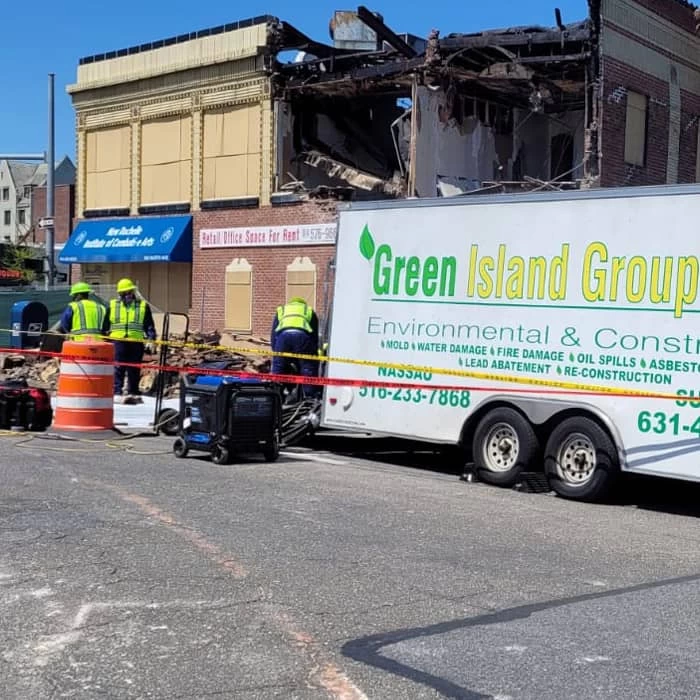
Soot etches. Smoke travels. Water from the hoses sits in your walls. We respond fast to fire damage in Sound Beach and handle everything through full restoration.
I needed a professional consultation explanation of procedure for safe removal of Asbestos in my apartment complex. Without having an account yet, I was very impressed with the caring, knowledgeable and generous advice offered by Jessica, and will look forward to doing business in the future. Thank you so much! I feel much more informed about a sometimes scary endeavor. Peace. Nancy Silva Mineola, NY.
Mia Munoz
Used this company to clean up some water flood in my house. They were fast and easy to work with.very professional, Would recommend to anyone!
Nini Valle
Great company, had a flood and they responded quickly and efficiently. Billed my insurance company directly. I highly recommend this company!
joe colapietro, jr
I had pipe freeze in my basement right before a snow storm and they made to within an hour to help start the clean up process. They we by our side throughout the entire process and even helped with the insurance company. They did such a great job with the cleanup, repair, remidiation, I contracted them to perform the repairs and finishes in the basement. They came with enough manpower and material to get the job done. Leo and Jessica were nothing but a pleasure to deal with!!
Cristian Arredondo c
I had some water damage in my home and Green Island was able to take care of my issue quickly and effectively. I am very pleased with the work they did. They responded quickly and were very professional.
Michael M
Outstanding service! From the office to the field crew everyone was friendly, helpful and responsive. I highly recommend Green Island Group.
Your Sound Beach Home Restored Not Just Cleaned Up
After a fire, the visible damage is only part of what you’re dealing with. Smoke moves through HVAC systems, settles into wall cavities, and contaminates rooms that never saw a flame. In Sound Beach’s older homes many of them original 1920s and 1940s summer cottages converted to year-round living after World War II those wall cavities are less sealed, the ductwork is older, and smoke has more places to hide. Surface cleaning alone doesn’t fix that. A real restoration does.
There’s also the water. Firefighting suppression leaves serious moisture behind, and in a tightly constructed north shore home, that moisture doesn’t just dry on its own. Mold can begin developing within 24 to 48 hours. The faster our crew is on-site extracting water, drying the structure, and containing the damage the less of your home ends up needing to be replaced instead of restored.
Sound Beach also sits adjacent to the Long Island Pine Barrens, which creates a wildfire interface risk that most South Shore communities simply don’t have. Whether the fire started in your kitchen or moved toward your property from outside, the restoration process is the same: thorough, documented, and handled by people who know exactly what they’re doing in this part of Suffolk County.
We’re a locally owned Long Island restoration company not a franchise, not a call center. When you reach out, you’re talking to the people who will actually manage your project, from the first emergency call through the final walkthrough. Customers have named specific team members by name in their reviews. That’s not an accident it’s how we operate.
Sound Beach falls within our active Suffolk County service territory, and we know north shore housing. We understand what it means to work in a 1960s ranch on Echo Avenue or a converted cottage off Shore Drive the asbestos concerns, the older wiring, the building department process through the Town of Brookhaven. That local knowledge matters when the scope of a fire restoration goes beyond what a standard cleanup crew is licensed or equipped to handle.
We carry environmental remediation credentials, including licensed asbestos abatement a requirement for the majority of Sound Beach’s pre-1978 housing stock. That’s not a bonus feature. For many homes in this hamlet, it’s the difference between a contractor who can legally complete the job and one who can’t.
What Actually Happens From First Call to Finished Home
The first step is getting there fast. When you call, we mobilize immediately documented response times put us on-site within an hour in many cases. That speed matters because soot starts permanently bonding to surfaces within 24 to 72 hours, and every hour of delay is more damage that can’t be reversed with cleaning alone.
Once on-site, we assess the full scope not just the burn area, but the smoke migration, the water intrusion from suppression, and any structural concerns. In Sound Beach homes, this assessment almost always includes checking for asbestos-containing materials before any demolition or debris removal begins. The Town of Brookhaven requires proper permits for structural repair and reconstruction work, and we handle that process so you don’t have to figure it out while you’re already dealing with the aftermath of a fire.
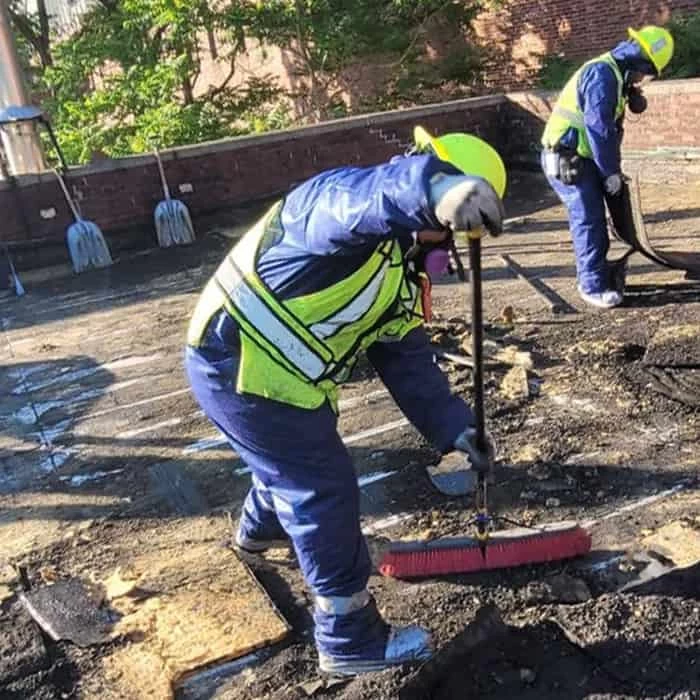
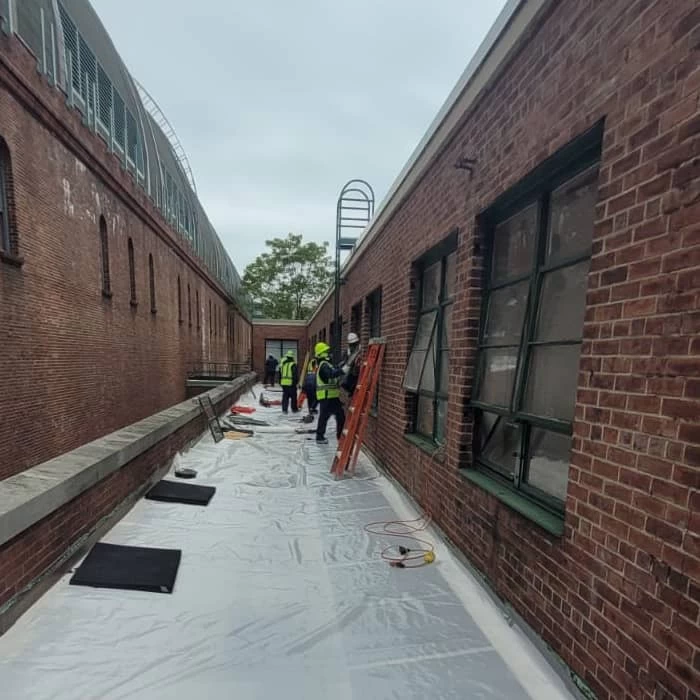
From there, the work moves in a logical sequence: water extraction and drying, soot and smoke remediation, environmental abatement where required, structural repairs, and full reconstruction to finished condition. You don’t hand off to a second contractor midway through. The same team that responded on day one is the team that completes the job and we’re not done until your home is actually done, not just technically restored.
Every Phase Covered From Emergency Response to Final Rebuild
Fire damage restoration isn’t a single service it’s a sequence of connected work that has to be done in the right order by the right people. We cover the full sequence: emergency stabilization and board-up, soot and smoke remediation, water extraction and structural drying, odor elimination using thermal fogging and HEPA air scrubbing, asbestos and lead abatement where required, demolition, and complete reconstruction to finished condition. One company. One point of contact. No gaps between phases where things fall through.
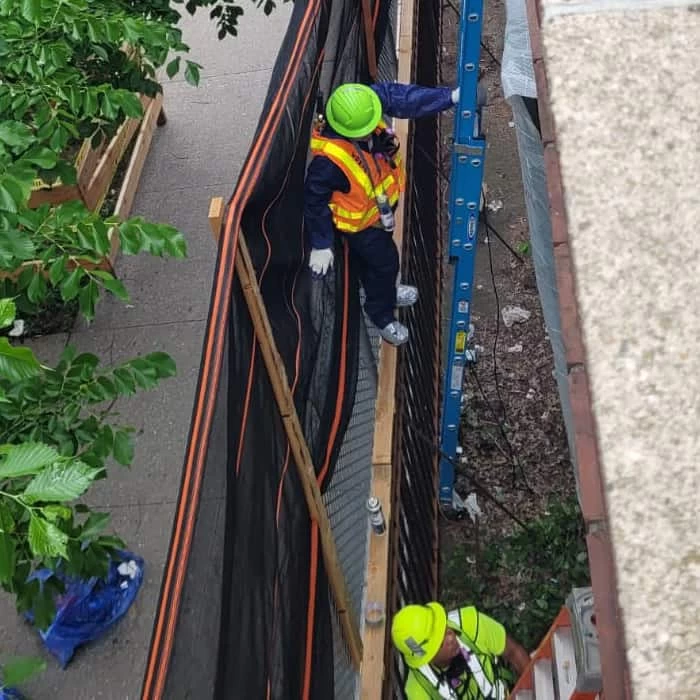
For Sound Beach homeowners specifically, the environmental piece is not optional it’s a legal requirement. The majority of homes in this hamlet were built before 1978, which means lead-based paint is presumed present in most fire-affected structures. Many of the original cottages and mid-century conversions also contain asbestos in floor tiles, pipe insulation, and ceiling materials. New York State law requires licensed contractors for any work that disturbs these materials. We hold those credentials. A contractor who doesn’t cannot legally complete a full restoration in most Sound Beach homes.
The insurance piece matters just as much. With median home values in Sound Beach now approaching $500,000, the financial stakes of a fire claim are significant. We work alongside you through the insurance process documenting damage accurately, interfacing with adjusters, and making sure the scope of work reflects what your home actually needs, not the minimum the carrier wants to approve.
Does homeowners insurance cover fire damage restoration in Sound Beach, NY?
In most cases, yes standard homeowners insurance policies in New York cover fire damage restoration, including smoke and soot cleanup, water damage from firefighting suppression, and structural repairs. That said, what gets approved and what actually needs to be done aren’t always the same thing, and the gap between those two numbers is where homeowners often get burned a second time.
The documentation phase is critical. Adjusters work from what’s reported and what’s visible. If smoke damage in your HVAC system or soot in your wall cavities isn’t properly documented before cleanup begins, it may not make it into the approved scope. We walk through the damage assessment with you before anything is touched, and stay involved throughout the claims process to make sure the full picture is on record. With home values in Sound Beach now in the $464,000 to $507,000 range, getting the claim right isn’t a minor detail it’s the difference between a complete restoration and a partial one you’re living with for years.
How quickly does fire damage need to be addressed before it gets worse?
Faster than most people expect. Soot begins permanently etching and staining surfaces within 24 to 72 hours of a fire walls, ceilings, countertops, appliances. Once that bonding process happens, you’re no longer dealing with a cleaning job. You’re dealing with replacement. At the same time, the water left behind by firefighting suppression creates a separate and equally urgent problem: mold can begin developing within 24 to 48 hours if moisture isn’t extracted and the structure isn’t dried properly.
In Sound Beach’s older housing stock particularly the converted cottages and ranch homes that make up a significant portion of the hamlet older construction methods mean less vapor control and more places for moisture to sit undetected. A home that looks mostly dry on the surface can have serious moisture trapped in subfloor materials, wall cavities, or original framing. The window for preventing secondary damage is short, which is why response time is one of the most important things to ask any restoration company before you hire them.
My Sound Beach home is older does that affect the fire restoration process?
It does, and it’s one of the most important things to understand before any work begins. Sound Beach has a unique housing history the hamlet was built from lots sold by a New York City newspaper in 1929, and many of those original summer cottages were converted to year-round homes after World War II. A significant portion of the housing stock also includes 1960s ranch homes. That means asbestos-containing materials and lead-based paint are common in structures throughout the hamlet.
Under New York State law, any contractor disturbing asbestos-containing materials must hold NYSDOL certification for asbestos abatement. The EPA’s Renovation, Repair, and Painting rule similarly applies to any work disturbing lead-based paint in pre-1978 homes which covers most of Sound Beach’s housing stock. A fire restoration company without these credentials cannot legally complete a full scope of work in many Sound Beach homes. Before you hire anyone, ask directly whether they hold these licenses. We do, and it’s part of why we’re able to handle the complete restoration in older north shore homes without requiring you to bring in a separate abatement contractor mid-project.
Will smoke smell go away on its own after a fire in my Sound Beach home?
It won’t not fully, and not quickly. Smoke odor doesn’t just sit on surfaces. Smoke molecules penetrate porous materials: drywall, wood framing, insulation, upholstery, and flooring. In Sound Beach’s older homes, where original wood framing and less modern insulation materials are common, smoke has more porous material to absorb into, which means the odor can be especially persistent without professional treatment.
Surface cleaning and airing out the home will reduce the smell temporarily, but it typically returns especially in humid conditions, which Long Island’s coastal climate provides in abundance. Professional odor elimination uses thermal fogging, hydroxyl generators, and HEPA air scrubbing to address smoke at the molecular level, not just the surface. These aren’t techniques you can replicate with consumer products or general cleaning. If the odor isn’t eliminated completely during the restoration process, it becomes a long-term quality-of-life issue and a real problem if you ever decide to sell. Buyers notice it immediately, and it raises questions about whether the restoration was done properly.
What's the difference between fire cleanup and full fire damage restoration?
Fire cleanup typically refers to removing debris, wiping down surfaces, and making the space look presentable. Full fire damage restoration means returning the home to its pre-loss condition structurally, functionally, and cosmetically. Those are very different scopes of work, and the distinction matters a lot for Sound Beach homeowners whose homes may have sustained damage well beyond what’s immediately visible.
A cleanup crew can remove the charred materials and wipe the soot off your walls. What they can’t do is address the smoke that migrated through your HVAC system into other rooms, the water that’s sitting in your subfloor, the asbestos that was disturbed during the fire in your 1950s floor tiles, or the structural repairs your home needs before it’s safe and livable again. Full restoration covers all of it remediation, abatement, structural repair, and reconstruction through a single coordinated process. For a home worth close to $500,000 in today’s Sound Beach market, a cleanup that leaves hidden damage behind isn’t a cost savings. It’s a liability you’re carrying forward.
How do I choose a fire restoration company in Sound Beach, NY?
Start with credentials, not price. In Sound Beach specifically, the first question to ask any restoration company is whether they hold New York State asbestos abatement certification and EPA RRP compliance for lead paint because without those licenses, they cannot legally complete a full restoration in most homes in this hamlet. That alone eliminates a number of contractors who might otherwise look qualified on the surface.
Beyond licensing, look for a company that handles the complete scope in-house not one that does the cleanup and hands the reconstruction off to a separate contractor. Mid-project handoffs create accountability gaps, scheduling delays, and disputes over what was left in what condition. Ask specifically how they handle the insurance documentation process, because that’s where a lot of homeowners in Sound Beach have been left without adequate support. Finally, look for verifiable reviews that mention specific outcomes and named staff not just star ratings. A company that people describe in detail, by name, over a real project, is a company that actually showed up and did the work.