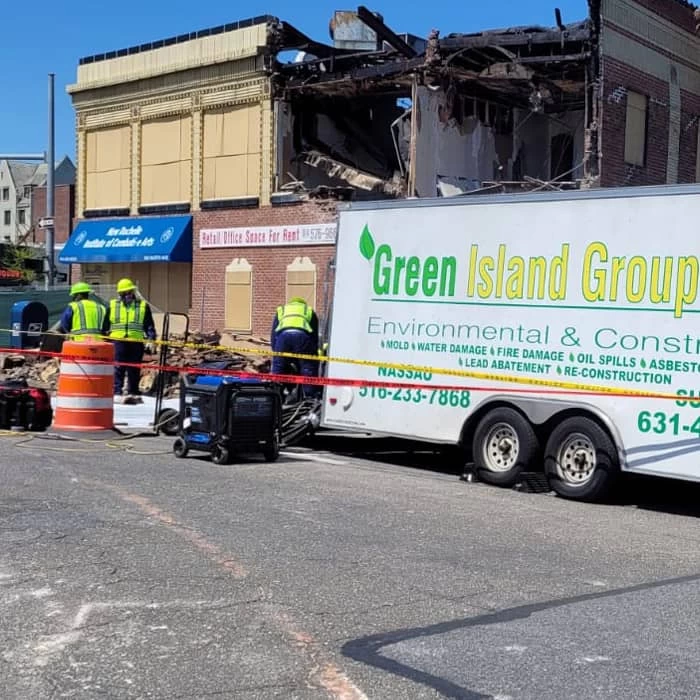
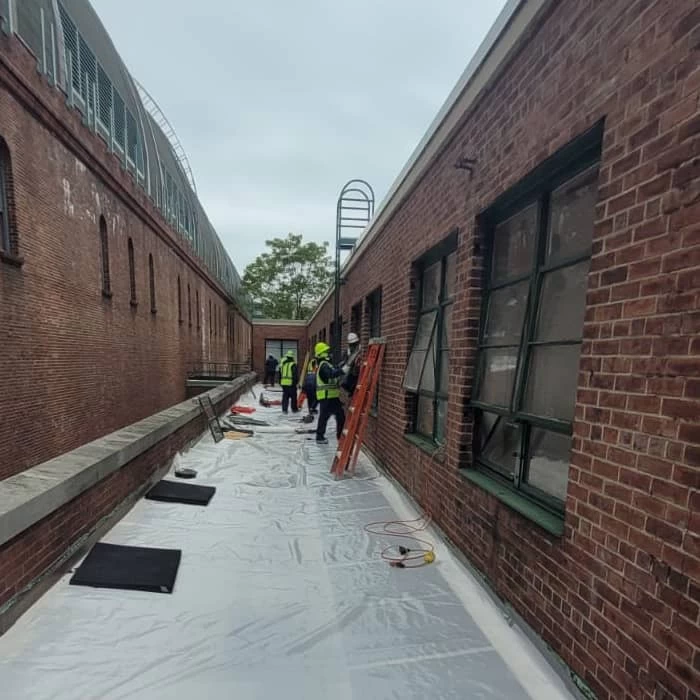
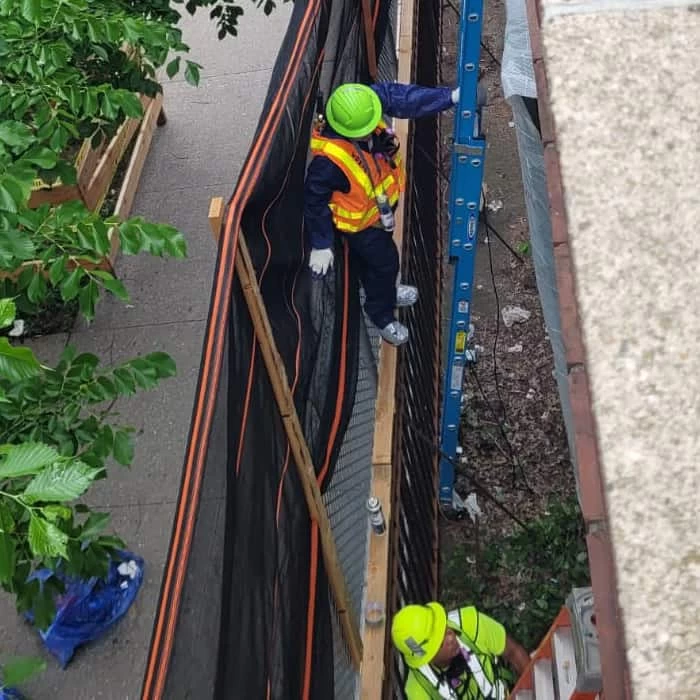
When Fire Hits a North Fork Home, You Need a Local Team That Moves Fast
When your home in Southold takes a hit from fire, you need someone who actually shows upfast, fully equipped, and ready to handle everything from soot to structural repair. We don’t route your emergency through a call center. We respond directly, assess the full scope of damage, and coordinate every phase of restoration under one roof.
I needed a professional consultation explanation of procedure for safe removal of Asbestos in my apartment complex. Without having an account yet, I was very impressed with the caring, knowledgeable and generous advice offered by Jessica, and will look forward to doing business in the future. Thank you so much! I feel much more informed about a sometimes scary endeavor. Peace. Nancy Silva Mineola, NY.
Mia Munoz
Used this company to clean up some water flood in my house. They were fast and easy to work with.very professional, Would recommend to anyone!
Nini Valle
Great company, had a flood and they responded quickly and efficiently. Billed my insurance company directly. I highly recommend this company!
joe colapietro, jr
I had pipe freeze in my basement right before a snow storm and they made to within an hour to help start the clean up process. They we by our side throughout the entire process and even helped with the insurance company. They did such a great job with the cleanup, repair, remidiation, I contracted them to perform the repairs and finishes in the basement. They came with enough manpower and material to get the job done. Leo and Jessica were nothing but a pleasure to deal with!!
Cristian Arredondo c
I had some water damage in my home and Green Island was able to take care of my issue quickly and effectively. I am very pleased with the work they did. They responded quickly and were very professional.
Michael M
Outstanding service! From the office to the field crew everyone was friendly, helpful and responsive. I highly recommend Green Island Group.
The fire may be out, but the damage isn’t done. Smoke moves through your HVAC system and into wall cavities within minuteslong before the smell even registers. In Southold, where a significant portion of the housing stock predates 1940, that smoke is also moving through older ductwork, unsealed cavities, and materials that absorb contamination fast. The visible burn zone is rarely the full story.
What you actually need after a fire is someone who can assess the whole picturenot just the char marks. That means soot removal from every affected surface, water extraction from firefighting efforts, and air quality restoration that addresses what you can’t see or smell yet. For Southold homeowners managing properties worth close to $1 million, getting this wrong the first time isn’t just frustratingit’s expensive.
There’s also the second-home reality. A lot of properties on the North Fork sit empty during the week or through the off-season. If fire damage goes undetected for even a day or two, mold can begin forming in water-saturated materials before anyone’s made a single call. Acting fast matters here more than almost anywhere elseand having one team that handles fire, smoke, water, and environmental hazards without handoffs is what makes that speed count.
Independent, Accountable, and Built for Southold's Specific Challenges
We’re a locally owned, Long Island-based restoration companynot a franchise, not a call center routing your emergency to whoever’s available. When you call Green Island Group, you’re reaching people who are directly accountable for the outcome of your project, start to finish. That’s a different experience than what most of the national names deliver.
Southold is a community that values exactly that. From the farmstands along Route 25 to the multi-generational homes in Cutchogue and Peconic, this is a place where people expect to deal with real peopleand where reputation matters. We’ve built our standing on the kind of service that holds up in tight-knit communities: named staff, consistent communication, and a satisfaction guarantee that doesn’t disappear once the cleanup crew leaves.
End-to-end capability matters here too. From emergency stabilization and environmental remediation to full reconstruction, there’s one team and one point of contact throughoutno juggling separate contractors while you’re trying to navigate an insurance claim from two hours away.
From Emergency Call to Finished HomeHere's Our Sequence
It starts the moment you call. The first priority is stabilizing the propertyboarding up openings, securing the structure, and preventing additional damage from exposure or weather. On the North Fork, where coastal storms and elevated humidity can compound an already bad situation quickly, this step isn’t optional. We get the property protected before conditions worsen, which is part of what separates a well-managed restoration from one that spirals.
From there, our assessment goes deeper than what’s visible. We map smoke and soot through the full structureincluding HVAC systems, wall cavities, and any areas where firefighting water may have traveled. In Southold’s older homes, that assessment often uncovers materials that require environmental handling before standard restoration can begin. If asbestos-containing materials were disturbeda real possibility in homes built before 1940we address that under proper licensing before anything else moves forward. The Town of Southold Building Department also requires permits for any structural reconstruction work, and we navigate that process on your behalf.
Once the hazards are cleared and the scope is confirmed, we handle remediation and reconstruction under one roof. Soot removal, odor neutralization, water extraction, structural drying, and full rebuildall coordinated by our team. You’re not handed off. You’re kept informed. And the job isn’t considered done until the result matches what your home looked like before any of this happened.
Everything Your Southold Home Needs, Handled by One Team
Fire damage restoration in Southold isn’t a one-size situation. The town’s housing stock ranges from historic pre-1900 farmhouses in Orient and New Suffolk to mid-century waterfront properties in Peconic and newer construction near Mattituck. Each of those homes carries different risks when fire and smoke move through themand the restoration approach needs to reflect that.
We handle the full scope of what fire damage requires: emergency board-up and property stabilization, soot and smoke remediation across all affected surfaces, HVAC cleaning and air quality restoration, water extraction and structural drying from firefighting suppression, mold prevention and remediation where water intrusion has occurred, environmental hazard removal including asbestos abatement for the area’s older homes, and complete structural reconstruction through final finishes. Insurance documentation and claim support is part of our process as wellnot a side conversation, but an active piece of how we manage your project from day one.
For second-home owners in particular, that insurance coordination is often the most stressful part. A large claim on a high-value North Fork property involves real documentation, real adjuster conversations, and real money. Having a restoration company that knows how to present damage scope clearlyand advocate for the full cost of proper restorationmakes a measurable difference in what your policy actually covers.
How quickly can you respond to fire damage in Southold, NY?
Response time matters more in Southold than in most parts of Long Island. Southold sits at the far eastern end of Suffolk County, accessible only via Route 25 or County Route 48. The Long Island Expressway ends in Riverhead, which means any company based in central Suffolk is looking at 45 minutes to an hour before they’re even close to Southold hamlet, and longer still to reach Orient or East Marion.
We prioritize rapid response because the clock on fire damage doesn’t pause for a long drive. Every hour after the fire is out, soot is etching into surfaces, smoke is migrating deeper into walls, and water from firefighting suppression is creating conditions for mold. We get there fast, stabilize the property, and start limiting the spread of damage before it compounds. If you’re a second-home owner who discovered the damage remotely, that response speed is even more criticalthe property needs to be secured and assessed before conditions deteriorate further.
Does homeowners insurance cover fire damage restoration in Southold?
In most cases, yesstandard homeowners insurance covers fire damage, including smoke and soot remediation, water damage from firefighting efforts, and structural repairs. But the actual payout depends heavily on how the damage is documented and how the claim is presented. On a Southold property with a median value approaching $1 million, the difference between a thorough claim and an underdocumented one can be significant.
Where things get complicated is scope. Insurance adjusters work from what’s visible and what’s submitted. If smoke damage in your HVAC system or soot contamination in wall cavities isn’t clearly documented early, it may not be included in the initial settlement. We work alongside your insurer from the startcapturing the full picture of damage, providing the documentation adjusters need, and making sure the scope of restoration is accurately reflected in what you’re approved to spend. For second-home owners managing this process remotely, that kind of direct coordination removes a major layer of stress.
What happens if asbestos is found during fire restoration in my Southold home?
This is one of the most important questions for North Fork homeowners specifically. Southold is the oldest English settlement in New York State, and a large portion of its housing stock predates 1940the era when asbestos was routinely used in insulation, floor tiles, pipe wrapping, and roof shingles. A fire that burns through walls, ceilings, or mechanical systems in one of these older homes has a real chance of disturbing asbestos-containing materials.
When that happens, standard fire cleanup has to stop. New York State law requires that asbestos abatement be handled by licensed professionals before any other restoration work continues in the affected area. We hold the environmental remediation credentials to handle this in-housewhich means you don’t need to locate a separate licensed abatement contractor, wait for their availability, and then restart the restoration timeline. Everything stays under one project. The abatement is handled properly, the clearance documentation is completed, and the restoration moves forward without you having to manage that handoff.
How long does fire damage restoration typically take for a North Fork home?
There’s no single honest answer to this because the timeline depends entirely on what the assessment uncovers. A contained kitchen fire with limited smoke spread in a newer Mattituck home is a very different project than a fire that moved through the walls of a pre-1940 farmhouse in Cutchogue with asbestos in the insulation and several thousand gallons of firefighting water in the subfloor.
As a general frame: emergency stabilization and initial assessment happen within the first 24 to 48 hours. Soot and smoke remediation, water extraction, and structural drying typically take one to two weeks depending on scope. If environmental remediation is requiredasbestos abatement, mold treatmentthat adds time before reconstruction can begin. The reconstruction phase, which includes everything from framing and drywall to finishes and fixtures, can range from a few weeks to several months for more extensive damage. The Town of Southold Building Department also requires permits for structural reconstruction, and that review process factors into the overall timeline. We’ll give you a realistic scope assessment upfrontnot a best-case number designed to win the job.
Can smoke damage affect rooms that didn't have any visible fire in my home?
Yesand this is one of the most commonly underestimated aspects of fire damage. Smoke doesn’t stay in the room where the fire started. It moves through HVAC ductwork, travels through gaps in walls and ceilings, and penetrates porous materials across the entire structure within minutes of a fire beginning. Rooms that never saw a flame can end up with significant soot deposits and smoke contaminationincluding bedrooms, closets, and finished spaces on completely separate floors.
In Southold’s older homes, this is especially pronounced. Older ductwork, unsealed wall cavities, and historic construction methods that predate modern air sealing standards mean smoke has more pathways to travel. The result is that what looks like a contained fire in one room often turns into a whole-house smoke remediation project once a proper assessment is done. That’s not an upsellit’s the physical reality of how smoke behaves. Addressing only the visible burn zone and leaving contaminated ductwork or wall cavities untreated is what leads to persistent odors and air quality issues months after the restoration is supposedly complete.
My Southold vacation home had a fire while I was awaywhat should I do first?
This situation is more common on the North Fork than most people expect. A large portion of Southold’s housing stock is owned by second-home buyers who are in New York City or elsewhere during the week. When fire damage is discovered by a neighbor, a property manager, or a smart home alarm while you’re hours away, the first priority is getting someone to the property immediately to assess the damage and secure itnot waiting until you can make the drive out on a weekend.
Call us first. We can respond to the property, document the damage thoroughly, and begin protective measuresboard-up, water extraction, initial stabilizationwithout requiring you to be physically present. That documentation also becomes the foundation of your insurance claim, so starting it properly from the first hours matters. From there, you’ll want to notify your insurance carrier and avoid disturbing anything in the affected areas before the full assessment is complete. The combination of a high-value property, a potentially large claim, and the logistical reality of managing restoration from a distance is exactly the scenario we’re built to handleso you’re not trying to coordinate multiple contractors by phone while also dealing with an adjuster and a displaced property.