When a Speonk Home Burns, the Hidden Damage Is What Gets You
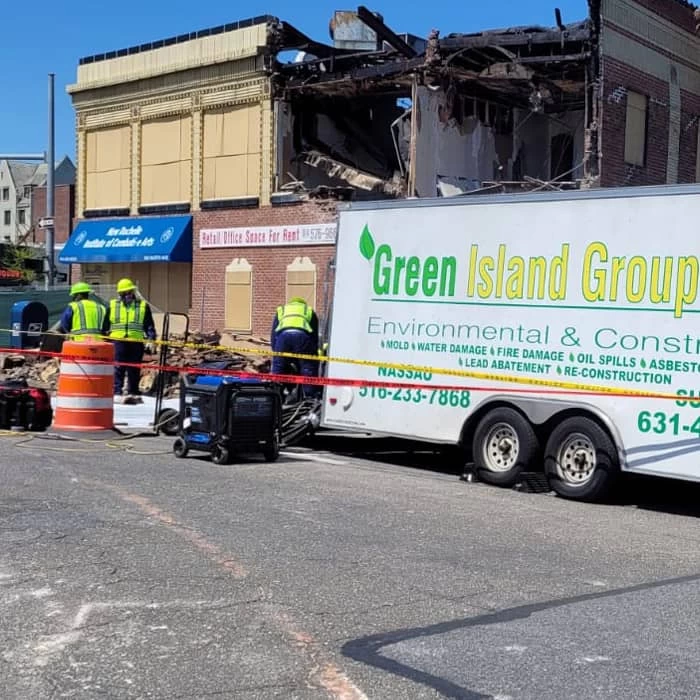
Smoke travels faster than flames and in an older South Shore home near Moriches Bay, it doesn’t stop at the burned room. We handle fire damage restoration in Speonk from the first emergency call to the last finished wall.
I needed a professional consultation explanation of procedure for safe removal of Asbestos in my apartment complex. Without having an account yet, I was very impressed with the caring, knowledgeable and generous advice offered by Jessica, and will look forward to doing business in the future. Thank you so much! I feel much more informed about a sometimes scary endeavor. Peace. Nancy Silva Mineola, NY.
Mia Munoz
Used this company to clean up some water flood in my house. They were fast and easy to work with.very professional, Would recommend to anyone!
Nini Valle
Great company, had a flood and they responded quickly and efficiently. Billed my insurance company directly. I highly recommend this company!
joe colapietro, jr
I had pipe freeze in my basement right before a snow storm and they made to within an hour to help start the clean up process. They we by our side throughout the entire process and even helped with the insurance company. They did such a great job with the cleanup, repair, remidiation, I contracted them to perform the repairs and finishes in the basement. They came with enough manpower and material to get the job done. Leo and Jessica were nothing but a pleasure to deal with!!
Cristian Arredondo c
I had some water damage in my home and Green Island was able to take care of my issue quickly and effectively. I am very pleased with the work they did. They responded quickly and were very professional.
Michael M
Outstanding service! From the office to the field crew everyone was friendly, helpful and responsive. I highly recommend Green Island Group.
A fire doesn’t end when the flames do. Soot starts permanently etching surfaces within 24 to 72 hours. Smoke works its way through your HVAC system and settles into every room it can reach not just the ones with visible damage. If you’re dealing with this in a Speonk home near Moriches Bay, the coastal humidity accelerates all of it, especially mold, which can take hold within 48 hours of the water your local fire department used to put the fire out.
For homeowners in Speonk and Remsenburg many of whom are managing a second property remotely from the city that timeline matters more than most. You can’t afford to wait on a company that handles cleanup but not the environmental side, or one that doesn’t understand what’s likely inside the walls of a home built in the 1960s. Asbestos-containing materials in older insulation, floor tiles, and ceiling finishes are a real factor here, and they require licensed handling before reconstruction can even begin.
What you get on the other side of a proper restoration is a home that’s genuinely safe no lingering smoke odor masked by deodorizer, no hidden mold colony behind the drywall, no asbestos risk left unaddressed. That’s what a complete job looks like.
One Team, Real Accountability, No Franchise Playbook
We’re a locally owned and operated Long Island restoration company not a franchise with a corporate call center and rotating crews. When you call, you reach people who actually know your project. Customers regularly name Leo and Jessica by name in their reviews, not because it’s a marketing line, but because that’s genuinely how we operate.
Speonk and Remsenburg are tight-knit communities. The kind of place where people chose to live or invested in a second home specifically because they value quiet, privacy, and quality. The homes along Montauk Highway and the bay-facing streets of Remsenburg reflect that. They’re often older, often historic, and they deserve a restoration team that treats them accordingly.
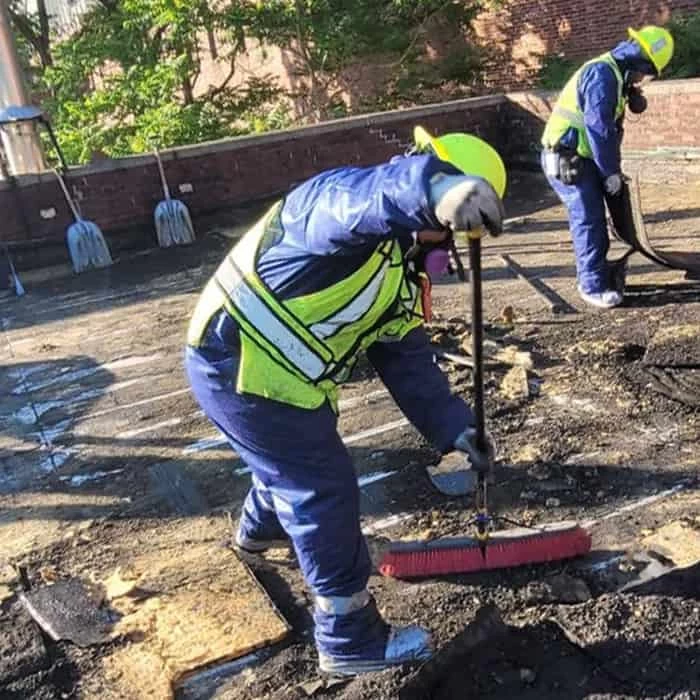
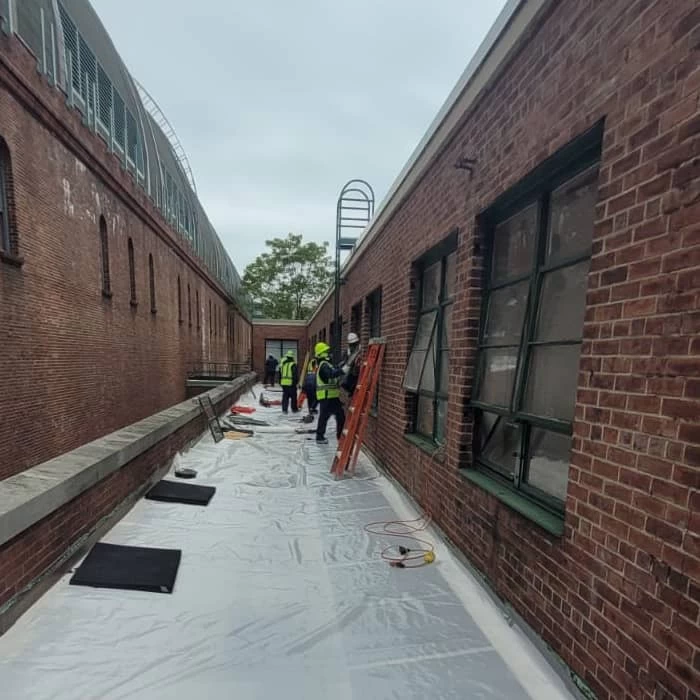
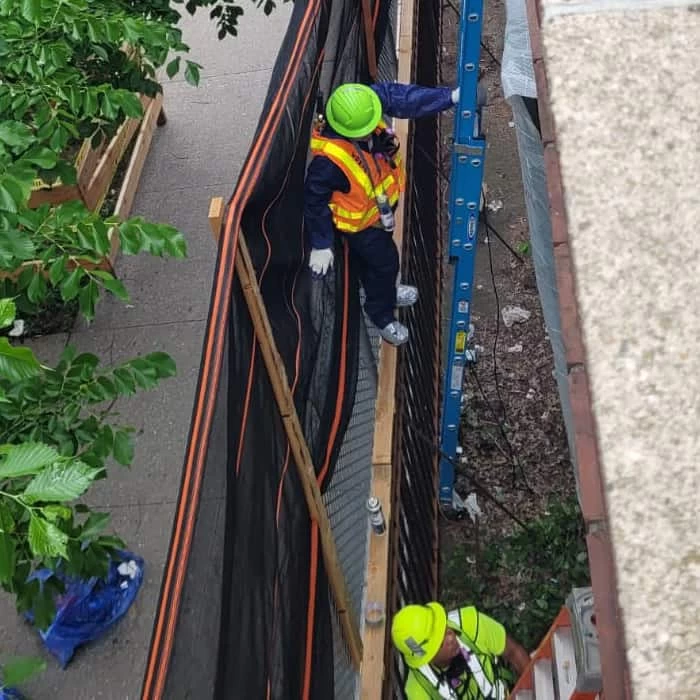
We handle every phase emergency response, smoke and soot remediation, water extraction, environmental work including asbestos abatement and mold remediation, and full reconstruction. And we don’t consider the job finished until you say it is.
From Emergency Call to Finished Home Here's the Real Process
It starts with a fast response because every hour between the fire and the start of mitigation is an hour the damage is growing. We mobilize quickly, assess the full scope of what the fire, smoke, and suppression water have done, and begin protective measures immediately. That means board-up if needed, water extraction before mold sets in, and a clear picture of what the restoration actually involves before any work begins.
From there, the environmental assessment comes into play. For homes in Speonk built before 1980 and there are many that means checking for asbestos-containing materials before any demolition or reconstruction happens. Under New York State Department of Labor regulations, asbestos abatement requires a licensed contractor, and the Southampton Town Building Department requires permits for structural restoration work. We handle all of it, so you’re not left trying to coordinate a licensed abatement contractor on your own while also managing an insurance claim.
Once the environment is cleared and the damaged materials are removed, reconstruction begins framing, drywall, finishes, whatever the scope requires until the home is back to where it was. Throughout the process, we work directly with your insurance company, documenting everything in a format adjusters recognize, so your claim reflects the actual damage and not a lowball estimate.
What's Actually Included When the Whole Job Gets Done Right
Fire damage restoration in Speonk isn’t a single-trade job. It’s smoke remediation, water extraction, mold prevention, environmental assessment, and reconstruction and in this area, it often includes asbestos abatement for homes built before the late 1970s. We cover all of it under one roof, which matters when you’re protecting a property on the South Shore worth well over $800,000.
Smoke and soot removal goes beyond wiping down visible surfaces. It includes HVAC decontamination because smoke travels through duct systems within minutes of a fire and odor elimination using thermal fogging and hydroxyl treatment, not masking agents that wear off in a few weeks. For homes near Moriches Bay where coastal humidity keeps organic materials damp, this step is especially important. Mold doesn’t need much of an invitation in this environment.
On the insurance side, we document the damage using the same pricing standards insurers use Xactimate so your adjuster isn’t working from a number that benefits the insurance company more than it benefits you. For Speonk homeowners filing their first major claim on a high-value property, having a restoration team that actively supports the claims process is often the difference between a fully funded recovery and a gap you’re covering out of pocket.
Is it safe to stay in my Speonk home after a fire?
In most cases, no at least not until a professional assessment has been completed. Smoke and soot leave behind fine particles and chemical residues that are genuinely harmful to breathe, even in rooms that had no visible fire damage. If your HVAC system was running during or after the fire, those particles have likely circulated throughout the entire house.
For homes in Speonk and Remsenburg, there’s an additional layer to consider. Older homes in this area many built in the 1960s and earlier may contain asbestos in insulation, floor tiles, or ceiling materials. A fire that disturbs those materials can release fibers into the air, and that’s a health risk that requires licensed assessment before anyone should be spending extended time in the home. Until the air quality has been tested and cleared, treating the property as temporarily uninhabitable is the right call.
How does fire damage restoration work with my homeowners insurance claim?
Your insurance company will send an adjuster to assess the damage and determine the payout. The challenge is that adjusters work for the insurer, and their initial estimates don’t always reflect the full scope of what a proper restoration actually costs especially in a market like Southampton Town where labor and materials run higher than the national averages built into some insurance pricing models.
We document damage using Xactimate, the same estimating software most major insurers use. That means the scope of work is presented in a format adjusters recognize, and it’s harder for a claim to be undervalued when the documentation is thorough and professionally prepared. For Speonk homeowners many of whom are filing a major property claim for the first time on a home worth $800,000 or more having a restoration company actively involved in the claims process, not just the cleanup, makes a real difference in the final outcome.
How long does fire damage restoration take for a home in Speonk?
It depends on the scope, and the honest answer is that it varies more than most companies will tell you upfront. A contained kitchen fire with limited smoke spread might be resolved in two to three weeks. A larger loss involving structural damage, significant smoke migration through the HVAC, water intrusion from fire suppression, and environmental remediation which is common in Speonk’s older housing stock can take several months.
The permitting process through the Southampton Town Building Department adds time that some homeowners don’t anticipate. Any structural restoration work requires a building permit, and if asbestos abatement is part of the scope, that needs to be completed and documented before reconstruction begins. We manage the permitting and environmental work as part of the project, so you’re not chasing down separate contractors or waiting on approvals you didn’t know you needed. The timeline is always clearer once the full assessment is done and that’s the first conversation.
Does wildfire smoke from the pine barrens area cause damage to homes in Speonk?
Yes, and it’s a more relevant question in Speonk than in most Long Island communities. The Central Pine Barrens border Speonk to the north, and the March 2025 wildfires that burned more than 600 acres near Westhampton and Eastport closing Speonk-Riverhead Road were a direct reminder of that proximity. Wildfire smoke contains fine particulate matter and chemical compounds that can penetrate homes through HVAC intakes, gaps in insulation, and open windows, depositing soot on surfaces and embedding odor into porous materials throughout the house.
Even if no structure fire occurred, a home that was exposed to heavy wildfire smoke for an extended period may need professional remediation. That includes surface cleaning of affected materials, HVAC decontamination to clear particulate from duct systems, and air quality testing to confirm the home is safe. If you’re unsure whether your Speonk property was affected during a wildfire event, an assessment is worth the call especially in a home with older construction where smoke can penetrate more deeply into the building envelope.
What happens to mold after a fire is put out in a coastal home?
Fire hoses push roughly 250 gallons of water per minute. Even a relatively contained fire can result in significant water saturation in floors, wall cavities, and ceilings and in a home near Moriches Bay, that water has a much shorter window before mold becomes a problem. Coastal humidity keeps ambient moisture levels elevated year-round, which means mold can begin colonizing wet materials within 24 to 48 hours of water intrusion.
The risk is compounded in homes with crawl spaces, wood-framed construction, or bay-facing exposures all of which are common in Remsenburg-Speonk. A restoration company that handles fire cleanup but not mold remediation is leaving you exposed to a secondary damage event that can be just as costly as the original fire. Our scope includes mold remediation as part of the fire restoration process, not as a separate job you have to coordinate later after the problem has already established itself.
How do I choose the right fire restoration company near Speonk, NY?
The most important thing to verify is whether the company can handle the full scope of what fire damage actually involves not just the visible cleanup, but smoke remediation, water extraction, mold prevention, environmental assessment, and reconstruction. A company that handles cleanup but subcontracts or skips the environmental work is not equipped to complete the job in a community like Speonk, where pre-1980 homes with potential asbestos-containing materials are common.
You also want a company that understands the insurance process, not just the restoration process. Ask directly whether they document damage using Xactimate and whether they’ve worked with major insurers on claims in Suffolk County. For a property in Southampton Town where home values regularly exceed $800,000 an underfunded insurance claim is a serious financial exposure. Finally, ask who you’ll actually be talking to throughout the project. In a small, private community like Speonk, the ability to reach a real person who knows your property isn’t a small thing. It’s how you know the job is being managed, not just started.