When a Three Village Home Burns, Every Hour Counts
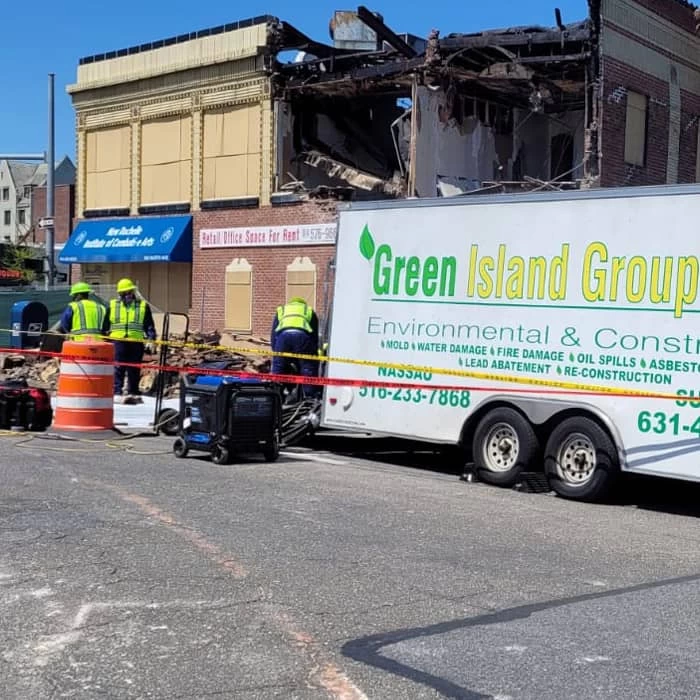
Soot settles fast, smoke travels further than you think, and the water left behind by fire hoses creates its own set of problems. We handle fire damage restoration in Stony Brook from the first emergency call to the final walkthrough one company, no handoffs.
I needed a professional consultation explanation of procedure for safe removal of Asbestos in my apartment complex. Without having an account yet, I was very impressed with the caring, knowledgeable and generous advice offered by Jessica, and will look forward to doing business in the future. Thank you so much! I feel much more informed about a sometimes scary endeavor. Peace. Nancy Silva Mineola, NY.
Mia Munoz
Used this company to clean up some water flood in my house. They were fast and easy to work with.very professional, Would recommend to anyone!
Nini Valle
Great company, had a flood and they responded quickly and efficiently. Billed my insurance company directly. I highly recommend this company!
joe colapietro, jr
I had pipe freeze in my basement right before a snow storm and they made to within an hour to help start the clean up process. They we by our side throughout the entire process and even helped with the insurance company. They did such a great job with the cleanup, repair, remidiation, I contracted them to perform the repairs and finishes in the basement. They came with enough manpower and material to get the job done. Leo and Jessica were nothing but a pleasure to deal with!!
Cristian Arredondo c
I had some water damage in my home and Green Island was able to take care of my issue quickly and effectively. I am very pleased with the work they did. They responded quickly and were very professional.
Michael M
Outstanding service! From the office to the field crew everyone was friendly, helpful and responsive. I highly recommend Green Island Group.
What Changes When the Whole Job Stays in One Set of Hands
Most homes in Stony Brook were built in the 1950s and 1960s. That means original plaster walls, older electrical systems, oil-fired boilers, and in many cases materials that predate modern safety standards. When a fire happens in a home like that, the damage isn’t just what burned. It’s the soot that settled into the ductwork, the firefighting water soaking into the subfloor, and the asbestos-containing materials that may have been disturbed in the process. A contractor who only handles the visible fire damage leaves the rest of that for you to figure out.
When the full scope of work soot and smoke remediation, water extraction, environmental hazard removal, structural repairs, and final finishes runs through one company, nothing gets missed and nothing gets handed off mid-project. You’re not coordinating between a cleanup crew and a rebuild contractor while your family is displaced. You have one point of contact who knows the full picture from day one.
For homeowners in the Three Village area, where properties routinely hold values north of $700,000, that completeness isn’t optional. A home worth that much deserves a restoration that treats it that way not a patch job that looks fine until the smoke smell comes back three months later or the hidden moisture turns into a mold problem behind the drywall.
We’re a locally owned and operated restoration company serving Nassau County, Suffolk County, and the broader Long Island area not a national franchise with a local zip code stapled to its name. When you call, you reach people who know Stony Brook, know the housing stock here, and know what it actually takes to restore a home on the North Shore.
The Three Village area has its own character older homes, historic details worth preserving, and a community that notices the difference between work done right and work done fast. We’ve been active in the Stony Brook market and understand what restoration looks like here: navigating Town of Brookhaven permit requirements, working carefully in homes with original architectural details, and handling the environmental layers asbestos, lead paint, mold that come with pre-1980 construction.
Customers consistently name Jessica and Leo by name in their reviews. That’s not a coincidence. It’s what working with a company that actually shows up looks like.
No Guesswork Here's Exactly What the Process Looks Like
It starts with an emergency response call. We have a documented track record of arriving within an hour because the first 24 to 48 hours after a fire determine how much of your home can actually be saved. Soot begins permanently etching surfaces within that window. Firefighting water starts breeding mold just as fast. Speed at the front end isn’t a selling point it’s a functional necessity.
Once on-site, our team conducts a full damage assessment that goes beyond the room where the fire occurred. Smoke travels through HVAC systems, soot settles in wall cavities, and water finds its way into structural materials that look dry from the outside. In a Stony Brook home built in the 1950s or 1960s, that assessment also includes checking for disturbed asbestos-containing materials something that requires proper licensure to handle, not just a cleanup crew with a shop vac.
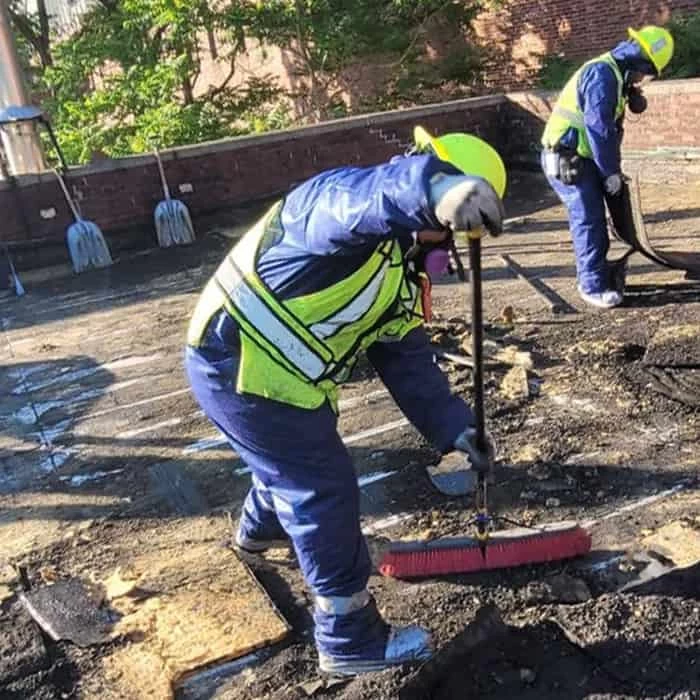
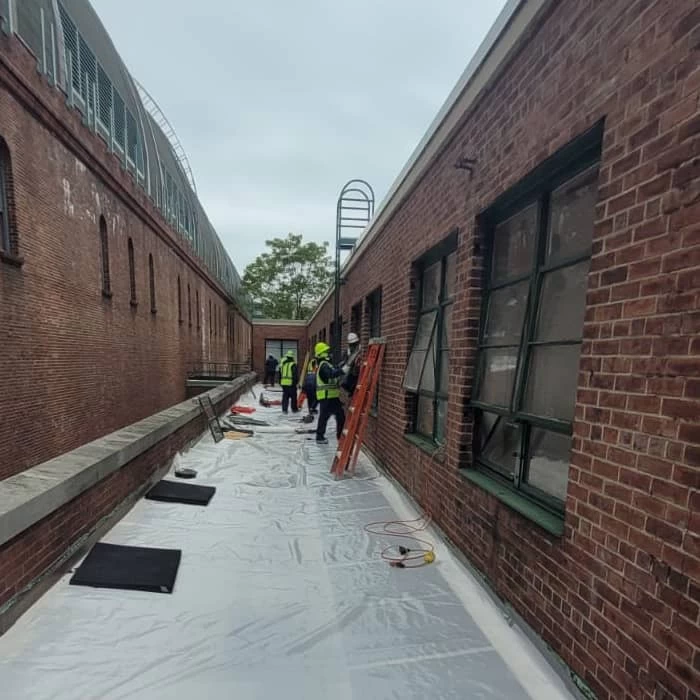
From there, the work moves in a logical sequence: stabilization and board-up if needed, water extraction and structural drying, soot and smoke remediation including HVAC cleaning and air scrubbing, environmental hazard removal where applicable, demolition of unsalvageable materials, full reconstruction, and final finishes. All permits required by the Town of Brookhaven Building Department are handled as part of the process. When the job is done, it’s done not done pending your follow-up.
Fire and Smoke Remediation Services, Stony Brook NY
Everything a Stony Brook Home Needs After a Fire, Under One Roof
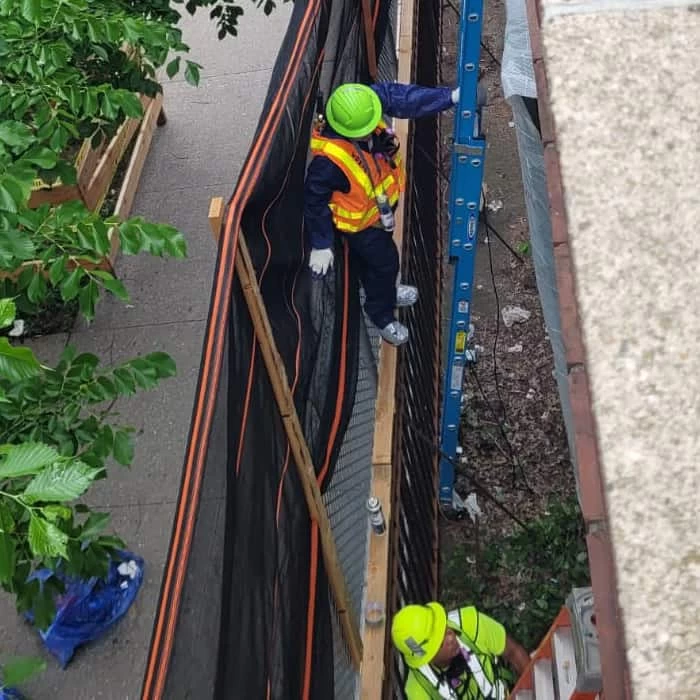
Fire damage restoration isn’t one service it’s a sequence of them. What we bring to a Stony Brook job is the ability to handle every step without subcontracting the hard parts or stopping short of a complete restoration. That includes emergency board-up and site stabilization, full water extraction and structural drying from firefighting efforts, soot and smoke remediation with HEPA air scrubbing and thermal fogging for odor elimination, asbestos abatement and environmental remediation for the pre-1980 homes that make up a significant portion of the Three Village housing stock, demolition, structural reconstruction, and all interior finishes.
The insurance piece matters too especially for high-value properties in Stony Brook where claims can run well into six figures. We work directly with insurance adjusters, document damage thoroughly, and have a track record of helping homeowners get the full scope of work covered. Multiple customers have specifically cited this support as one of the most valuable parts of working with us not a side service, but an active part of how we operate.
If you’re in a home north of Route 25A with original architectural details, or in one of the newer developments south toward Centereach, the approach adapts to what’s actually in front of our crew. The goal is the same either way: your home back to the condition it was in before the fire or better with nothing left unaddressed.
Is it safe to stay in my Stony Brook home after a fire?
In most cases, no at least not immediately, and not until a proper assessment has been completed. Even if the fire was contained to one room, smoke and soot travel through HVAC systems and settle in areas that look completely untouched. Soot contains compounds from burned synthetic materials insulation, flooring, furniture that are genuinely hazardous to breathe, especially for children. In a Stony Brook home built before 1980, a fire can also disturb asbestos-containing materials in floor tiles, ceiling textures, or pipe insulation, creating an airborne hazard that isn’t visible to the eye.
The decision to re-enter or stay should be based on an actual assessment, not on whether the smoke has cleared and things look okay. We can evaluate air quality, identify hidden hazards, and tell you specifically what needs to be addressed before the home is safe for your family. Until that assessment happens, err on the side of caution.
How long does fire damage restoration typically take in Stony Brook, NY?
It depends on the scope of the damage, but most residential fire restorations in Stony Brook fall somewhere between two weeks and several months. A kitchen fire with contained smoke damage and manageable water intrusion might be resolved in two to four weeks. A fire that affected multiple rooms, compromised structural elements, or disturbed hazardous materials which is more common in Stony Brook’s older housing stock will take longer, particularly because environmental remediation steps like asbestos abatement have their own required protocols and timelines under New York State law.
The Town of Brookhaven Building Department permit process also factors into the timeline for any structural, electrical, or plumbing work. A company that pulls the right permits from the start avoids the delays and legal exposure that come from unpermitted work discovered later. We can give you a realistic timeline after the initial assessment not a number pulled from thin air to close the sale.
Does homeowners insurance cover fire damage restoration in Suffolk County?
Standard homeowners insurance policies generally cover fire damage restoration, including cleanup, demolition, and rebuild but the coverage is only as good as the documentation behind the claim. Insurers can and do dispute the scope of damage, question line items, and push back on costs they consider above standard. For a home in Stony Brook where the average property value sits above $700,000, a poorly documented claim can mean a significant gap between what the insurer pays and what the restoration actually costs.
We work directly with insurance adjusters and document damage in the detail needed to support a full claim. This includes photographing and cataloging affected areas, providing line-item scopes of work, and communicating with your adjuster throughout the process. Multiple customers have specifically credited this support with getting their claims fully covered. If you have a public adjuster involved, we work alongside them as well. The goal is to make sure the insurance process works for you not against you.
Should I be worried about asbestos during fire restoration in an older Stony Brook home?
If your home was built before 1980 which describes a significant portion of Stony Brook’s housing stock, with a median construction year of 1966 asbestos is a real consideration. Asbestos-containing materials were commonly used in floor tiles, ceiling textures, pipe and duct insulation, joint compound, and roofing materials in homes of that era. A fire can disturb these materials directly through burning, or indirectly through the demolition work that follows. Once disturbed, asbestos fibers become airborne and create a serious inhalation hazard.
In New York State, asbestos abatement requires specific licensure from the New York State Department of Labor. A contractor who isn’t licensed for this work cannot legally or safely handle it which means if asbestos is found mid-project, an unlicensed company either has to stop work or proceed improperly. We hold the environmental remediation credentials needed to handle asbestos abatement as part of the restoration process, so there’s no project stoppage, no scramble to bring in a separate specialist, and no gap in the chain of accountability.
What happens to smoke damage in rooms that didn't actually catch fire?
Smoke doesn’t stay in the room where the fire happened. It moves through any available path HVAC ductwork, wall cavities, gaps around electrical outlets, and ceiling penetrations and deposits soot in rooms that may look completely unaffected. In a home with a forced-air heating system, which is common throughout the Three Village area, smoke can travel through the entire duct network within minutes of a fire starting. That soot contains acidic compounds that begin etching and staining surfaces within 24 to 72 hours if not treated.
Proper smoke damage restoration means following the path of the smoke, not just cleaning the room that burned. That includes HVAC system cleaning, air scrubbing with HEPA filtration, surface treatment in affected rooms, and odor elimination through thermal fogging which neutralizes smoke compounds rather than masking them. If your restoration company’s scope of work stops at the room with visible fire damage, the job isn’t finished.
How do I choose a fire restoration company near Stony Brook and the Three Village area?
The most important thing to verify is whether the company can actually handle the full scope of what your home needs not just the fire cleanup, but the water extraction, the environmental hazards, the structural repairs, and the rebuild. Many companies handle one or two of those phases and subcontract or stop short on the rest. In the Three Village area, where homes are older and often contain materials that require licensed environmental handling, that gap in capability creates real problems mid-project.
Beyond scope, look for documented local experience not just a service area map that includes Stony Brook, but a company that knows the Town of Brookhaven permitting process, understands the housing stock on both sides of Route 25A, and has verifiable reviews from real customers in this area. Ask specifically about their insurance claim process and whether they’ll work directly with your adjuster. A company that handles documentation and adjuster communication as a standard part of the job is a different level of service than one that hands you a bill and leaves the insurance conversation to you.