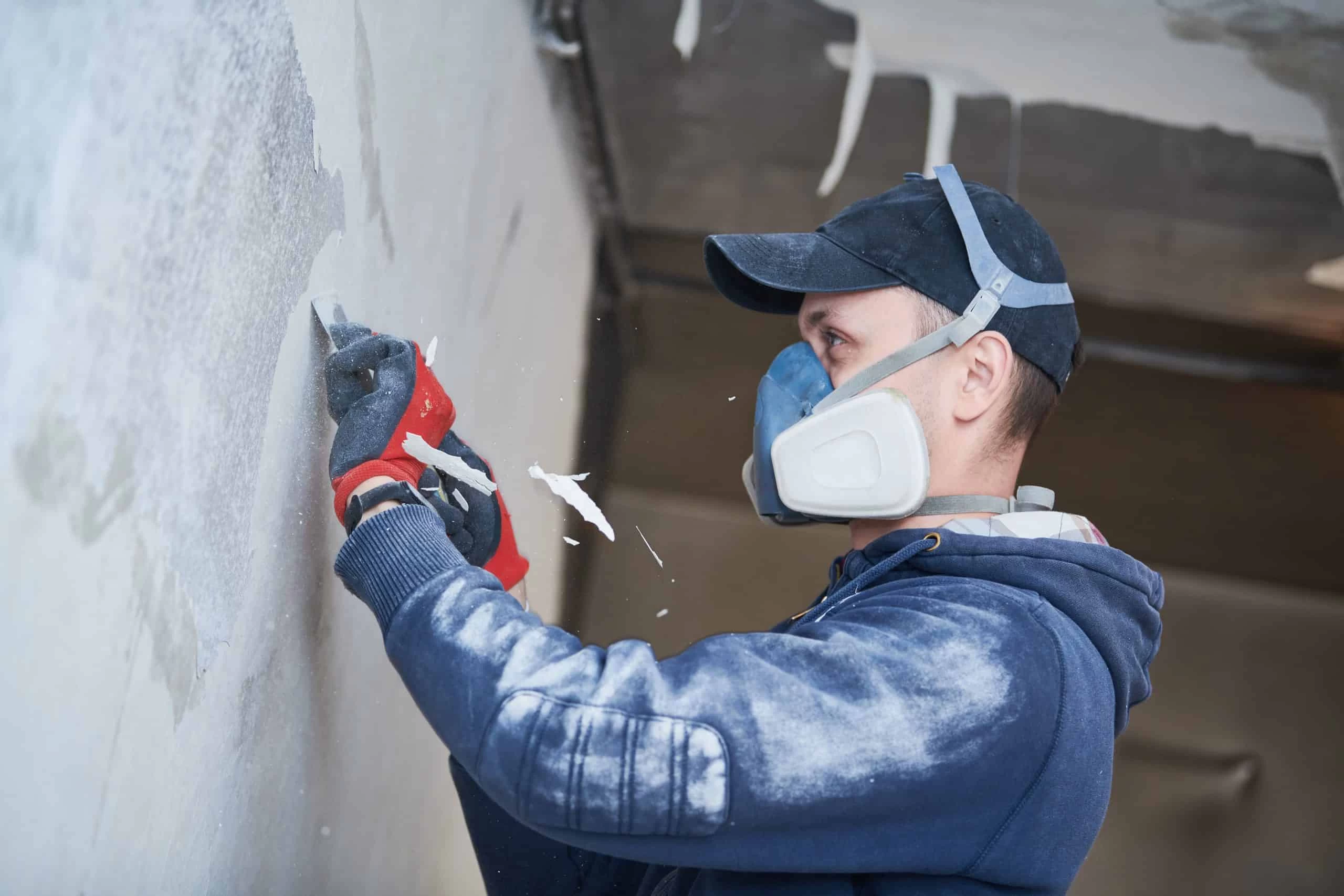
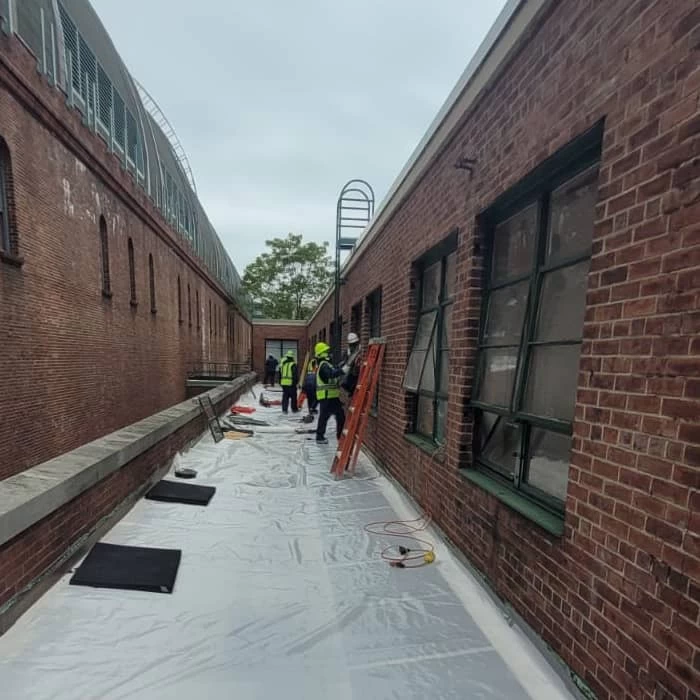
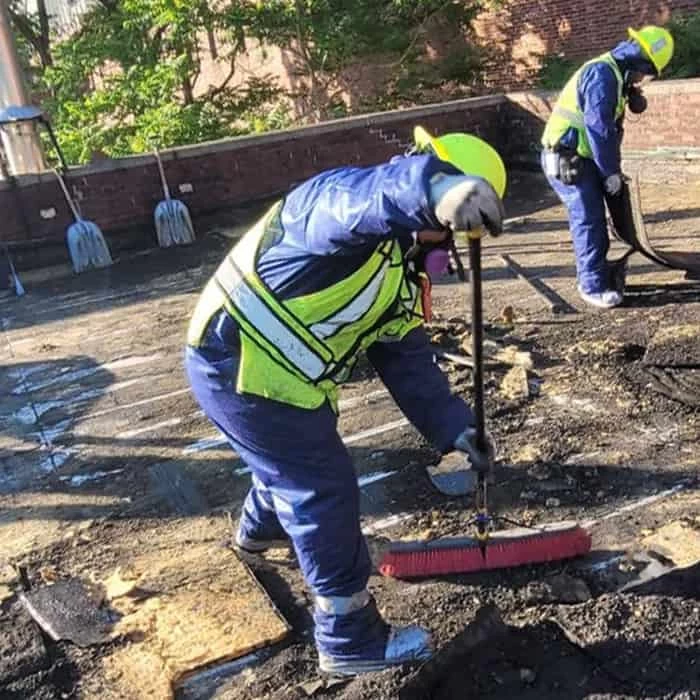
I needed a professional consultation explanation of procedure for safe removal of Asbestos in my apartment complex. Without having an account yet, I was very impressed with the caring, knowledgeable and generous advice offered by Jessica, and will look forward to doing business in the future. Thank you so much! I feel much more informed about a sometimes scary endeavor. Peace. Nancy Silva Mineola, NY.
Mia Munoz
Used this company to clean up some water flood in my house. They were fast and easy to work with.very professional, Would recommend to anyone!
Nini Valle
Great company, had a flood and they responded quickly and efficiently. Billed my insurance company directly. I highly recommend this company!
joe colapietro, jr
I had pipe freeze in my basement right before a snow storm and they made to within an hour to help start the clean up process. They we by our side throughout the entire process and even helped with the insurance company. They did such a great job with the cleanup, repair, remidiation, I contracted them to perform the repairs and finishes in the basement. They came with enough manpower and material to get the job done. Leo and Jessica were nothing but a pleasure to deal with!!
Cristian Arredondo c
I had some water damage in my home and Green Island was able to take care of my issue quickly and effectively. I am very pleased with the work they did. They responded quickly and were very professional.
Michael M
Outstanding service! From the office to the field crew everyone was friendly, helpful and responsive. I highly recommend Green Island Group.
A fire doesn’t just burn what it touches. In Utopia’s older brick and Tudor-style homes most built between the 1940s and 1960s smoke travels through plaster walls, original ductwork, and wood framing long after the flames are out. What looks like surface damage on the outside is often a much deeper problem inside. That’s the reality of fire restoration in this neighborhood, and it’s why a surface-level cleanup almost never gets the job done.
The homes on these blocks represent serious investments. With median home values approaching $1.3 million, a poorly handled restoration doesn’t just leave behind odor and soot it leaves behind a property that appraisers, buyers, and your own family will notice. You deserve a full restoration that brings your home back to where it was before, not a patched version of it.
There’s also the air quality piece that often gets overlooked. Utopia sits close to the Long Island Expressway, and residents here are already mindful of what’s in the air. After a fire, soot particles and smoke residue become a real health concern especially for homes with children or elderly family members. Getting the air right isn’t optional. It’s part of what complete fire damage restoration actually means.
We’re a Queens-based restoration company that works specifically in the New York City market. That matters here because restoration work in Utopia falls under the NYC Building Code and the 2022 NYC Fire Code not the state code that applies everywhere else. Contractors who don’t operate regularly inside the five boroughs often don’t know the difference, and that gap can mean unpermitted repairs or failed inspections down the road.
We’ve worked throughout Queens Community Board 8 including Fresh Meadows, Jamaica Estates, Kew Gardens Hills, and the surrounding neighborhoods that border Utopia on every side. We know the housing stock here. We know what a 1950s brick colonial looks like after a kitchen fire, and we know what it takes to restore it the right way. When you call us, you’re not getting a franchise dispatcher routing a crew from Long Island. You’re getting a local team that understands exactly where you live and what your home is worth.
The first thing we do when we arrive is assess the full scope of the damage not just what burned, but where smoke traveled, what structural elements were compromised, and what your insurance documentation needs to look like. In Utopia’s older homes, that assessment often turns up things a quick visual inspection would miss: smoke in wall cavities, soot behind original plaster, or heat damage to aging electrical systems that were already under stress.
From there, we handle emergency board-up and tarping to secure the property, then move into smoke and soot remediation. We use industrial air scrubbers, thermal fogging, and HEPA filtration to address odor and air quality at the source not just mask it. Because Utopia has no subway access and most residents are home-dependent on their property, we work with a clear timeline so you know exactly when each phase is complete and when it’s safe to be back in your space.
Structural repairs and reconstruction come next, all permitted through the NYC Department of Buildings. We pull the permits, schedule the inspections, and complete the work to code. The final walkthrough isn’t a formality it’s your confirmation that everything is done, documented, and ready for your insurance company’s sign-off.
Everything Covered, Nothing Left for You to Chase Down
Fire damage restoration in Utopia means dealing with a specific type of home in a specific regulatory environment. The brick and Tudor construction that defines this neighborhood holds heat differently than newer builds, and older insulation and wood framing can harbor smoke odor for months if the remediation isn’t thorough. Every job we take on here includes a full structural assessment, content evaluation, smoke and odor remediation, air quality testing, and reconstruction handled under one contract with one point of contact.
We also coordinate directly with your insurance carrier. For homeowners in Utopia carrying significant coverage on $1 million-plus properties, that coordination isn’t a courtesy it’s critical. We document damage in the format adjusters require, communicate on your behalf, and make sure the full scope of the loss is captured in your claim. The difference between a complete settlement and a shortfall often comes down to how well the damage was documented in the first place.
Because all work here falls under NYC jurisdiction, every structural repair we perform is permitted through the NYC Department of Buildings and completed to 2022 NYC Fire Code standards. That’s not something every restoration company operating in Queens can say particularly those based in Nassau County or Long Island who treat the city as secondary territory. For a neighborhood as invested in its homes as Utopia, that distinction is worth asking about before you sign anything.
How quickly can fire damage restoration begin at my Utopia home?
We offer 24/7 emergency response to Utopia and the surrounding Queens neighborhoods. That means when you call whether it’s 2 in the morning after the FDNY leaves or first thing on a Sunday we can have someone on-site to assess the damage and begin emergency stabilization the same day. The faster the response, the less smoke penetration spreads through your walls and ductwork, and the lower your overall restoration costs tend to be.
Because Utopia has no subway service and residents here are heavily dependent on their homes many families have lived on the same block for decades we understand that getting your property secured and the process started isn’t something that can wait for a Monday morning appointment window. We treat every call as urgent because, frankly, it is.
Does my homeowner's insurance cover fire damage restoration in Queens, NY?
Most standard homeowner’s insurance policies cover fire damage restoration, including structural repairs, smoke remediation, and temporary housing costs if your home is uninhabitable during the process. That said, what gets covered and how much depends heavily on how the damage is documented and presented to your adjuster. Incomplete documentation is one of the most common reasons homeowners end up with a settlement that doesn’t reflect the true cost of the work.
For Utopia homeowners carrying policies on properties valued at $1 million or more, this matters significantly. We work directly with your insurance carrier, prepare documentation in the format adjusters expect, and make sure the full scope of the loss including smoke damage in areas that weren’t visibly burned is properly captured. We’ve worked with the major carriers operating in Queens County and know how to move the process forward without delays.
Why does smoke smell linger so long in older Queens homes after a fire?
Smoke odor persists because smoke doesn’t stop moving when the fire goes out. In Utopia’s older homes most built between the 1940s and 1960s smoke travels through original plaster walls, wood framing, vintage ductwork, and flooring materials that are far more porous than modern construction. By the time the FDNY clears the scene, smoke particles have often penetrated deep into areas that look completely unaffected.
Surface cleaning and airing out the home doesn’t solve this. It takes industrial-grade air scrubbers, thermal fogging, and hydroxyl generation to break down smoke odor at the molecular level. We also test air quality before and after remediation so you have documentation that the issue was actually resolved not just masked. For families with children or elderly residents, that clearance isn’t optional. It’s the standard.
Do I need a permit for fire damage repairs in Utopia, NY?
Yes and this is one of the most important things to understand before hiring any restoration contractor in Utopia. Because Utopia is part of New York City, all structural repairs and reconstruction following a fire fall under the NYC Building Code and the 2022 NYC Fire Code, administered by the NYC Department of Buildings. This is a completely separate regulatory framework from the New York State Uniform Fire Prevention and Building Code, which applies everywhere outside the five boroughs.
What that means practically is that any contractor performing structural repairs, electrical work, or significant reconstruction in your home needs to be pulling NYC DOB permits and completing work to city code standards. Contractors based in Nassau County or Long Island who aren’t regularly operating inside the five boroughs often aren’t set up to do this correctly. Unpermitted work can create serious problems at resale, trigger stop-work orders, or leave you with liability if something goes wrong later. Ask any contractor you’re considering whether they pull NYC permits before you agree to anything.
What parts of my Utopia home are most at risk for hidden fire damage?
In Utopia’s brick and Tudor-style homes, the areas most commonly affected by hidden fire damage are the wall cavities behind original plaster, the attic space and roof framing above the fire origin point, original ductwork and HVAC systems, and any wood structural elements near the fire source. These areas don’t always show obvious visual damage, but they can harbor soot, heat stress, and smoke contamination that creates long-term structural and air quality problems if left unaddressed.
Older homes in this neighborhood also frequently have electrical systems that were already aging before the fire knob-and-tube wiring, outdated circuit panels, and undersized service entrances are common in pre-1970 construction. A fire event, even a contained one, can compromise these systems further in ways that aren’t immediately visible. A thorough structural assessment after any fire should include a review of the electrical system, not just the burned areas, before any restoration work begins.
How long does fire damage restoration typically take for a home in Utopia?
The timeline depends on the scope of the damage, but for a typical single-family home in Utopia, the full process from emergency stabilization through final reconstruction generally runs anywhere from a few weeks for contained damage to two to three months for more significant structural loss. The variables that affect timeline most are the extent of smoke penetration into the home’s structure, the complexity of the NYC DOB permitting process for your specific repairs, and how quickly your insurance carrier processes the claim documentation.
One thing that genuinely affects timelines in this neighborhood is the age and complexity of the housing stock. Restoring a 1950s brick colonial with original plaster walls and vintage millwork takes more care and time than working on newer construction and it should. Rushing that process to hit an arbitrary deadline is how you end up with a home that looks restored but still smells like smoke six months later. We give you a realistic timeline upfront and communicate throughout so you’re never left wondering where things stand.