When Fire Hits a Wading River Home, Recovery Starts With a Local Call
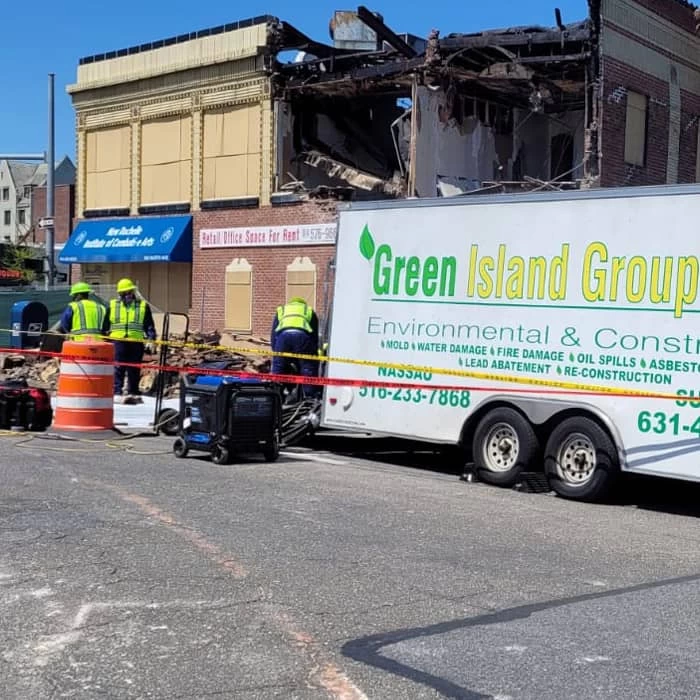
When fire hits a home on the North Shore, the damage runs deeper than what burned. We handle fire damage restoration in Wading River from the first emergency call to the final coat of paint. Our documented response time is under an hour and in a spread-out hamlet like this where every trip is by car, that speed directly limits how much additional damage sets in before work begins.
I needed a professional consultation explanation of procedure for safe removal of Asbestos in my apartment complex. Without having an account yet, I was very impressed with the caring, knowledgeable and generous advice offered by Jessica, and will look forward to doing business in the future. Thank you so much! I feel much more informed about a sometimes scary endeavor. Peace. Nancy Silva Mineola, NY.
Mia Munoz
Used this company to clean up some water flood in my house. They were fast and easy to work with.very professional, Would recommend to anyone!
Nini Valle
Great company, had a flood and they responded quickly and efficiently. Billed my insurance company directly. I highly recommend this company!
joe colapietro, jr
I had pipe freeze in my basement right before a snow storm and they made to within an hour to help start the clean up process. They we by our side throughout the entire process and even helped with the insurance company. They did such a great job with the cleanup, repair, remidiation, I contracted them to perform the repairs and finishes in the basement. They came with enough manpower and material to get the job done. Leo and Jessica were nothing but a pleasure to deal with!!
Cristian Arredondo c
I had some water damage in my home and Green Island was able to take care of my issue quickly and effectively. I am very pleased with the work they did. They responded quickly and were very professional.
Michael M
Outstanding service! From the office to the field crew everyone was friendly, helpful and responsive. I highly recommend Green Island Group.
What Full Restoration Actually Looks Like in Wading River
Most people assume fire damage ends where the flames did. It doesn’t. Smoke moves through your HVAC system and settles into wall cavities, closets, and rooms that never saw a single flame. The water used to put out the fire sometimes hundreds of gallons soaks into floors and ceilings and creates the conditions for mold within 24 to 48 hours. The visible burn area is almost always the smallest part of the problem.
In Wading River, this matters more than most places because of the age of the housing stock. A large portion of the homes here were built during the post-WWII construction boom late 1940s through the 1960s when asbestos-containing materials were standard in floor tiles, pipe insulation, and ceiling texture. When fire damages those materials, asbestos fibers can become airborne. That’s not a cleanup issue, it’s a licensed abatement issue, and not every restoration company is equipped to handle it. We are.
There’s also the winter factor. Wading River sits on the North Shore and takes the full force of Long Island winters nor’easters, heavy snowfall, extended cold snaps. Chimney fires and heating equipment failures are among the most common causes of house fires here, and they tend to happen when conditions outside make a fast, competent response matter most. When you call, you need someone who actually shows up.
Green Island Group is a locally owned and operated restoration company serving Nassau and Suffolk Counties. Not a franchise, not a call center a real Long Island company with real people who answer the phone and show up when we say we will. Multiple customers have named Leo and Jessica specifically in reviews, not because it’s a talking point, but because those are the people who stayed with their projects from start to finish.
Wading River sits across two town jurisdictions part in the Town of Riverhead, part in the Town of Brookhaven. That split affects which building department issues your permits, which codes apply, and which inspectors review the restoration work. A company that doesn’t know that detail will slow your project down. We work across Suffolk County and understand how this area’s regulatory environment actually functions.
From the historic homes near North Country Road to the wooded properties off Hulse Landing Road near Wildwood State Park, the homes in Wading River are not generic construction. They deserve a restoration company that treats them accordingly.
From Emergency Call to Move-Back-In, Here's How We Work
It starts with the call. We’ve documented response times under an hour and in a spread-out, car-dependent hamlet like Wading River, where the nearest rail station closed in 1938 and every trip is by car, that speed directly limits how much additional damage sets in before work begins. Soot starts permanently etching surfaces within 24 to 72 hours. The clock is real.
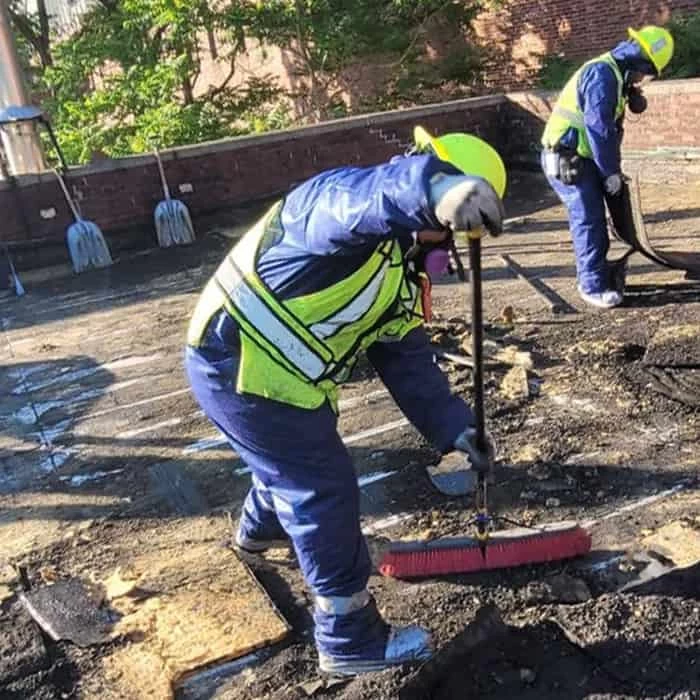
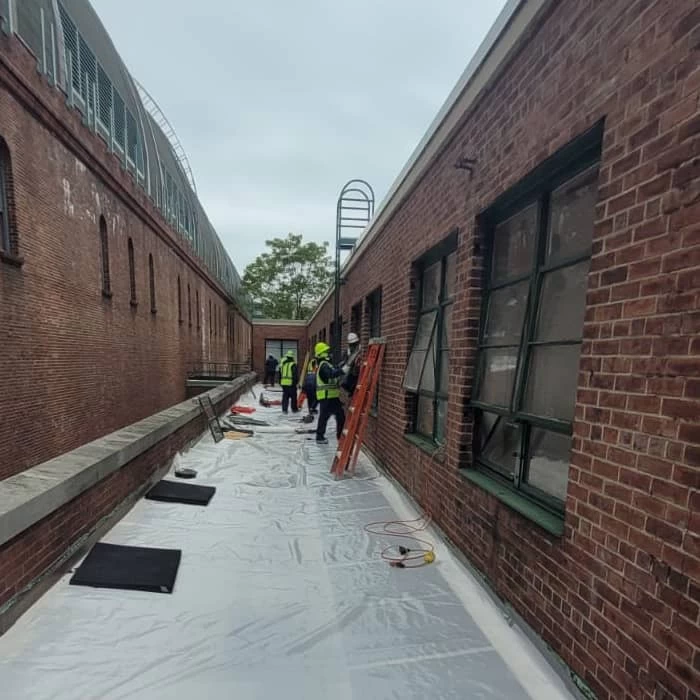
Once on-site, our team does a full assessment not just the burn area, but the entire affected zone. That means checking HVAC pathways, moisture mapping for water intrusion from suppression efforts, and identifying whether any disturbed materials require environmental testing before cleanup can proceed. For homes built before 1978, asbestos assessment is part of that initial walkthrough, not an afterthought. If abatement is needed, we handle it in-house with the proper New York State licensing no subcontracting, no delays waiting on a third party.
From there, the work moves through remediation, demolition of unsalvageable materials, and full reconstruction. That includes everything from structural repairs through final finishes. If your project requires permits through the Town of Riverhead or the Town of Brookhaven building departments, that’s part of the process too. Throughout all of it, the insurance side runs in parallel we work directly with adjusters so you’re not left translating between your contractor and your carrier.
Fire Smoke Damage Restoration Service Wading River
Everything the Job Requires, Handled Under One Roof
Fire damage restoration here isn’t a single service it’s a sequence of connected work that has to be done in the right order by people with the right credentials. We cover the full scope: emergency stabilization, soot and smoke remediation, water extraction from firefighting suppression, HEPA air scrubbing, thermal fogging for odor elimination, asbestos and mold abatement when required, structural demolition, and complete reconstruction through final finishes.
For Wading River homeowners specifically, the environmental piece is often where other companies fall short. Suffolk County homes built before 1978 which describes a significant portion of the housing stock in this hamlet commonly contain asbestos-containing materials that become a licensed abatement requirement the moment they’re disturbed by fire or mechanical cleanup. We hold the environmental remediation licensing to handle this legally and completely, which means your home gets cleared, not just cleaned.
The insurance navigation is built into the process, not bolted on. We work with your carrier, understand how adjusters scope fire claims, and advocate for the full restoration not just what gets approved on the first pass. With median home values in Wading River around $581,000, the financial stakes of an underpaid claim are significant. You shouldn’t have to fight that battle alone while you’re also displaced from your home.
What should I do immediately after a house fire in Wading River?
The most important thing is to not re-enter the home until it’s been cleared by the fire department or a structural professional. After that, your next call should be to a restoration company not because it’s urgent for business reasons, but because soot begins permanently etching and staining surfaces within 24 to 72 hours, and the water used to suppress the fire creates mold conditions within 24 to 48 hours. Every hour of delay increases the total scope of damage.
Once you’ve made that call, document everything you can from a safe distance photos, video, whatever you can capture before cleanup begins. Then contact your homeowner’s insurance carrier to open a claim. You don’t need to have all the answers before you call; a good restoration company will help you understand what’s been affected and what the scope of work looks like before any decisions are made. We walk through that initial assessment with you before anything else moves forward.
Does homeowners insurance cover fire damage restoration in New York?
The short answer is yes but the scope of what’s covered depends on your specific policy and how the claim is filed. Most standard homeowner’s insurance policies cover fire damage restoration, including smoke remediation, water extraction from suppression efforts, and structural repairs. What often gets missed is the full extent of the damage, particularly smoke contamination in areas that didn’t burn and water damage from firefighting efforts.
In Wading River, where home values average around $581,000, the difference between a well-documented claim and a rushed one can be tens of thousands of dollars. We work directly with insurance adjusters using industry-standard estimating tools, which means the scope submitted to your carrier reflects the actual damage not a minimized version of it. If your adjuster’s initial estimate feels low, that’s a normal part of the process, and it’s something that can be addressed before work begins.
Does my older Wading River home need asbestos testing before restoration work starts?
If your home was built before 1978, asbestos testing should be part of the initial assessment before any demolition or mechanical cleanup begins. Wading River has a significant portion of housing built during the post-WWII construction era late 1940s through the 1960s when asbestos-containing materials were standard in floor tiles, pipe insulation, ceiling texture, and joint compound. Fire damage and the physical work of cleanup can disturb those materials and make fibers airborne.
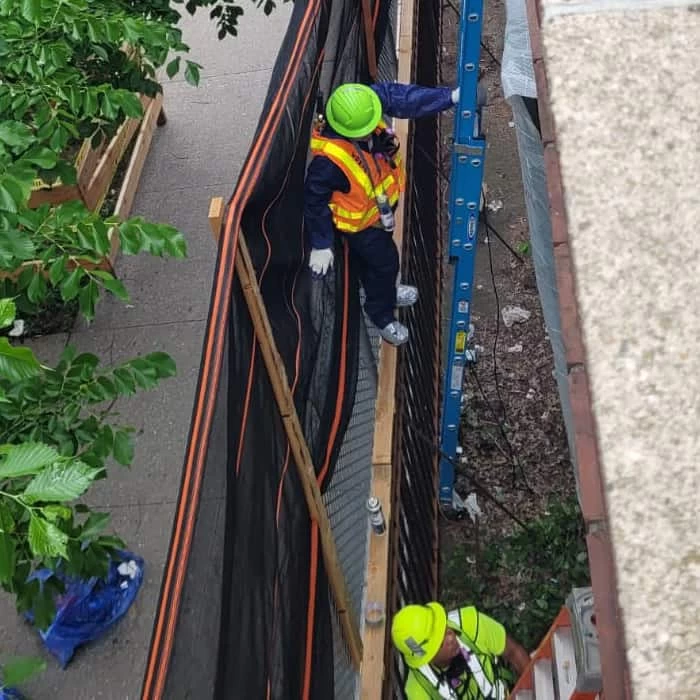
New York State requires NYSDOL-certified contractors to perform asbestos abatement, and the work must follow specific containment, notification, and disposal protocols. This isn’t optional, and it’s not something a general restoration company without environmental licensing can legally complete. We hold the certifications required to assess, abate, and clear asbestos as part of the full restoration process which means the job doesn’t stall waiting on a separate subcontractor, and your family isn’t moved back into a home that hasn’t been properly cleared.
How long does fire damage restoration take for a home in Wading River, NY?
The timeline depends heavily on the scope of damage, but for a typical residential fire in Wading River, you’re generally looking at anywhere from a few weeks for contained smoke and soot damage to several months for a fire that required structural repairs and full reconstruction. The variables that extend timelines the most are environmental testing and abatement, permit processing, and insurance approval delays.
In Wading River specifically, the dual-town jurisdiction adds a layer worth understanding. Depending on where your property sits within the Town of Riverhead or the portion that falls under the Town of Brookhaven the building department with jurisdiction over your permits will differ. We know how to navigate both, which prevents the kind of administrative delays that happen when a contractor submits to the wrong department or doesn’t know which codes apply. Getting that right from the start keeps the project moving on the timeline it should.
Can smoke damage spread to rooms that didn't have any visible fire?
Yes, and it’s one of the most commonly underestimated aspects of fire damage. Smoke is not contained to the room where the fire occurred. It travels through HVAC ductwork, penetrates wall cavities, moves through gaps around electrical outlets and plumbing penetrations, and settles on every surface it reaches including inside wall voids and above drop ceilings. In many fire jobs, the smoke contamination in unburned areas of the home is more extensive than the direct fire damage.
This is particularly relevant in Wading River’s older housing stock, where HVAC systems and building envelopes are often less airtight than modern construction. Smoke has more pathways to travel, and it does. A thorough fire and smoke damage restoration assessment includes the entire home, not just the burn zone. We use HEPA air scrubbing and thermal fogging to address odor and contamination throughout the full affected area not just what’s visible to the eye on the first walkthrough.
Why should I hire a local restoration company instead of a national franchise for my Wading River home?
The practical difference comes down to accountability and local knowledge. A national franchise operates on a standardized playbook that doesn’t account for the specific regulatory and structural realities of a place like Wading River. The dual-town jurisdiction split between Riverhead and Brookhaven, the prevalence of pre-1978 housing with asbestos-containing materials, the specific permit requirements of each building department these are details that matter for your project and that a locally rooted company handles as a matter of routine.
There’s also the accountability factor. In a hamlet this size, reputation travels. Green Island Group is a Long Island company whose business is built on Long Island relationships not a franchise brand that moves on after the job closes. When customers name specific people like Leo and Jessica in their reviews, that’s not a coincidence. It reflects a service model where the same people who assess your home are the ones who see the job through. That continuity is harder to find than it should be in this industry, and in a community like Wading River, it’s exactly what the situation calls for.