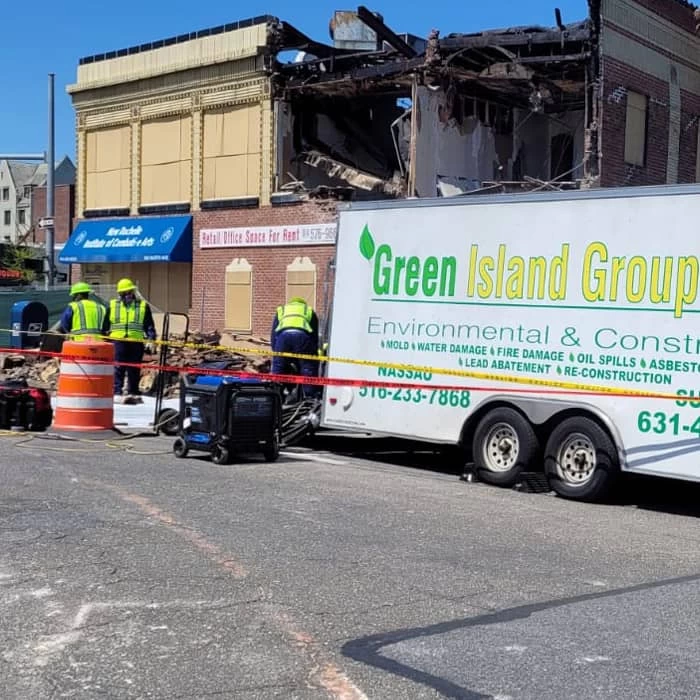
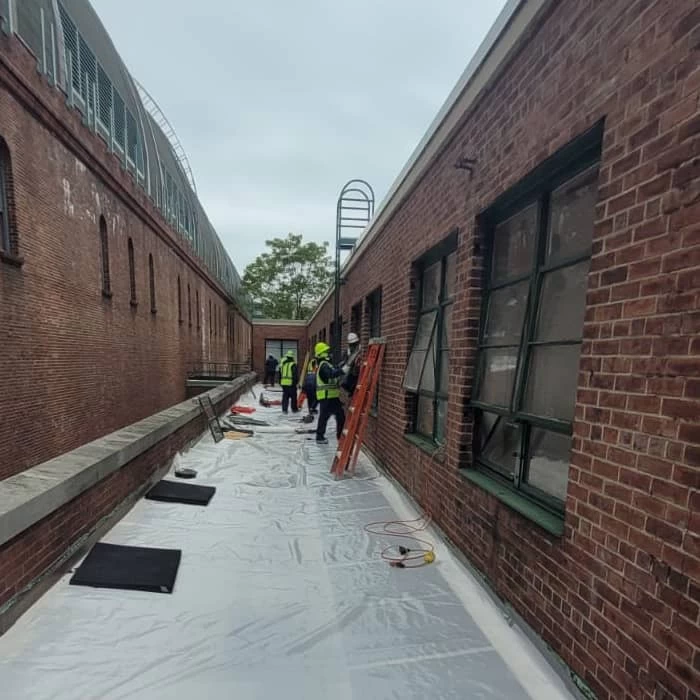
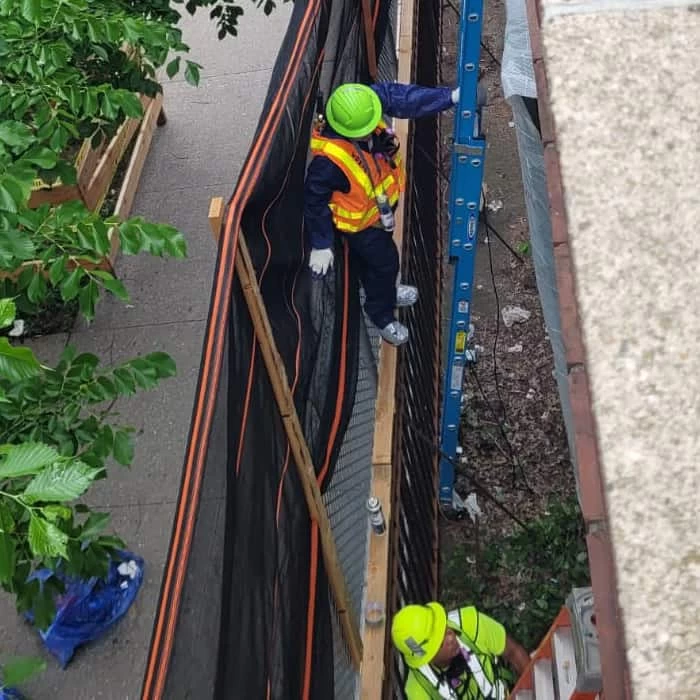
When a Hamptons Estate Fire Leaves Nothing to Chance
Fire damage in Wainscott moves fast and so does the cost of waiting. We handle everything from smoke cleanup to full reconstruction, so your property gets back to exactly what it was.
I needed a professional consultation explanation of procedure for safe removal of Asbestos in my apartment complex. Without having an account yet, I was very impressed with the caring, knowledgeable and generous advice offered by Jessica, and will look forward to doing business in the future. Thank you so much! I feel much more informed about a sometimes scary endeavor. Peace. Nancy Silva Mineola, NY.
Mia Munoz
Used this company to clean up some water flood in my house. They were fast and easy to work with.very professional, Would recommend to anyone!
Nini Valle
Great company, had a flood and they responded quickly and efficiently. Billed my insurance company directly. I highly recommend this company!
joe colapietro, jr
I had pipe freeze in my basement right before a snow storm and they made to within an hour to help start the clean up process. They we by our side throughout the entire process and even helped with the insurance company. They did such a great job with the cleanup, repair, remidiation, I contracted them to perform the repairs and finishes in the basement. They came with enough manpower and material to get the job done. Leo and Jessica were nothing but a pleasure to deal with!!
Cristian Arredondo c
I had some water damage in my home and Green Island was able to take care of my issue quickly and effectively. I am very pleased with the work they did. They responded quickly and were very professional.
Michael M
Outstanding service! From the office to the field crew everyone was friendly, helpful and responsive. I highly recommend Green Island Group.
Fire damage rarely stops where the flames do. Smoke travels through HVAC systems within minutes, soot starts permanently etching surfaces within 24 to 72 hours, and the water used to suppress the fire creates its own mold risk if it isn’t properly extracted and dried. By the time you or your caretaker walks through the door, the damage is already spreading into areas that never saw a single flame.
In Wainscott, that problem is compounded by the coastal environment. The Atlantic Ocean proximity means persistent humidity that slows drying after firefighting water is introduced and salt air accelerates corrosion in HVAC systems, electrical panels, and structural hardware during the window between suppression and restoration. What might dry out in a week in an inland home can linger far longer here, widening the mold window and deepening the total scope of damage.
The other reality specific to Wainscott is that many properties sit vacant for months at a time. A fire that starts in an unoccupied home a heating system malfunction, an electrical fault, a chimney fire in a house that hasn’t been opened since summer can burn longer and spread further before anyone notices. When the damage is finally discovered, it’s bigger, more complex, and more urgent than a fire caught immediately by a full-time resident. That’s exactly the kind of job we’re built for.
We’re an independently owned restoration company based in Suffolk County not a franchise, not a national chain with a local phone number. When you call, you reach a real team with real accountability to the communities we work in. That includes Wainscott, the Georgica area, and the broader East Hampton hamlet.
What makes the difference here isn’t just the services we offer it’s the way we handle the job. Customers name Leo and Jessica by name in their reviews. They describe insurance claims that got navigated correctly, response times under an hour, and crews that showed up with enough people and materials to actually finish the job. That kind of specificity in a review doesn’t happen by accident.
We cover the full scope: emergency response, smoke and soot remediation, water extraction and drying, environmental work including asbestos abatement, demolition, and complete reconstruction. You don’t coordinate multiple contractors. You make one call, and the process runs from there.
It starts the moment you call. We respond fast because in fire damage restoration, every hour that passes is more soot etched into surfaces, more moisture absorbed into framing, and more mold risk building behind walls. The first step on-site is a thorough assessment: what burned, what the smoke reached, where the firefighting water went, and what hidden damage exists inside wall cavities, ductwork, and flooring systems.
From there, the work gets structured around what the property actually needs not a standard checklist. In Wainscott, that often means accounting for the coastal humidity that slows the drying process, testing for asbestos in older structures along Wainscott Main Street before any demolition begins, and coordinating with the East Hampton Town Building Department for the permits required on any structural reconstruction work. All permit submissions go through the Town’s OpenGov Portal, and we handle that process so you don’t have to manage it from a distance.
Smoke and odor remediation runs in parallel with structural work thermal fogging and hydroxyl treatment address smoke molecules at the material level, not just on the surface. The job isn’t done when it looks finished. It’s done when the property smells like it did before, the air quality is clean, and the restoration matches the original quality of the home. That’s the standard we hold ourselves to, and it’s backed by a straightforward commitment: we’re not done until you’re satisfied.
Every Phase Covered for High-Value Coastal Properties
Fire damage restoration on a Wainscott property isn’t a single service it’s a sequence of interconnected work that has to be handled in the right order by people who understand what they’re dealing with. We cover the full sequence: emergency board-up and securing, smoke and soot removal, water extraction and structural drying, odor elimination, environmental remediation, demolition of damaged materials, and complete reconstruction including finishes.
For properties in the Georgica area, along Beach Lane, or on the historic blocks of Wainscott Main Street, that reconstruction piece matters as much as the cleanup. Older farmhouses and cottages may contain original millwork, custom finishes, or architectural details that can’t be replaced with standard contractor materials. High-end estates on Georgica Pond have bespoke interiors that require material matching and craftsmanship, not just structural repair. Our end-to-end model means the same company that removes the damage is also responsible for restoring the property to its original condition so there’s no gap between the remediation crew and the reconstruction crew, and no one pointing fingers when something doesn’t line up.
The insurance side is built into the process as well. We work directly with adjusters, document damage in a format that supports the claim, and help property owners and their managers understand what’s covered and what to expect. For a Wainscott property with a complex high-value policy, that support is not a small thing.
What should I do first after a fire at my Wainscott property?
The most important thing you can do immediately after a fire is avoid re-entering the property until it’s been cleared as structurally safe that determination comes from the fire department or a licensed professional, not a visual check from the doorway. Once it’s safe to enter, the clock on secondary damage has already started. Soot begins bonding to surfaces within hours, and firefighting water starts the mold process within 24 to 48 hours.
Call a restoration company before you start cleaning anything yourself. Surface cleaning done incorrectly using the wrong products on soot, for example can push contamination deeper into porous materials and make the remediation harder and more expensive. If you’re managing the property remotely or through a caretaker, we can coordinate directly with whoever is on-site in Wainscott, document the damage for your insurance claim, and begin emergency mitigation the same day. You don’t need to be there to get the process started.
How long does fire damage restoration typically take for a home in Wainscott?
The honest answer is that it depends on the scope, and scope in Wainscott can vary significantly. A contained kitchen fire in a year-round residence might take two to three weeks from initial cleanup through final reconstruction. A fire in a larger seasonal estate especially one that went undetected for a period of time before a caretaker discovered it can take several months, particularly when asbestos testing, environmental remediation, and complete structural reconstruction are involved.
Coastal conditions in Wainscott also affect the timeline. The persistent humidity from the Atlantic Ocean slows the structural drying process compared to inland properties, which means moisture readings need to be confirmed before reconstruction begins rushing that step leads to mold problems inside finished walls. East Hampton Town building permits, required for any structural work, add a processing window that needs to be factored into the schedule. We manage that permitting process and keep the project moving so delays don’t compound.
Does homeowners insurance cover fire damage restoration in Wainscott, NY?
Standard homeowners insurance policies cover fire damage, including the cost of smoke remediation, water damage from fire suppression, and structural reconstruction but the specifics depend on your policy, your coverage limits, and how the claim is documented. For high-value properties in Wainscott, where restoration costs can reach $500,000 or more on a significant loss, the documentation piece is critical. An underdocumented claim can result in a payout that doesn’t cover the actual cost of restoring the property to its original condition.
We work directly with insurance adjusters throughout the process. We document damage in detail, provide estimates in formats that align with what adjusters use, and help property owners understand what they’re entitled to under their policy. Multiple customers have specifically cited this insurance navigation support in their reviews it’s not an add-on, it’s part of how we handle the job. If you’re managing a complex policy on a Wainscott estate and you’re not sure where to start with the claim, that’s exactly the kind of situation we’re used to working through.
Can smoke damage affect rooms in my home that didn't catch fire?
Yes and this is one of the most commonly underestimated aspects of fire damage. Smoke doesn’t stay in the room where the fire started. It travels through HVAC ductwork, gaps in walls, and ceiling cavities, depositing soot and odor-causing compounds throughout the entire structure within minutes of ignition. In a Wainscott estate with a sophisticated forced-air system, a fire in one wing of the house can contaminate every room before the fire department arrives.
The compounds in smoke from burning synthetic materials upholstery, cabinetry, electronics, flooring are not just unpleasant. They include toxic and carcinogenic particles that are invisible but present on surfaces and in the air long after the visible soot is cleaned. A property that looks clean but still has a smoke smell is a property with smoke contamination that wasn’t fully addressed. Our remediation process includes HEPA air scrubbing and duct cleaning alongside surface remediation, so the entire structure is treated not just the rooms with visible damage.
My Wainscott home is a seasonal property how does that affect fire restoration?
Seasonal and second-home properties in Wainscott present a specific set of challenges that are different from a year-round primary residence. When a fire occurs in a vacant home from a heating system failure, a chimney fire, or an electrical fault it often burns longer and spreads further before it’s discovered. By the time a caretaker or neighbor notices and calls for help, the damage is more extensive than it would have been with a resident on-site.
The restoration process for a vacant property also requires more coordination. The homeowner is typically not present and may be managing the situation from Manhattan or further away. We’re set up to work directly with property managers and caretakers, communicate clearly with absent owners, and interface with insurance companies on the owner’s behalf all without requiring you to be on-site in Wainscott to keep the project moving. If you need the property ready before a specific season opens, that timeline gets built into the project plan from day one.
Is it safe to stay in a home with smoke damage after a fire in Wainscott?
In most cases, no at least not until the property has been assessed and the extent of smoke contamination is understood. Smoke residue contains carbon monoxide, formaldehyde, and fine particulate matter that can cause respiratory problems, headaches, and longer-term health effects with prolonged exposure. The smell is a symptom, not the problem itself the problem is what’s in the air and on the surfaces even after the visible soot is wiped away.
For Wainscott properties, this question often comes up in the context of a partial fire a contained kitchen fire or a chimney incident where the rest of the house looks fine. Even in those cases, smoke travels further than it appears to, and the HVAC system can redistribute contaminated air throughout the home every time it runs. A professional air quality assessment after any fire event is the only way to know whether the property is actually safe to occupy. We can assess the full scope of smoke infiltration and give you a clear picture of what needs to be addressed before the property is safe for occupancy again.