I needed a professional consultation explanation of procedure for safe removal of Asbestos in my apartment complex. Without having an account yet, I was very impressed with the caring, knowledgeable and generous advice offered by Jessica, and will look forward to doing business in the future. Thank you so much! I feel much more informed about a sometimes scary endeavor. Peace. Nancy Silva Mineola, NY.
Mia Munoz
Used this company to clean up some water flood in my house. They were fast and easy to work with.very professional, Would recommend to anyone!
Nini Valle
Great company, had a flood and they responded quickly and efficiently. Billed my insurance company directly. I highly recommend this company!
joe colapietro, jr
I had pipe freeze in my basement right before a snow storm and they made to within an hour to help start the clean up process. They we by our side throughout the entire process and even helped with the insurance company. They did such a great job with the cleanup, repair, remidiation, I contracted them to perform the repairs and finishes in the basement. They came with enough manpower and material to get the job done. Leo and Jessica were nothing but a pleasure to deal with!!
Cristian Arredondo c
I had some water damage in my home and Green Island was able to take care of my issue quickly and effectively. I am very pleased with the work they did. They responded quickly and were very professional.
Michael M
Outstanding service! From the office to the field crew everyone was friendly, helpful and responsive. I highly recommend Green Island Group.
What Full Recovery Actually Looks Like in the Financial District
A fire in a Wall Street high-rise is not a contained event. Smoke travels through shared HVAC ductwork. Firefighting water soaks into structural materials behind walls you can’t see. Soot begins permanently etching surfaces within minutes of the fire being out. If the response isn’t fast and thorough, the damage compounds and so does the cost.
The Financial District’s building stock makes this more complicated than most places. Many of the residential towers along Wall Street and the surrounding blocks converted early 20th-century commercial buildings were built with materials that predate modern safety standards. When fire disturbs those materials, you’re not just dealing with smoke and char. You may be dealing with asbestos, lead paint, or other hazardous substances that require licensed environmental handling, not just standard cleanup.
What recovery looks like when it’s done right: no residual smoke odor, no hidden mold from water intrusion, no missed hazardous material exposure, no surprise DOB compliance issue, and a unit that’s fully restored not just patched. That’s the outcome you should expect, and it’s the only standard we work to.
Local, Licensed, and Built for Wall Street's Most Complex Buildings
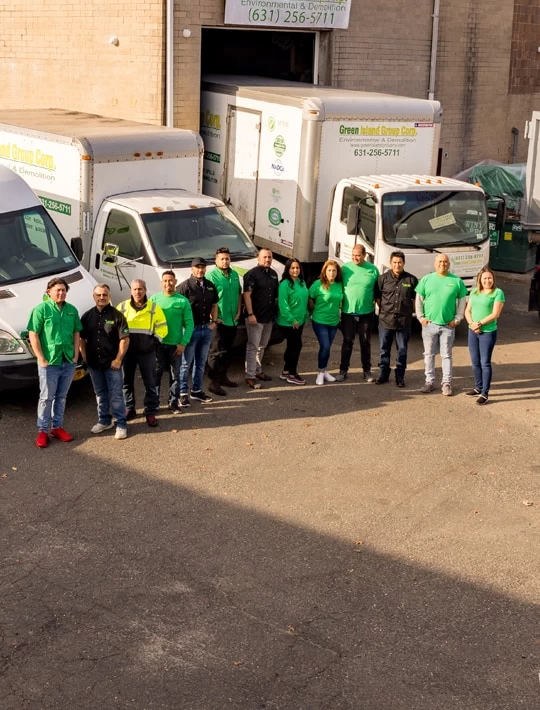
We are a locally owned and operated environmental remediation, restoration, and demolition company serving New York State including Manhattan and all five boroughs. Not a franchise. Not a national call center routing jobs to whoever’s available. A local team that knows the buildings around Wall Street, knows the regulations, and picks up the phone at 3am when you need us.
That local knowledge matters in the Financial District. The converted towers around Wall Street, Bowling Green, and Battery Park City are not standard residential buildings. They have shared mechanical systems, original construction materials, co-op and condo board oversight, and NYC Department of Buildings requirements that apply specifically to Manhattan restoration work. We operate under NYS, NYC, and USEPA regulatory frameworks which means the compliance piece is handled, not improvised.
Customers consistently note two things in reviews: the team is reachable when it counts, and we handle insurance billing directly. In a neighborhood where a fire damage claim can involve both a building master policy and an individual unit policy simultaneously, that matters more than it sounds.
One Team Carries It From Emergency Call to Final Walkthrough
The first call triggers an immediate response. Our team assesses the scope of damage, secures the property with emergency board-up or tarping if needed, and begins the documentation process for your insurance claim all before a single wall gets touched. In a Financial District building, that early documentation is critical. Insurance adjusters need thorough scope-of-work records, and in buildings where damage may span multiple units or shared systems, the initial assessment determines how the entire claim gets structured.
From there, the remediation sequence is methodical. Fire and smoke damage is addressed first soot removal, surface cleaning, and odor elimination using thermal fogging, hydroxyl generators, and HEPA air scrubbers that treat contamination at the molecular level, not just on the surface. Water intrusion from firefighting is handled concurrently, because mold growth in saturated structural materials can begin within 24 to 48 hours. If the fire disturbed any hazardous materials asbestos-containing pipe insulation, lead paint in pre-1978 sections that abatement is handled under the same licensed framework, with no hand-off to a separate contractor.
Once remediation is complete and the environment is clear, reconstruction begins. We handle the full rebuild structural repairs, finishes, mechanical systems and manage the NYC DOB permit process. You don’t coordinate between a cleanup company and a general contractor. One team carries the job from emergency response to final walkthrough.
Everything a Wall Street Fire Restoration Job Actually Requires
Fire damage restoration in a Wall Street building covers more ground than most people expect going in. The visible damage charred surfaces, smoke staining, odor is the starting point, not the full picture. Our scope includes emergency securing of the property, complete smoke and soot remediation, water damage mitigation from firefighting efforts, mold prevention and remediation, hazardous material abatement where applicable, and full structural reconstruction.
The hazardous material piece is particularly relevant here. Buildings in the Financial District and surrounding neighborhoods including many of the converted towers near Bowling Green, South Street Seaport, and Battery Park City contain original construction materials that require NYS DEC-compliant handling when disturbed by fire. That’s not a standard capability for most restoration contractors. It’s a licensed, regulated process, and it’s part of what we bring to every job in this market.
Insurance coordination is built into the process from day one. We bill insurance directly and produce the documentation that adjusters need itemized scopes, photo evidence, written assessments so your claim is captured completely and you’re not leaving money on the table because the paperwork wasn’t done right. In a neighborhood where property values and claim amounts are among the highest in the city, that documentation piece is not an afterthought.
Does fire damage restoration in a Wall Street building require NYC DOB permits?
Yes, in most cases. Any structural repair work following fire damage in New York City requires permits from the NYC Department of Buildings. Depending on the scope of damage, a Registered Design Professional a licensed architect or engineer may need to certify the repair scope before work can proceed. This is not optional, and skipping it creates real liability for property owners and building managers.
In buildings near Wall Street that carry landmark designation or are located within a historically significant district, there’s an additional layer: the NYC Landmarks Preservation Commission may have jurisdiction over the materials and methods used in the restoration. We manage the DOB permit process as part of the job, so you’re not navigating that on your own while also dealing with displacement and an open insurance claim.
How quickly does smoke damage need to be addressed after a fire in my Wall Street apartment?
Faster than most people realize. Soot and smoke residue begin permanently etching surfaces glass, metal, countertops, painted walls within minutes to hours of a fire being extinguished. The longer it sits, the deeper it penetrates, and the more material has to be replaced rather than cleaned. What starts as a cleaning job becomes a reconstruction job if the response is delayed.
Water from firefighting adds a second clock. Structural materials that absorb moisture can begin supporting mold growth within 24 to 48 hours. In a high-rise building near Wall Street where water may have traveled through floor assemblies or into wall cavities, that moisture isn’t always visible from the surface. Our team identifies and addresses water intrusion as part of the initial response not as a separate job discovered weeks later when the mold is already established.
Can smoke from a fire in one unit affect other apartments in my building?
It can, and in the Financial District’s high-rise buildings, it frequently does. Shared HVAC systems are the primary pathway. Smoke and fine soot particles enter the ductwork at the origin unit and can be distributed to floors above and below sometimes to units far removed from where the fire actually occurred. This is a well-documented problem in converted commercial towers where the mechanical systems were originally designed for office use and were later adapted for residential occupancy.
Fine soot particles are not just a cosmetic problem. They contain carcinogens and heavy metals that pose real health risks when disturbed or inhaled over time. A thorough remediation in a multi-unit building requires assessing HVAC contamination and treating affected units, not just cleaning the unit of origin. Our scope accounts for this the assessment identifies where contamination has traveled, and the remediation follows it.
Does fire damage restoration cover the water damage left behind by firefighters?
Yes, and it should because water damage from firefighting is often as significant as the fire damage itself. Hundreds of gallons of water can be discharged into a building during suppression, and that water doesn’t stay where the fire was. It moves through floor assemblies, soaks into wall cavities, saturates insulation, and pools in mechanical spaces. In older buildings throughout Lower Manhattan, where original construction materials absorb moisture differently than modern materials, that water intrusion can be extensive.
We handle fire and water damage as a single, integrated scope not two separate jobs requiring two separate contractors. Water extraction, structural drying, moisture mapping, and mold prevention are part of the process from the start. This matters both for the physical outcome and for the insurance claim: a complete, documented scope that captures all damage fire, smoke, and water produces a more accurate claim and protects you from discovering additional damage after the claim has already been closed.
How does fire damage restoration work when there's asbestos in the building?
Fire damage in buildings constructed before the 1980s which includes a significant portion of the residential and converted commercial stock throughout the Financial District and Lower Manhattan carries a real risk of disturbing asbestos-containing materials. Pipe insulation, floor tiles, ceiling materials, and joint compounds from that era frequently contain asbestos. When fire or demolition disturbs those materials, the fibers become airborne and create a serious health and regulatory exposure.
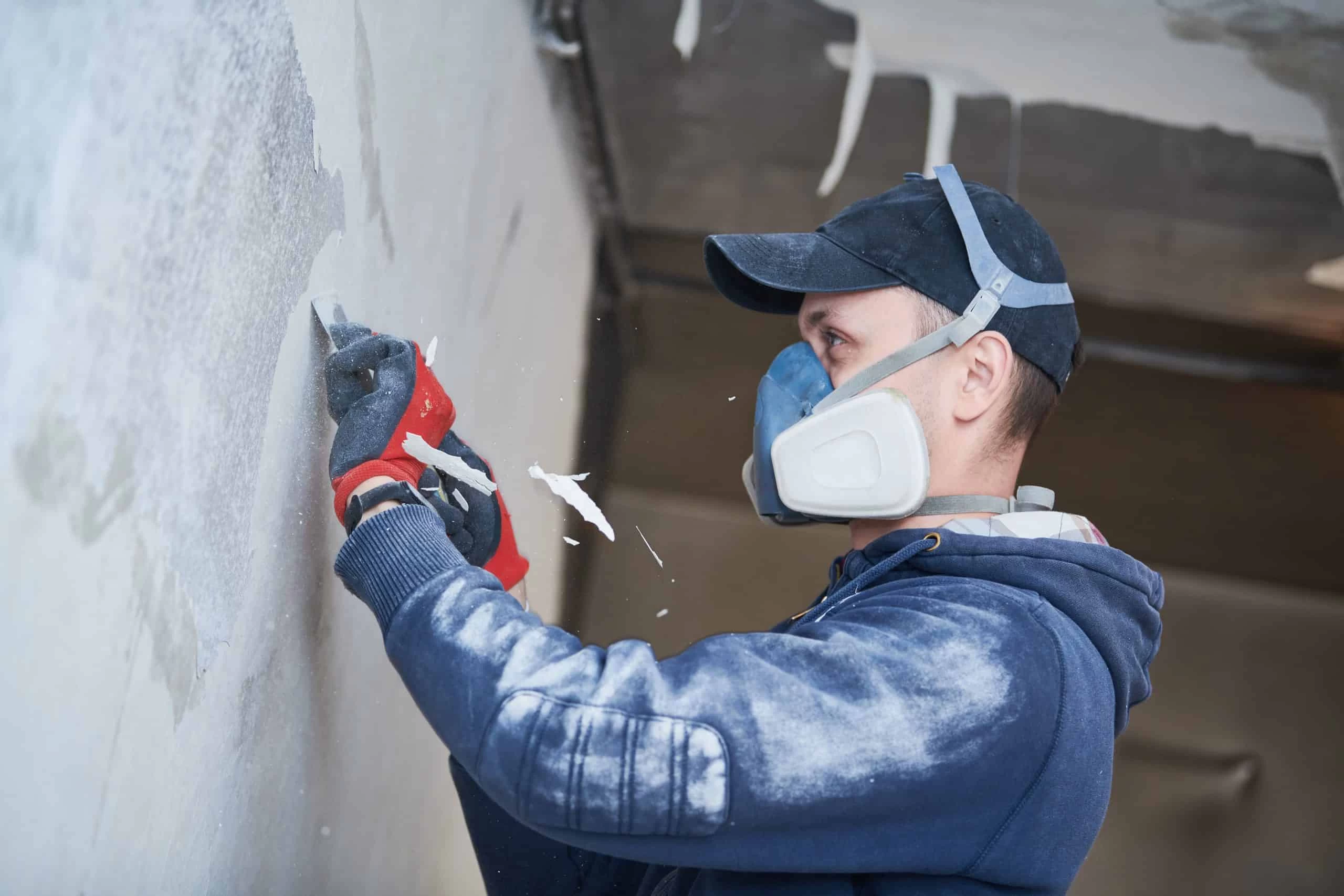
Standard restoration contractors are not licensed to handle asbestos abatement. It requires a separate licensed abatement contractor, a NYS DEC-compliant removal process, and proper disposal documentation. We hold environmental remediation capability that covers asbestos abatement as part of the same scope no separate contractor, no coordination gap, no delay waiting for an abatement crew to clear the site before restoration can resume. If your building has any pre-1980 construction anywhere in the affected area, this is not a detail to overlook.
How does fire damage restoration billing work with my building's insurance and my own policy?
In a Wall Street co-op or condominium building, fire damage claims often involve two separate insurance policies running simultaneously the building’s master policy, which covers common areas and shared systems, and your individual unit owner’s HO-6 policy, which covers your unit’s interior and personal contents. When a fire affects shared HVAC systems, hallways, or structural elements in addition to your unit, both policies may be active at the same time, with different adjusters, different documentation requirements, and different coverage limits.
We bill insurance directly and produce the scope-of-work documentation, photo evidence, and itemized assessments that adjusters need to process claims accurately. This matters because incomplete or poorly documented claims get underpaid and in a neighborhood where property values and restoration costs are among the highest in the city, the difference between a well-documented claim and a vague one can be substantial. You focus on getting your home back. The billing and documentation process is handled on your behalf from day one.