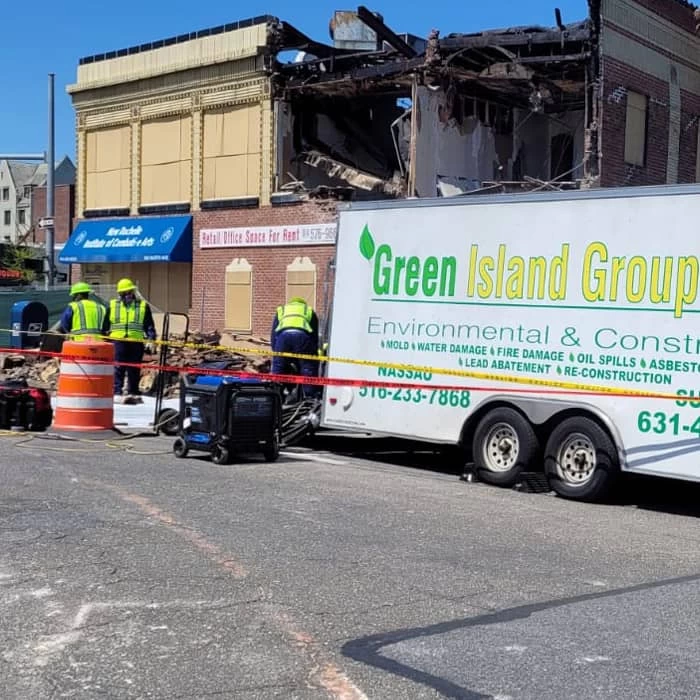
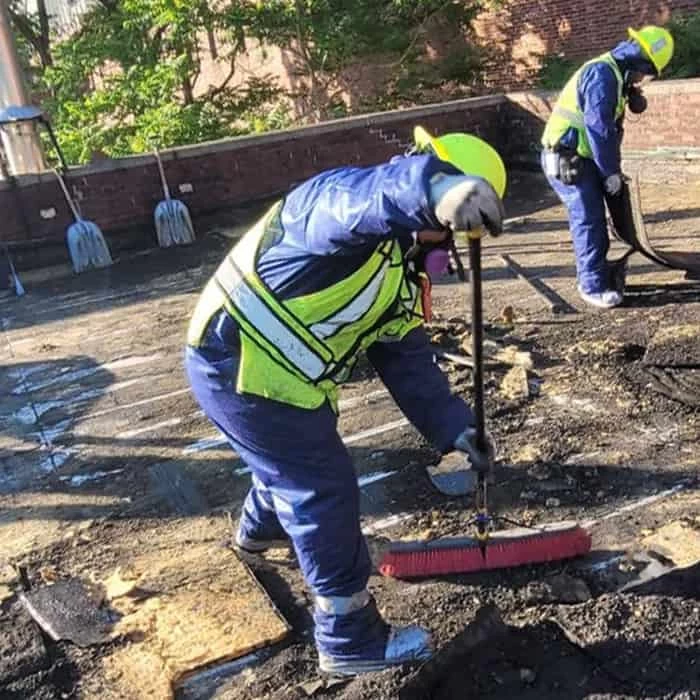
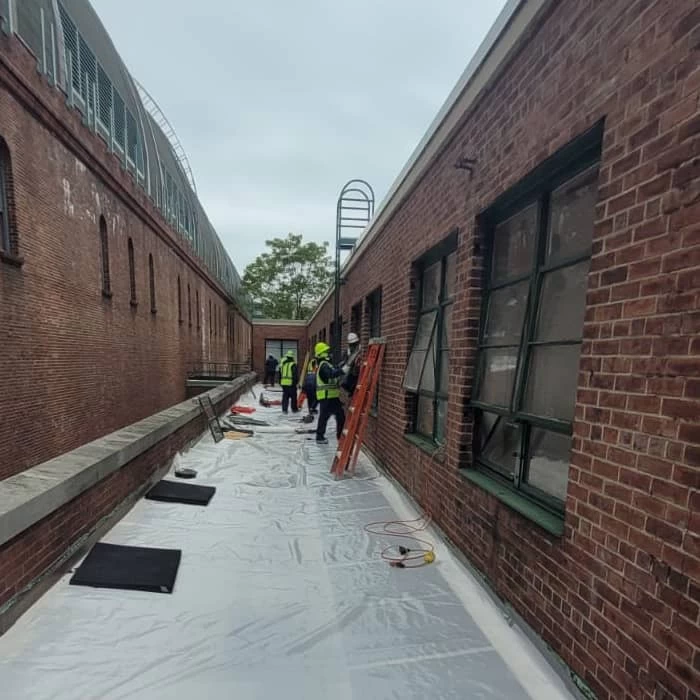
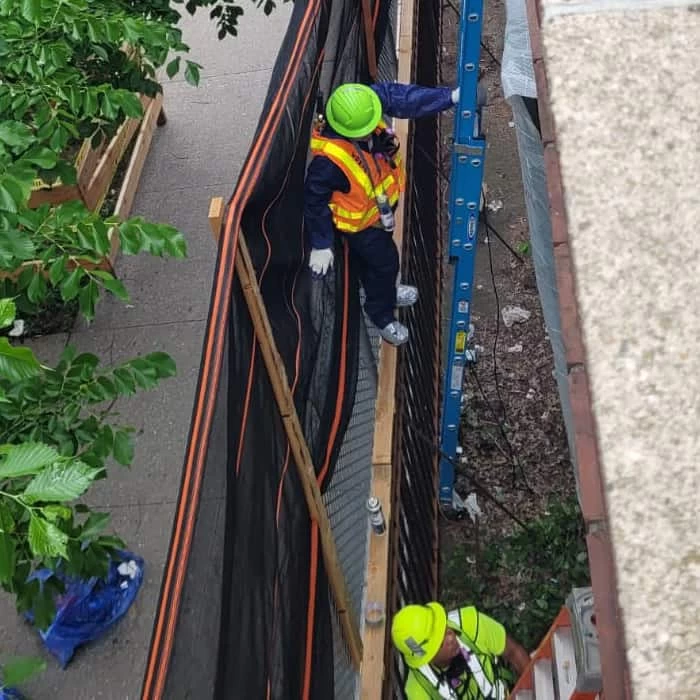
When fire hits a home that’s been in your family for decades, you need someone who actually knows what they’re walking into — not a franchise crew running a checklist. We respond to fire damage restoration calls in Wantagh within the hour, 24/7.
I needed a professional consultation explanation of procedure for safe removal of Asbestos in my apartment complex. Without having an account yet, I was very impressed with the caring, knowledgeable and generous advice offered by Jessica, and will look forward to doing business in the future. Thank you so much! I feel much more informed about a sometimes scary endeavor. Peace. Nancy Silva Mineola, NY.
Mia Munoz
Used this company to clean up some water flood in my house. They were fast and easy to work with.very professional, Would recommend to anyone!
Nini Valle
Great company, had a flood and they responded quickly and efficiently. Billed my insurance company directly. I highly recommend this company!
joe colapietro, jr
I had pipe freeze in my basement right before a snow storm and they made to within an hour to help start the clean up process. They we by our side throughout the entire process and even helped with the insurance company. They did such a great job with the cleanup, repair, remidiation, I contracted them to perform the repairs and finishes in the basement. They came with enough manpower and material to get the job done. Leo and Jessica were nothing but a pleasure to deal with!!
Cristian Arredondo c
I had some water damage in my home and Green Island was able to take care of my issue quickly and effectively. I am very pleased with the work they did. They responded quickly and were very professional.
Michael M
Outstanding service! From the office to the field crew everyone was friendly, helpful and responsive. I highly recommend Green Island Group.
What Full Restoration Actually Looks Like in Wantagh
Most Wantagh homes were built between the 1940s and 1970s. That’s not a small detail — it changes everything about how fire damage gets handled. Behind those plaster walls and under those original hardwood floors, there’s often asbestos-containing material and lead paint that gets disturbed the moment fire or demolition touches it. A crew that isn’t licensed to handle both will either skip it or create a bigger problem than the fire did.
When the smoke clears and the fire trucks leave, what you’re left with isn’t just char and soot. Firefighting water soaks into walls, insulation, and framing — and in a coastal community like Wantagh, where humidity off the Great South Bay doesn’t give you much grace, mold can start within 24 hours. Getting that moisture out fast isn’t optional. It’s the difference between a contained restoration and a second disaster that costs twice as much to fix.
The goal isn’t just to make your home look repaired. It’s to make it structurally sound, air-safe, and fully documented for your insurance claim — so you’re not left chasing your adjuster six months later wondering why the settlement came up short.
Licensed for the Work Most Companies Can't Legally Do
We’re a locally owned restoration company based on Long Island, holding a Nassau County General Contractor license alongside IICRC certification for fire and smoke damage restoration. That combination matters more than it sounds. It means one company can take your Wantagh property from emergency board-up all the way through full structural reconstruction — without handing you off to a second contractor mid-process.
Beyond the GC license, we carry NYS DOL credentials for both asbestos and mold remediation, plus USEPA Lead/RRP certification. For a home in Wantagh near Cedar Creek Park or anywhere along the older residential streets of North Wantagh, those aren’t specialty add-ons — they’re baseline requirements for doing the job legally and completely.
With over 5,000 completed restoration projects across New York, we’ve seen what fire does to the housing stock in Nassau County. We come prepared for it.
No Guesswork — Here's Exactly How the Process Runs
The first call triggers an immediate response. A technician is on-site within the hour to assess structural safety, identify hazardous material risks, and begin emergency stabilization — board-up, roof tarping, water extraction, whatever the situation calls for. Nothing gets skipped to save time upfront, because shortcuts at this stage show up as expensive problems later.
From there, we conduct a full damage assessment that covers smoke and soot penetration, water saturation in walls and flooring, and any asbestos or lead paint concerns that need to be addressed before restoration work can legally begin. In the Town of Hempstead, structural restoration work requires permits through the Building Department — we handle that process directly, so you’re not navigating municipal paperwork while you’re displaced from your home.
Once hazardous materials are cleared and permits are in place, remediation and rebuild happen under the same roof. Smoke odor treatment, HVAC cleaning, structural drying, and full reconstruction are all coordinated by one team. Throughout every phase, the work is documented to insurance standards — which means your claim has the paper trail it needs to get settled fully and without unnecessary delays.
Built for the Homes That Actually Exist in Wantagh
Fire damage restoration in Wantagh isn’t one-size-fits-all — and it shouldn’t be treated like it is. A waterfront colonial in South Wantagh with canal access and a complex HVAC system is a different job than a split-level in Wantagh Woods with original 1950s construction. We assess each property on its own terms, and the scope of work reflects what’s actually there.
Every restoration we provide includes emergency response and stabilization, full smoke and soot remediation, water extraction and structural drying, air quality treatment using professional-grade scrubbers and thermal fogging, and HVAC cleaning to clear smoke contamination from ductwork. For homes with pre-1978 construction — which is the vast majority of Wantagh’s housing stock — asbestos testing and lead-safe work practices are built into the process, not offered as an optional upgrade.
If your oil burner misfired and sent soot through your entire home without an actual fire, we handle that too. Puff-back events are common in Long Island’s oil-heated homes, and the cleanup requires the same level of care as fire restoration — surface-level wiping won’t cut it. We carry the equipment and certifications to address the full scope, from visible soot on your walls to contamination inside your ductwork, and bill your insurance company directly throughout the entire process.
Is my Wantagh home structurally safe to enter after a fire?
That’s not something you should try to assess on your own. Structural safety after a fire depends on how long the fire burned, which materials were affected, and whether the firefighting water has already begun compromising load-bearing elements. What looks stable from the outside can be significantly weakened inside — especially in homes built in the 1950s and 1960s, where construction methods and materials are different from modern builds.
When we arrive on-site, the first step is always a safety assessment before anyone enters the structure for restoration work. If your property is in the Town of Hempstead, there may also be a municipal requirement to secure the building within 72 hours of a fire event. We handle that immediately so you’re not in violation while you’re still processing what happened.
How quickly does fire damage need to be addressed before it gets worse?
Faster than most people expect. Soot is acidic, and it starts bonding permanently to walls, ceilings, and surfaces within hours of a fire. The longer it sits, the more it etches into materials — which turns a cleanable surface into something that needs full replacement. Smoke odor works the same way: the longer it’s left untreated, the deeper it penetrates into porous materials like insulation, drywall, and wood framing.
The water from firefighting adds a second clock. In Wantagh’s coastal climate, with humidity levels elevated by proximity to the Great South Bay, mold colonization can begin within 24 hours of water exposure. Getting a team on-site within the first hour isn’t just about peace of mind. It directly limits the total scope and cost of the restoration.
Does homeowners insurance cover fire damage restoration in New York?
Standard homeowners insurance policies in New York typically cover fire damage, including the cost of restoration and temporary housing if you’re displaced. But what the policy covers and what the adjuster initially offers aren’t always the same number. Insurance companies have adjusters who are experienced at scoping claims conservatively — and if the documentation on your end isn’t thorough, gaps in coverage are easy to miss.
We document every phase of the restoration to insurance standards and bill your insurance company directly. That documentation is produced to IICRC standards, which insurance adjusters recognize and process more efficiently than informal estimates. If your home has asbestos-containing materials that need to be abated before restoration can proceed — a common situation in Wantagh’s older housing stock — that work needs to be properly scoped and included in the claim from the start, not discovered later as an out-of-pocket expense.
What is an oil burner puff-back and does it count as fire damage in Wantagh?
A puff-back happens when an oil burner misfires and forces a burst of unburned fuel and soot back through the heating system and into your home. There’s no visible flame, but the result can be just as damaging — fine, oily soot coating walls, ceilings, furniture, clothing, and every surface the air touches. It can happen in minutes and affect an entire house.
Long Island has one of the highest concentrations of oil-heated homes in the country, and Wantagh is no exception. Puff-backs are a common service call here, and most homeowners insurance policies do cover them as a sudden and accidental event. The problem is that standard cleaning companies often spread the oily soot rather than removing it, causing permanent staining. Proper puff-back remediation requires the same equipment and approach as fire and smoke damage restoration — including HVAC duct cleaning to remove contamination from inside the system, not just the surfaces you can see.
How long does fire damage restoration take for a typical home in Wantagh?
There’s no single answer, but a realistic range for a moderate fire in a typical Wantagh home — a Cape Cod, colonial, or split-level — is anywhere from two to six weeks for remediation, with reconstruction adding additional time depending on scope. Factors that extend the timeline include the presence of asbestos or lead paint that requires abatement before other work can begin, the extent of water damage from firefighting, and permit processing through the Town of Hempstead Building Department.
The permit piece is worth understanding upfront. Structural restoration work in the Town of Hempstead requires building permits, and the review process takes time. We initiate that process as early as possible so it doesn’t create a bottleneck mid-project. If your home has pre-1978 construction — which applies to the large majority of Wantagh properties — the asbestos and lead assessment happens in the first phase, so there are no surprises that stall the job later.
Why should I hire a licensed contractor instead of a general cleanup crew after a fire?
Because the work that needs to happen after a fire in Wantagh goes well beyond cleaning. Structural assessment, asbestos abatement, lead-safe renovation practices, mold remediation, and full reconstruction all require specific state and county licenses to perform legally. A general cleanup crew — or an unlicensed contractor — can’t legally perform that work, and if they do it anyway, you may face liability issues, failed inspections, and insurance complications down the road.
In Nassau County, contractors performing reconstruction work must hold a Nassau County General Contractor license. NYS DOL licensing is required for asbestos and mold work. USEPA Lead/RRP certification is required for renovation work in pre-1978 homes. We hold all of these credentials, which means the entire scope of your restoration — from the first emergency call to the final inspection — is handled by one licensed, insured, and accountable team. In a community where most homes are decades old and property values are significant, that level of accountability isn’t a luxury. It’s what protects your investment.