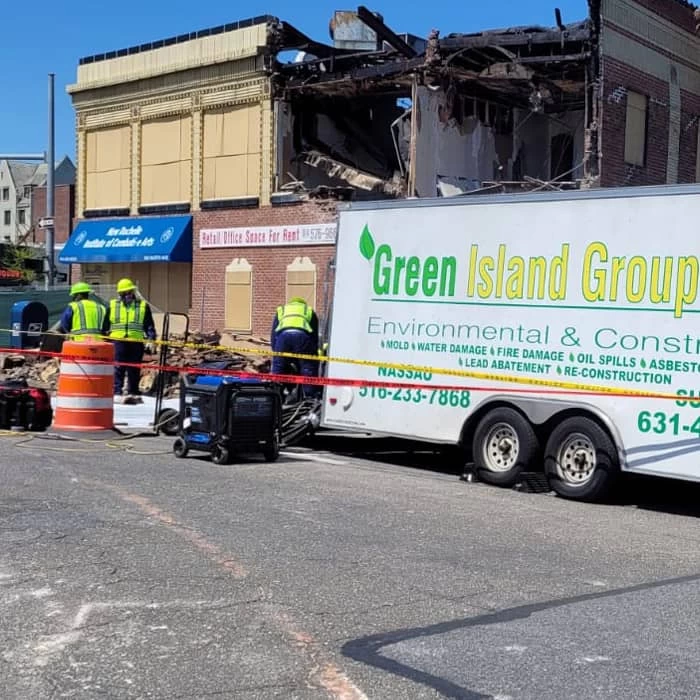
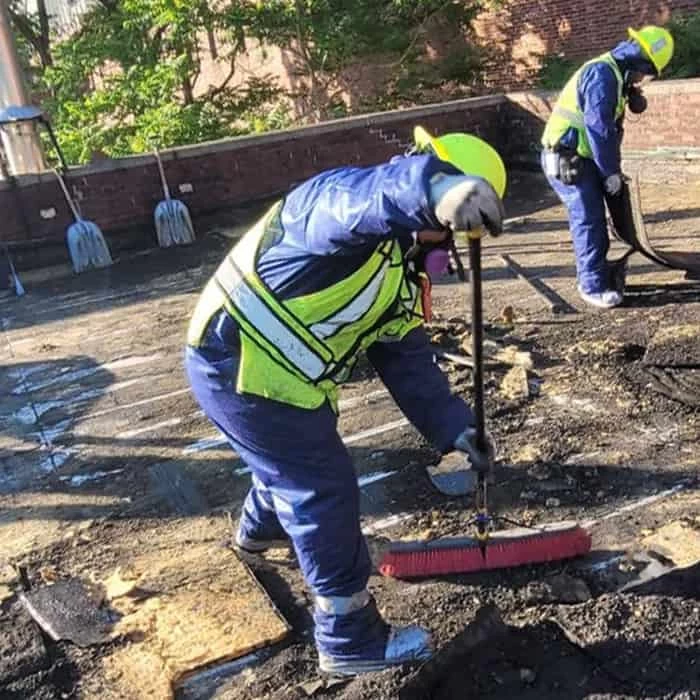
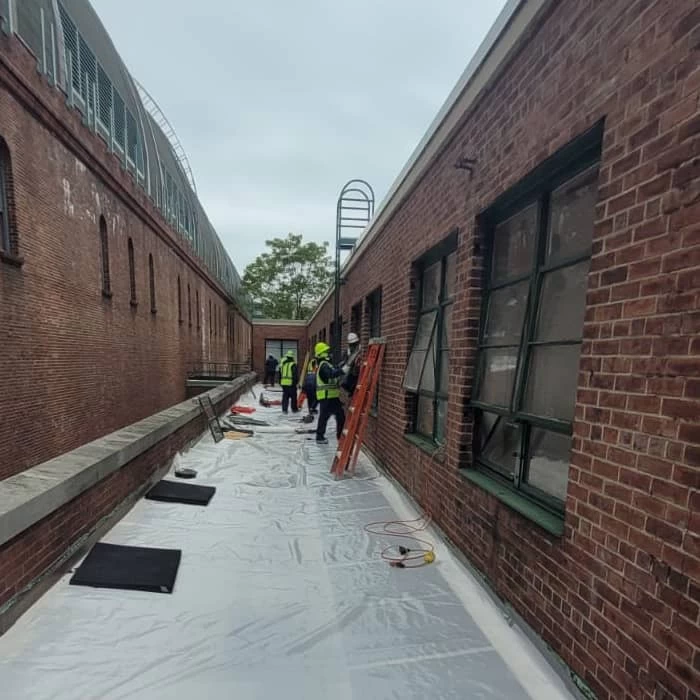
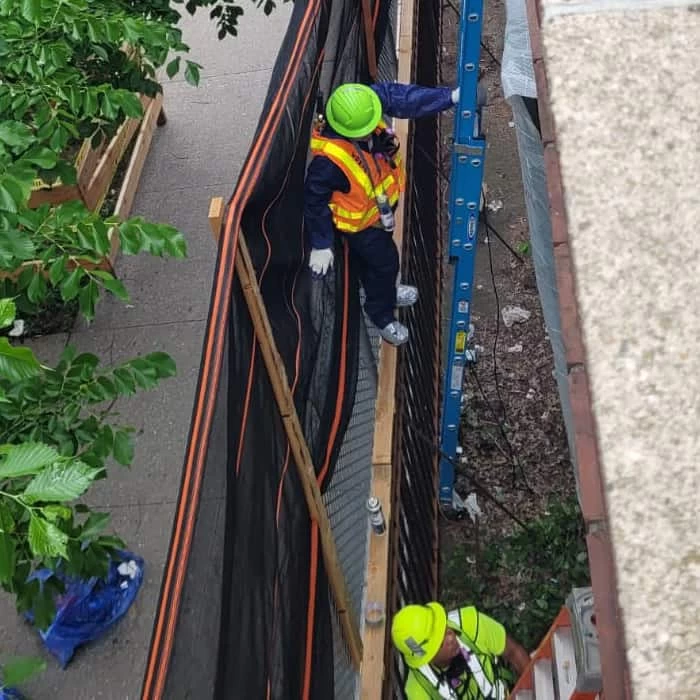
Fire damage in Water Mill moves fast and so does the loss. We handle fire and smoke damage restoration from the first call to the final finish, so you’re not managing five different contractors while your property sits.
I needed a professional consultation explanation of procedure for safe removal of Asbestos in my apartment complex. Without having an account yet, I was very impressed with the caring, knowledgeable and generous advice offered by Jessica, and will look forward to doing business in the future. Thank you so much! I feel much more informed about a sometimes scary endeavor. Peace. Nancy Silva Mineola, NY.
Mia Munoz
Used this company to clean up some water flood in my house. They were fast and easy to work with.very professional, Would recommend to anyone!
Nini Valle
Great company, had a flood and they responded quickly and efficiently. Billed my insurance company directly. I highly recommend this company!
joe colapietro, jr
I had pipe freeze in my basement right before a snow storm and they made to within an hour to help start the clean up process. They we by our side throughout the entire process and even helped with the insurance company. They did such a great job with the cleanup, repair, remidiation, I contracted them to perform the repairs and finishes in the basement. They came with enough manpower and material to get the job done. Leo and Jessica were nothing but a pleasure to deal with!!
Cristian Arredondo c
I had some water damage in my home and Green Island was able to take care of my issue quickly and effectively. I am very pleased with the work they did. They responded quickly and were very professional.
Michael M
Outstanding service! From the office to the field crew everyone was friendly, helpful and responsive. I highly recommend Green Island Group.
Smoke doesn’t stay in the room where the fire happened. In a large Water Mill estate with multiple HVAC zones, finished basements, wine cellars, and connected outbuildings it travels. It gets into ductwork, wall cavities, wood millwork, and every porous surface in the home. By the time the fire department leaves, the visible damage is often the smaller part of the problem.
Soot starts permanently etching and staining surfaces within 24 to 72 hours. That’s chemistry. The faster a qualified restoration crew is on-site assessing and containing the damage, the more of your property can actually be saved. In Water Mill, where property values average around $2 million and many homes sit vacant for months at a time, a delayed response can turn a manageable fire claim into a total gut job.
Water Mill’s coastal proximity to Mecox Bay also means persistent humidity that accelerates mold growth after firefighting water saturates your walls and floors. That secondary damage mold, structural moisture, compromised insulation can develop within 48 hours if water extraction and drying don’t happen quickly. We handle all of it under one roof, so nothing falls through the cracks between contractors.
We’re a locally owned Long Island restoration company not a franchise, not a call center dispatch. When you call, you reach someone who knows Water Mill, knows the East End, and has a real stake in how your property comes out. Customers regularly mention Leo and Jessica by name in their reviews, because the experience of working with a consistent, responsive team is still something worth noting when you find it.
Water Mill properties aren’t standard jobs. The hamlet sits within the Town of Southampton, and restoration and reconstruction work here falls under Southampton Town Building and Zoning requirements with additional layers for properties near the coast or with historic designation. We work within that framework, handle the permitting process, and coordinate with your insurance carrier so you’re not doing that legwork yourself.
From the equestrian estates off Cooks Lane to the oceanfront properties south of Route 27, the work here demands a company that treats high-value properties with the care they deserve and doesn’t disappear after the cleanup crew leaves.
From Emergency Call to Finished Property Here's the Sequence
The first call triggers an immediate response. A crew is dispatched to assess the damage, secure the property if needed, and begin documenting everything not just the burn area, but the smoke migration, the suppression water intrusion, and any environmental hazards that fire may have disturbed. In older Water Mill homes built before the 1940s, that documentation includes checking for asbestos-containing materials that require licensed abatement before restoration work can begin. That’s not optional in New York State, and it’s not something every contractor is equipped to handle.
Once the scope is established and your insurance carrier is looped in, the remediation phase begins. Water extraction, structural drying, soot and smoke removal, odor neutralization, and mold prevention all happen in a coordinated sequence not as separate jobs handed off to separate companies. This matters especially for Water Mill property owners managing the situation from a distance. You shouldn’t have to coordinate a cleanup company, a mold remediation crew, and a general contractor while you’re in the city. One point of contact handles it.
The final phase is reconstruction bringing the property back to its pre-loss condition, or better. All work is completed in compliance with Southampton Town permitting requirements, and we don’t consider the job done until you’ve walked through and signed off.
Fire damage restoration in Water Mill covers more ground than most people expect when they first make the call. The fire itself is one layer. The smoke that spread through the rest of the house is another. The water from suppression is a third. And depending on the age and construction of the property, there may be environmental hazards asbestos, lead paint, or other materials disturbed by the fire that require licensed remediation before any structural work begins. We’re equipped and certified to handle all of it.
Smoke and soot removal goes beyond wiping down surfaces. It includes HVAC cleaning, content restoration for salvageable belongings, odor treatment using professional-grade equipment, and sealing or replacing materials that have absorbed smoke at a level that can’t be cleaned. For Water Mill’s estate properties with custom millwork, high-end finishes, and architecturally significant details, that work is done with the precision those materials require not treated like a standard suburban job.
The service also includes full insurance claim support. We work directly with your adjuster, document the damage comprehensively, and ensure the scope of work captured in your claim reflects the true extent of the loss including the damage that isn’t visible from the doorway. For a high-value property in the third most expensive ZIP code in the country, that documentation isn’t a formality. It’s the difference between a complete recovery and a shortfall.
Is it safe to go back inside my Water Mill home after a fire?
Not until it’s been assessed by a professional and that assessment needs to happen before you or anyone else enters the structure. After a fire, there are multiple hazards that aren’t visible: compromised structural elements that may look intact but aren’t, carbon monoxide and other toxic gases that linger in enclosed spaces, and airborne soot particles that are harmful to breathe. Smoke residue also contains carcinogens from burned synthetic materials, which are common in modern home furnishings and finishes.
In Water Mill specifically, older estate properties built before the 1970s may also contain asbestos-containing materials insulation, floor tiles, ceiling materials that can become airborne when disturbed by fire and water damage. Re-entering without knowing whether those materials are present and intact is a real health risk. A proper post-fire assessment will tell you what’s safe, what needs to be addressed first, and what the actual scope of damage looks like before any restoration work begins.
How does smoke damage spread beyond the room where the fire occurred?
Smoke follows air. In a large home with multiple HVAC zones, open floor plans, or connected structures all common in Water Mill’s estate properties smoke can travel extensively through ductwork, wall cavities, and ceiling spaces before the fire is even extinguished. By the time the fire department clears the scene, smoke residue may already be coating surfaces in rooms that never saw a flame.
The damage compounds quickly. Soot is acidic and begins etching glass, metal, and finished surfaces within 24 to 72 hours of exposure. Smoke odor penetrates porous materials wood, drywall, insulation, upholstery, clothing at a molecular level that surface cleaning can’t reach. That’s why a thorough smoke damage assessment covers the entire property, not just the burn area. Skipping that step is how homeowners end up with a “restored” home that still smells like smoke six months later.
My Water Mill home is a seasonal property what happens if fire damage goes undetected for weeks?
This is one of the more common and costly scenarios on the East End. A chimney fire in January, an electrical fault in a heating system left running in an unoccupied home, or a malfunctioning appliance can cause significant damage that sits undetected until the owner arrives in late spring to open the property. By that point, soot has had weeks to permanently etch and stain surfaces, smoke odor has deeply penetrated every porous material in the home, and suppression water if any was used may have already generated visible mold growth.
The restoration scope for a delayed-discovery fire is typically broader and more expensive than one addressed immediately, which is why thorough documentation for insurance purposes becomes especially critical. Our assessment process is designed to capture the full extent of damage including secondary damage from water and mold so your insurance claim reflects what actually happened, not just what’s visible on the surface. If you manage a seasonal property in Water Mill, having a trusted restoration contact in place before something happens is worth thinking about.
Will my homeowner's insurance cover the full cost of fire damage restoration?
Most standard homeowner’s policies cover fire damage restoration, but the coverage details vary significantly and the documentation you provide at the time of the claim directly affects the outcome. High-value properties in Water Mill often carry more complex policy structures, and some homeowners carry separate policies for primary and secondary residences with different coverage limits, deductibles, and exclusions.
The most common issue isn’t whether the damage is covered it’s whether the full scope of damage is captured in the initial claim. Insurance adjusters work quickly, and if hidden smoke damage, secondary water intrusion, or environmental hazards aren’t properly documented upfront, getting those costs added later becomes a much harder conversation. We work directly with your adjuster from the start, document everything comprehensively, and advocate for a scope of work that reflects the true extent of the loss. That process has made a measurable difference for homeowners who’ve worked with us and it’s reflected in how consistently customers mention the insurance support in their reviews.
How long does fire damage restoration take for a large estate in Water Mill?
It depends on the scope, but for a large Water Mill property, a realistic timeline runs anywhere from several weeks for contained smoke and water damage to several months for significant structural damage requiring reconstruction. The variables that affect timing include the size of the affected area, the presence of hazardous materials requiring licensed abatement, the complexity of the property’s finishes and architectural details, and the pace of the insurance claim process.
Permitting through the Town of Southampton Building and Zoning Division adds a step that doesn’t exist in every jurisdiction and for properties with historic designation or those subject to coastal regulations near Mecox Bay, there may be additional review requirements before certain reconstruction work can proceed. These aren’t obstacles that slow things down unnecessarily they’re requirements that protect the integrity of the property and the restoration work. We navigate that process as part of the job, so you’re not managing permit applications on top of everything else.
Does Green Island Group handle fire damage at equestrian properties or barn structures in Water Mill?
Yes. Water Mill has a significant equestrian economy horse farms, boarding facilities, polo grounds, and agricultural outbuildings are part of the landscape here in a way that’s distinct from most other Long Island communities. Barn fires carry a different risk profile than residential fires: combustible materials like hay and wood shavings, heat lamps and agricultural heating equipment, and electrical systems that may not be maintained to residential standards all contribute to faster fire spread and more complex damage patterns.
Restoration of equestrian properties and agricultural structures requires a contractor comfortable working outside the standard residential framework assessing structural damage in non-traditional buildings, addressing smoke and water damage in spaces with different materials and ventilation characteristics, and coordinating with property owners and estate managers who may not be on-site. We apply our end-to-end service model to these properties the same way we do to residential estates: one company handles the assessment, remediation, and reconstruction, so the property manager isn’t coordinating between multiple contractors while the owner is off-site.