When Your West Bay Shore Home Burns, Every Hour Has a Price
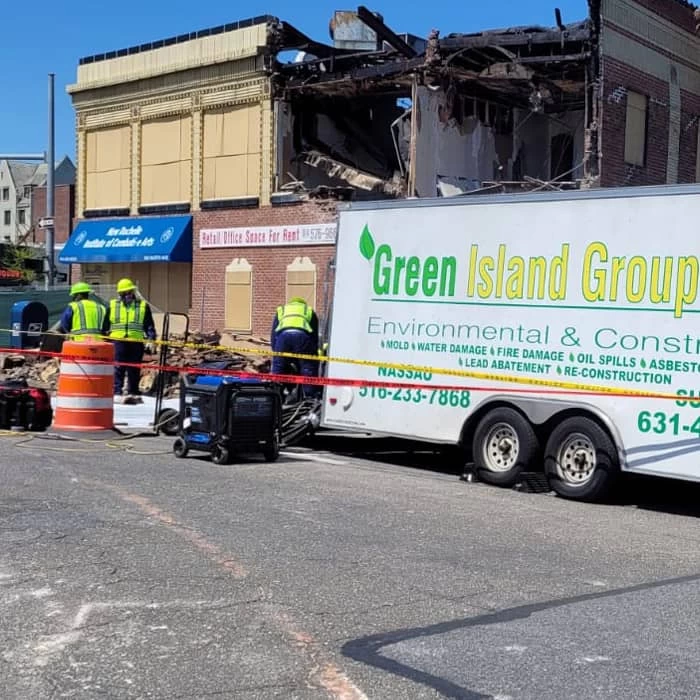
Soot sets in within 24 hours. Smoke reaches every room through your HVAC. The water from the hoses is already soaking into your floors. We respond fast to fire damage restoration in West Bay Shore and handle everything from emergency board-up to the final coat of paint.
I needed a professional consultation explanation of procedure for safe removal of Asbestos in my apartment complex. Without having an account yet, I was very impressed with the caring, knowledgeable and generous advice offered by Jessica, and will look forward to doing business in the future. Thank you so much! I feel much more informed about a sometimes scary endeavor. Peace. Nancy Silva Mineola, NY.
Mia Munoz
Used this company to clean up some water flood in my house. They were fast and easy to work with.very professional, Would recommend to anyone!
Nini Valle
Great company, had a flood and they responded quickly and efficiently. Billed my insurance company directly. I highly recommend this company!
joe colapietro, jr
I had pipe freeze in my basement right before a snow storm and they made to within an hour to help start the clean up process. They we by our side throughout the entire process and even helped with the insurance company. They did such a great job with the cleanup, repair, remidiation, I contracted them to perform the repairs and finishes in the basement. They came with enough manpower and material to get the job done. Leo and Jessica were nothing but a pleasure to deal with!!
Cristian Arredondo c
I had some water damage in my home and Green Island was able to take care of my issue quickly and effectively. I am very pleased with the work they did. They responded quickly and were very professional.
Michael M
Outstanding service! From the office to the field crew everyone was friendly, helpful and responsive. I highly recommend Green Island Group.
A fire doesn’t stay in the room where it started. Smoke travels through ductwork and settles into walls, ceilings, and soft materials in rooms that never saw a flame. If that isn’t addressed completely not just wiped down you’ll still smell it six months from now. That’s not a minor inconvenience. In a home you live in year-round, it’s unbearable.
For West Bay Shore homeowners, the stakes are higher than most. Median home values here exceed $600,000, and the majority of the housing stock was built between the 1940s and 1960s. That means your home likely has original hardwood floors, plaster walls, and materials that hold smoke deeply. It also means there’s a real chance asbestos-containing materials are present in pipe insulation, floor tiles, or ceiling finishes and a fire that disturbs those materials creates a hazard that most restoration crews aren’t certified to handle.
What you get from a complete restoration isn’t just a cleaned-up house. It’s a home that’s been properly assessed, fully remediated, and rebuilt to the condition it was in before the fire with documentation your insurance company will accept and no corners cut because the crew wasn’t equipped for what they found.
Green Island Group is a locally owned, independently operated restoration company based on Long Island not a franchise, not a national call center. When you call us, you reach real people who know West Bay Shore, know the housing stock in the Town of Islip, and have worked in homes exactly like yours throughout the south shore corridor.
What sets us apart isn’t a tagline. It’s the fact that we handle every phase of recovery under one roof emergency response, soot and smoke remediation, water extraction, environmental hazard removal including asbestos abatement, demolition, and full reconstruction through final finishes. You don’t have to coordinate four separate contractors while you’re displaced from your home and fighting with your insurance company.
Customers consistently mention two things in their reviews: we showed up fast, and we stayed involved through the insurance process. In a tight-knit hamlet like West Bay Shore where homes carry decades of family history and a vacancy rate of less than half a percent that kind of accountability isn’t a bonus. It’s the baseline.
From the First Call to Moving Back Into Your West Bay Shore Home
The first step is stabilization. That means getting to your property fast boarding up openings, securing the structure, and stopping any additional exposure from weather or trespassing. In West Bay Shore, where south shore storms can follow a fire event or compound an already-damaged structure, this step matters more than people realize. The goal is to prevent a bad situation from getting worse overnight.
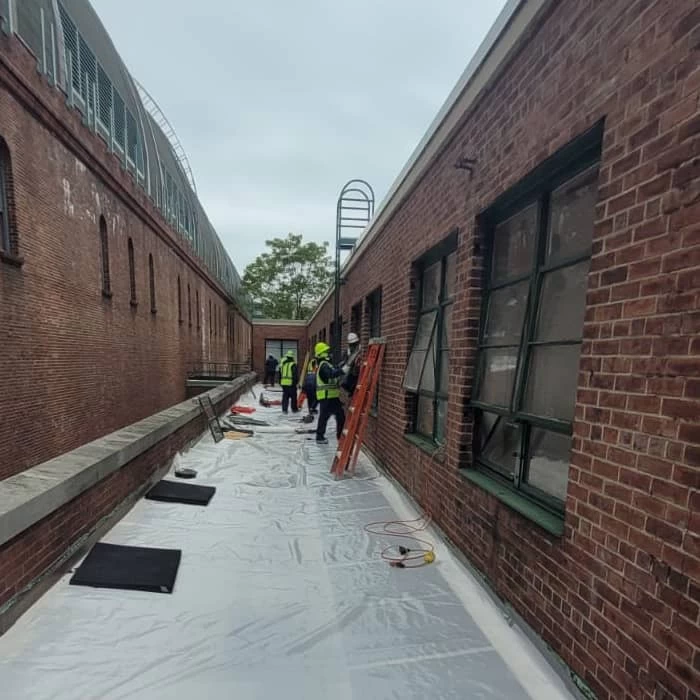
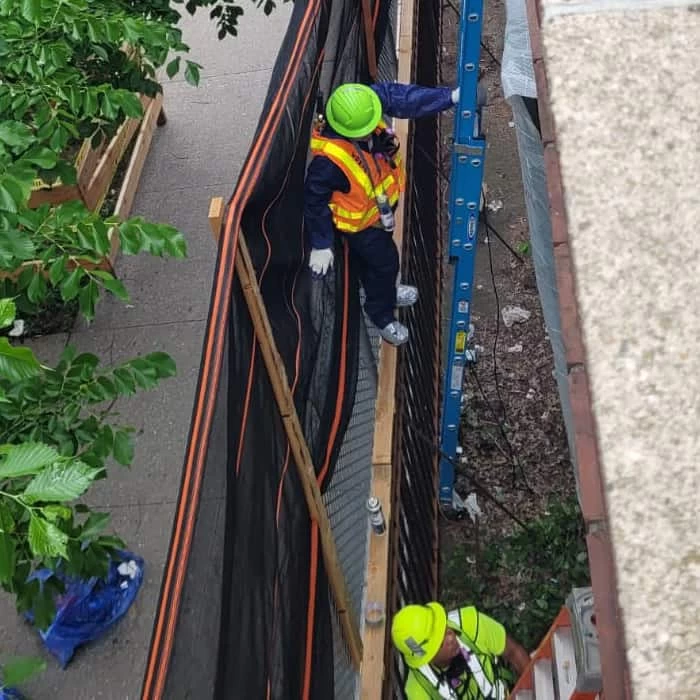
Once the property is secured, the full damage assessment begins. This isn’t just looking at the burn area it’s mapping smoke penetration through the HVAC system, testing for moisture in walls and floors from firefighting water, and checking for environmental hazards. In homes built before 1970, which describes most of West Bay Shore’s housing stock, that assessment includes checking for disturbed asbestos-containing materials. If those are present, abatement has to happen before any reconstruction can legally proceed under New York State law. We’re certified to handle that so the project doesn’t stall waiting for a separate environmental contractor.
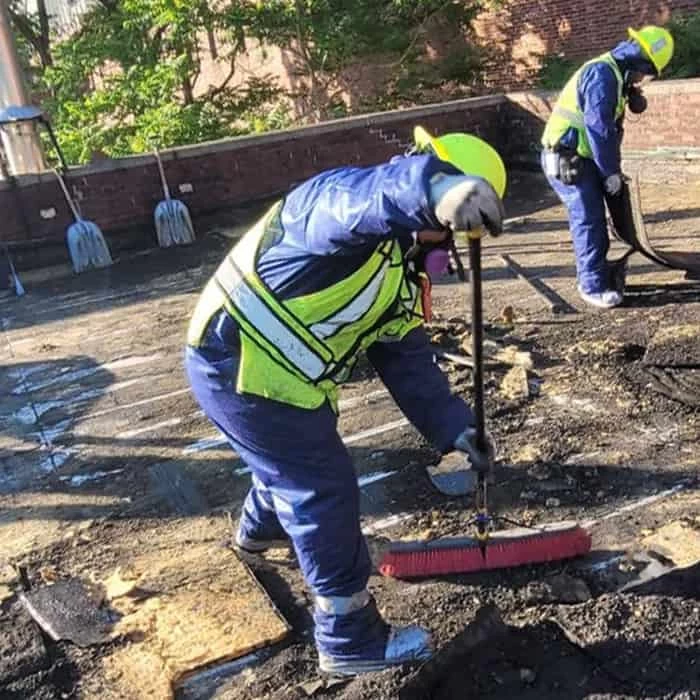
From there, remediation and reconstruction move in sequence: soot and smoke removal, odor elimination, water extraction and drying, structural repairs, and rebuild through final finishes. Throughout the process, we work directly with your insurance adjuster, document the scope of work in the format carriers require, and keep you informed at every stage. The job isn’t closed until you’re satisfied with the result.
Everything Your West Bay Shore Home Needs After a Fire
Fire damage restoration in West Bay Shore isn’t a single-scope job. It’s a layered process and the layers are more complex here than in newer construction markets. The combination of older homes, a coastal location adjacent to the Great South Bay, and Long Island’s seasonal storm exposure means that what looks like a contained kitchen fire can involve smoke contamination throughout the house, significant water intrusion from suppression efforts, and environmental hazards that require state-certified remediation before a single wall goes back up.
We cover the full scope of fire restoration: emergency board-up and stabilization, soot removal, smoke and odor remediation, HVAC decontamination, water extraction and structural drying, asbestos abatement where required under NYSDOL certification, mold remediation if moisture has created secondary growth, and complete reconstruction through final paint and finishes. All of this falls under Town of Islip permitting requirements, which we navigate as part of the process you don’t have to figure out what permits are needed or who to call at the building department.
The insurance piece is built into our service, not bolted on. We document damage using the estimating format that major carriers accept, communicate directly with adjusters, and help ensure the scope of work is properly covered. For a homeowner in West Bay Shore with $600,000 or more in property value on the line, that advocacy is part of what a complete restoration service should include.
How quickly can you respond to a fire emergency in West Bay Shore?
Response time is one of the most important factors in limiting total damage after a fire. Soot begins permanently bonding to surfaces within 24 to 72 hours, and smoke penetrates HVAC systems and wall cavities almost immediately. The longer a home sits unaddressed, the larger the remediation scope and the larger the final cost.
We serve West Bay Shore and the broader Town of Islip corridor with emergency response capability, and we can typically mobilize to a south shore property the same day. When we arrive, we come prepared to begin work not just to assess and schedule a return visit. For a community like West Bay Shore where virtually every home is a primary, year-round residence, getting back into your home as quickly as possible isn’t just a financial priority. It’s a personal one.
Does homeowners insurance cover fire damage restoration in West Bay Shore, NY?
In most cases, yes standard homeowners insurance policies cover fire damage restoration, including smoke remediation, water damage from firefighting efforts, and structural repairs. But coverage depends heavily on how the damage is documented and how the scope of work is presented to the adjuster. An incomplete or improperly formatted claim can result in a lower payout than the actual restoration requires.
This is where having the right restoration company matters beyond just the physical work. We document damage using Xactimate, the estimating format that major insurance carriers use and accept, and communicate directly with adjusters throughout the process. For West Bay Shore homeowners where median home values exceed $600,000 and the stakes of an underpaid claim are significant that documentation and advocacy can make a real difference in what your insurance actually covers.
My West Bay Shore home was built in the 1950s does that affect the restoration process?
It does, and it’s important to understand this before any restoration work begins. Homes built before approximately 1980 which includes the majority of West Bay Shore’s housing stock frequently contain asbestos in pipe insulation, floor tiles, ceiling tiles, textured plaster, and joint compound. When a fire disturbs those materials, the restoration cannot legally proceed without certified asbestos abatement under New York State Department of Labor requirements.
Many fire restoration contractors including franchise operators are not equipped or certified to handle asbestos abatement. That means a project can stall mid-remediation while a separate environmental contractor is sourced, or worse, the hazard goes unaddressed entirely. We hold the environmental remediation certifications required under New York State law, so abatement is handled as part of the restoration process not as a separate project that delays your timeline. In a West Bay Shore home, this isn’t an edge case. It’s a realistic expectation on most jobs.
What's the difference between smoke cleanup and actual smoke damage restoration?
Surface cleanup wiping down walls, airing out rooms addresses what you can see. It does not address what you can’t. Smoke molecules are microscopic and penetrate deeply into porous materials: plaster walls, original wood framing, insulation, flooring, and HVAC ductwork. In a West Bay Shore home with mid-century construction and original building materials, that penetration can be significant even in rooms far from the fire itself.
Real smoke damage restoration involves identifying every affected surface and material, using professional-grade equipment and chemical processes to neutralize odor at the molecular level, decontaminating the HVAC system so smoke isn’t recirculated every time the heat or AC runs, and verifying air quality after remediation is complete. The standard isn’t “it smells better.” The standard is that your home should not smell like a fire at all, ever, including on the first warm day in May when the windows are closed and the heat comes on. That’s what complete smoke remediation achieves.
Can water from firefighting efforts cause mold in my home after a fire?
Yes and it’s one of the most commonly overlooked consequences of a house fire. Fire hoses deliver water at a rate that can saturate floors, walls, and ceilings far beyond the burn area. That moisture, left unaddressed, creates exactly the conditions mold needs to grow and mold can begin developing within 24 to 48 hours of water intrusion.
In West Bay Shore, where the south shore climate brings humid summers and the housing stock includes older construction with less vapor-resistant materials, moisture management after a fire is critical. Our process includes thermal imaging and moisture mapping to identify water intrusion that isn’t visible on the surface, followed by industrial drying equipment to bring structural moisture levels down before reconstruction begins. If mold has already started, we handle remediation as part of the overall restoration scope not handed off to a third party. Catching this early is the difference between a contained remediation and a much larger, more expensive problem six months down the road.
How long does fire damage restoration typically take for a home in West Bay Shore?
There’s no single answer, because scope varies significantly depending on the size of the fire, how much of the home was affected by smoke and water, and whether environmental hazards like asbestos require abatement before reconstruction can begin. A contained kitchen fire in a well-maintained home might be fully restored in two to four weeks. A fire that spread through multiple rooms of a 1950s ranch with smoke throughout the HVAC system, water intrusion in the subfloor, and asbestos in the pipe insulation can take several months from initial response to final finishes.
What affects the timeline most in West Bay Shore specifically is the age of the housing stock. Older construction requires more careful assessment, more thorough environmental testing, and in many cases, state-certified abatement work that has to be completed and cleared before walls go back up. Town of Islip building permits for structural reconstruction add another layer to the schedule. We walk through a realistic timeline with every homeowner at the outset based on what we actually find during the assessment, not a best-case estimate designed to win the job.