I needed a professional consultation explanation of procedure for safe removal of Asbestos in my apartment complex. Without having an account yet, I was very impressed with the caring, knowledgeable and generous advice offered by Jessica, and will look forward to doing business in the future. Thank you so much! I feel much more informed about a sometimes scary endeavor. Peace. Nancy Silva Mineola, NY.
Mia Munoz
Used this company to clean up some water flood in my house. They were fast and easy to work with.very professional, Would recommend to anyone!
Nini Valle
Great company, had a flood and they responded quickly and efficiently. Billed my insurance company directly. I highly recommend this company!
joe colapietro, jr
I had pipe freeze in my basement right before a snow storm and they made to within an hour to help start the clean up process. They we by our side throughout the entire process and even helped with the insurance company. They did such a great job with the cleanup, repair, remidiation, I contracted them to perform the repairs and finishes in the basement. They came with enough manpower and material to get the job done. Leo and Jessica were nothing but a pleasure to deal with!!
Cristian Arredondo c
I had some water damage in my home and Green Island was able to take care of my issue quickly and effectively. I am very pleased with the work they did. They responded quickly and were very professional.
Michael M
Outstanding service! From the office to the field crew everyone was friendly, helpful and responsive. I highly recommend Green Island Group.
After a fire, the visible damage is only part of the problem. Smoke travels through ductwork, seeps into wall cavities, and leaves behind odor and residue in rooms that never saw a single flame. If that’s not fully addressed not just wiped down, but actually remediated you’ll be living with the consequences long after the crews are gone.
Yaphank’s housing stock adds another layer to this. A significant portion of homes here were built before 1978, which means fire damage in older construction can disturb asbestos-containing materials insulation, floor tiles, pipe wrap that were never a problem until the heat got to them. A restoration company that isn’t equipped to test for and handle those hazards isn’t giving you a complete job. It’s giving you a liability.
There’s also the water. Firefighting leaves behind serious moisture and in Suffolk County’s humid shoulder seasons, mold can take hold within 24 to 48 hours if extraction and drying don’t happen immediately. When everything gets handled together, by one team that knows what they’re doing, you get your home back. Not a version of it the actual thing.
One Local Team From the First Call to the Final Walkthrough
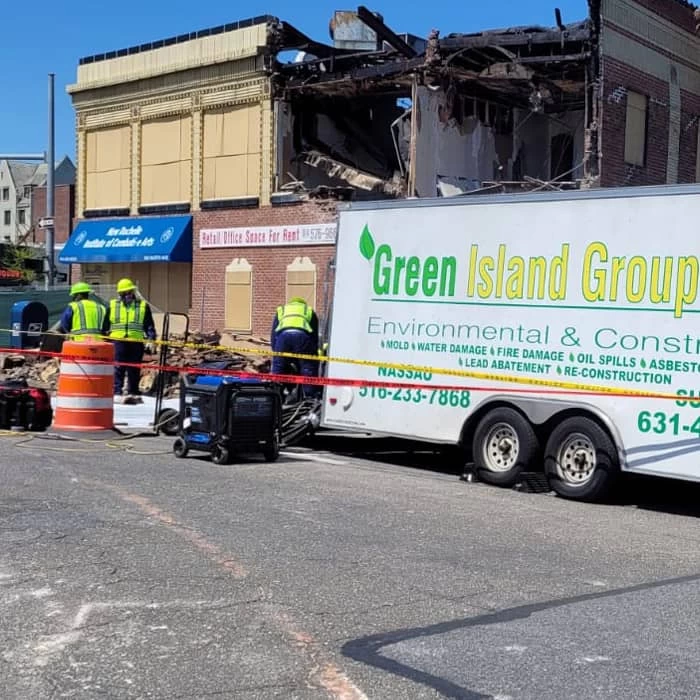
We’re a locally owned and operated restoration company serving Nassau and Suffolk Counties. We’re not a franchise. There’s no regional call center routing your job to whoever’s available. When you call, you reach real people and those same people manage your project from the emergency response through the finished reconstruction.
Customers consistently name Leo and Jessica by name in their reviews. That’s not a small thing. It means when you’re dealing with one of the most stressful situations a homeowner faces, you know exactly who’s handling it. You’re not starting over every time someone new shows up.
We’ve worked throughout the Town of Brookhaven, and we know what restoration in Yaphank and the surrounding area actually involves from the older homes in Yaphank’s historic hamlet core near the Carmans River to the newer construction in communities like Meadowbrook Pointe. We understand the local permitting process through the Town of Brookhaven Building Department, and we handle it as part of the job.
The first thing that happens is someone answers and gets moving. Our emergency response is documented by real customers as arriving within the hour. That speed matters because the clock is running from the moment the fire is out. Soot begins permanently etching surfaces within 24 to 72 hours, and any water left behind from suppression starts creating mold risk almost immediately.
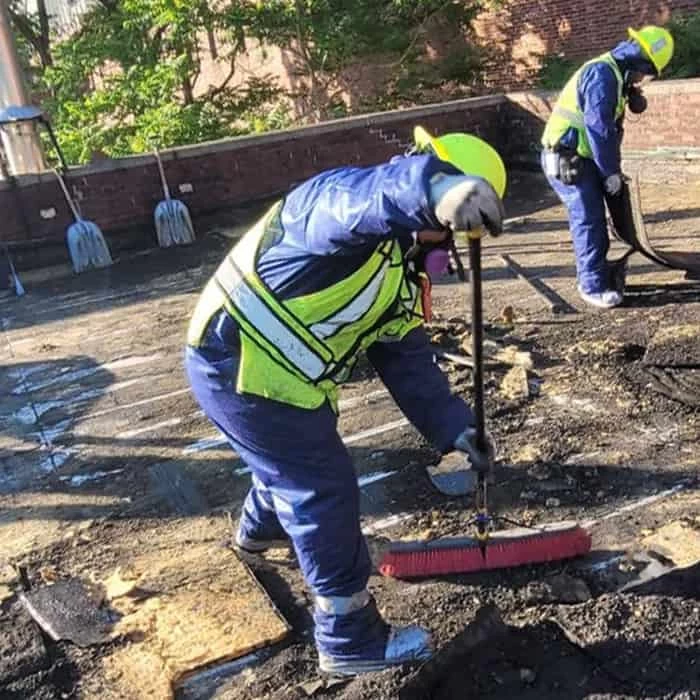
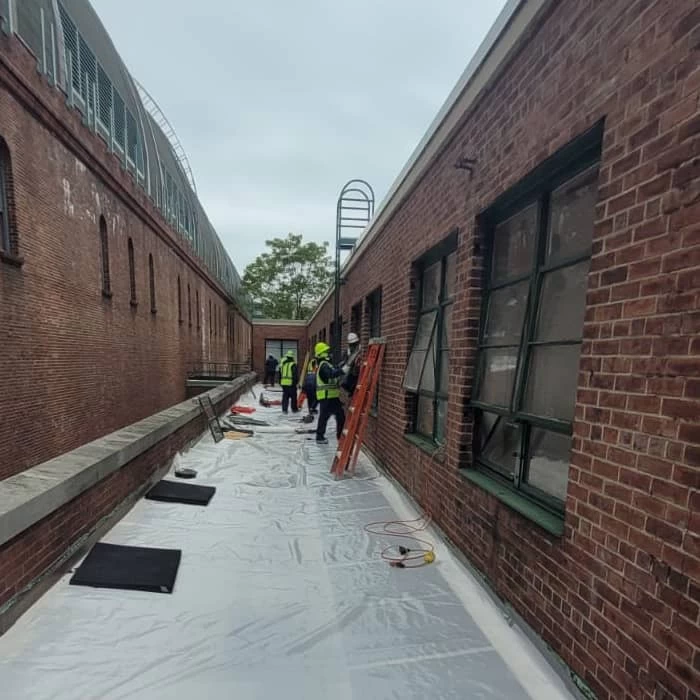
Once on-site, we do a full assessment not just the burn area, but the HVAC system, adjacent rooms, and any materials that may have been compromised by heat or smoke. In Yaphank’s older homes, that assessment includes checking for asbestos-containing materials before any demolition or debris removal begins. This is a legal and safety requirement under New York State Department of Labor regulations, and it’s a step that gets skipped when you hire a company that isn’t certified to handle it.
From there, the work moves through extraction and drying, smoke and soot remediation, air quality treatment, and then full reconstruction permits coordinated through the Town of Brookhaven, inspections scheduled, everything handled. You’re kept informed at every stage. When the job is done, it’s done completely not handed off to a separate contractor for the rebuild.
Everything the Fire Left Behind, Handled in One Scope of Work
Fire damage restoration isn’t a single task it’s a sequence of connected services that have to happen in the right order by people who understand how they interact. Our scope covers emergency stabilization, water extraction and structural drying, smoke and soot removal, odor elimination through thermal fogging and hydroxyl treatment, HEPA air filtration, environmental testing, and full reconstruction including drywall, flooring, electrical, and finish work.
For Yaphank homeowners specifically, the environmental piece is not optional. Homes built before 1980 and there are many throughout this hamlet, particularly in the older neighborhoods near Yaphank Avenue and the historic core carry real asbestos risk once fire damage disturbs building materials. We hold the state certifications required to test, abate, and document that work properly. That protects you legally and keeps your family safe when you move back in.
The insurance side is also built into the process. Most Yaphank homeowners haven’t filed a claim anywhere near this size before. Our team helps document damage correctly, communicates with your adjuster, and makes sure the scope of work reflects what the property actually needs not a trimmed-down version that leaves gaps. You shouldn’t have to learn how insurance claims work while you’re already overwhelmed. That’s our job.
How quickly can a fire restoration crew reach my home in Yaphank?
Response time is one of the most important factors in how much total damage you end up with and how much the restoration ultimately costs. Soot starts permanently bonding to surfaces within 24 to 72 hours of a fire, and moisture from firefighting creates mold risk within 24 to 48 hours. Every hour of delay makes the job bigger.
Our customers have documented arrival times within the hour. For Yaphank residents, that’s meaningful the hamlet’s semi-rural character and lower density can make it feel far from services, but the reality is that a local Long Island team with no franchise routing delays can move fast. You call, someone answers, and a crew gets moving. That’s how it works.
Does homeowners insurance cover fire damage restoration in New York?
In most cases, yes standard homeowners insurance policies in New York cover fire damage, including smoke damage, water damage from firefighting, and the cost of restoration and reconstruction. But the coverage you actually receive depends heavily on how the damage is documented and how the claim is filed.
This is where a lot of homeowners lose money without realizing it. If the scope of work submitted to your insurer doesn’t capture the full extent of the damage including hidden smoke penetration, secondary water damage, or environmental hazards like asbestos in older Yaphank homes the payout will reflect that incomplete picture. We help document everything correctly and work directly with your adjuster to make sure the claim reflects what the property actually needs. Most customers who’ve gone through this process with us have specifically noted how much that guidance was worth.
What does smoke damage actually do to a home if it's not fully remediated?
Smoke damage is deceptive because a lot of it isn’t visible. The odor that lingers for months, the discoloration that keeps bleeding through new paint, the respiratory irritation that doesn’t go away these are signs that the remediation didn’t go deep enough.
Smoke is acidic. It penetrates porous materials drywall, insulation, wood framing, upholstery, even clothing stored in closets and keeps off-gassing long after the fire is out. In homes with older HVAC systems, which are common throughout Yaphank’s mid-century housing stock, smoke can travel through ductwork and deposit residue in every room in the house. Proper remediation means treating the air, not just the surfaces HEPA filtration, thermal fogging, hydroxyl treatment, and post-remediation air quality verification. Surface cleaning alone doesn’t get there.
Do older Yaphank homes have asbestos risk when fire damage occurs?
Yes, and it’s one of the most important things to address before any demolition or debris removal begins. Homes built before 1978 which represents a significant portion of Yaphank’s housing stock, particularly in the older neighborhoods near the historic hamlet core commonly contain asbestos in insulation, floor tiles, pipe wrap, ceiling texture, and roofing materials. Under normal conditions, these materials aren’t a hazard. But fire and heat can disturb them, and once disturbed, asbestos fibers become airborne and dangerous.
New York State requires that any contractor performing asbestos abatement hold a NYSDOL asbestos contractor certification. This isn’t a formality it’s a legal requirement that protects you and your family. A restoration company that starts tearing out fire-damaged materials in a pre-1980 home without testing first isn’t just cutting corners. It’s creating a serious health and legal liability. We hold the required certifications and conduct proper testing before any work begins.
How long does fire damage restoration typically take for a Long Island home?
It depends on the scope, but here’s a realistic range: a contained kitchen fire with smoke damage to adjacent rooms typically takes two to four weeks for full remediation and reconstruction. A more significant fire involving structural damage, environmental hazards, or extensive smoke spread through the home can take six to twelve weeks or longer.
In Yaphank specifically, the timeline also depends on the Town of Brookhaven’s permitting process. Structural repairs, electrical work, plumbing, and HVAC replacement all require permits and inspections through the Town of Brookhaven Building Department. A restoration company that doesn’t coordinate that process or that starts reconstruction without pulling permits can create problems that extend the timeline significantly and create issues when you sell the home. We handle permitting as part of the job, so that piece doesn’t fall on you.
Can a fire near the Pine Barrens cause different types of damage to my home?
It can, and it’s worth understanding what makes a wildfire-interface fire different from a typical house fire. Yaphank sits at the edge of the Long Island Central Pine Barrens the same region where a 2012 brushfire burned over 2,000 acres near Manorville and forced closures on the Long Island Expressway. Homes on the woodland perimeter face ember cast, radiant heat exposure, and exterior surface damage that can occur even when the fire never directly reaches the structure.
That type of damage often affects decking, siding, roofing, and exterior insulation before it reaches the interior but smoke infiltration through attic vents and HVAC intakes can still contaminate the inside of the home. The assessment process for a wildfire-adjacent event needs to look at both the exterior envelope and the interior air quality, not just the obvious burn areas. Our full-scope approach covers both, and our environmental testing confirms whether the interior is actually safe before you move back in.